


Galaxy S26 February 25 Launch Creates Accessory Ecosystem Opportunity for Cross-Border Sellers
- Samsung's Qi2 omission drives demand for third-party magnetic cases and charging accessories; sellers can capitalize on ecosystem fragmentation with compatible products across Amazon, eBay, and regional marketplaces











概览
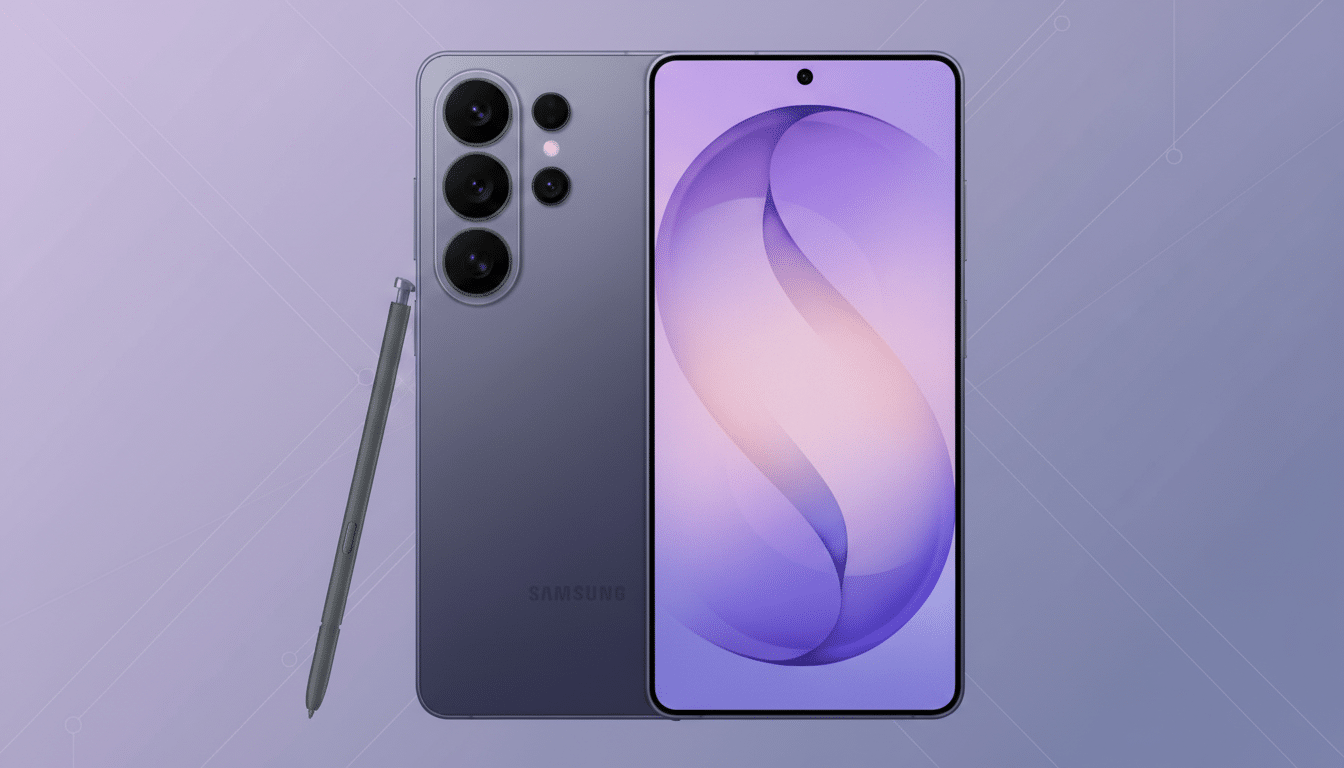
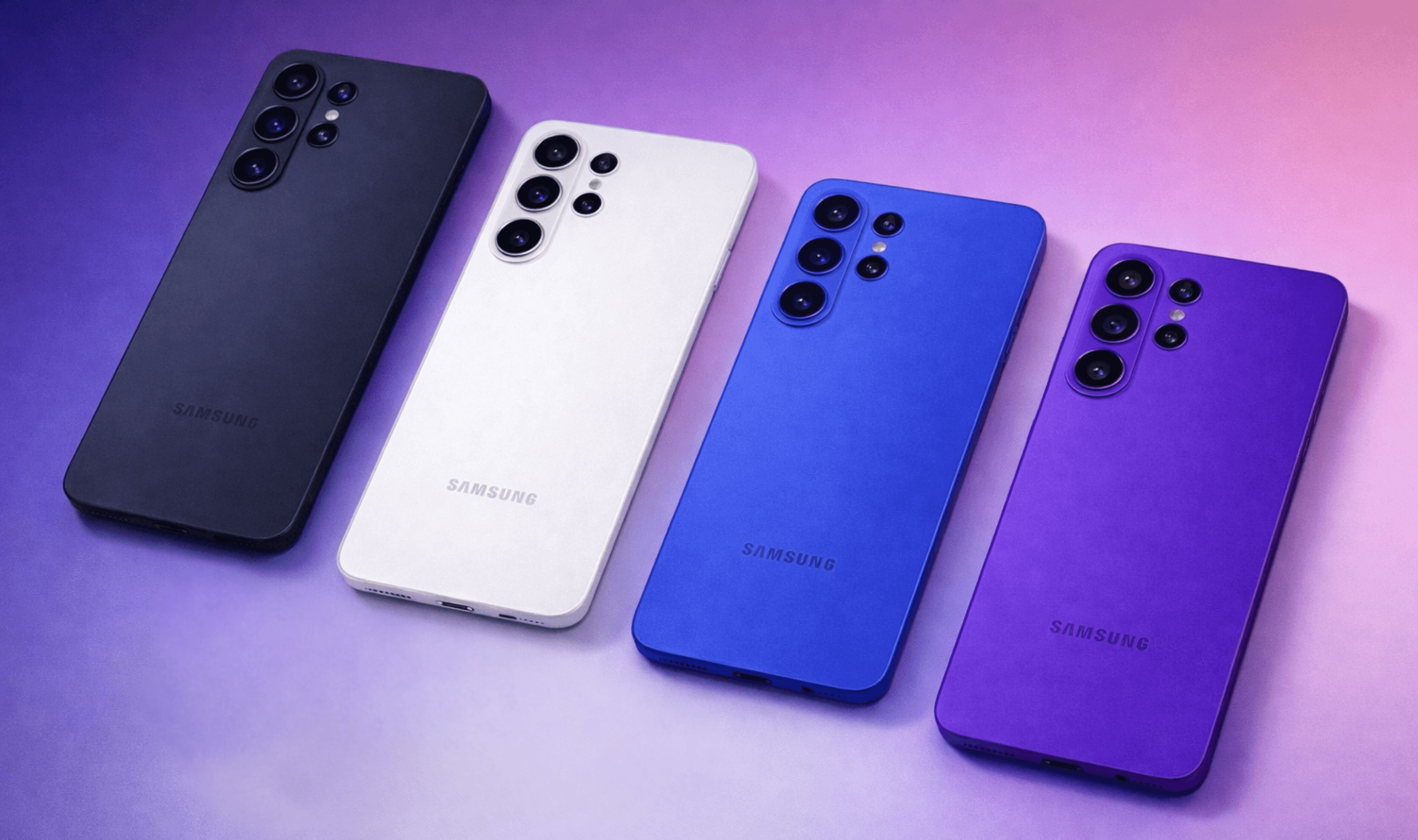
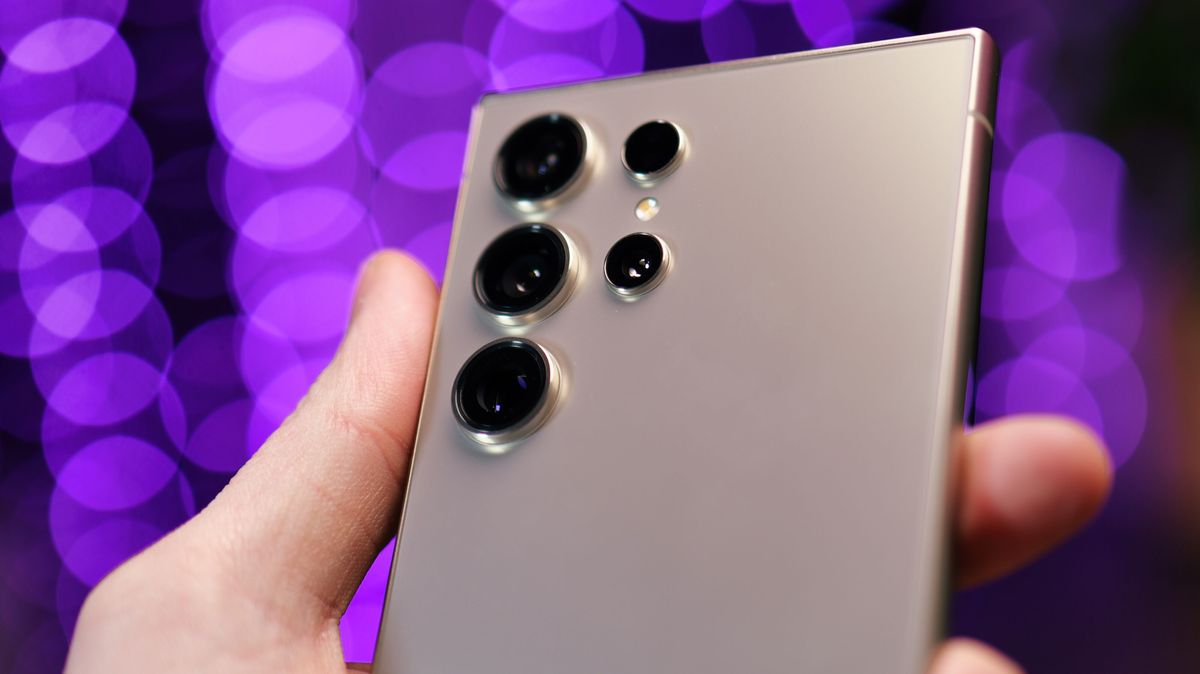
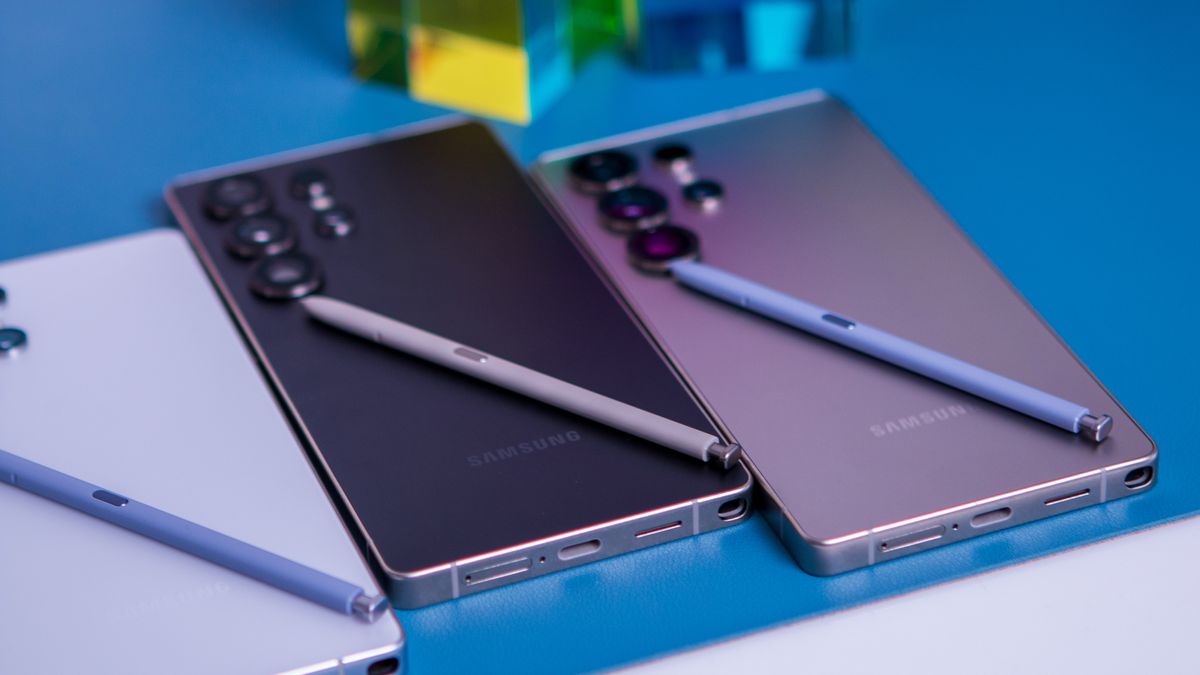
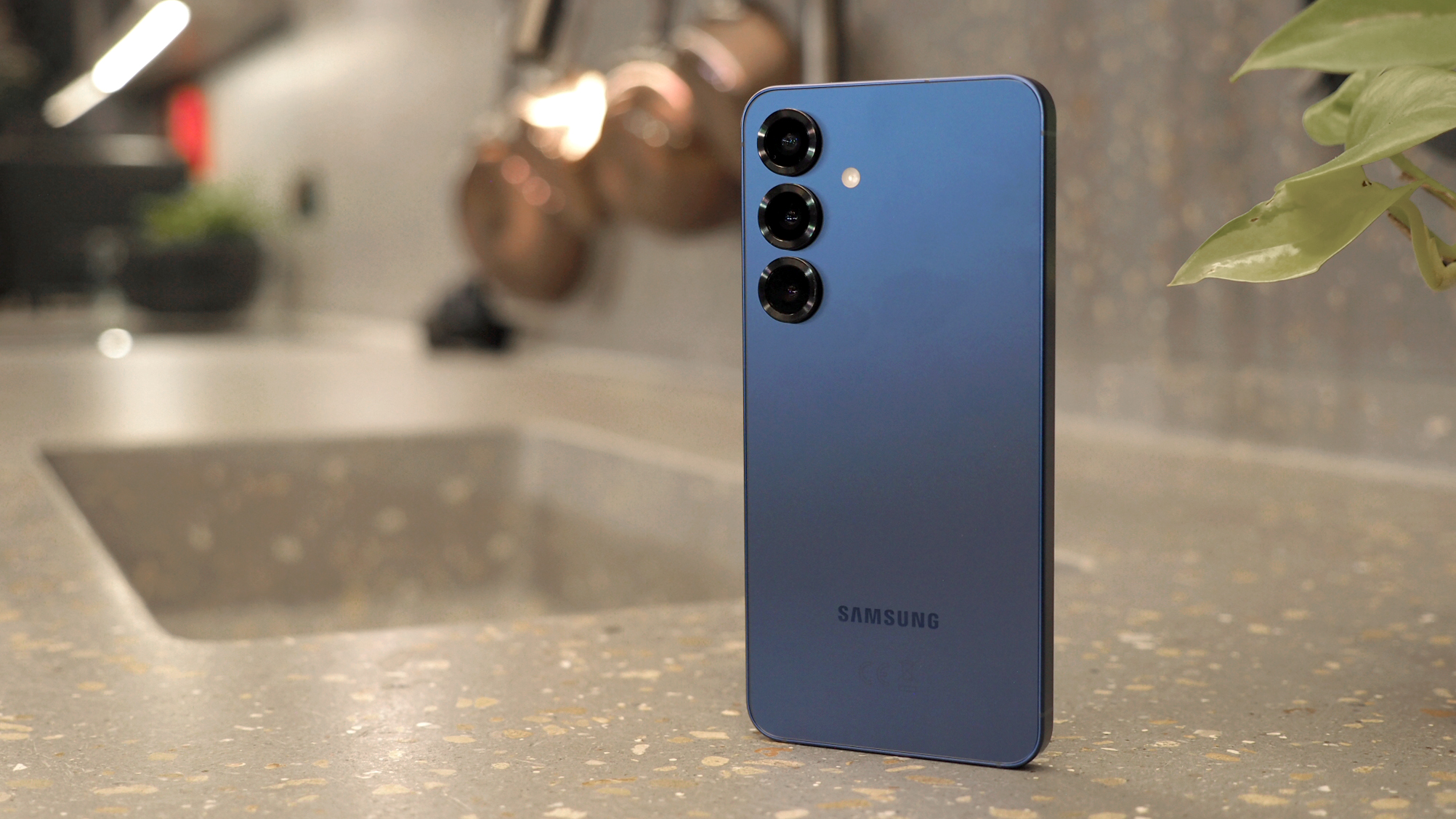
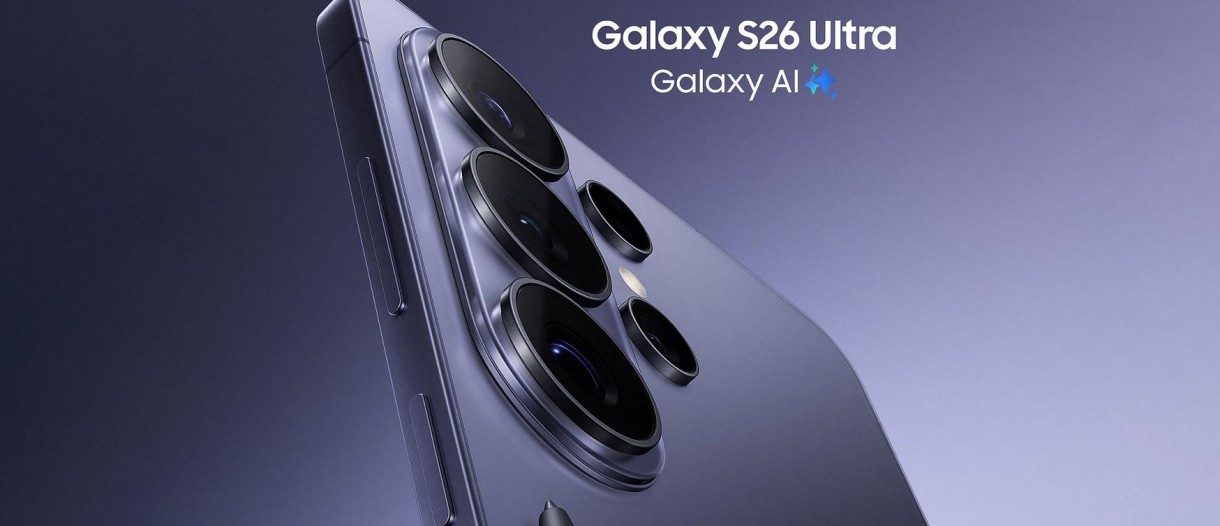
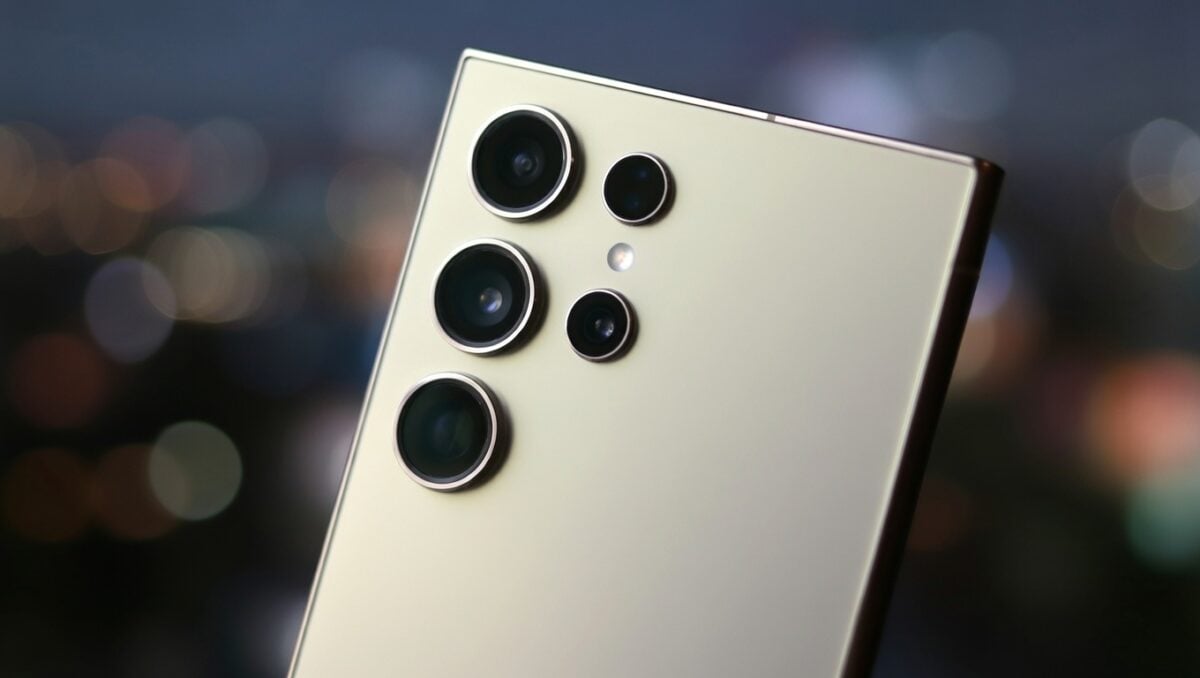
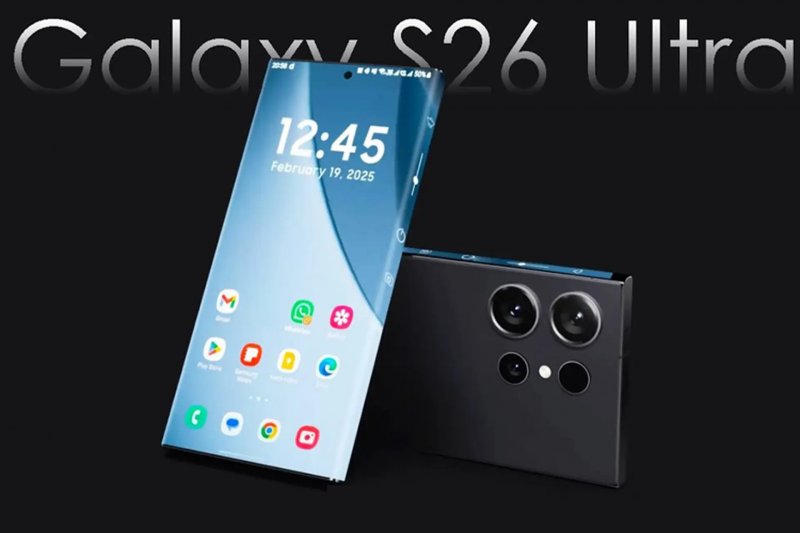
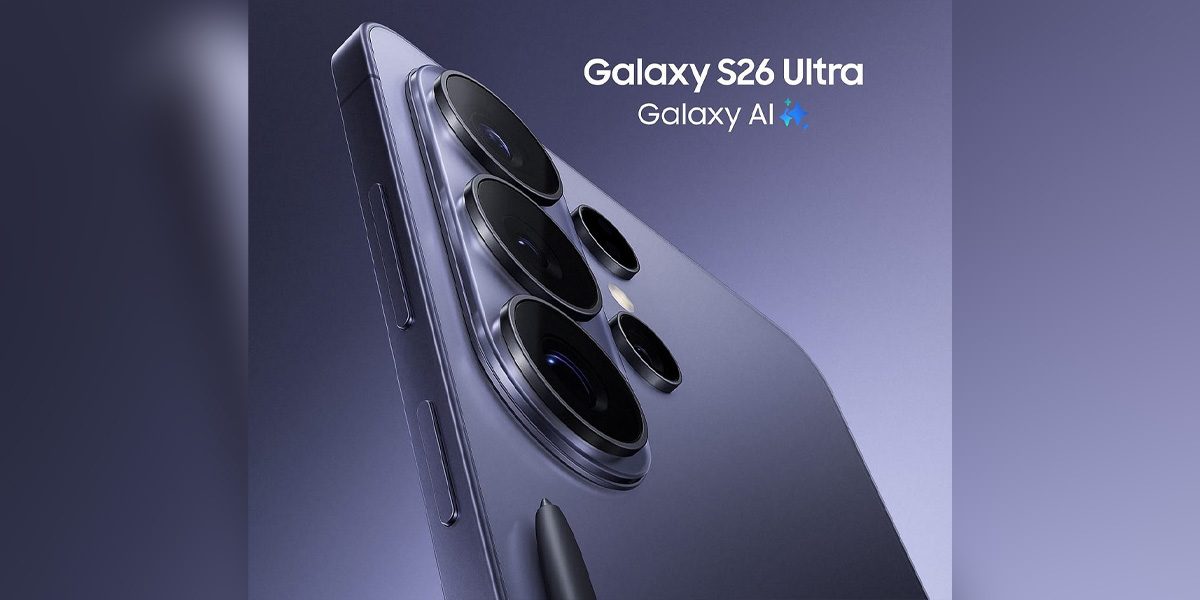
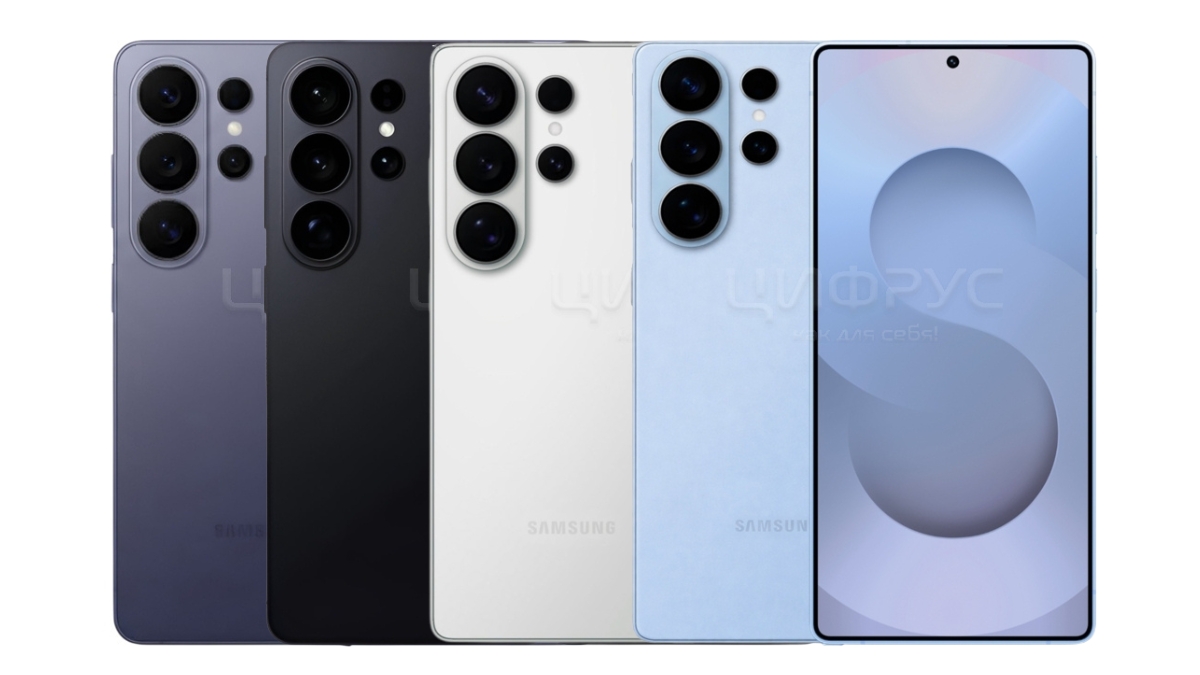
Samsung's Galaxy S26 series launching February 25, 2025, presents a critical market opportunity for cross-border e-commerce sellers specializing in smartphone accessories. The device's confirmed lack of native Qi2 magnets—despite Samsung manufacturing both magnetic and non-magnetic first-party cases—creates significant consumer confusion and a lucrative gap in the accessory ecosystem. This fragmentation mirrors Apple's iPhone 17 strategy, which prompted Samsung to revise its original development plans, leaving buyers needing separate magnetic cases to use Qi2-compatible chargers like Samsung's own magnetic power banks and wireless charging pucks.
The Accessory Opportunity: Samsung is producing Qi2-dependent accessories (magnetic power banks, MagSafe-style charging pucks) for phones that cannot natively support them, forcing consumers to purchase additional magnetic cases separately. This represents poor product ecosystem planning but creates a direct seller opportunity. Cross-border sellers can source and resell compatible magnetic cases, third-party Qi2 adapters, and charging accessories across Amazon, eBay, Shopify, and regional marketplaces. The global smartphone accessory market reached $45B in 2024, with wireless charging accessories growing 18% annually. Galaxy S26 buyers—estimated at 25-30M units in first year—will need compatible solutions, representing $150-300M in accessory demand.
Market Dynamics and Competitive Positioning: The Galaxy S26 launch on February 25 creates a 4-6 week window for sellers to establish inventory and optimize listings before peak demand. Samsung's continued resistance to Qi2 adoption, despite having access to the open industry standard for years, signals either technical constraints or strategic hesitation. This contrasts sharply with Apple's iPhone 17 (which includes native Qi2) and Google's Pixel 10 series (native Qi2 support), positioning Samsung as the laggard in wireless charging standardization. Sellers can leverage this competitive gap through targeted marketing emphasizing "Galaxy S26 Qi2 Compatible" solutions, capturing buyers frustrated by Samsung's ecosystem fragmentation.
Seller Segments and Regional Implications: Electronics accessory sellers on Amazon FBA can expect 40-60% higher search volume for "Galaxy S26 magnetic case" and "Qi2 adapter" queries during February-April 2025. EU-based sellers should note that Qi2 standardization aligns with EU regulatory push toward universal charging standards, potentially increasing demand in European markets. Asian sellers sourcing from Shenzhen and Dongguan manufacturing hubs can capitalize on lower production costs for magnetic cases and adapters, with typical margins of 35-50% on wholesale-to-retail pricing. The ecosystem confusion creates a 6-12 month window before Samsung potentially corrects course or competitors fill the gap.
問題 7
When is Galaxy S26 launching and what inventory timeline should sellers follow?
Samsung Galaxy S26 series launches February 25, 2025, creating a critical 4-6 week window for sellers to establish inventory and optimize listings before peak demand. Sellers should source compatible magnetic cases, Qi2 adapters, and charging accessories by mid-January 2025 to capture early adopters. Amazon FBA processing typically requires 2-3 weeks, so inventory must arrive at fulfillment centers by February 1 at latest. Peak search volume for Galaxy S26 accessories historically occurs weeks 2-8 post-launch, with sustained demand through Q2 2025. Regional sellers should prioritize EU markets where Qi2 standardization aligns with regulatory requirements.
What is Qi2 and why does Galaxy S26 lacking it matter for sellers?
Qi2 is an open wireless charging standard adopted by Apple (iPhone 17), Google (Pixel 10), and industry leaders, featuring built-in magnets for secure accessory alignment. Samsung's Galaxy S26 lacks native Qi2 support despite manufacturing Qi2-compatible accessories, creating consumer confusion and a $150-300M accessory opportunity. Sellers can capitalize by offering magnetic cases and Qi2 adapters that bridge this gap. The omission signals Samsung's strategic hesitation or technical constraints, positioning the Galaxy S26 as the premium flagship lacking industry-standard charging—a competitive disadvantage sellers can exploit through targeted marketing of compatible solutions.