

)


)


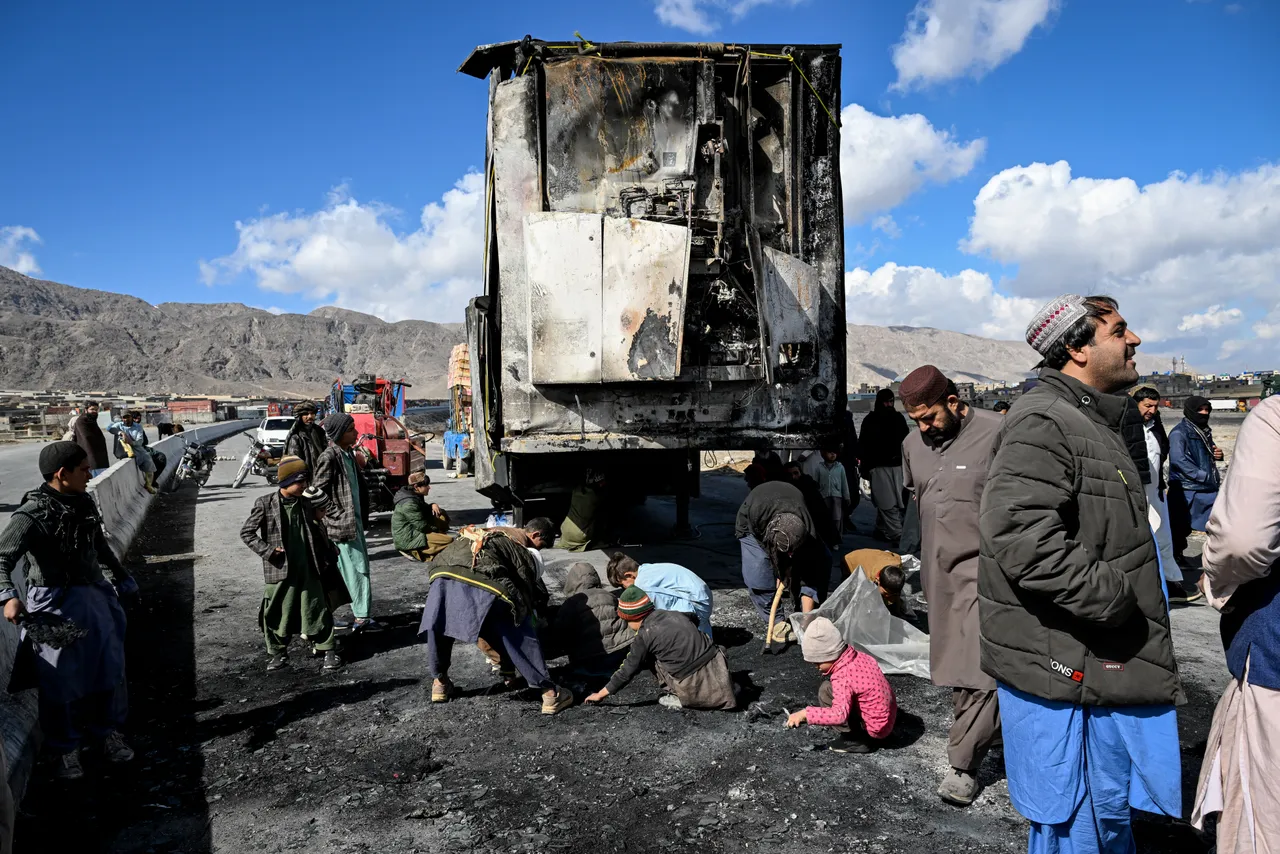
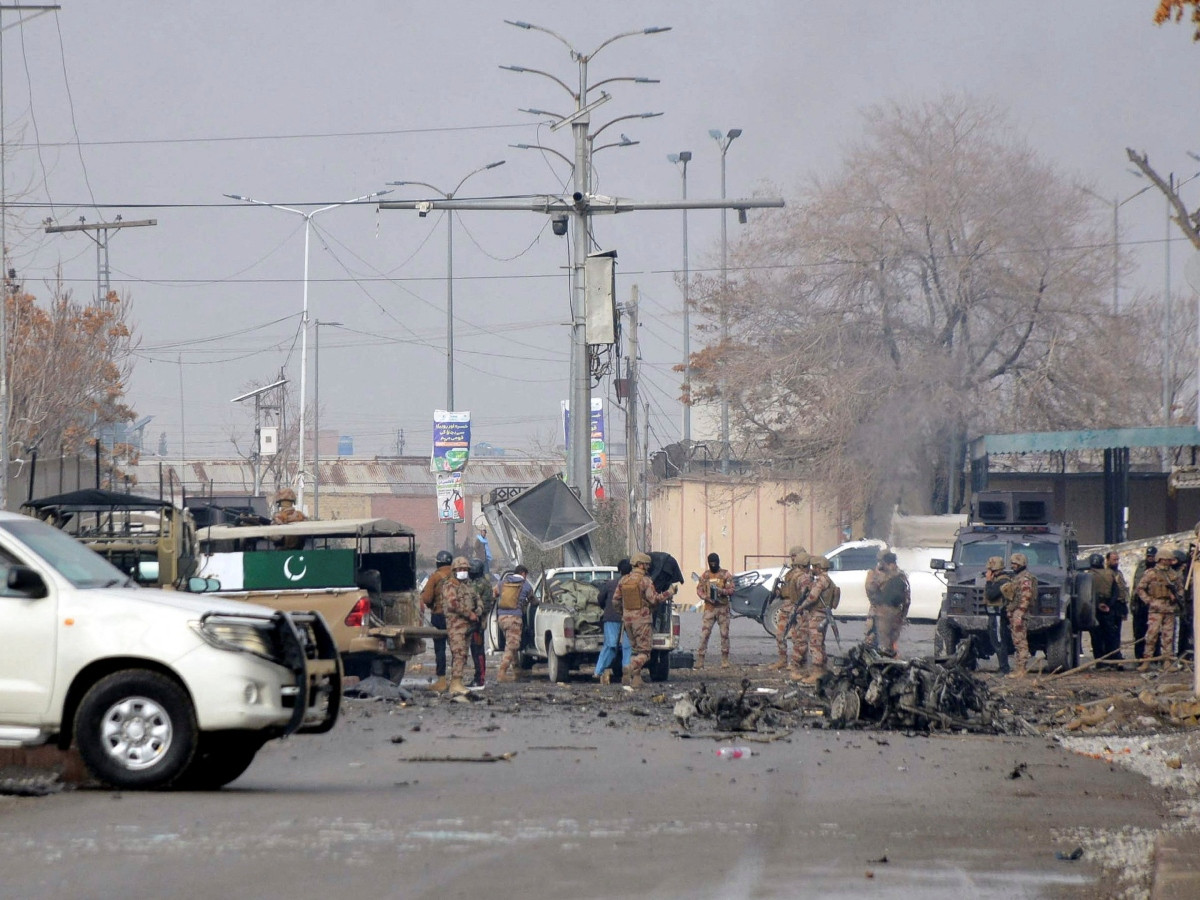
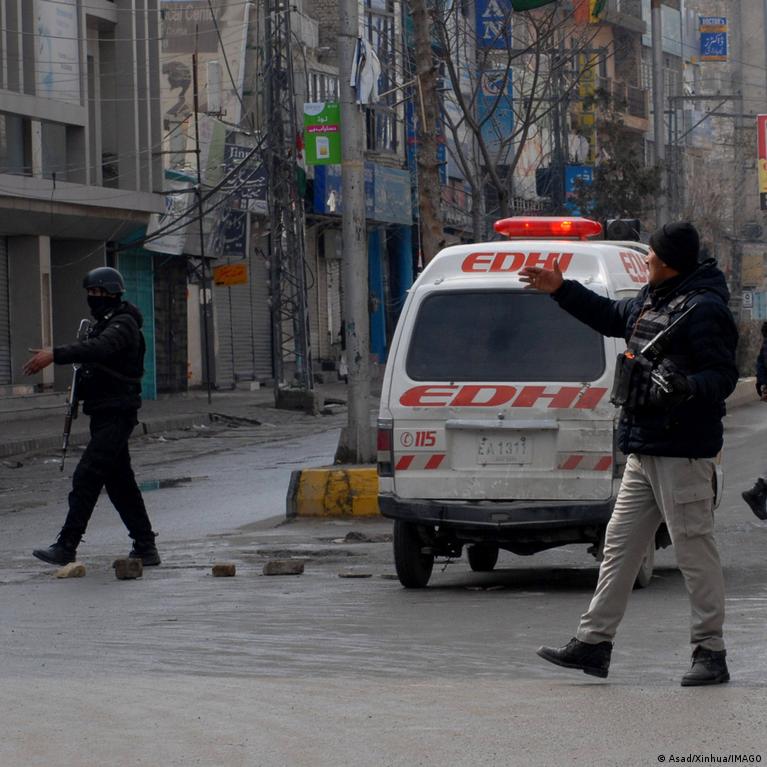
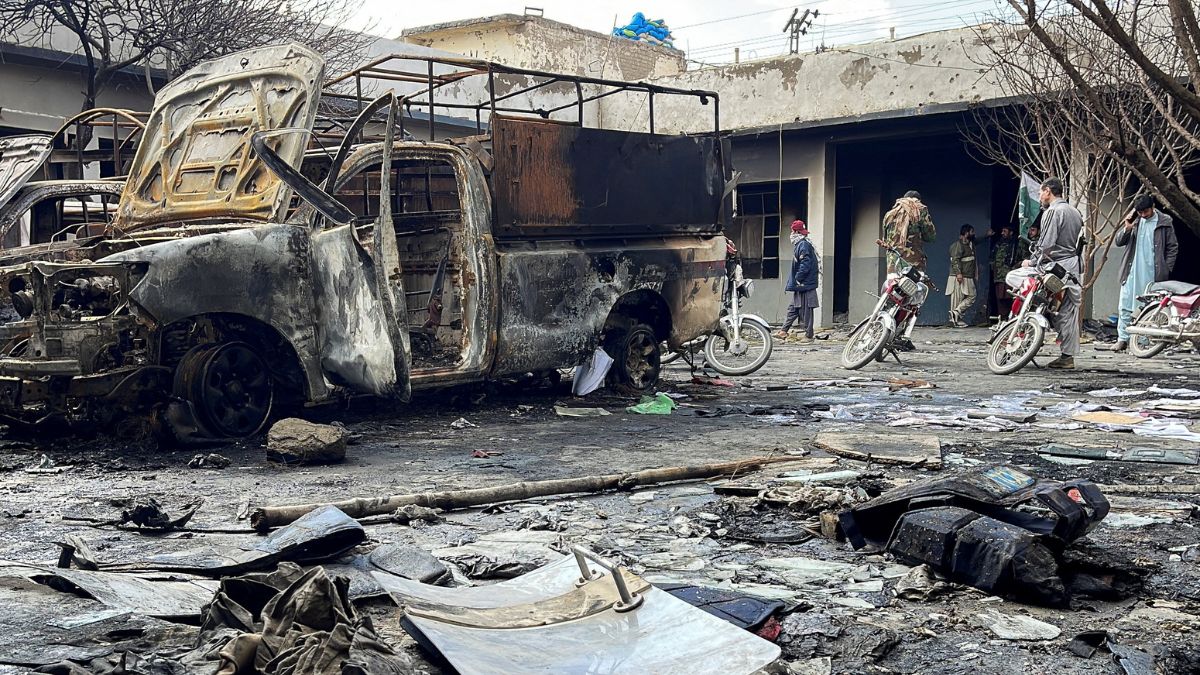
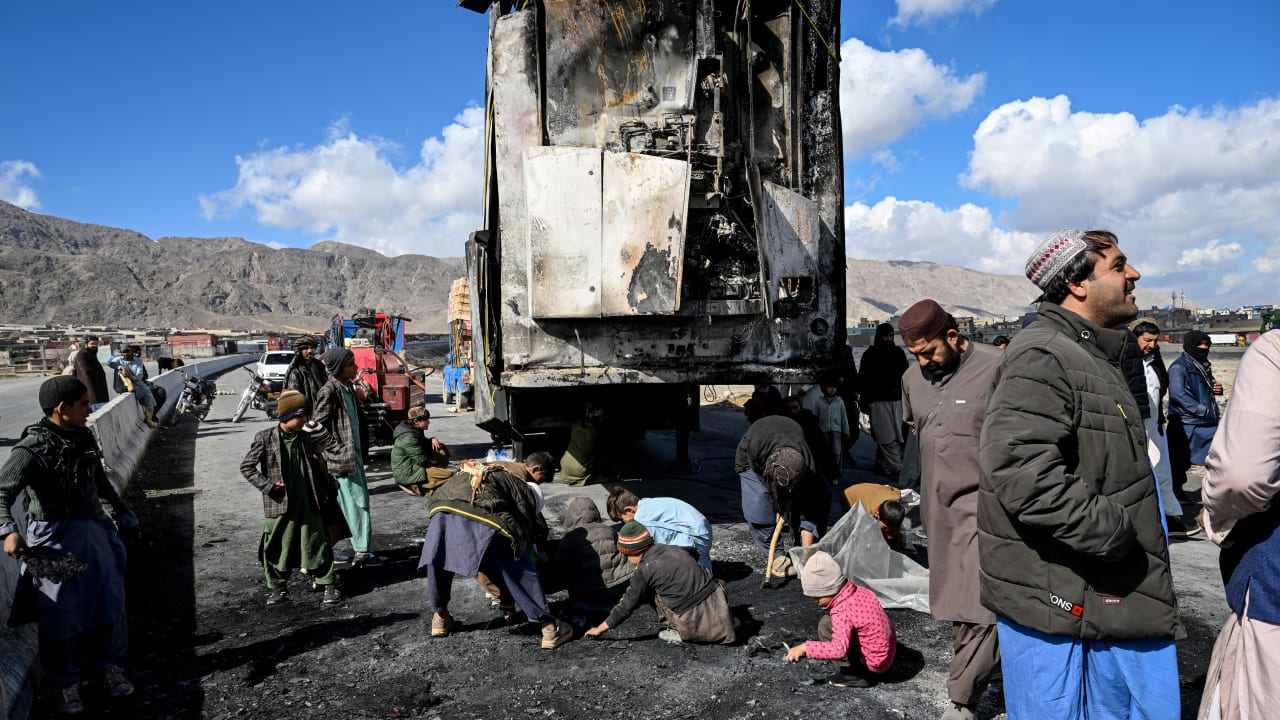
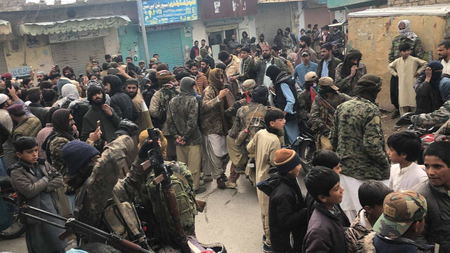
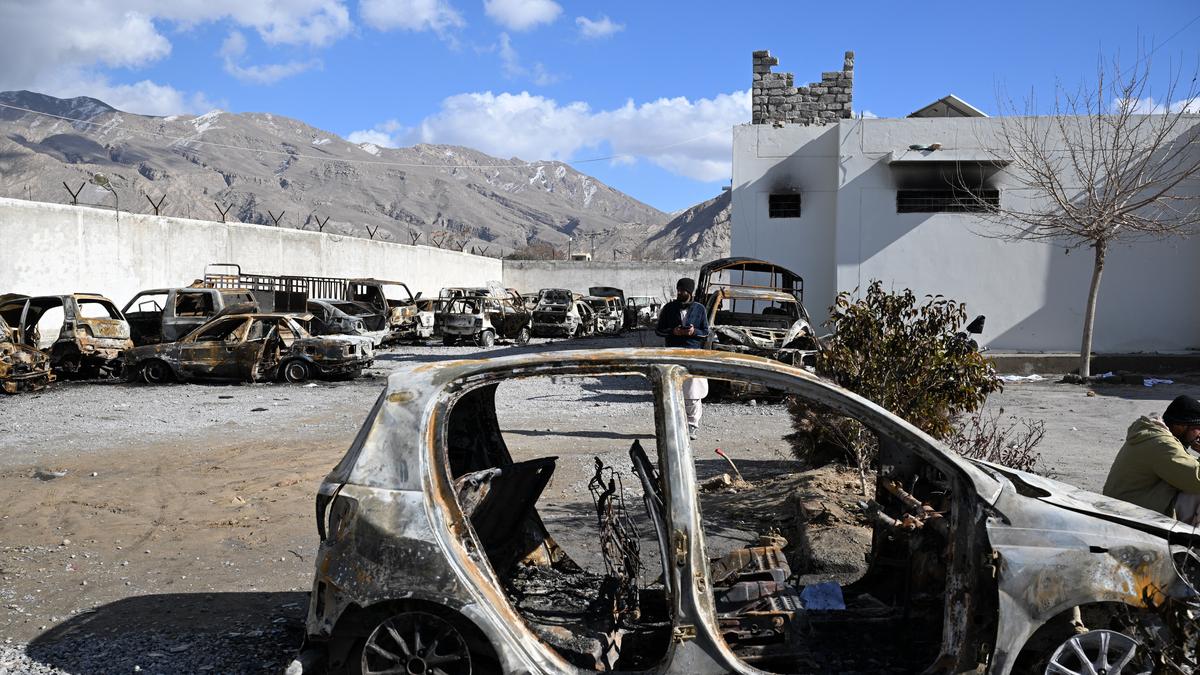
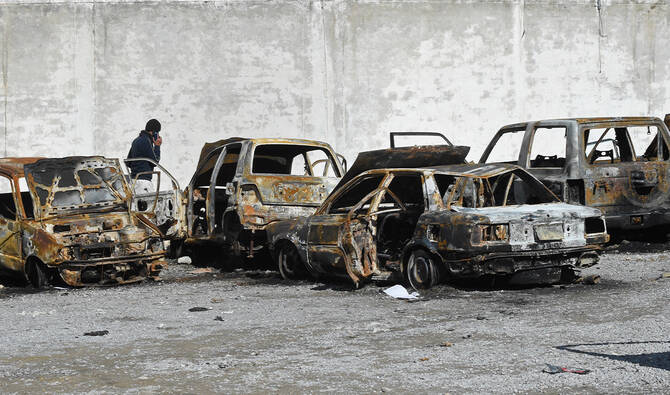
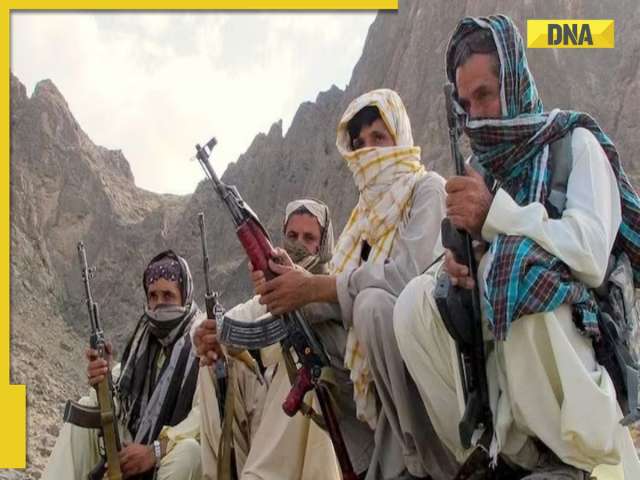
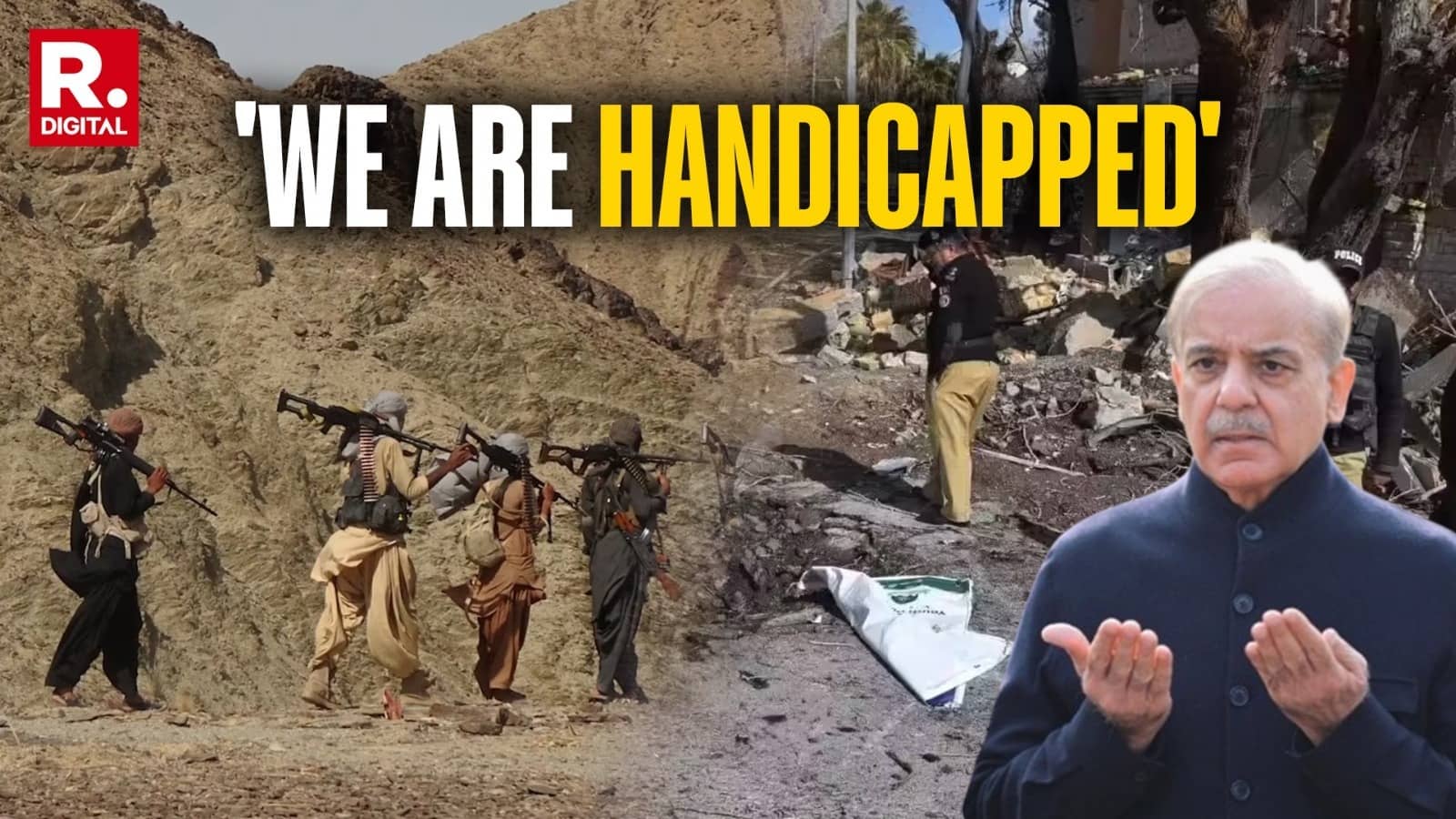
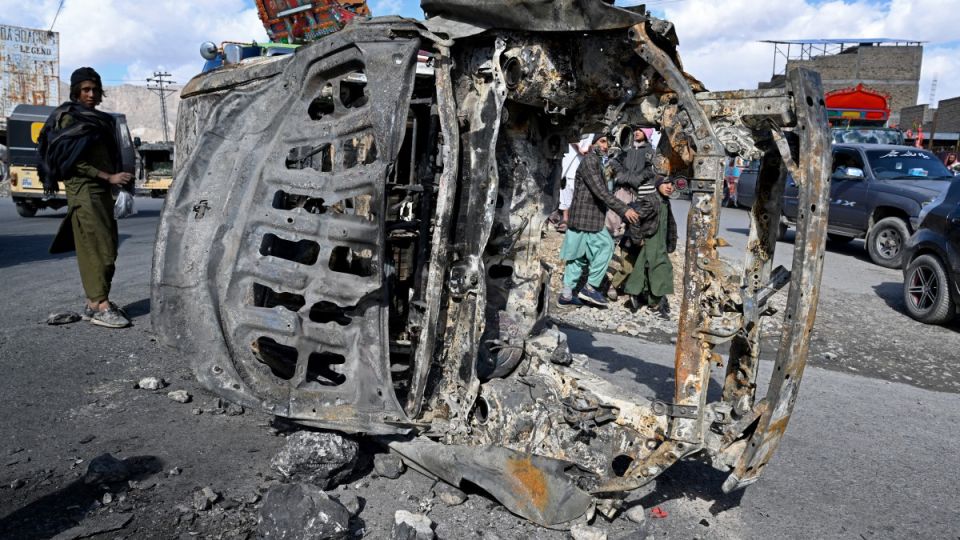
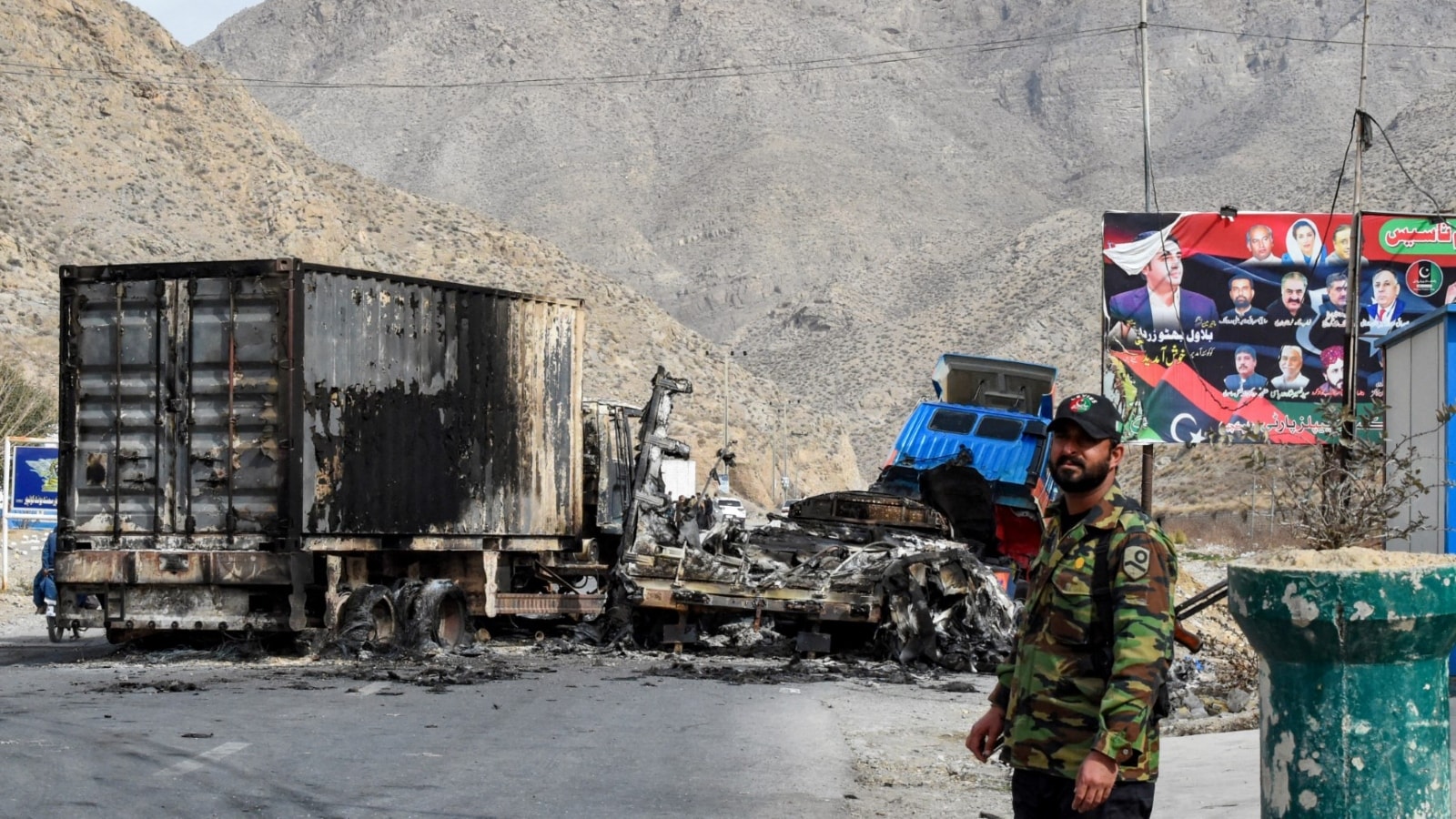
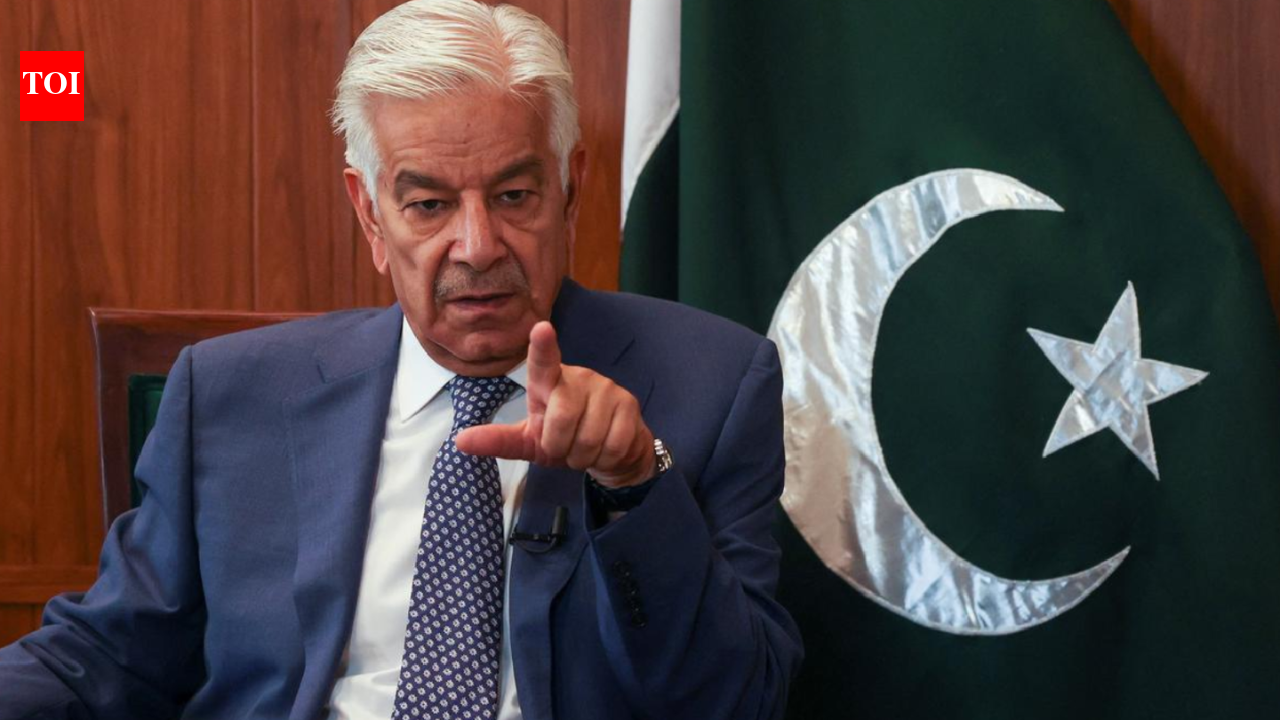
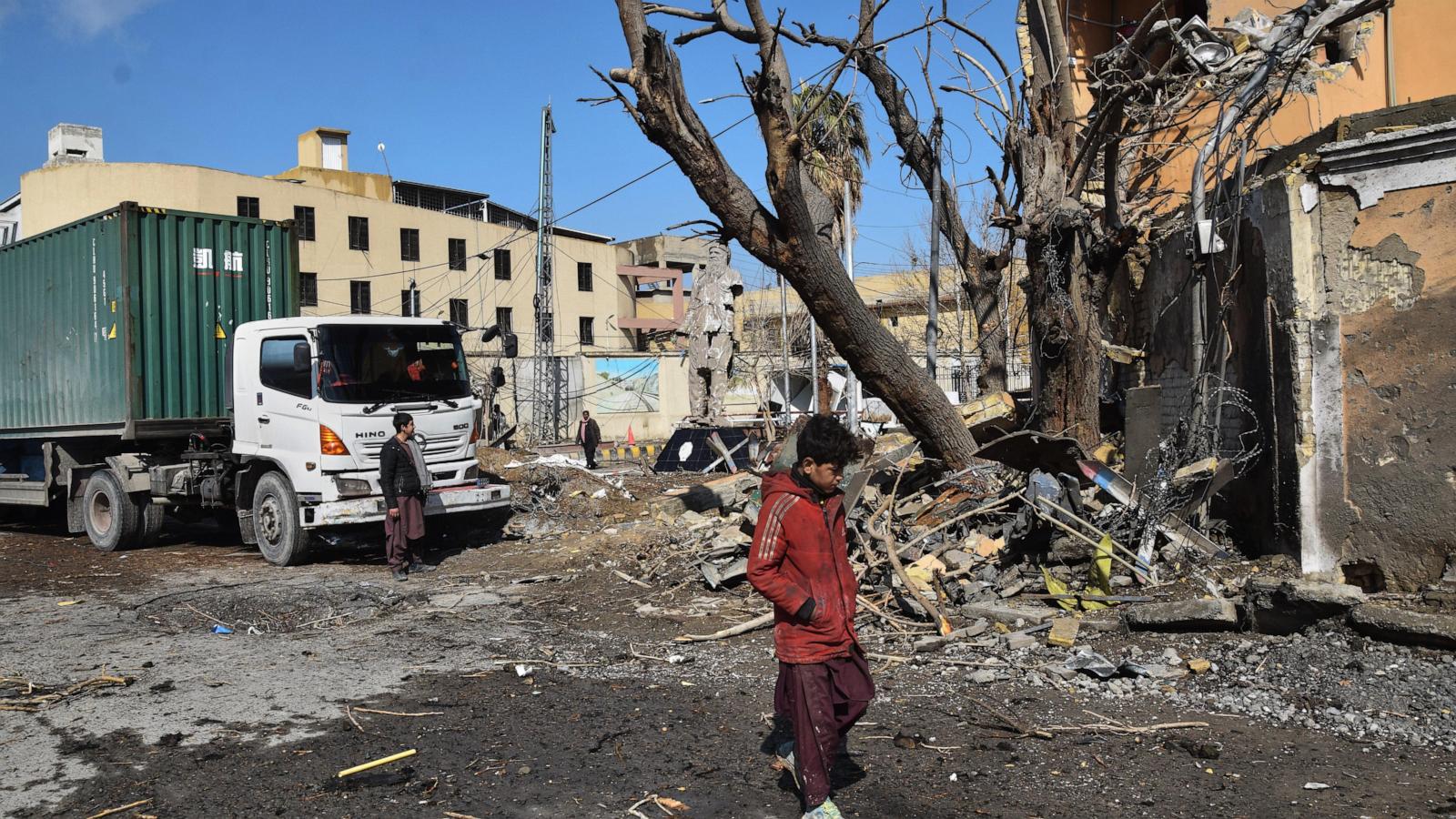
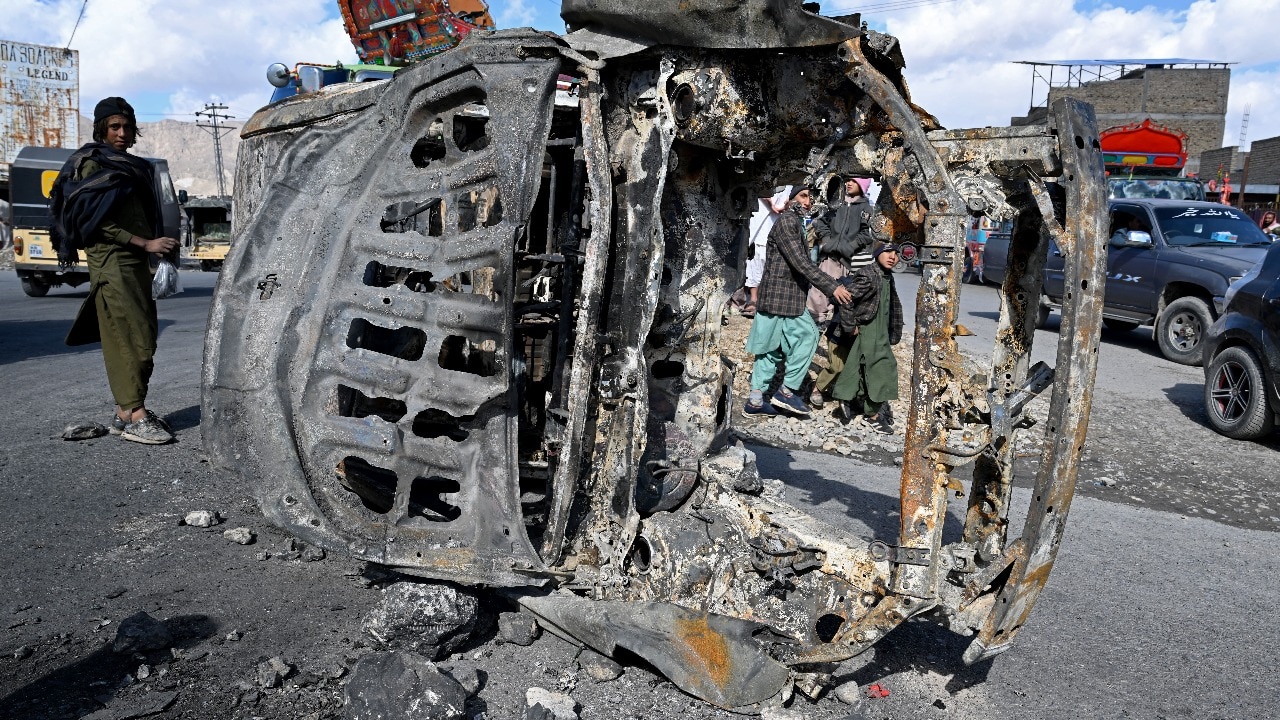
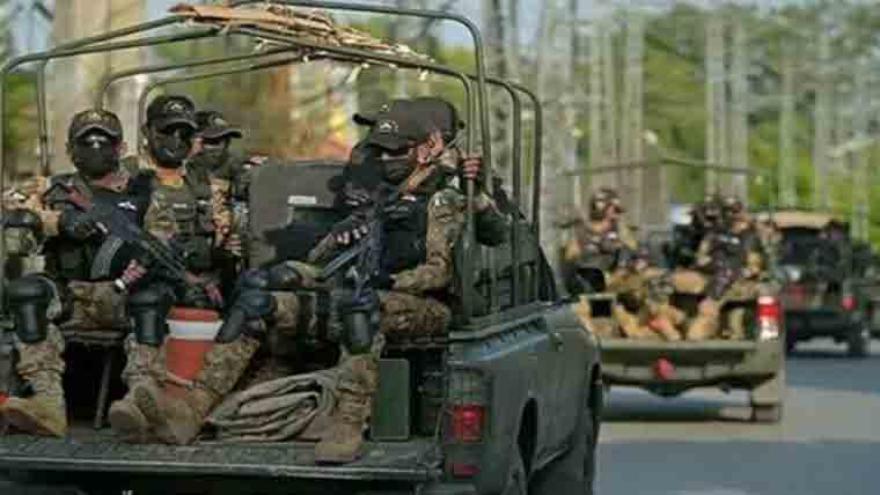
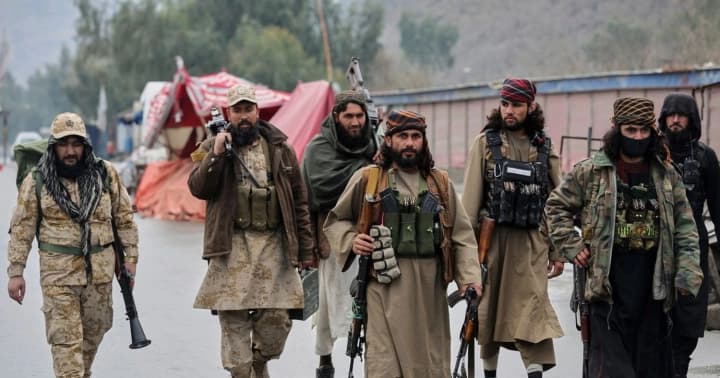
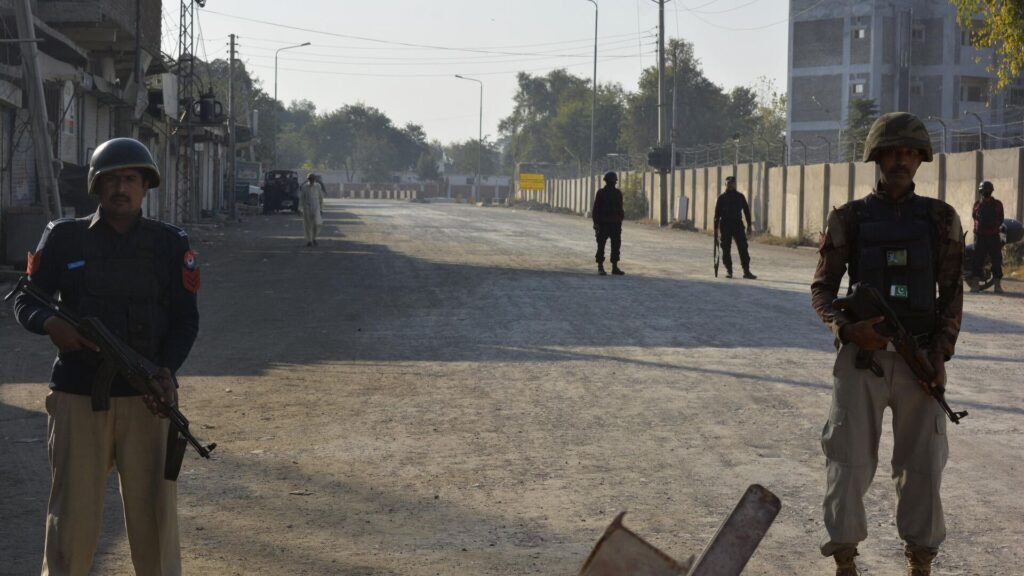
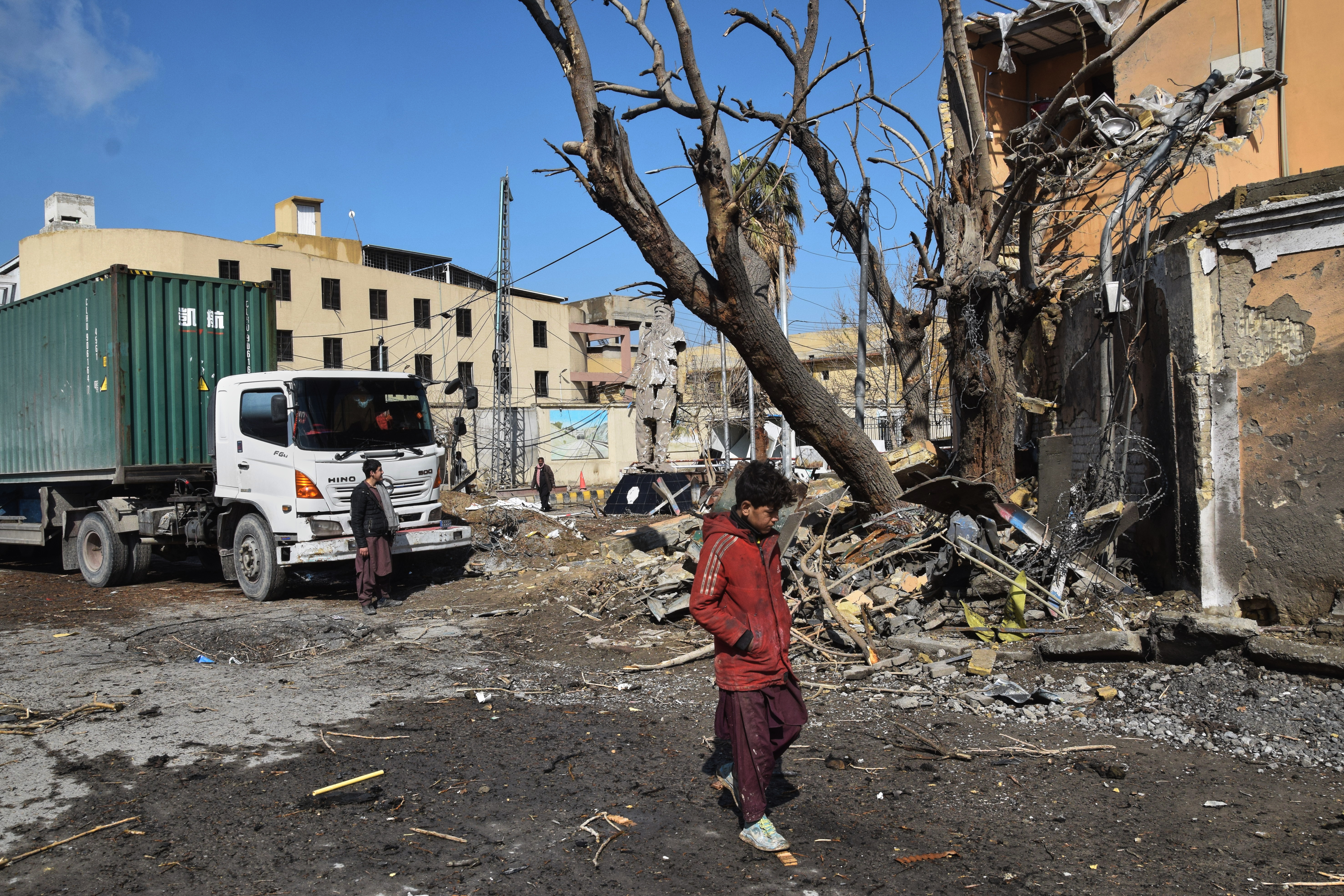
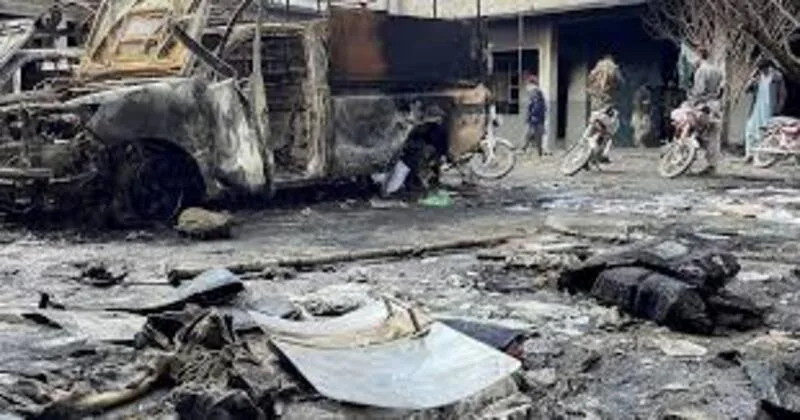
Pakistan's Balochistan province experienced coordinated militant attacks on February 1-4, 2026, creating critical supply chain vulnerabilities for cross-border e-commerce sellers. The Baloch Liberation Army (BLA) conducted "Operation Black Storm" across 13 locations, resulting in 58+ deaths and 197 militants eliminated, with security forces deploying helicopters and drones to suppress the uprising. Defence Minister Khawaja Asif acknowledged that security forces face geographical constraints controlling 40% of Pakistan's territory comprising Balochistan. This instability directly impacts the China-Pakistan Economic Corridor (CPEC) infrastructure and Gwadar deepwater port, which serve as critical logistics hubs for sellers shipping goods between Asia, Middle East, and Europe.
For cross-border sellers, this crisis creates three immediate operational risks: First, shipping delays of 3-7 days are likely for goods transiting through Gwadar port or overland CPEC routes, as military operations restrict civilian logistics movement and customs processing slows during security lockdowns. Second, insurance premiums for Pakistan-routed shipments will increase 15-25%, reflecting elevated geopolitical risk—sellers using 3PL providers in Pakistan should expect surcharges of $50-200 per container depending on cargo value. Third, alternative routing costs rise 8-12% as sellers divert shipments through longer routes via Dubai, Karachi, or air freight, adding $300-800 per shipment for time-sensitive inventory.
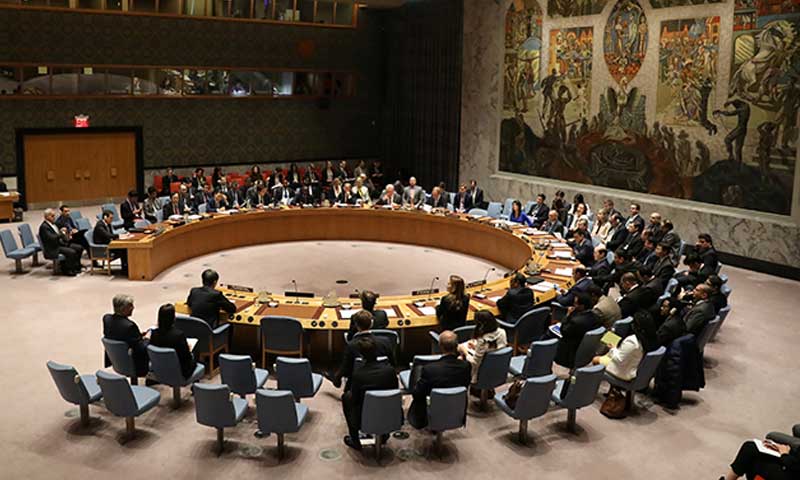
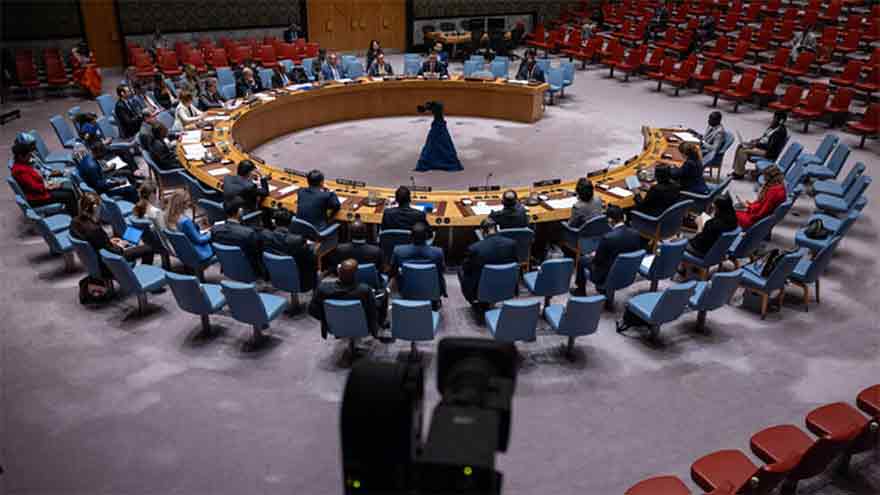
The strategic context amplifies seller exposure: Balochistan hosts China's $62B CPEC investment including Gwadar port, which handles 40% of Pakistan's international container traffic. The province's decades-long separatist insurgency seeking autonomy and resource control creates recurring instability. Sellers with inventory in Pakistani warehouses, goods in transit through Gwadar, or supply chain dependencies on Pakistani suppliers face immediate business continuity risks. The UN Security Council's February 4 condemnation signals international concern, potentially triggering additional customs scrutiny and documentation delays. Sellers should monitor security developments closely and consider supply chain diversification away from Pakistan-dependent routes for the next 60-90 days until stability returns.
If you source products from Pakistan or use Pakistani 3PL providers for inventory storage/fulfillment, Balochistan instability creates three operational risks: (1) **Inventory delays** of 3-7 days reduce your ability to restock fast-moving SKUs, potentially causing stockouts and lost Buy Box eligibility on Amazon; (2) **Increased fulfillment costs** from premium shipping and insurance compress margins by 5-8%, affecting profitability on low-margin categories; (3) **Customs documentation delays** may trigger Amazon's FBA inbound processing delays, impacting your IPI (Inventory Performance Index) score. Sellers should: (1) Increase safety stock by 20-30% for Pakistan-sourced products; (2) Diversify suppliers to India, Vietnam, or Bangladesh to reduce Pakistan dependency; (3) Monitor your FBA dashboard for processing delays and adjust PPC budgets to maintain visibility during inventory gaps. This is particularly critical for sellers in electronics, apparel, and home goods categories where Pakistan supplies 15-25% of global inventory.
Geopolitical risk insurance becomes essential for Pakistan shipments during the Balochistan crisis. Standard cargo insurance typically excludes war, civil unrest, and terrorism—exactly the risks present in Balochistan. Sellers should: (1) Request **War & Civil Unrest (WCU) endorsements** from cargo insurers, adding 15-25% to base premiums; (2) Increase declared cargo values by 10-15% to cover potential loss/delay costs; (3) Require 3PL providers to carry $500K-$2M liability coverage for Pakistan operations; (4) Document all shipments with GPS tracking and daily status reports. For high-value inventory (>$50K per shipment), consider **political risk insurance** covering government seizure or infrastructure damage, costing 2-5% of cargo value. Review insurance policies immediately—many carriers are tightening Pakistan coverage or requiring additional documentation.
Yes, consider relocating high-value inventory from Pakistan-based 3PL facilities within 30 days. The ongoing separatist insurgency in Balochistan creates recurring supply chain disruptions—the February 2026 attacks killed 58+ people and forced military lockdowns affecting customs processing. Sellers should: (1) Audit current inventory in Pakistani warehouses; (2) Request emergency shipments to alternative hubs in Dubai, Singapore, or India; (3) Negotiate temporary storage at regional 3PL providers; (4) Expect relocation costs of $200-500 per pallet but avoid potential 2-3 week delays if violence escalates. This is particularly critical for sellers shipping to EU, Middle East, or Asia-Pacific markets where Gwadar serves as a key transit point.
The February 2026 BLA attacks directly increase shipping costs through three mechanisms: (1) Insurance premiums rise 15-25% for Pakistan-routed shipments due to elevated geopolitical risk, adding $50-200 per container; (2) Gwadar port processing delays of 3-7 days force sellers to use premium expedited services costing $300-800 extra per shipment; (3) Alternative routing through Dubai or air freight adds 8-12% to base shipping costs. Sellers with inventory in Pakistani warehouses or goods in transit through Gwadar should immediately contact 3PL providers to assess surcharges and rerouting options. Monitor security developments for the next 60-90 days before resuming normal Pakistan-dependent logistics.
Yes, consider 5-8% price increases for products sourced from or transiting through Pakistan during the 60-90 day crisis period. The cost structure now includes: (1) Insurance premiums up 15-25%; (2) Shipping delays requiring premium expedited services (+8-12%); (3) Alternative routing costs (+$300-800 per shipment); (4) Increased 3PL storage fees during customs delays (+5-10%). For Amazon sellers, implement price increases through dynamic pricing tools to maintain competitiveness—competitors using alternative routes will also raise prices. For eBay and Shopify sellers, communicate transparently with customers about extended delivery times (add 5-7 days to estimated delivery) to manage expectations. Monitor competitor pricing weekly and adjust accordingly. Once Balochistan stability returns (estimated mid-April 2026), gradually reduce prices to pre-crisis levels to recapture market share. This strategy protects margins while maintaining customer satisfaction during the disruption.
Expect 2-3 additional compliance requirements during the Balochistan crisis: (1) **Enhanced security screening** by Pakistani customs will require detailed cargo manifests, shipper certifications, and end-use documentation—add 2-3 days to processing; (2) **UN sanctions compliance** may require sellers to certify that shipments don't support militant organizations, particularly for dual-use goods (electronics, communications equipment); (3) **Insurance documentation** must now include WCU endorsements and geopolitical risk assessments, requiring coordination with freight forwarders. Sellers should: (1) Request updated compliance checklists from 3PL providers immediately; (2) Ensure all shipments include detailed packing lists and commercial invoices; (3) Avoid shipping sensitive categories (security equipment, communications devices) to Pakistan until stability returns; (4) Budget 3-5 additional business days for documentation review. Failure to comply may result in shipment holds, penalties of $500-2,000, or temporary suspension from Pakistan logistics networks.
Industry precedent suggests 60-90 days of elevated risk and delays. The February 2026 attacks involved coordinated operations across 13 locations with 197 militants eliminated, requiring sustained military operations to restore stability. Historical patterns from similar insurgencies show: (1) Initial 2-3 week security lockdown affecting customs and port operations; (2) 30-60 days of elevated security screening increasing processing times by 3-7 days; (3) Gradual normalization as military operations conclude. The UN Security Council's February 4 condemnation signals international attention, potentially extending scrutiny. Sellers should plan for disrupted Pakistan logistics through mid-April 2026, then reassess based on security developments. Monitor Pakistani government announcements and 3PL provider updates weekly for status changes.
Three primary alternatives exist: (1) **Dubai-based routing** via Jebel Ali port adds 2-3 days but avoids Balochistan instability; costs increase 8-10% but provide stable customs processing; (2) **Air freight through Middle East hubs** (Doha, Abu Dhabi) costs 40-60% more but guarantees 2-3 day delivery and bypasses ground security risks; (3) **Singapore/Malaysia transshipment** adds 5-7 days but provides stable Southeast Asian logistics infrastructure. For sellers shipping to EU markets, the Dubai route is most cost-effective. For time-sensitive inventory (electronics, fashion), air freight justifies premium costs. Evaluate your product margins and delivery SLAs before choosing—low-margin items may not support premium routing costs.
If you source products from Pakistan or use Pakistani 3PL providers for inventory storage/fulfillment, Balochistan instability creates three operational risks: (1) **Inventory delays** of 3-7 days reduce your ability to restock fast-moving SKUs, potentially causing stockouts and lost Buy Box eligibility on Amazon; (2) **Increased fulfillment costs** from premium shipping and insurance compress margins by 5-8%, affecting profitability on low-margin categories; (3) **Customs documentation delays** may trigger Amazon's FBA inbound processing delays, impacting your IPI (Inventory Performance Index) score. Sellers should: (1) Increase safety stock by 20-30% for Pakistan-sourced products; (2) Diversify suppliers to India, Vietnam, or Bangladesh to reduce Pakistan dependency; (3) Monitor your FBA dashboard for processing delays and adjust PPC budgets to maintain visibility during inventory gaps. This is particularly critical for sellers in electronics, apparel, and home goods categories where Pakistan supplies 15-25% of global inventory.
Geopolitical risk insurance becomes essential for Pakistan shipments during the Balochistan crisis. Standard cargo insurance typically excludes war, civil unrest, and terrorism—exactly the risks present in Balochistan. Sellers should: (1) Request **War & Civil Unrest (WCU) endorsements** from cargo insurers, adding 15-25% to base premiums; (2) Increase declared cargo values by 10-15% to cover potential loss/delay costs; (3) Require 3PL providers to carry $500K-$2M liability coverage for Pakistan operations; (4) Document all shipments with GPS tracking and daily status reports. For high-value inventory (>$50K per shipment), consider **political risk insurance** covering government seizure or infrastructure damage, costing 2-5% of cargo value. Review insurance policies immediately—many carriers are tightening Pakistan coverage or requiring additional documentation.
Yes, consider relocating high-value inventory from Pakistan-based 3PL facilities within 30 days. The ongoing separatist insurgency in Balochistan creates recurring supply chain disruptions—the February 2026 attacks killed 58+ people and forced military lockdowns affecting customs processing. Sellers should: (1) Audit current inventory in Pakistani warehouses; (2) Request emergency shipments to alternative hubs in Dubai, Singapore, or India; (3) Negotiate temporary storage at regional 3PL providers; (4) Expect relocation costs of $200-500 per pallet but avoid potential 2-3 week delays if violence escalates. This is particularly critical for sellers shipping to EU, Middle East, or Asia-Pacific markets where Gwadar serves as a key transit point.
The February 2026 BLA attacks directly increase shipping costs through three mechanisms: (1) Insurance premiums rise 15-25% for Pakistan-routed shipments due to elevated geopolitical risk, adding $50-200 per container; (2) Gwadar port processing delays of 3-7 days force sellers to use premium expedited services costing $300-800 extra per shipment; (3) Alternative routing through Dubai or air freight adds 8-12% to base shipping costs. Sellers with inventory in Pakistani warehouses or goods in transit through Gwadar should immediately contact 3PL providers to assess surcharges and rerouting options. Monitor security developments for the next 60-90 days before resuming normal Pakistan-dependent logistics.
Yes, consider 5-8% price increases for products sourced from or transiting through Pakistan during the 60-90 day crisis period. The cost structure now includes: (1) Insurance premiums up 15-25%; (2) Shipping delays requiring premium expedited services (+8-12%); (3) Alternative routing costs (+$300-800 per shipment); (4) Increased 3PL storage fees during customs delays (+5-10%). For Amazon sellers, implement price increases through dynamic pricing tools to maintain competitiveness—competitors using alternative routes will also raise prices. For eBay and Shopify sellers, communicate transparently with customers about extended delivery times (add 5-7 days to estimated delivery) to manage expectations. Monitor competitor pricing weekly and adjust accordingly. Once Balochistan stability returns (estimated mid-April 2026), gradually reduce prices to pre-crisis levels to recapture market share. This strategy protects margins while maintaining customer satisfaction during the disruption.
Expect 2-3 additional compliance requirements during the Balochistan crisis: (1) **Enhanced security screening** by Pakistani customs will require detailed cargo manifests, shipper certifications, and end-use documentation—add 2-3 days to processing; (2) **UN sanctions compliance** may require sellers to certify that shipments don't support militant organizations, particularly for dual-use goods (electronics, communications equipment); (3) **Insurance documentation** must now include WCU endorsements and geopolitical risk assessments, requiring coordination with freight forwarders. Sellers should: (1) Request updated compliance checklists from 3PL providers immediately; (2) Ensure all shipments include detailed packing lists and commercial invoices; (3) Avoid shipping sensitive categories (security equipment, communications devices) to Pakistan until stability returns; (4) Budget 3-5 additional business days for documentation review. Failure to comply may result in shipment holds, penalties of $500-2,000, or temporary suspension from Pakistan logistics networks.
Industry precedent suggests 60-90 days of elevated risk and delays. The February 2026 attacks involved coordinated operations across 13 locations with 197 militants eliminated, requiring sustained military operations to restore stability. Historical patterns from similar insurgencies show: (1) Initial 2-3 week security lockdown affecting customs and port operations; (2) 30-60 days of elevated security screening increasing processing times by 3-7 days; (3) Gradual normalization as military operations conclude. The UN Security Council's February 4 condemnation signals international attention, potentially extending scrutiny. Sellers should plan for disrupted Pakistan logistics through mid-April 2026, then reassess based on security developments. Monitor Pakistani government announcements and 3PL provider updates weekly for status changes.
Three primary alternatives exist: (1) **Dubai-based routing** via Jebel Ali port adds 2-3 days but avoids Balochistan instability; costs increase 8-10% but provide stable customs processing; (2) **Air freight through Middle East hubs** (Doha, Abu Dhabi) costs 40-60% more but guarantees 2-3 day delivery and bypasses ground security risks; (3) **Singapore/Malaysia transshipment** adds 5-7 days but provides stable Southeast Asian logistics infrastructure. For sellers shipping to EU markets, the Dubai route is most cost-effective. For time-sensitive inventory (electronics, fashion), air freight justifies premium costs. Evaluate your product margins and delivery SLAs before choosing—low-margin items may not support premium routing costs.
If you source products from Pakistan or use Pakistani 3PL providers for inventory storage/fulfillment, Balochistan instability creates three operational risks: (1) **Inventory delays** of 3-7 days reduce your ability to restock fast-moving SKUs, potentially causing stockouts and lost Buy Box eligibility on Amazon; (2) **Increased fulfillment costs** from premium shipping and insurance compress margins by 5-8%, affecting profitability on low-margin categories; (3) **Customs documentation delays** may trigger Amazon's FBA inbound processing delays, impacting your IPI (Inventory Performance Index) score. Sellers should: (1) Increase safety stock by 20-30% for Pakistan-sourced products; (2) Diversify suppliers to India, Vietnam, or Bangladesh to reduce Pakistan dependency; (3) Monitor your FBA dashboard for processing delays and adjust PPC budgets to maintain visibility during inventory gaps. This is particularly critical for sellers in electronics, apparel, and home goods categories where Pakistan supplies 15-25% of global inventory.
Geopolitical risk insurance becomes essential for Pakistan shipments during the Balochistan crisis. Standard cargo insurance typically excludes war, civil unrest, and terrorism—exactly the risks present in Balochistan. Sellers should: (1) Request **War & Civil Unrest (WCU) endorsements** from cargo insurers, adding 15-25% to base premiums; (2) Increase declared cargo values by 10-15% to cover potential loss/delay costs; (3) Require 3PL providers to carry $500K-$2M liability coverage for Pakistan operations; (4) Document all shipments with GPS tracking and daily status reports. For high-value inventory (>$50K per shipment), consider **political risk insurance** covering government seizure or infrastructure damage, costing 2-5% of cargo value. Review insurance policies immediately—many carriers are tightening Pakistan coverage or requiring additional documentation.