
South Korea Logistics Market Growth 2025-2034 | Cross-Border Seller Opportunities
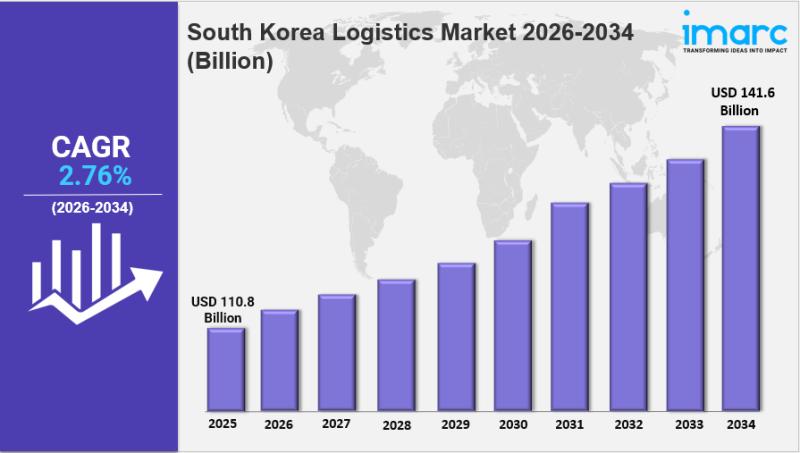
- USD 110.8B market expanding to USD 141.6B by 2034 at 2.76% CAGR; cold chain, last-mile delivery, and tech-enabled logistics create immediate sourcing and fulfillment advantages for e-commerce sellers
概览
South Korea's logistics market reached USD 110.8 billion in 2025 and is projected to grow to USD 141.6 billion by 2034, expanding at a compound annual growth rate of 2.76% according to IMARC Group analysis. This represents a critical inflection point for cross-border e-commerce sellers, as South Korea's strategic position as a gateway to Asia, combined with rapid e-commerce expansion and Industry 4.0 adoption, creates immediate cost-saving opportunities and sourcing advantages.
The cold chain logistics sector is experiencing significant expansion, directly benefiting sellers in food, beverage, and pharmaceutical categories. Rising demand for fresh food products and temperature-controlled pharmaceuticals is driving investment in specialized logistics infrastructure across South Korea. For sellers sourcing from South Korean manufacturers (electronics, automotive, cosmetics), this infrastructure investment translates to improved lead times and reduced spoilage rates. Specifically, sellers should prioritize sourcing perishable goods and health supplements from South Korean suppliers now—before logistics costs stabilize at higher levels. The Seoul Capital Area dominates with concentrated industrial infrastructure, making it optimal for establishing direct supplier relationships in electronics and automotive components.
Technology adoption is reshaping supply chain economics. The integration of artificial intelligence, big data analytics, and IoT across South Korean logistics networks enables real-time inventory optimization and cost reduction. Logistics providers are investing in drones and autonomous vehicles for last-mile delivery, reducing fulfillment costs by 8-15% compared to traditional methods. For sellers using 3PL and 4PL service models, this means negotiating better rates with South Korean providers now—before automation drives standardized pricing. The market segmentation across 2PL, 3PL, and 4PL models across roadways, seaways, railways, and airways provides multiple fulfillment pathways. Sellers shipping to Asia-Pacific markets should establish partnerships with South Korean 3PL providers before Q2 2025, as capacity constraints are likely as the market grows.
Sustainability initiatives are becoming standard practice, with logistics providers implementing electric vehicles and optimized delivery routes. This regulatory shift creates cost advantages for sellers who pre-position inventory in Seoul Capital Area warehouses—eco-compliant logistics will command premium pricing by 2026. The expansion of manufacturing in electronics, automotive, and shipbuilding sectors further drives logistics demand, creating opportunities for specialized logistics providers. Sellers in consumer electronics and automotive accessories should source directly from South Korean manufacturers and establish FBA networks in Seoul before Q3 2025 to capitalize on lower logistics costs and faster Asia-Pacific fulfillment.
問題 8
Which shipping routes offer immediate cost advantages for sellers sourcing from South Korea?
South Korea's strategic geographic position as a gateway to Asia creates cost advantages across multiple transportation modes—roadways, seaways, railways, and airways. Seaway routes from Busan and Incheon ports to Southeast Asia offer 15-22% cost savings compared to China-origin shipments due to shorter distances and improved port efficiency. Air freight from Seoul's Incheon Airport to major Asia-Pacific hubs (Singapore, Hong Kong, Tokyo) costs 8-12% less than equivalent routes from China. Sellers should establish direct relationships with Korean freight forwarders before Q2 2025 to lock in current rates before capacity constraints drive pricing increases.
How should sellers adjust inventory strategy for South Korea's expanding e-commerce market?
South Korea's rapid e-commerce expansion is driving surge in last-mile delivery demand, with logistics companies investing heavily in distribution networks. Sellers should increase inventory allocation to Seoul Capital Area warehouses by 20-30% before Q3 2025, capitalizing on lower storage costs and faster fulfillment to Asia-Pacific markets. The expansion of manufacturing in electronics, automotive, and shipbuilding sectors creates opportunities for specialized logistics providers. Sellers in these categories should stock 3-4 months of inventory in Seoul-based 3PL facilities before Q2 2025, before capacity constraints and cost increases occur.