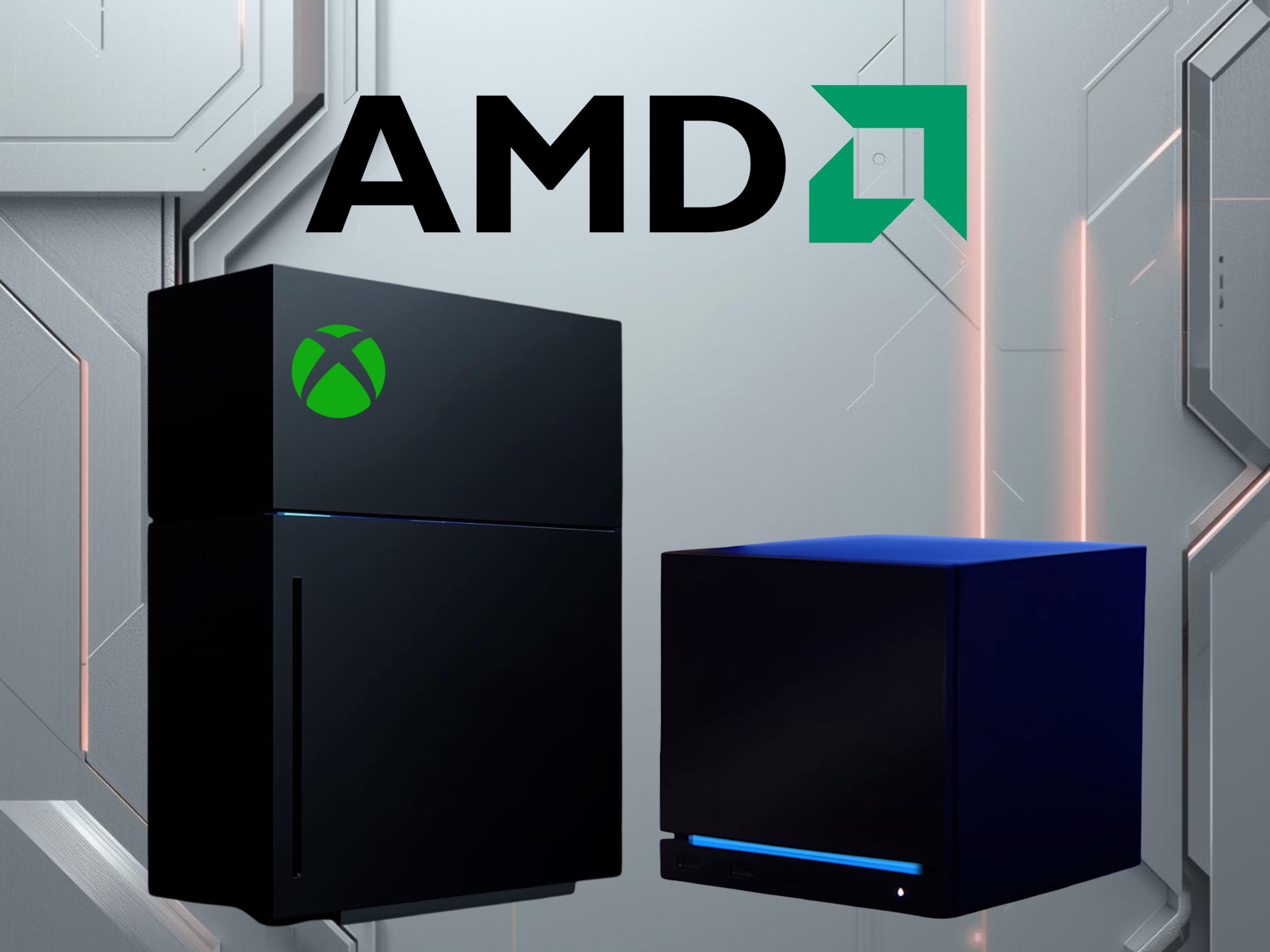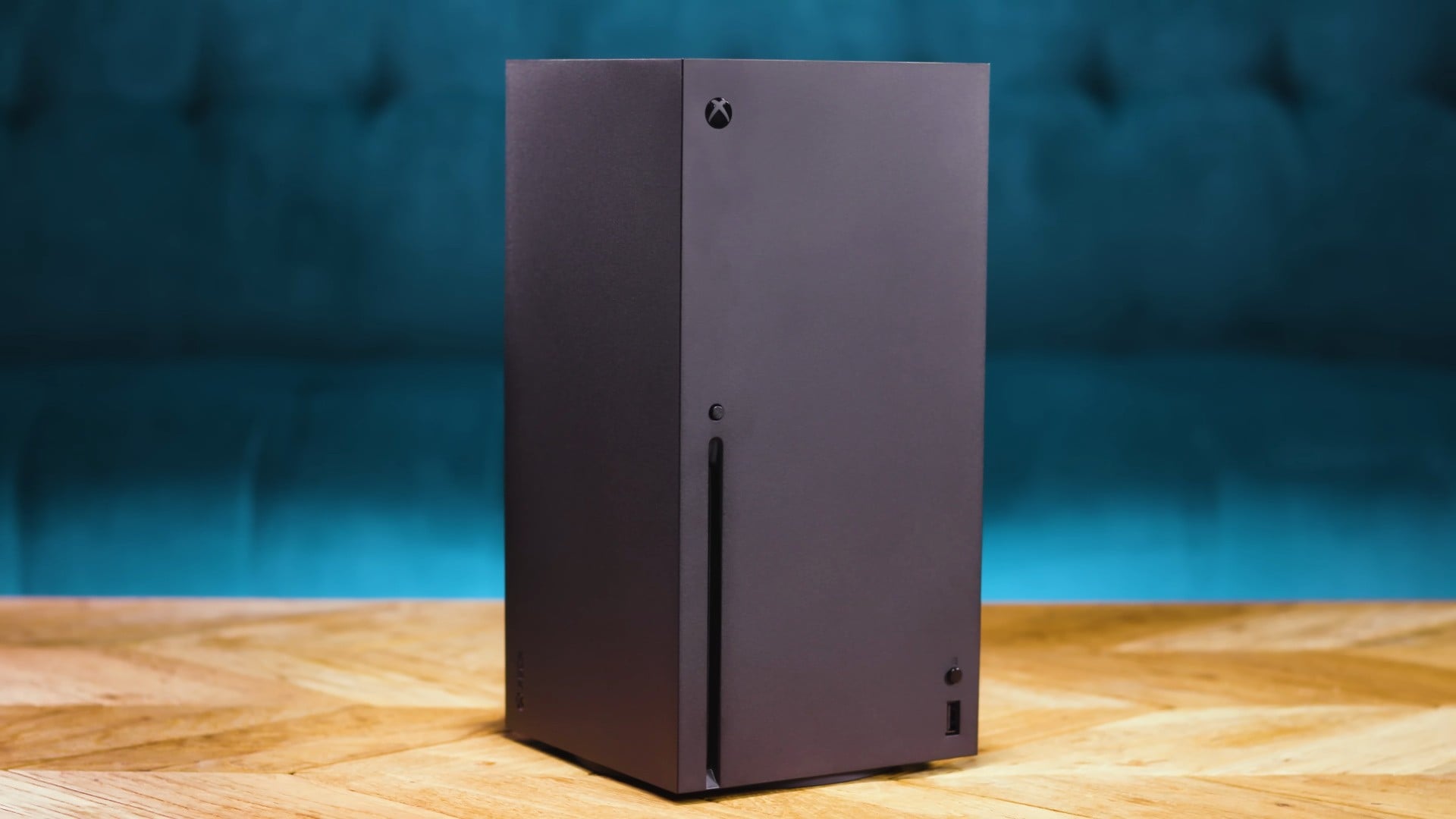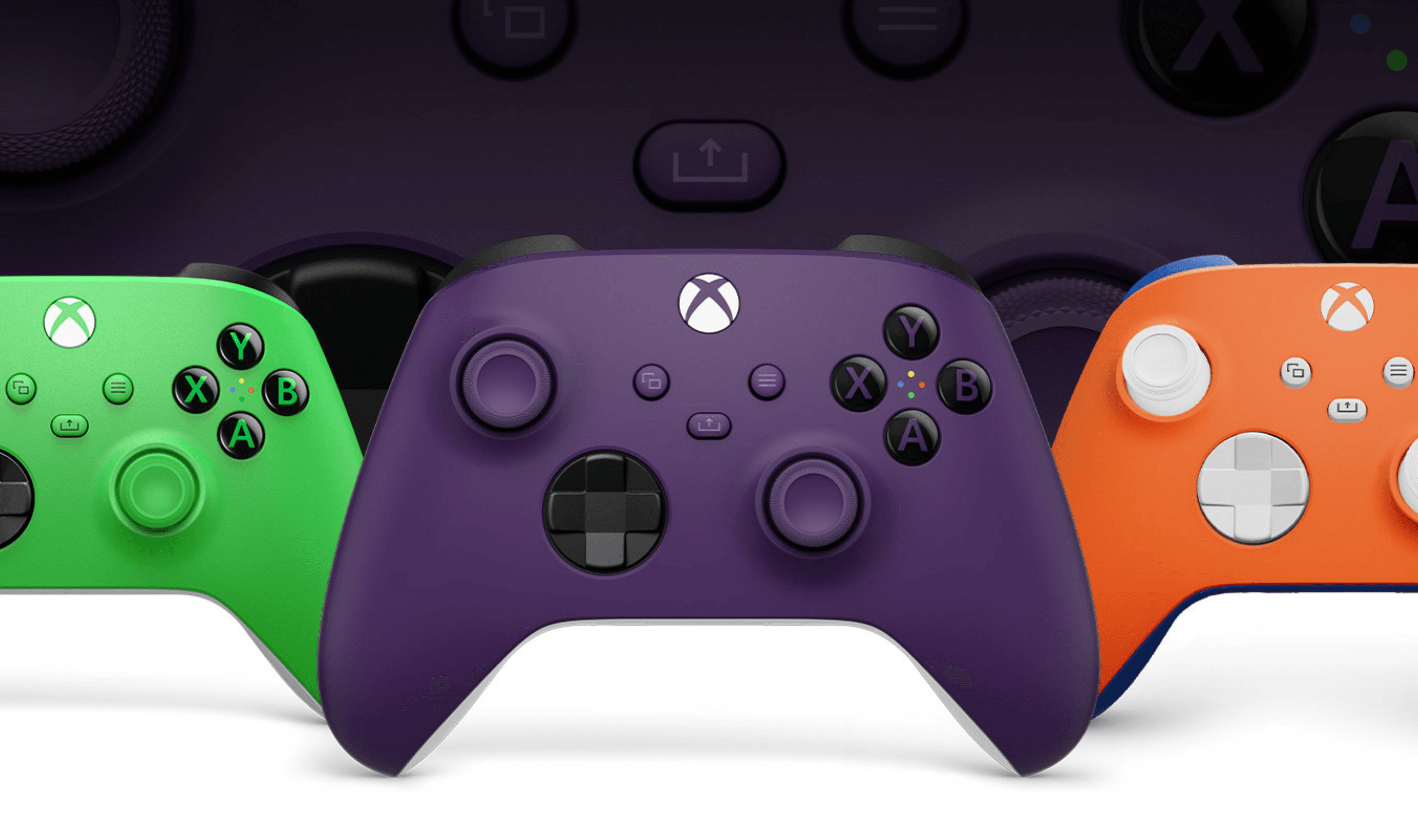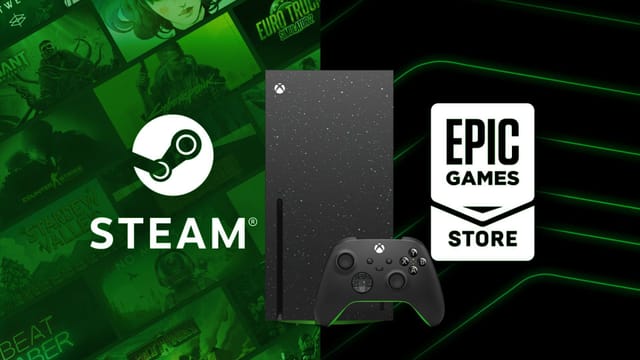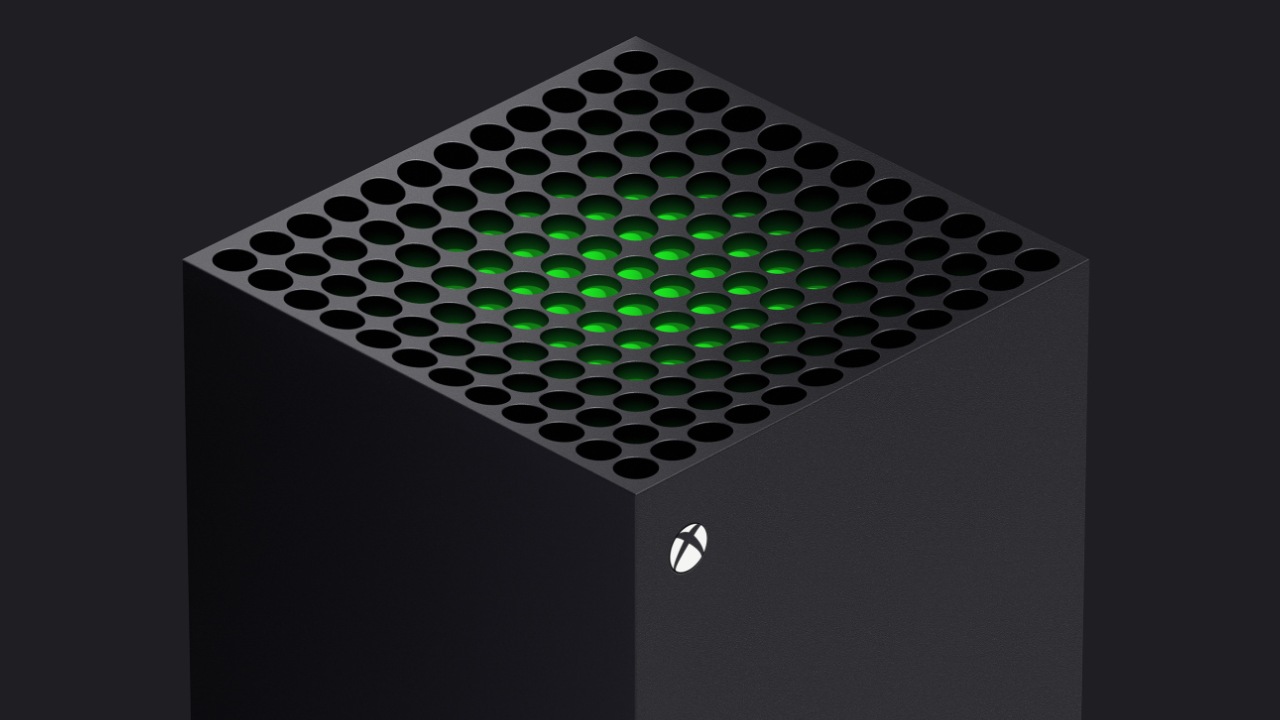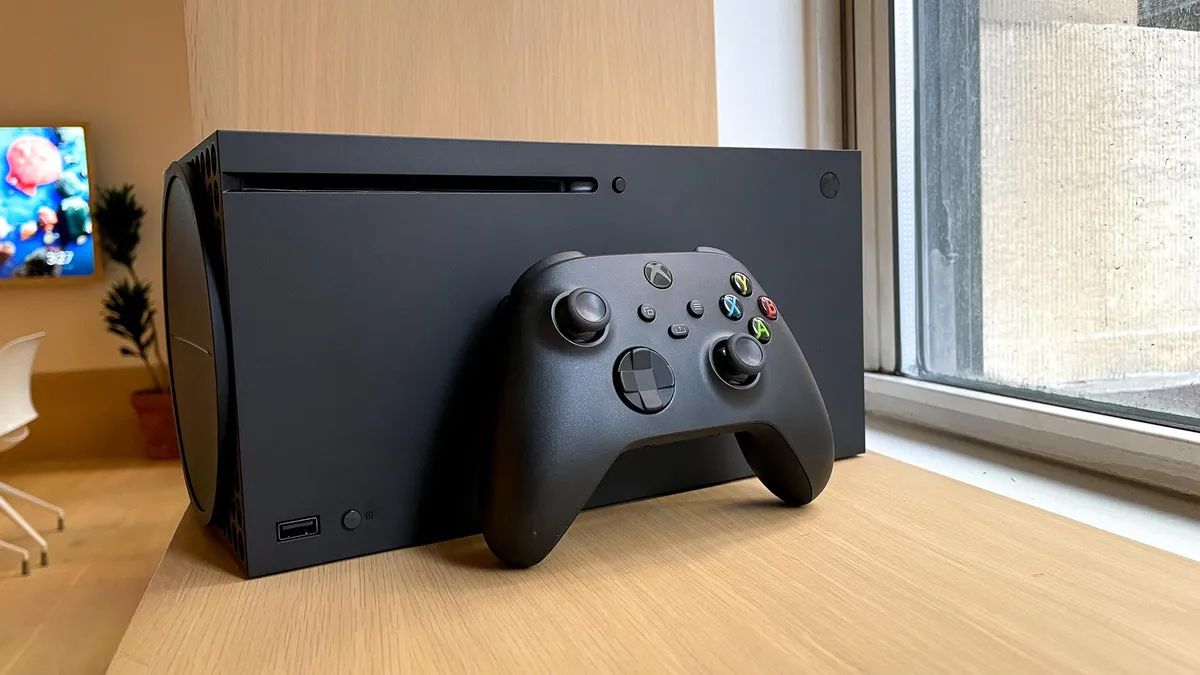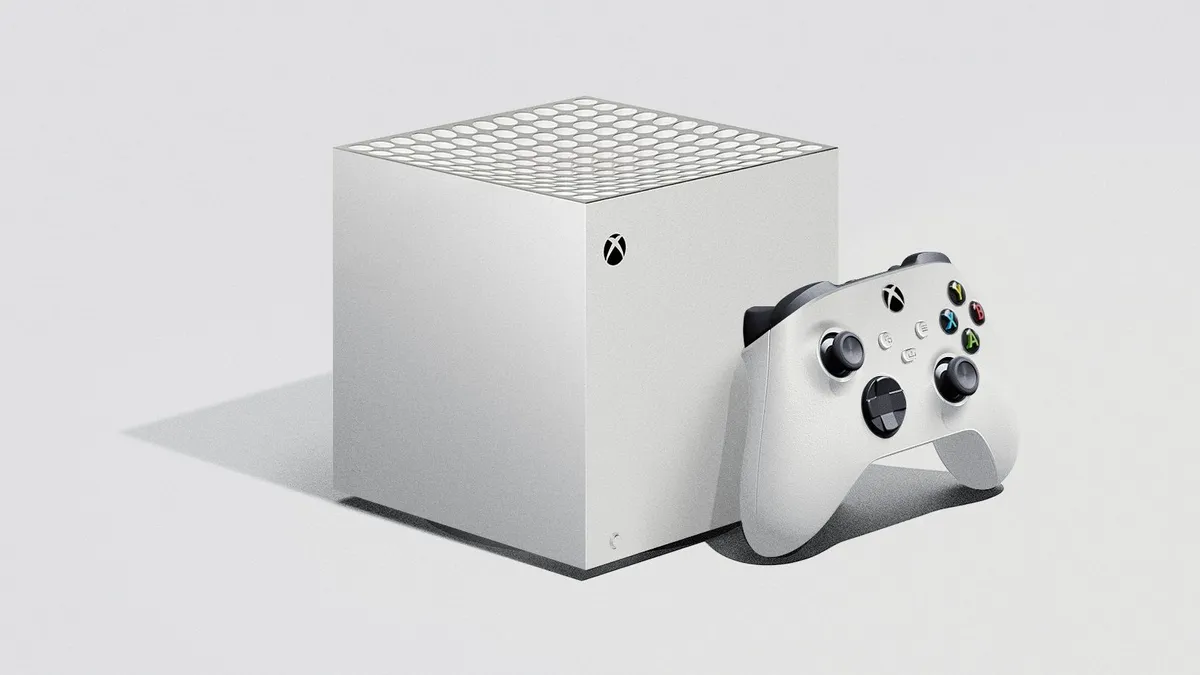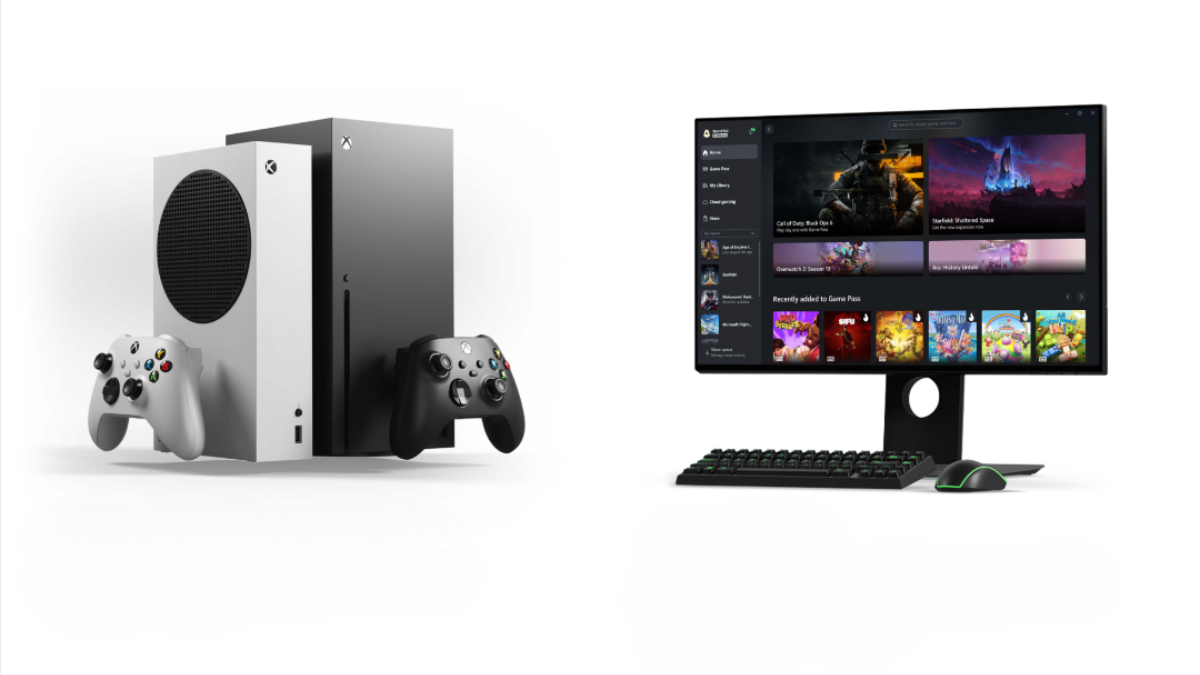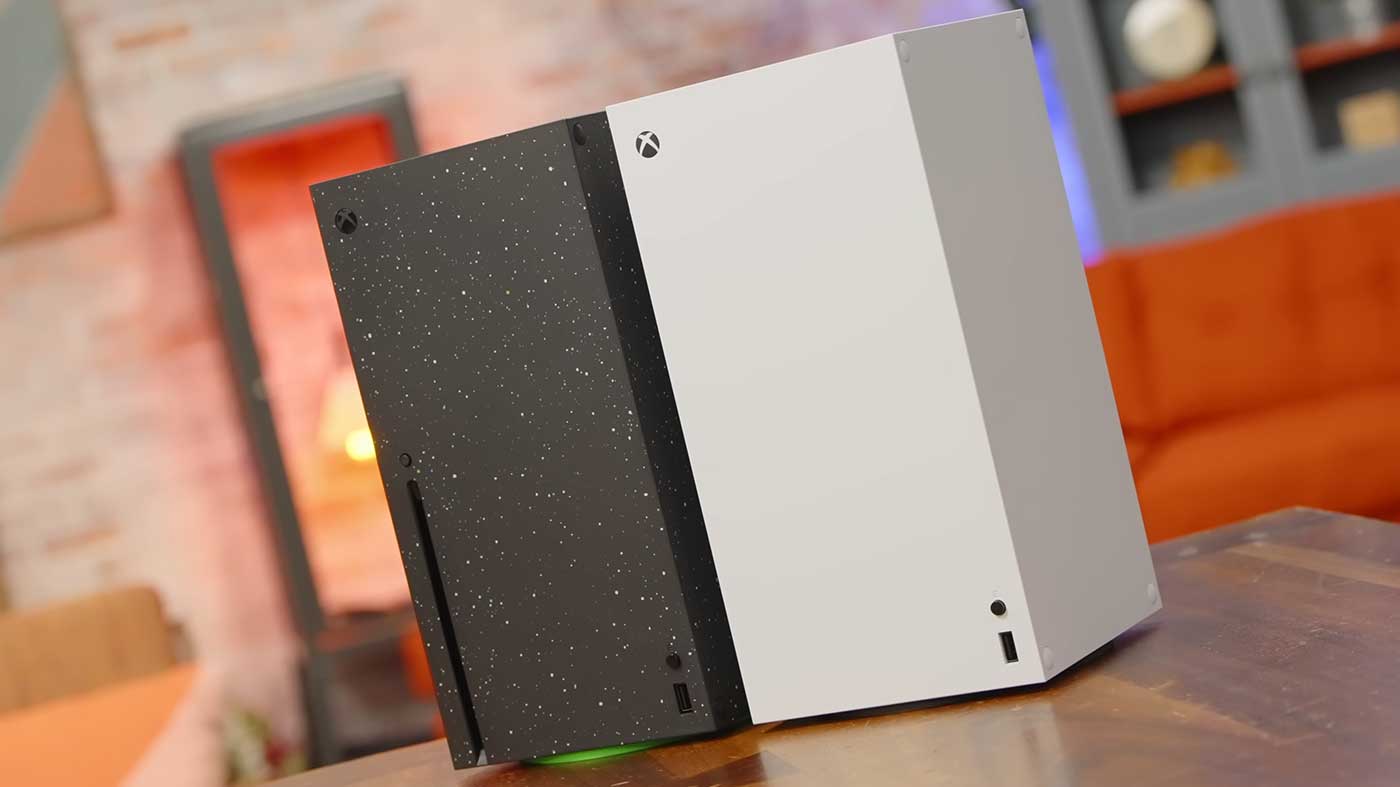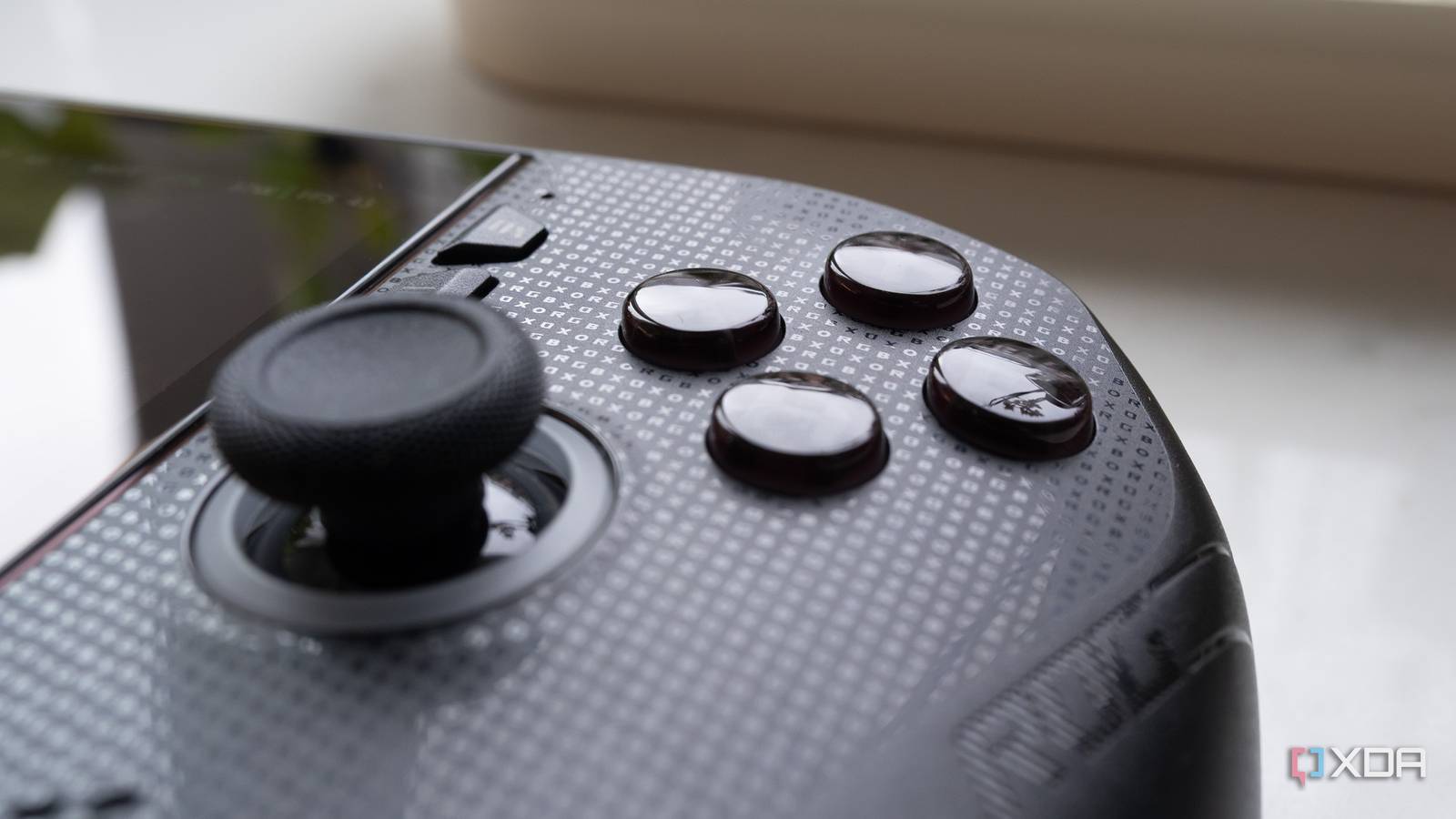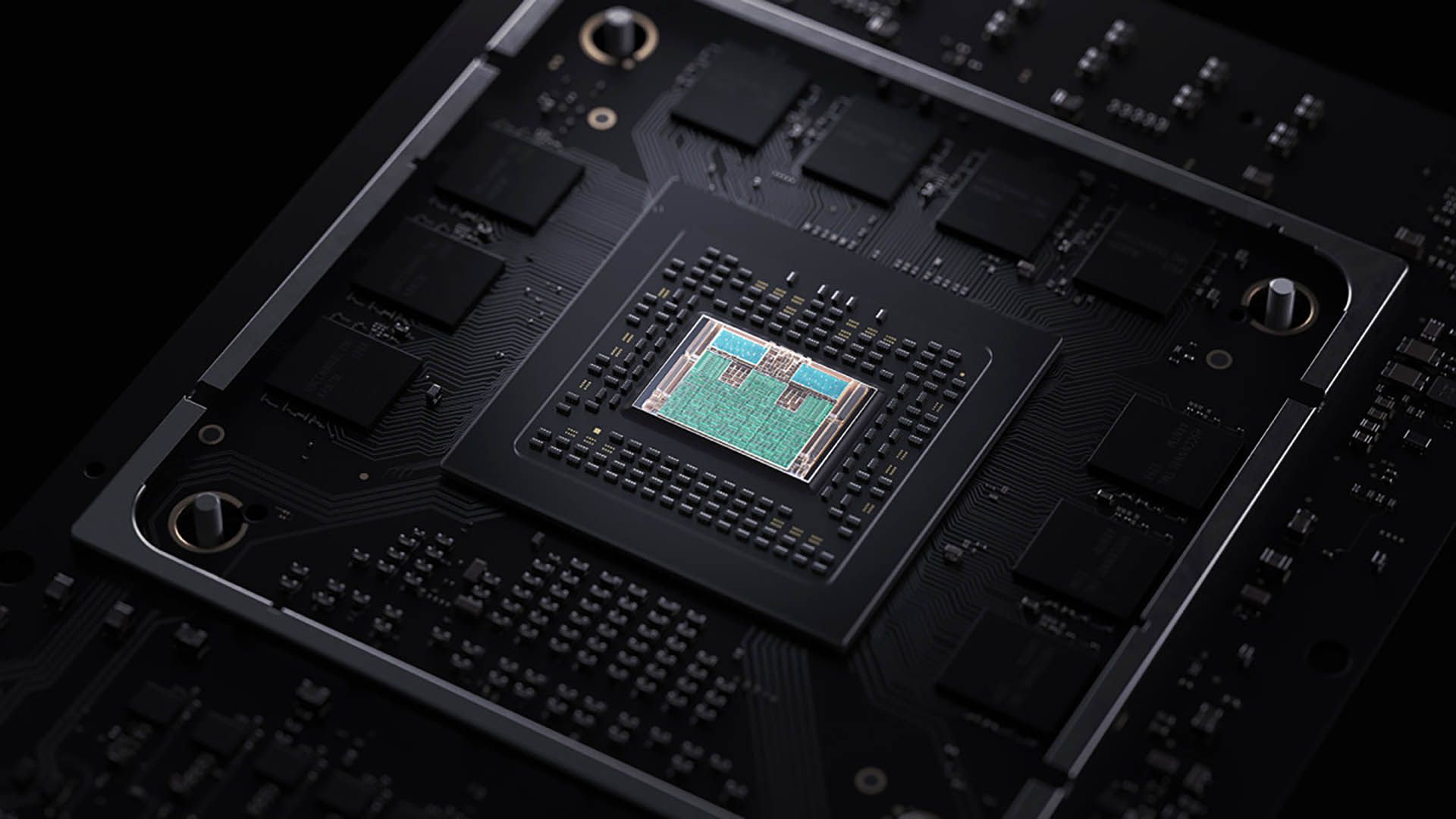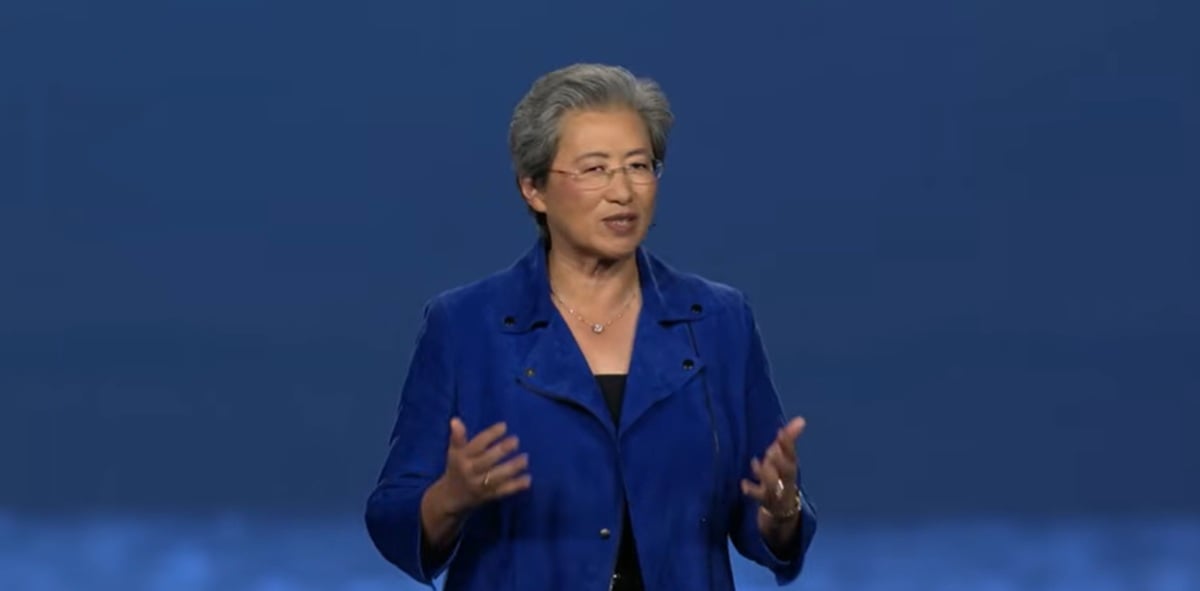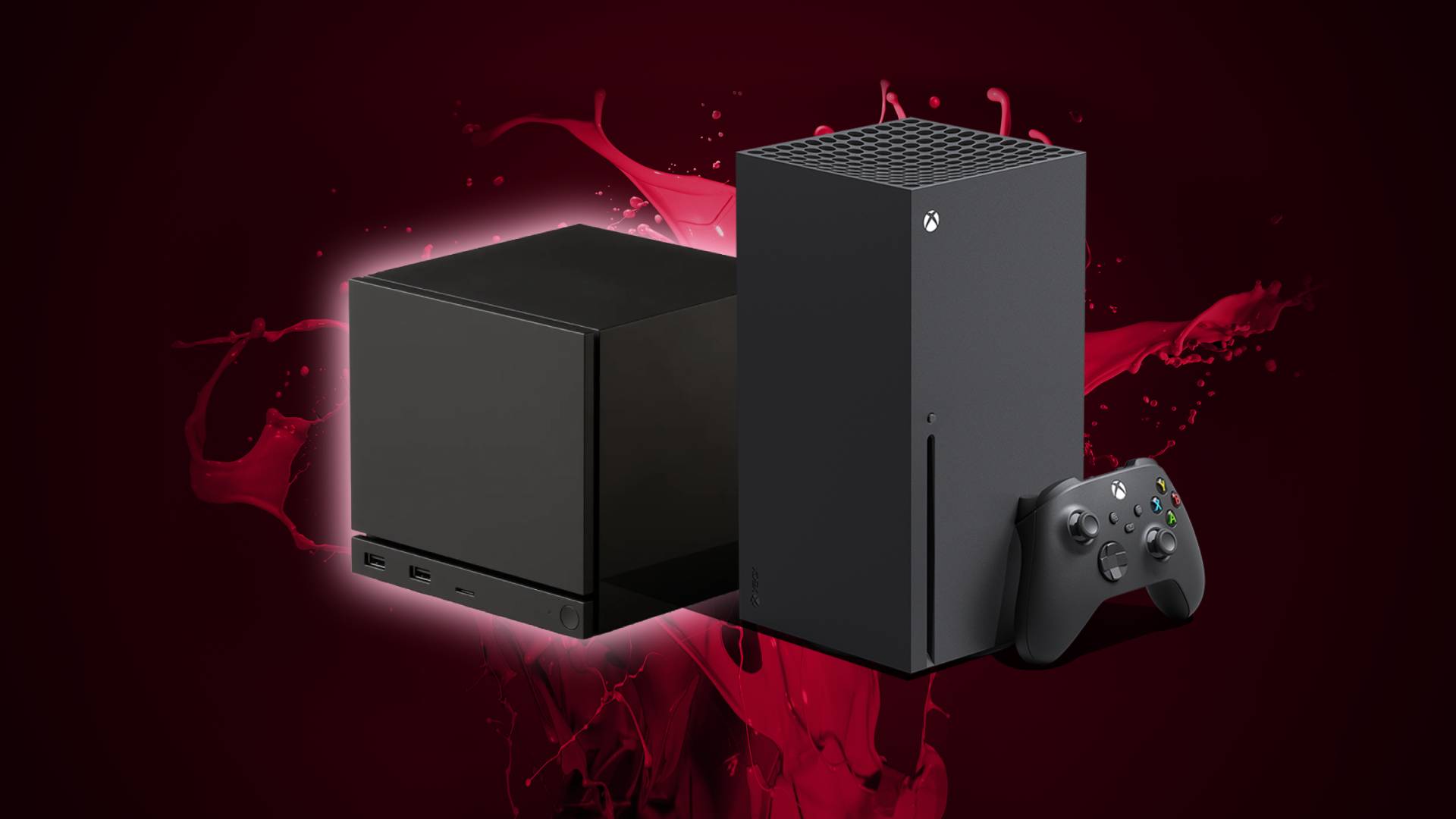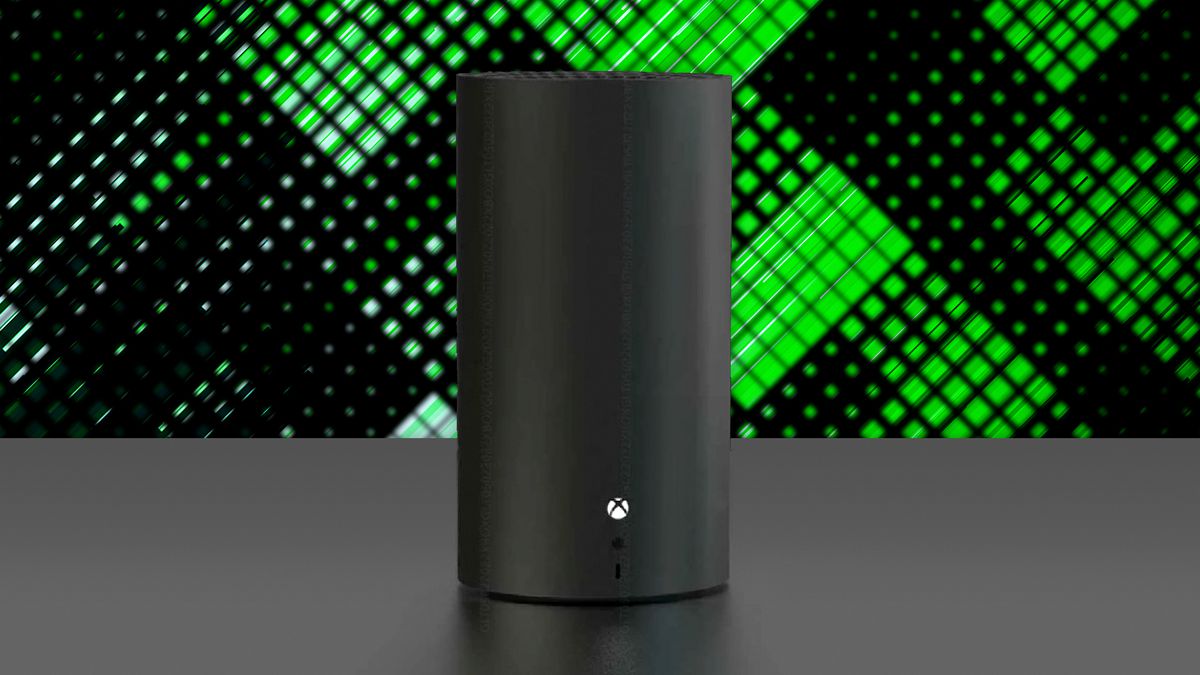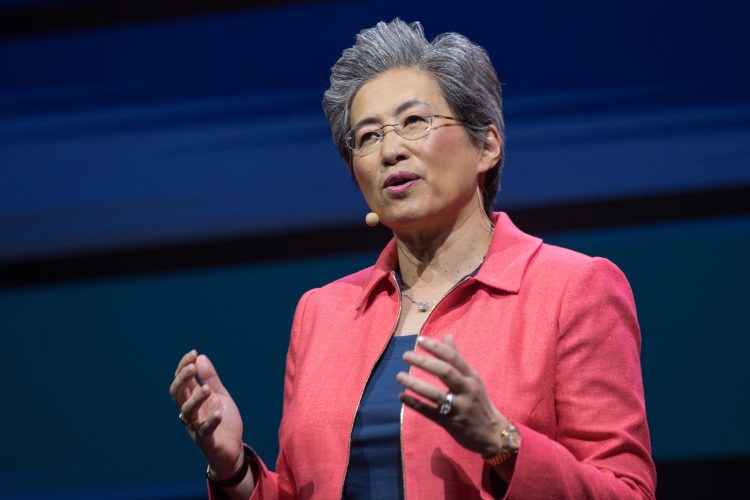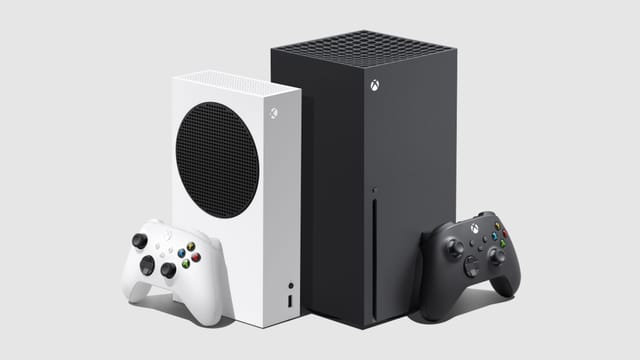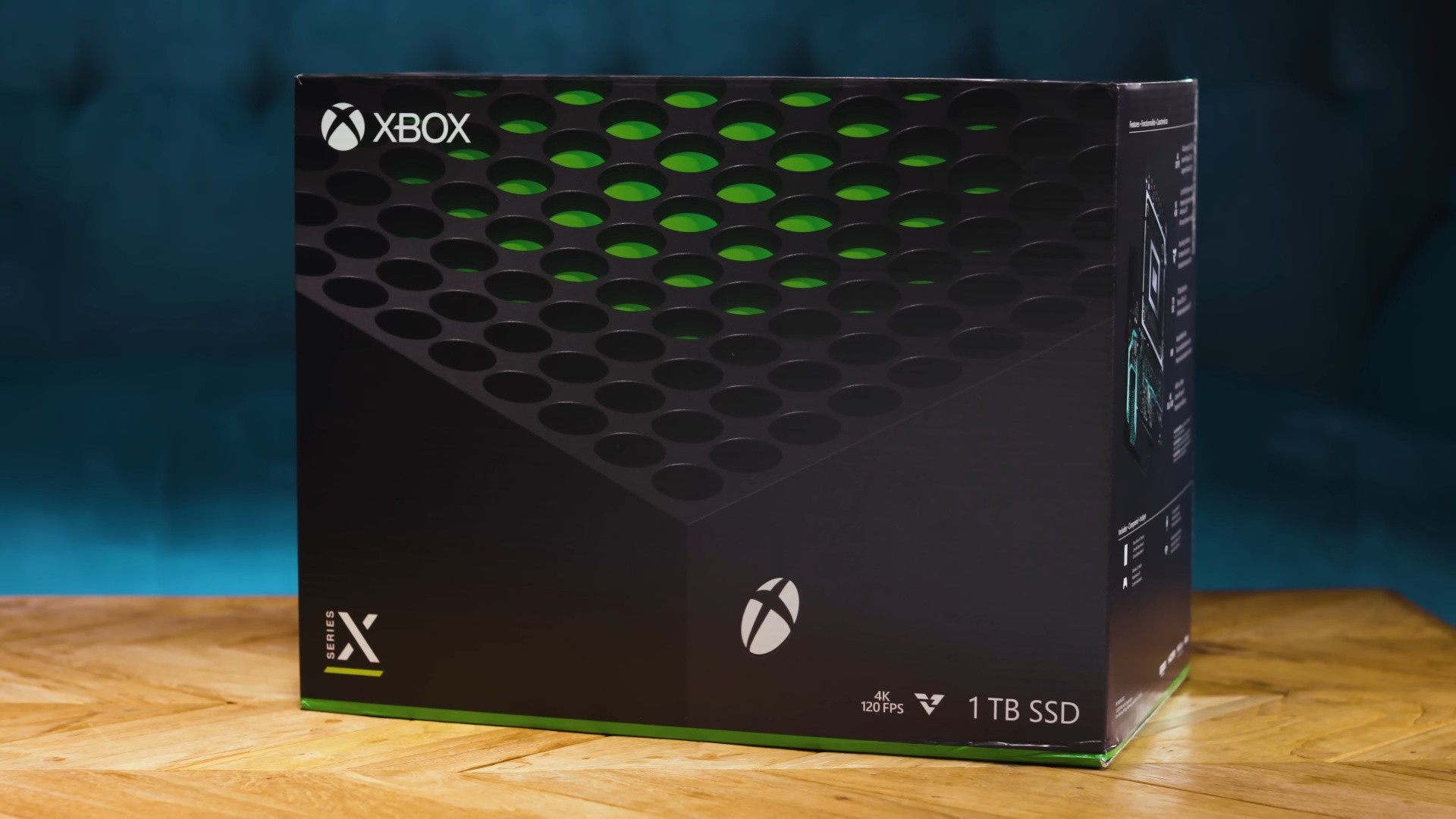
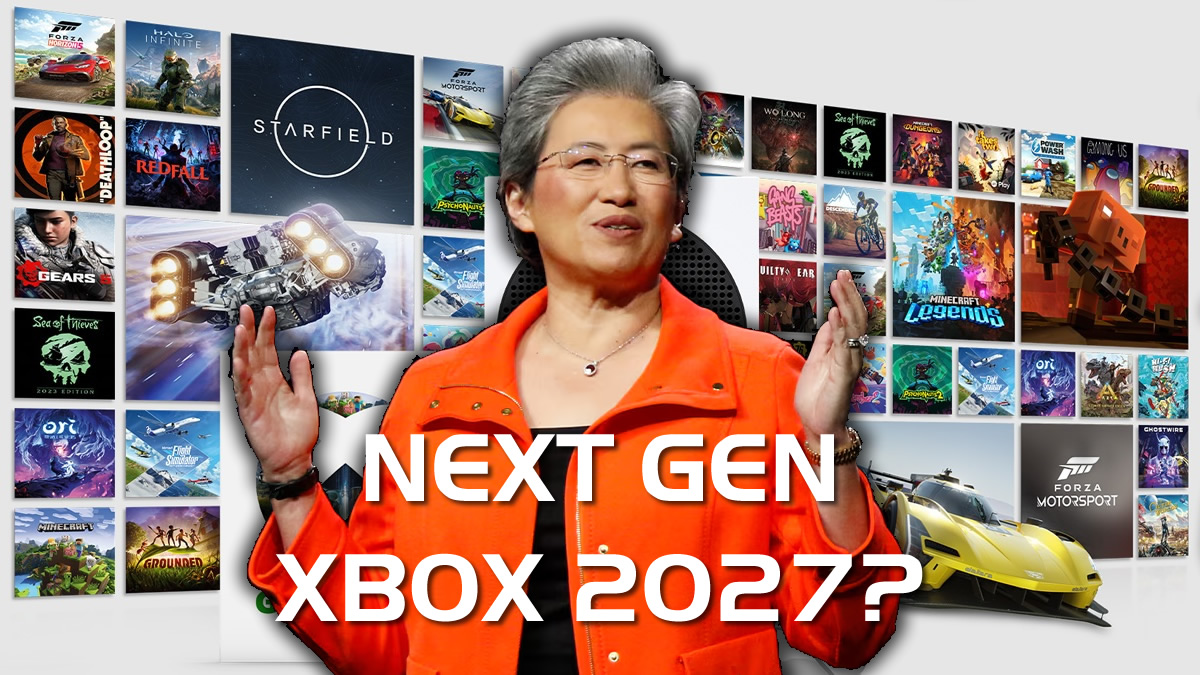
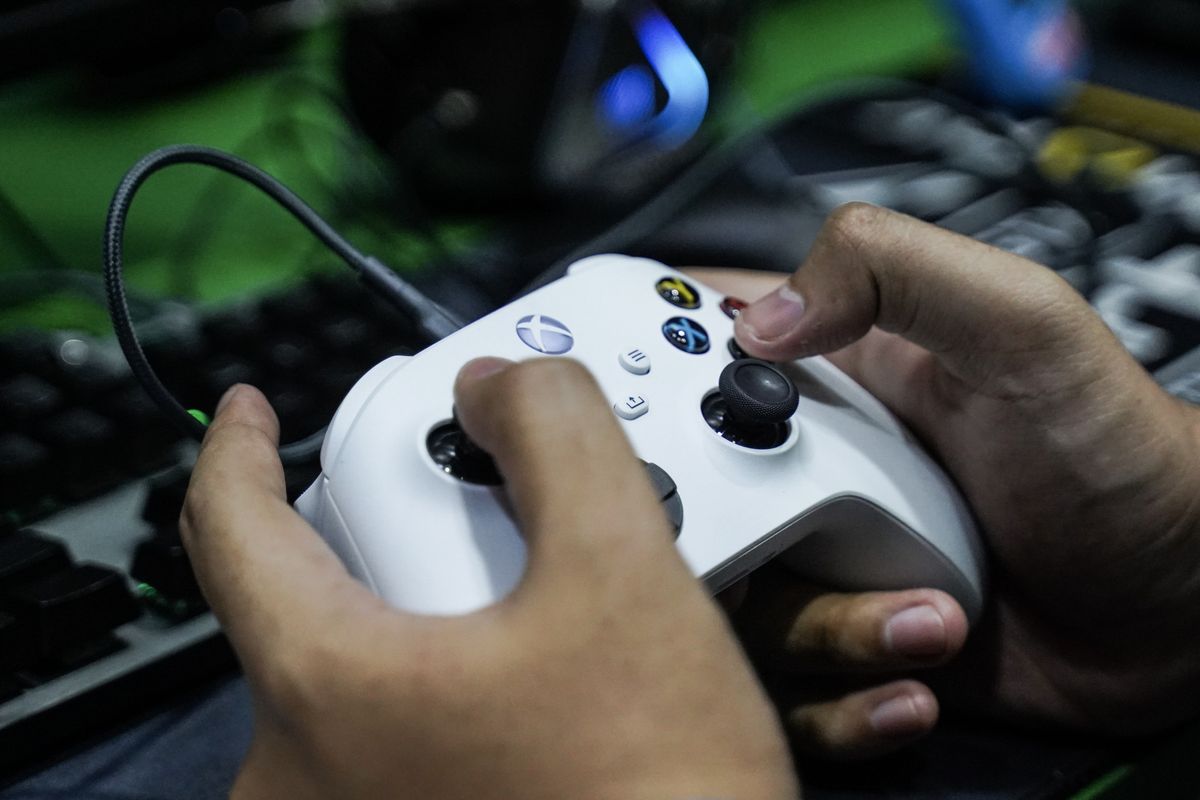
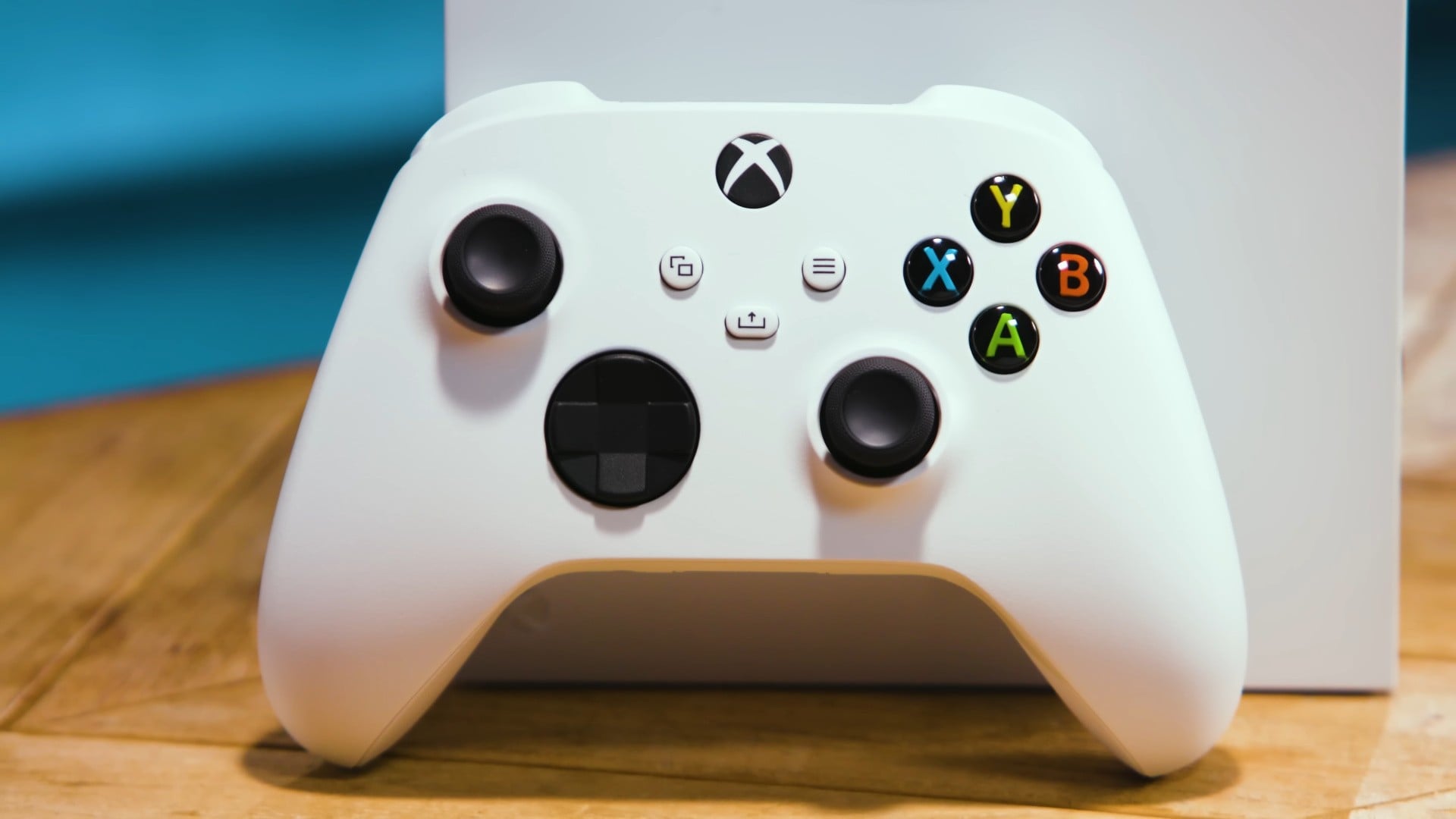
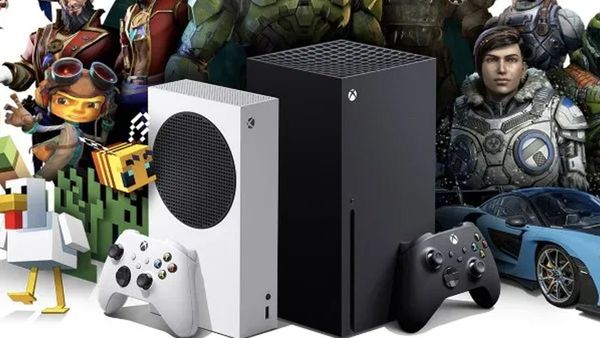


AMD CEO Lisa Su's February 3, 2026 earnings call announcement that the company's semi-custom System-on-Chip (SoC) is ready to support a next-generation Xbox launch in 2027 represents a critical market inflection point for cross-border e-commerce sellers in gaming hardware and accessories. This timeline—approximately 6.5 years after the November 2020 Xbox Series X/S launch—aligns with typical console generation cycles and signals Microsoft's commitment to a premium, hybrid console-PC experience combining living room gaming with portable and cloud-based options.
For e-commerce sellers, this announcement creates a 12-18 month pre-launch window (2025-2026) for strategic inventory positioning. Industry analysts expect hardware specification announcements 12-18 months before launch, meaning detailed technical information should emerge by mid-2025 to early 2026. This timeline directly impacts sellers across multiple product categories: gaming controllers and accessories, protective cases and stands, charging solutions, headsets, and third-party peripherals compatible with next-gen architecture. The partnership between Microsoft and AMD extends beyond console hardware to include next-generation cloud gaming infrastructure, suggesting ecosystem-wide demand for compatible devices and accessories.
Market opportunity quantification: Console generation launches historically trigger 40-60% spikes in compatible accessory sales during the 6-month post-launch window. With Xbox Series X/S having generated approximately $2-3B in annual accessory sales at peak, the next-generation launch could drive $8-12B in cumulative peripheral demand through 2028. Sellers specializing in gaming products on Amazon, eBay, and specialized gaming retailers should monitor this timeline for inventory planning and market positioning. The announcement also signals AMD's continued dominance in custom gaming processor design, potentially affecting competitive dynamics for gaming hardware manufacturers and creating opportunities for sellers to differentiate through exclusive or early-access product offerings.
Immediate seller implications: Sellers should begin researching backward-compatible accessory opportunities (controllers, charging docks, storage solutions) that may work across current and next-generation consoles, similar to patterns observed during Xbox One to Series X/S transition. The 2027 launch window provides adequate time for developers to optimize games and software, which historically drives consumer upgrade cycles and accessory replacement demand. Sellers positioned in gaming peripherals, protective equipment, and cloud gaming-compatible devices should prepare inventory strategies for Q4 2027 through Q2 2028 peak demand periods.
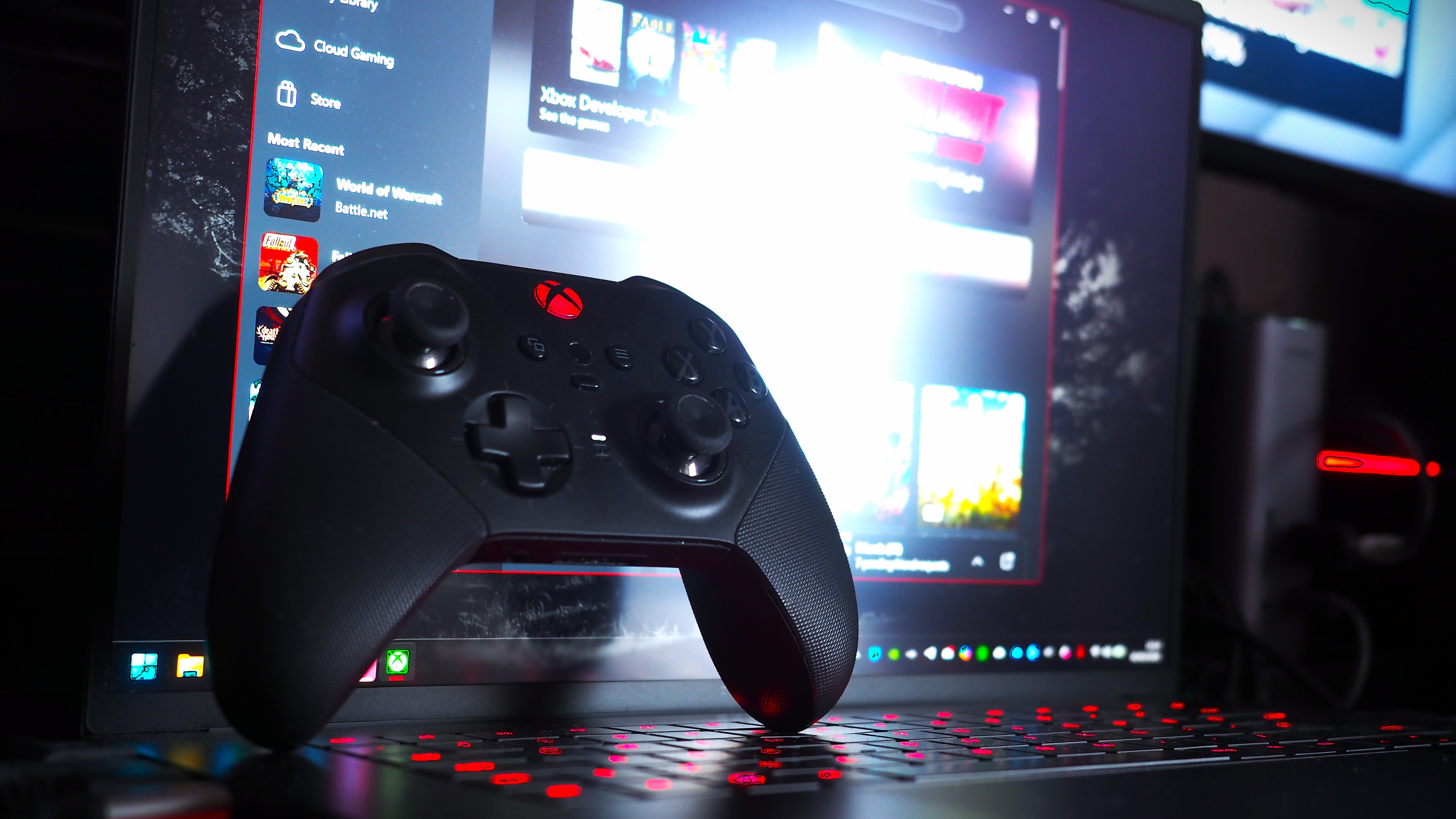
Both Microsoft and Sony have confirmed AMD partnerships for next-generation consoles, with industry insiders suggesting both could launch in 2027, though some analysts believe PlayStation 6 may arrive later. If both consoles launch within 6-12 months of each other, sellers should prepare cross-platform accessory strategies that work with both ecosystems. However, if PlayStation 6 launches significantly later (2028), Xbox accessories will dominate 2027-2028 market share. Sellers should monitor Sony's official announcements and industry reports for PlayStation 6 timing, as this will determine whether to focus exclusively on Xbox accessories or develop dual-platform strategies. The staggered launch scenario (Xbox 2027, PlayStation 2028) creates a 12-month window where Xbox accessories face minimal competitive pressure from PlayStation-specific products.
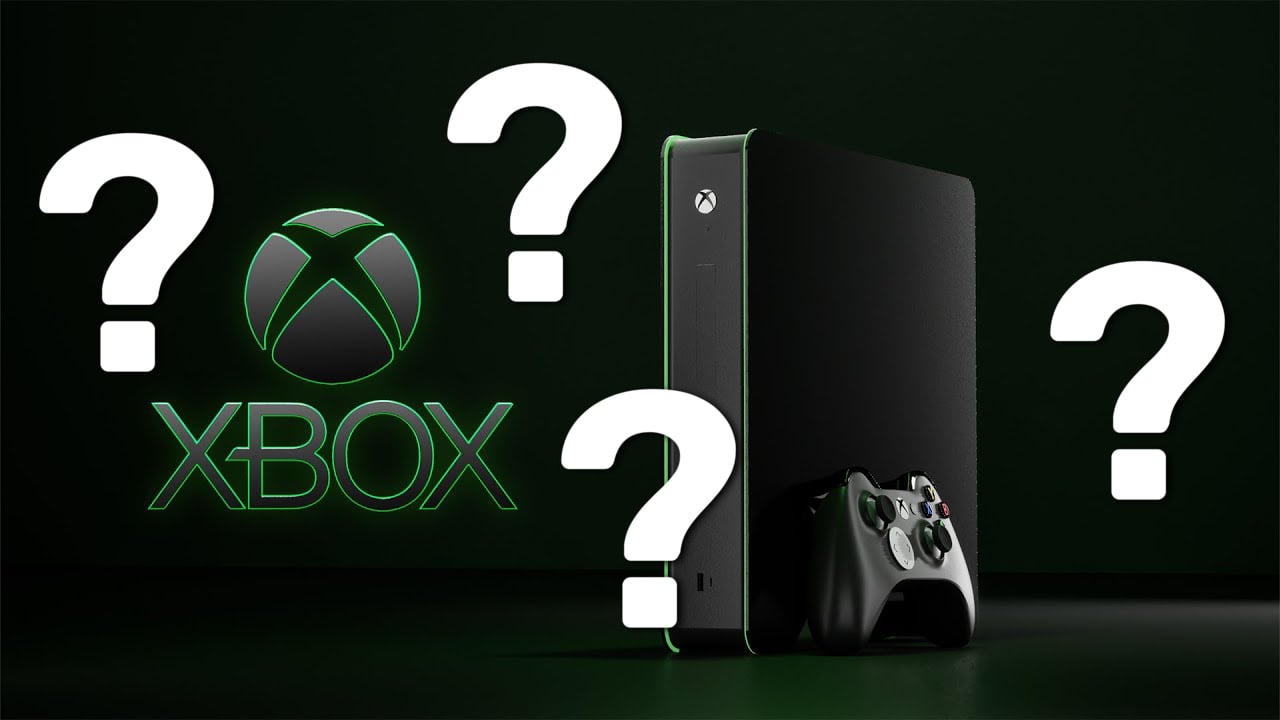
AMD confirmed on February 3, 2026 that its semi-custom SoC is ready to support a 2027 Xbox launch, making this the most concrete timeline to date. The 2027 launch window—approximately 6.5 years after Xbox Series X/S (November 2020)—aligns with typical 6-7 year console generation cycles. For sellers on **Amazon, eBay, and specialized gaming retailers**, this creates a 12-18 month pre-launch window (2025-2026) to prepare inventory strategies. Hardware specification announcements typically occur 12-18 months before launch, meaning detailed technical information should emerge by mid-2025 to early 2026. Sellers should begin researching backward-compatible accessories and positioning inventory for Q4 2027 through Q2 2028 peak demand periods, when console generation launches historically trigger 40-60% spikes in compatible accessory sales.
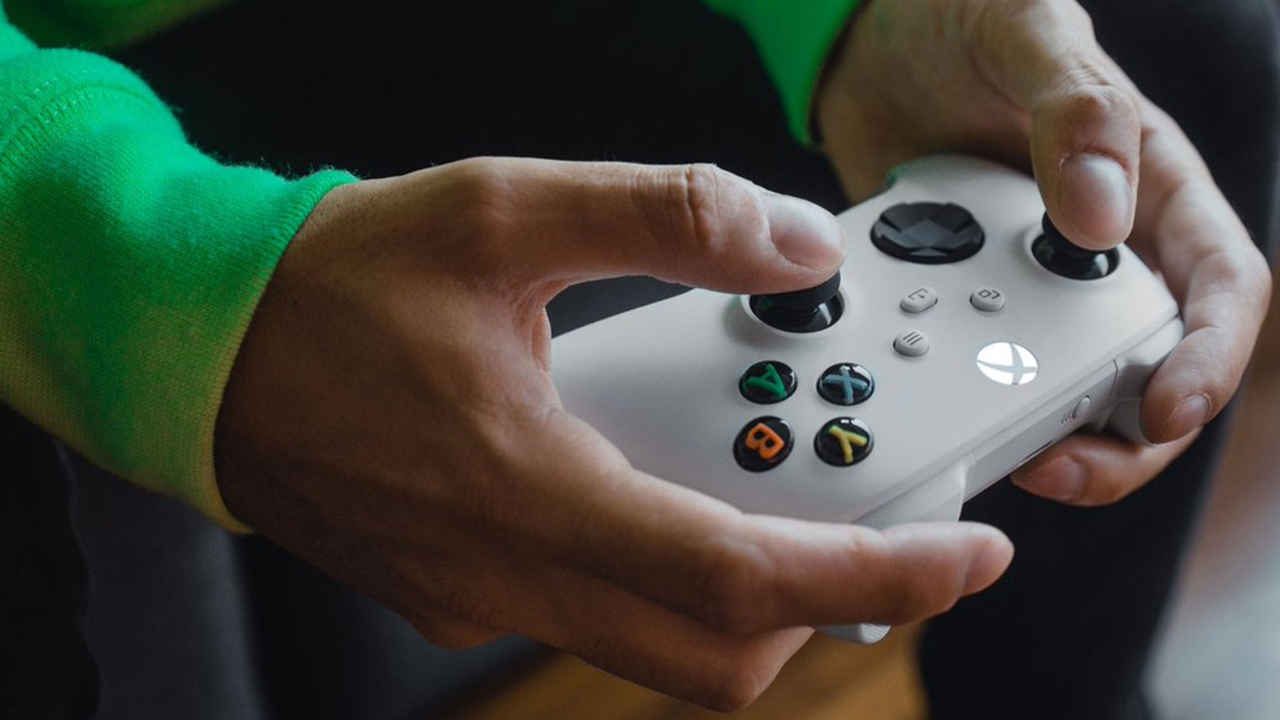
The next-generation Xbox's hybrid console-PC experience and cloud gaming infrastructure will drive demand across multiple accessory categories: gaming controllers and next-gen compatible peripherals, protective cases and stands, charging solutions and power management devices, wireless headsets and audio equipment, and cloud gaming-compatible devices. Xbox Series X/S generated approximately $2-3B in annual accessory sales at peak, suggesting the next-generation launch could drive $8-12B in cumulative peripheral demand through 2028. Sellers should prioritize inventory in categories showing 40-60% historical growth during console transitions. The announcement also signals opportunities for exclusive or early-access product offerings, particularly for sellers who can source or develop accessories optimized for the new hardware's enhanced processing power and graphics capabilities.
Sellers should implement a three-phase inventory strategy: (1) **Research Phase (Now-Mid 2025)**: Monitor AMD and Microsoft announcements for hardware specifications; research backward-compatible accessories that may work across current and next-generation consoles; analyze competitor positioning on Amazon and eBay. (2) **Positioning Phase (Mid 2025-Early 2026)**: Begin sourcing inventory for high-demand categories (controllers, cases, charging solutions); establish supplier relationships with 6-9 month lead times; test market demand with current-generation compatible products. (3) **Launch Phase (Q4 2027-Q2 2028)**: Execute peak inventory deployment; leverage pre-launch marketing to capture early adopter demand; prepare for 40-60% sales volume increases typical of console generation launches. Cross-border sellers should account for 4-8 week shipping times and plan inventory positioning 8-12 weeks before anticipated Q4 2027 launch window.
AMD's confirmation that its semi-custom System-on-Chip is ready to support 2027 launch signals that Microsoft's next-generation console development is on track and hardware specifications are sufficiently advanced. This reduces uncertainty around launch timing and allows sellers to make confident inventory commitments. The SoC represents continuation of AMD's partnership with Microsoft since Xbox One era, indicating stability in processor architecture and design. For sellers, this means: (1) Hardware specifications will likely be announced 12-18 months before launch (mid-2025 to early 2026), enabling informed accessory development; (2) Developers will have adequate time to optimize games and software, driving consumer upgrade cycles; (3) The partnership extends to cloud gaming infrastructure, creating opportunities for sellers in cloud-compatible devices and services. Sellers should view this announcement as a green light to begin serious inventory planning and supplier negotiations.
The 2027 launch represents a standard 6.5-year cycle from Xbox Series X/S (November 2020), aligning with industry norms of 6-7 years between major console releases. This is consistent with historical patterns: Xbox 360 (2005) to Xbox One (2013) = 8 years; Xbox One (2013) to Series X/S (2020) = 7 years. The predictable timeline allows sellers to plan with confidence. Previous console transitions show: (1) 12-18 month pre-launch specification announcement window; (2) 40-60% accessory sales spikes during 6-month post-launch period; (3) 2-3 year sustained demand for compatible peripherals before market stabilization. Sellers who successfully navigated Xbox One to Series X/S transition (2019-2021) should apply similar strategies: early inventory positioning, focus on backward-compatible products, and aggressive marketing during Q4 launch window. The 2027 timeline provides more advance notice than typical, giving sellers competitive advantage for inventory planning.
**Opportunities:** (1) $8-12B cumulative peripheral demand through 2028; (2) 40-60% historical sales spikes during console launches; (3) 12-18 month pre-launch window for inventory positioning; (4) Hybrid console-PC experience creates new accessory categories (cloud gaming devices, cross-platform controllers); (5) Early movers can capture market share through exclusive or optimized products. **Risks:** (1) Inventory obsolescence if specifications differ from expectations; (2) Competitive saturation as major retailers (Amazon, eBay) prioritize gaming category; (3) Supply chain delays if sourcing from Asia-Pacific regions (4-8 week shipping); (4) Price compression as market matures post-launch; (5) Backward compatibility uncertainty—not all current-generation accessories may work with next-gen hardware. **Mitigation:** Start with backward-compatible products; maintain flexible supplier relationships; monitor specification announcements closely; diversify across multiple accessory categories; plan for 8-12 week inventory lead times before Q4 2027 launch.
**Amazon** remains the primary platform for gaming accessories, with dedicated gaming category infrastructure and Buy Box optimization tools. Sellers should prepare FBA inventory strategies with 8-12 week lead times before Q4 2027. **eBay** offers strong auction and fixed-price options for collectible and premium accessories, with lower competition in niche categories. **Specialized gaming retailers** (Best Buy, GameStop, Newegg) provide B2B wholesale opportunities for bulk accessory orders. **Regional platforms** vary by geography: Amazon EU for European sellers, Amazon Japan for Asia-Pacific distribution. Cross-border sellers should prioritize: (1) Multi-platform presence (Amazon + eBay minimum); (2) FBA enrollment for Prime eligibility; (3) Inventory positioning 8-12 weeks before launch; (4) Category optimization for gaming accessories BSR (Best Seller Rank) tracking. The 2027 launch will likely trigger platform-wide promotional events (Black Friday 2027, holiday season), requiring sellers to plan inventory and PPC budgets accordingly.
Both Microsoft and Sony have confirmed AMD partnerships for next-generation consoles, with industry insiders suggesting both could launch in 2027, though some analysts believe PlayStation 6 may arrive later. If both consoles launch within 6-12 months of each other, sellers should prepare cross-platform accessory strategies that work with both ecosystems. However, if PlayStation 6 launches significantly later (2028), Xbox accessories will dominate 2027-2028 market share. Sellers should monitor Sony's official announcements and industry reports for PlayStation 6 timing, as this will determine whether to focus exclusively on Xbox accessories or develop dual-platform strategies. The staggered launch scenario (Xbox 2027, PlayStation 2028) creates a 12-month window where Xbox accessories face minimal competitive pressure from PlayStation-specific products.
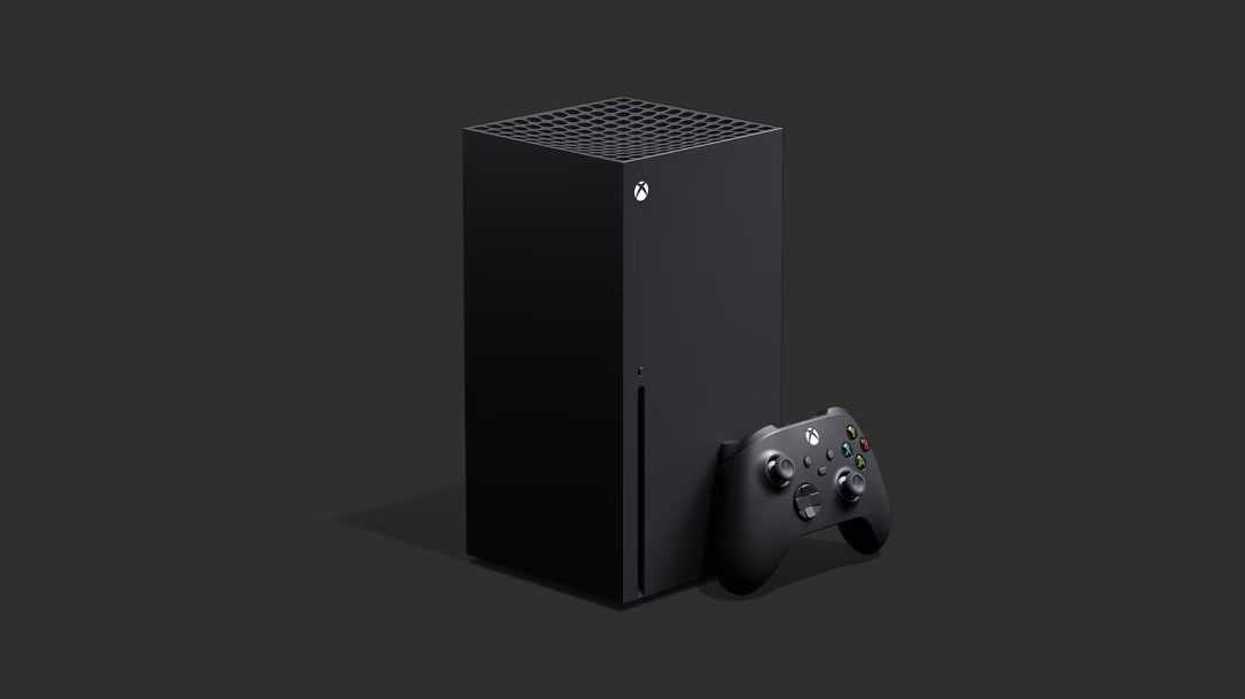
AMD confirmed on February 3, 2026 that its semi-custom SoC is ready to support a 2027 Xbox launch, making this the most concrete timeline to date. The 2027 launch window—approximately 6.5 years after Xbox Series X/S (November 2020)—aligns with typical 6-7 year console generation cycles. For sellers on **Amazon, eBay, and specialized gaming retailers**, this creates a 12-18 month pre-launch window (2025-2026) to prepare inventory strategies. Hardware specification announcements typically occur 12-18 months before launch, meaning detailed technical information should emerge by mid-2025 to early 2026. Sellers should begin researching backward-compatible accessories and positioning inventory for Q4 2027 through Q2 2028 peak demand periods, when console generation launches historically trigger 40-60% spikes in compatible accessory sales.
The next-generation Xbox's hybrid console-PC experience and cloud gaming infrastructure will drive demand across multiple accessory categories: gaming controllers and next-gen compatible peripherals, protective cases and stands, charging solutions and power management devices, wireless headsets and audio equipment, and cloud gaming-compatible devices. Xbox Series X/S generated approximately $2-3B in annual accessory sales at peak, suggesting the next-generation launch could drive $8-12B in cumulative peripheral demand through 2028. Sellers should prioritize inventory in categories showing 40-60% historical growth during console transitions. The announcement also signals opportunities for exclusive or early-access product offerings, particularly for sellers who can source or develop accessories optimized for the new hardware's enhanced processing power and graphics capabilities.
Sellers should implement a three-phase inventory strategy: (1) **Research Phase (Now-Mid 2025)**: Monitor AMD and Microsoft announcements for hardware specifications; research backward-compatible accessories that may work across current and next-generation consoles; analyze competitor positioning on Amazon and eBay. (2) **Positioning Phase (Mid 2025-Early 2026)**: Begin sourcing inventory for high-demand categories (controllers, cases, charging solutions); establish supplier relationships with 6-9 month lead times; test market demand with current-generation compatible products. (3) **Launch Phase (Q4 2027-Q2 2028)**: Execute peak inventory deployment; leverage pre-launch marketing to capture early adopter demand; prepare for 40-60% sales volume increases typical of console generation launches. Cross-border sellers should account for 4-8 week shipping times and plan inventory positioning 8-12 weeks before anticipated Q4 2027 launch window.
AMD's confirmation that its semi-custom System-on-Chip is ready to support 2027 launch signals that Microsoft's next-generation console development is on track and hardware specifications are sufficiently advanced. This reduces uncertainty around launch timing and allows sellers to make confident inventory commitments. The SoC represents continuation of AMD's partnership with Microsoft since Xbox One era, indicating stability in processor architecture and design. For sellers, this means: (1) Hardware specifications will likely be announced 12-18 months before launch (mid-2025 to early 2026), enabling informed accessory development; (2) Developers will have adequate time to optimize games and software, driving consumer upgrade cycles; (3) The partnership extends to cloud gaming infrastructure, creating opportunities for sellers in cloud-compatible devices and services. Sellers should view this announcement as a green light to begin serious inventory planning and supplier negotiations.
The 2027 launch represents a standard 6.5-year cycle from Xbox Series X/S (November 2020), aligning with industry norms of 6-7 years between major console releases. This is consistent with historical patterns: Xbox 360 (2005) to Xbox One (2013) = 8 years; Xbox One (2013) to Series X/S (2020) = 7 years. The predictable timeline allows sellers to plan with confidence. Previous console transitions show: (1) 12-18 month pre-launch specification announcement window; (2) 40-60% accessory sales spikes during 6-month post-launch period; (3) 2-3 year sustained demand for compatible peripherals before market stabilization. Sellers who successfully navigated Xbox One to Series X/S transition (2019-2021) should apply similar strategies: early inventory positioning, focus on backward-compatible products, and aggressive marketing during Q4 launch window. The 2027 timeline provides more advance notice than typical, giving sellers competitive advantage for inventory planning.
**Opportunities:** (1) $8-12B cumulative peripheral demand through 2028; (2) 40-60% historical sales spikes during console launches; (3) 12-18 month pre-launch window for inventory positioning; (4) Hybrid console-PC experience creates new accessory categories (cloud gaming devices, cross-platform controllers); (5) Early movers can capture market share through exclusive or optimized products. **Risks:** (1) Inventory obsolescence if specifications differ from expectations; (2) Competitive saturation as major retailers (Amazon, eBay) prioritize gaming category; (3) Supply chain delays if sourcing from Asia-Pacific regions (4-8 week shipping); (4) Price compression as market matures post-launch; (5) Backward compatibility uncertainty—not all current-generation accessories may work with next-gen hardware. **Mitigation:** Start with backward-compatible products; maintain flexible supplier relationships; monitor specification announcements closely; diversify across multiple accessory categories; plan for 8-12 week inventory lead times before Q4 2027 launch.
**Amazon** remains the primary platform for gaming accessories, with dedicated gaming category infrastructure and Buy Box optimization tools. Sellers should prepare FBA inventory strategies with 8-12 week lead times before Q4 2027. **eBay** offers strong auction and fixed-price options for collectible and premium accessories, with lower competition in niche categories. **Specialized gaming retailers** (Best Buy, GameStop, Newegg) provide B2B wholesale opportunities for bulk accessory orders. **Regional platforms** vary by geography: Amazon EU for European sellers, Amazon Japan for Asia-Pacific distribution. Cross-border sellers should prioritize: (1) Multi-platform presence (Amazon + eBay minimum); (2) FBA enrollment for Prime eligibility; (3) Inventory positioning 8-12 weeks before launch; (4) Category optimization for gaming accessories BSR (Best Seller Rank) tracking. The 2027 launch will likely trigger platform-wide promotional events (Black Friday 2027, holiday season), requiring sellers to plan inventory and PPC budgets accordingly.
Both Microsoft and Sony have confirmed AMD partnerships for next-generation consoles, with industry insiders suggesting both could launch in 2027, though some analysts believe PlayStation 6 may arrive later. If both consoles launch within 6-12 months of each other, sellers should prepare cross-platform accessory strategies that work with both ecosystems. However, if PlayStation 6 launches significantly later (2028), Xbox accessories will dominate 2027-2028 market share. Sellers should monitor Sony's official announcements and industry reports for PlayStation 6 timing, as this will determine whether to focus exclusively on Xbox accessories or develop dual-platform strategies. The staggered launch scenario (Xbox 2027, PlayStation 2028) creates a 12-month window where Xbox accessories face minimal competitive pressure from PlayStation-specific products.
AMD confirmed on February 3, 2026 that its semi-custom SoC is ready to support a 2027 Xbox launch, making this the most concrete timeline to date. The 2027 launch window—approximately 6.5 years after Xbox Series X/S (November 2020)—aligns with typical 6-7 year console generation cycles. For sellers on **Amazon, eBay, and specialized gaming retailers**, this creates a 12-18 month pre-launch window (2025-2026) to prepare inventory strategies. Hardware specification announcements typically occur 12-18 months before launch, meaning detailed technical information should emerge by mid-2025 to early 2026. Sellers should begin researching backward-compatible accessories and positioning inventory for Q4 2027 through Q2 2028 peak demand periods, when console generation launches historically trigger 40-60% spikes in compatible accessory sales.