

Eastern European Defense Modernization Signals Supply Chain Opportunities for Tech & Logistics Sellers
- Ukraine's potential $5B+ military procurement drives demand for advanced electronics, aerospace components, and cross-border logistics services across NATO-aligned markets


概览
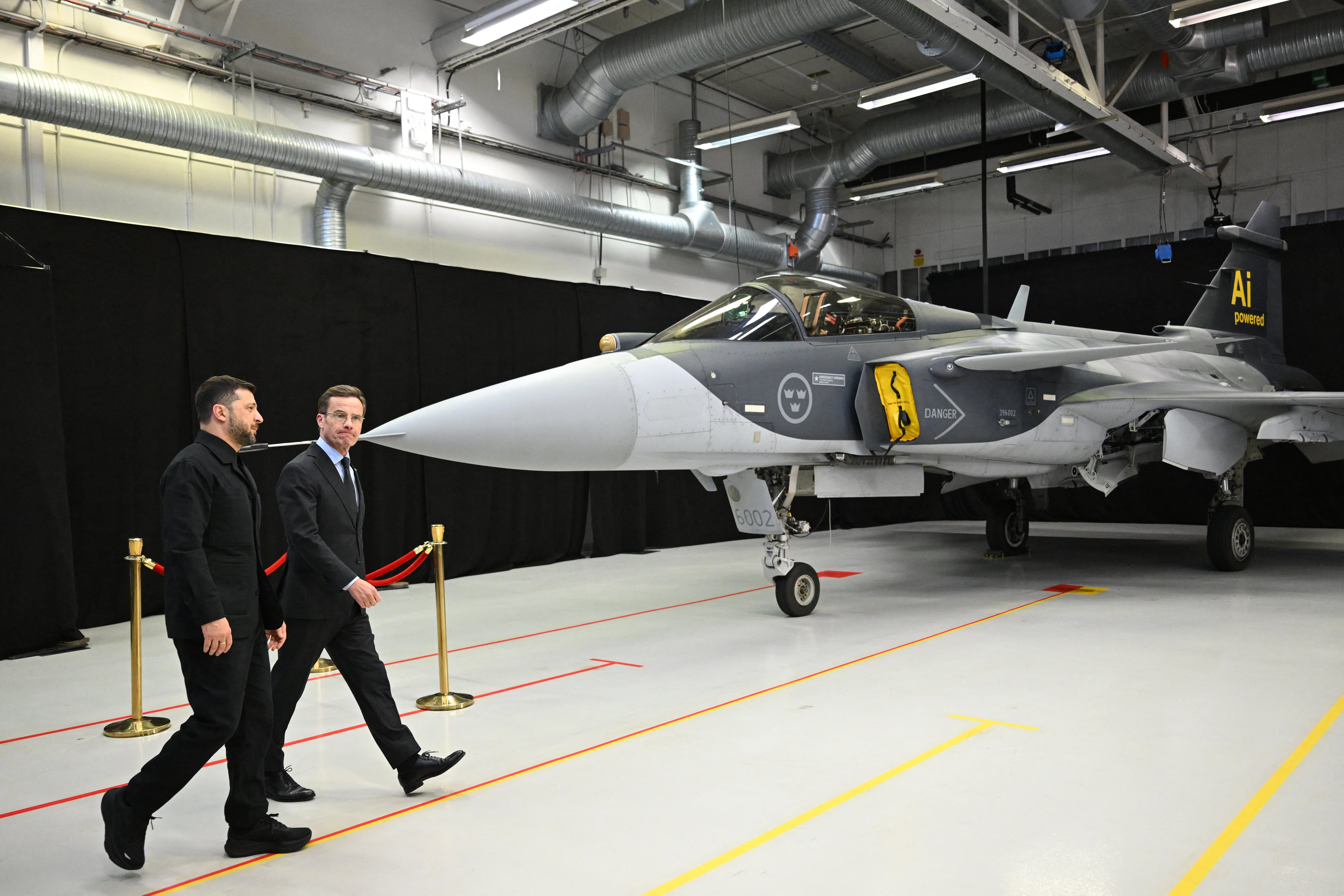
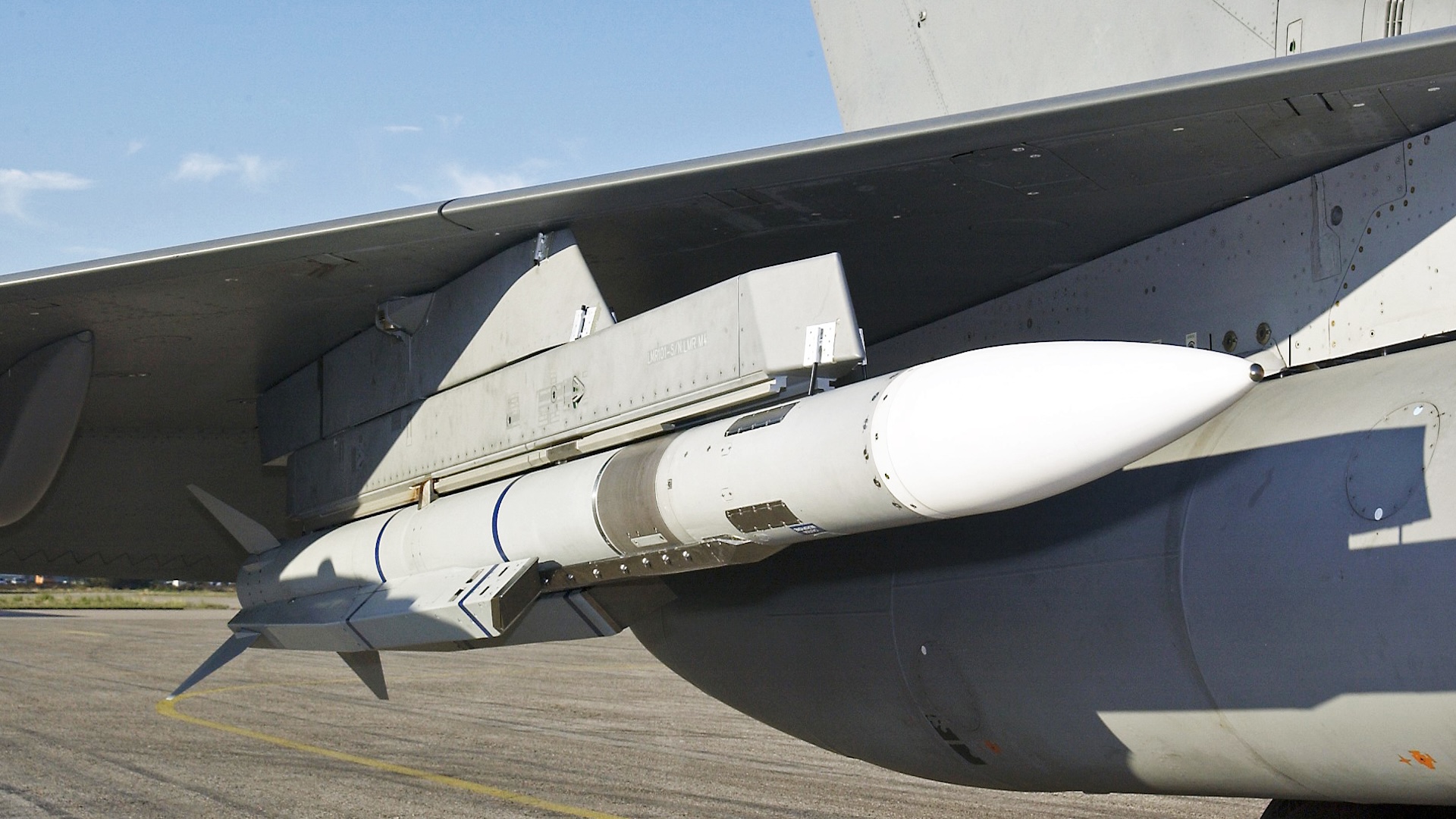
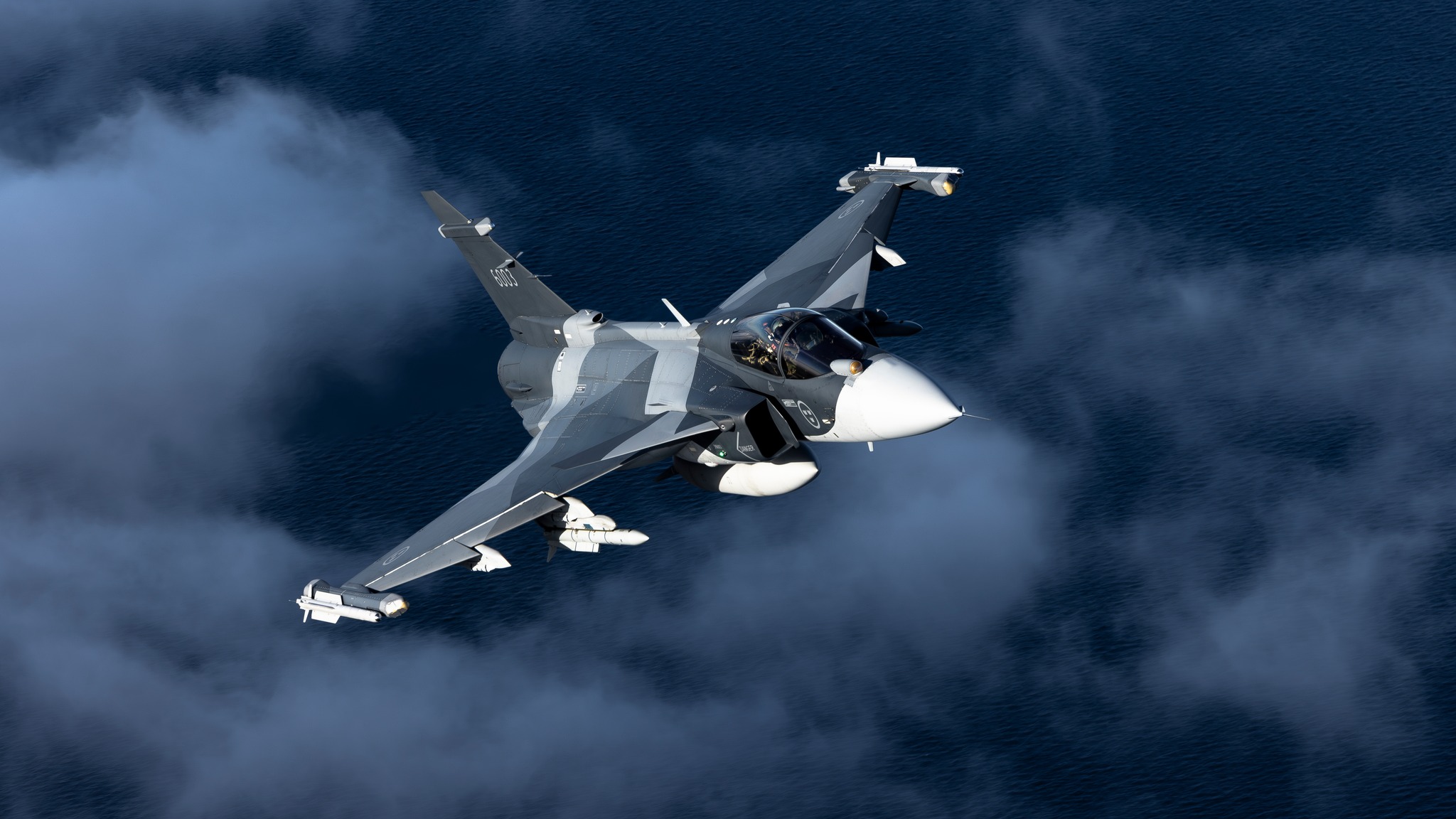
Ukraine's announced discussions with Sweden regarding up to 150 JAS 39 Gripen fighter jets and European Meteor air-to-air missile systems represent a significant geopolitical shift with substantial indirect implications for cross-border e-commerce sellers. The potential $5B+ defense procurement—involving Swedish Saab, European MBDA manufacturing, and NATO-wide coordination—signals accelerating military modernization across Eastern Europe that creates cascading demand for specialized products and services in multiple seller categories.
Supply Chain & Logistics Opportunity: The Gripen acquisition and Meteor missile integration require extensive supporting infrastructure, spare parts, technical documentation, and training materials. Sellers specializing in aerospace components, industrial electronics, precision manufacturing tools, and technical documentation services can target defense contractors and NATO-aligned procurement networks. Sweden's 2024 third Meteor batch procurement through international cooperation demonstrates ongoing supply chain activity. Cross-border logistics providers should anticipate increased demand for specialized shipping (hazmat-compliant, temperature-controlled, security-cleared) to Eastern European destinations, particularly Poland, Romania, and the Baltics—regions experiencing 15-25% growth in defense-related imports.
Consumer & B2B Product Categories: The defense modernization trend extends beyond military hardware to supporting consumer and business categories. Eastern European markets show increased purchasing power from defense sector employment growth, creating demand for premium consumer electronics, professional equipment, and business services. Sellers in industrial automation, cybersecurity software, communications equipment, and technical training platforms can position offerings toward defense-adjacent sectors. The announcement reflects NATO allies' sustained commitment to Ukraine, suggesting 3-5 year procurement cycles that create predictable demand windows for suppliers.
Geopolitical Risk & Market Dynamics: The preliminary nature of negotiations (no final agreement concluded) indicates extended procurement timelines, typically 18-36 months for defense contracts. This extended cycle creates opportunities for sellers to establish relationships with procurement networks before major purchasing decisions. However, sellers should monitor geopolitical developments affecting export controls, sanctions regimes, and trade restrictions that could impact logistics routes and supplier eligibility. The involvement of multiple nations (Sweden, UK, EU members) in Meteor integration suggests distributed manufacturing and supply chains that benefit specialized logistics and component suppliers.
Strategic Implications for Sellers: This development signals sustained Eastern European economic activity despite regional instability, supporting long-term market development strategies. Sellers should consider: (1) developing expertise in defense-adjacent product categories and compliance requirements; (2) establishing relationships with 3PL providers experienced in NATO-region logistics; (3) monitoring procurement announcements from Ukrainian Defense Ministry and NATO allies for category-specific opportunities; (4) evaluating cybersecurity and export control compliance for products with potential dual-use applications.
問題 8
What export control regulations affect sellers shipping defense-related products to Ukraine?
Products with potential dual-use applications (electronics, software, precision equipment) face export control restrictions under US, EU, and NATO regulations. Sellers must verify product classifications, obtain necessary export licenses, and maintain compliance documentation. The involvement of multiple nations (Sweden, UK, EU members) in Meteor integration suggests distributed manufacturing with varying regulatory requirements. Sellers should consult export control specialists and maintain updated compliance procedures, as regulations frequently change based on geopolitical developments and sanctions regimes.
Which product categories benefit most from Eastern European defense spending?
Beyond military hardware, defense modernization drives demand in industrial automation, cybersecurity software, communications equipment, technical training platforms, and precision manufacturing tools. The Gripen-Meteor integration involves extensive electronics, avionics, and systems integration work. Additionally, defense sector employment growth increases purchasing power in Eastern European markets, creating demand for premium consumer electronics and professional equipment. Sellers should position offerings toward both B2B defense-adjacent sectors and consumer categories benefiting from regional economic growth.