



AMD AI Chip Demand Surge Signals E-Commerce Infrastructure Boom | Seller Opportunity
- AMD's 100%+ stock surge and 6GW OpenAI deal reveal explosive AI infrastructure investment driving demand for computing-dependent e-commerce platforms and logistics automation tools















概览
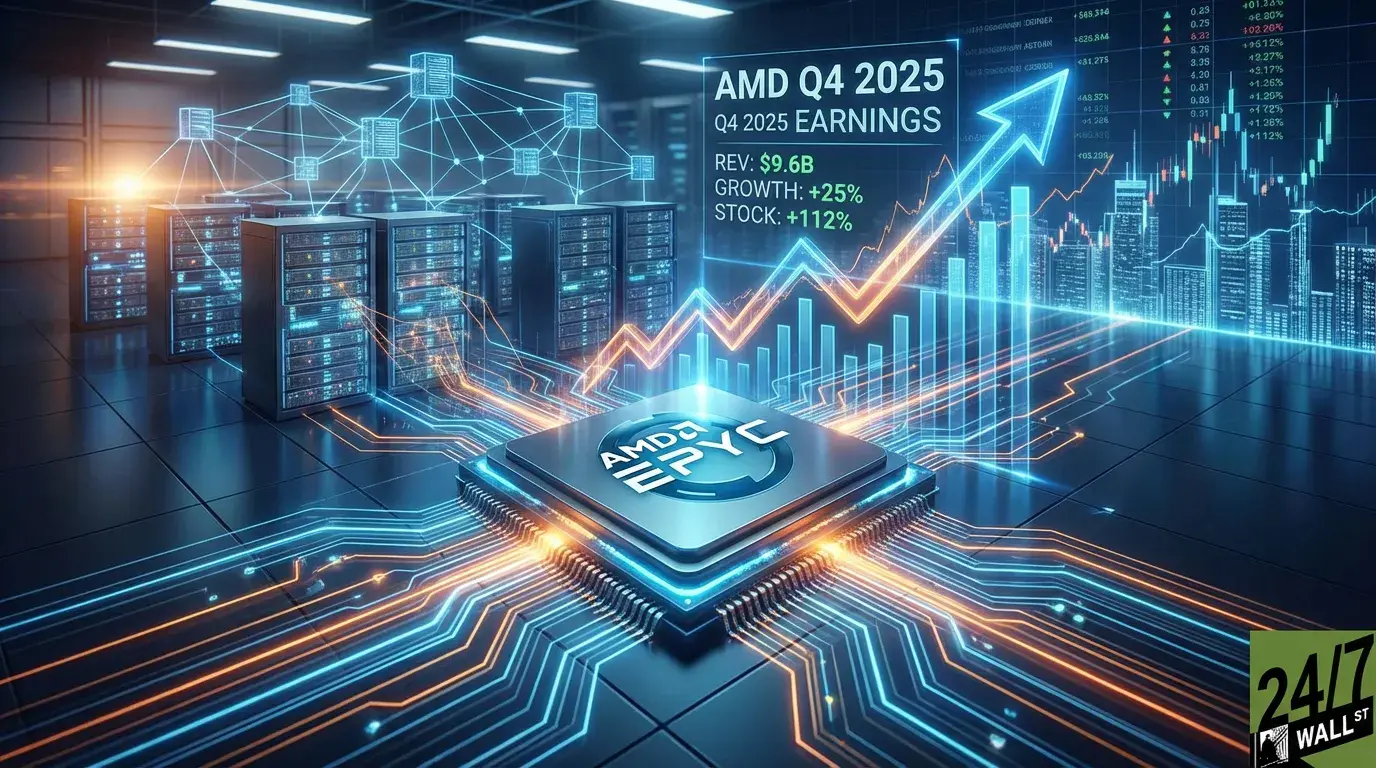
AMD's Q4 2025 earnings report reveals a critical inflection point for e-commerce infrastructure investment, despite the stock's 9% premarket decline. The company reported $10.27 billion in Q4 revenue (beating $9.67 billion consensus) with robust data center chip demand and major strategic partnerships that signal accelerating AI infrastructure buildout. OpenAI's October 2025 deal to deploy 6 gigawatts of AMD's Instinct GPUs over multiple years—beginning with 1 gigawatt in H2 2026—combined with Oracle's commitment to deploy 50,000 AMD AI chips, demonstrates that enterprise-scale AI infrastructure investment is transitioning from hype to execution.
For cross-border e-commerce sellers, this infrastructure boom creates three critical opportunities. First, the surge in data center compute capacity directly enables faster, more sophisticated e-commerce platforms and logistics networks. Sellers using AI-powered tools for inventory forecasting, dynamic pricing, and supply chain optimization will see improved performance as cloud infrastructure costs decline and capabilities expand. AMD's 100%+ stock surge over the past year reflects investor confidence in sustained demand—meaning these infrastructure investments will likely persist through 2026-2027, creating a multi-year window for sellers to adopt AI-driven operational tools.
Second, the Chinese revenue disclosure in AMD's earnings (which wasn't included in street estimates) signals geopolitical complexity in semiconductor supply chains. Sellers sourcing products from China or relying on Chinese manufacturing partners should monitor semiconductor availability and pricing, as U.S.-China trade dynamics continue affecting hardware costs. The fact that Chinese shipments surprised analysts indicates supply chain opacity—a risk factor for sellers dependent on manufacturing timelines and component availability.
Third, the market's disappointment despite strong fundamentals reveals how elevated expectations in AI create volatility. This pattern directly parallels e-commerce platform dynamics: when growth expectations exceed reality, stock volatility increases, potentially affecting venture funding for logistics startups, 3PL providers, and fulfillment automation companies that sellers depend on. The guidance miss (Q1 2026 at $9.8B vs. $9.38B expected) suggests the AI infrastructure buildout may face execution delays or capacity constraints—meaning sellers should expect potential delays in platform upgrades and logistics automation implementations through mid-2026.
The underlying message is clear: AI infrastructure investment is real and accelerating, but execution timelines are extending beyond initial expectations. Sellers should capitalize on this window by investing in AI-powered operational tools now, while monitoring supply chain risks and platform upgrade timelines.
問題 7
Should sellers invest in AI-powered operational tools now or wait for prices to decline?
AMD's 100%+ stock surge and multi-year infrastructure commitments from OpenAI and Oracle indicate that AI infrastructure investment will sustain through 2026-2027, creating a favorable window for sellers to adopt AI-powered tools now. Early adoption provides 12-18 month competitive advantage in inventory forecasting, dynamic pricing, and supply chain optimization before tools become commoditized. However, the guidance miss suggests execution delays—sellers should prioritize tools from established providers (AWS, Google Cloud, Shopify) with proven infrastructure rather than startups dependent on venture funding, which may face delays if tech stock volatility persists.
What supply chain risks does AMD's Chinese revenue disclosure create for sellers?
The unexpected Chinese revenue shipment disclosure in AMD's Q4 earnings reveals supply chain opacity in semiconductor manufacturing and distribution. Sellers sourcing products from China or dependent on Chinese manufacturing partners should monitor semiconductor component availability and pricing, as geopolitical trade dynamics continue affecting hardware costs and lead times. The fact that Chinese shipments surprised Wall Street analysts indicates that visibility into China-based supply chains remains limited—a risk factor for sellers planning 2026 inventory and manufacturing timelines. Consider diversifying component sourcing or building 4-6 week buffer inventory for critical hardware-dependent products.