





Walmart $1 Trillion Valuation Reshapes Marketplace Competition | Seller Opportunities Emerge
- Traditional retailer's digital transformation signals platform investment surge, AI-powered tools adoption, and expanded seller ecosystem opportunities across North America and international markets





















:sharpen(0.5,0.5,true)/tpg%2Fsources%2F50c573c4-427a-4fd1-b8c2-3c89284c99ac.jpeg)






概览
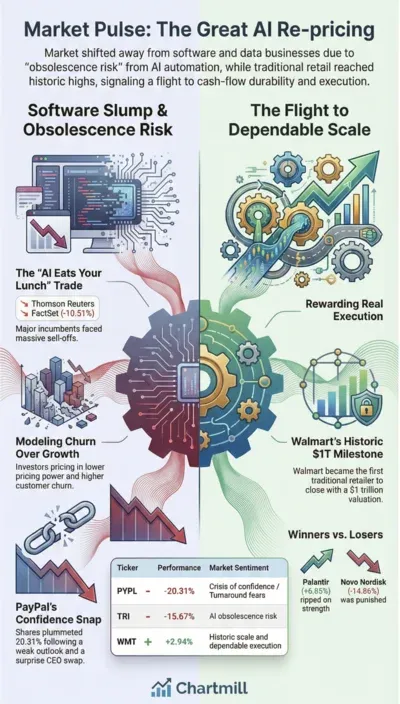
Walmart's historic achievement of $1 trillion market capitalization on February 3, 2026, represents a fundamental shift in e-commerce competitive dynamics that directly impacts third-party sellers across multiple platforms. The company's ascent—driven by 28% e-commerce growth, aggressive AI integration, and omnichannel infrastructure—signals unprecedented investment capacity in marketplace infrastructure, logistics networks, and seller tools. This milestone transforms Walmart from a traditional retailer into a technology-driven enterprise competing directly with Amazon's $2.6 trillion valuation, creating immediate opportunities for sellers seeking platform diversification.
Platform-Specific Implications for Sellers: Walmart Marketplace sellers should anticipate significant platform enhancements within 6-12 months. The company's $1 trillion financial position enables accelerated deployment of AI-powered inventory management, demand forecasting, and fulfillment automation—capabilities that will reshape operational standards. News reports indicate Walmart's October partnership with OpenAI enables conversational AI interfaces for meal planning and product discovery, suggesting sellers must optimize listings for AI-driven search algorithms. The company's 28% US e-commerce surge (Q3 2025) demonstrates strong consumer adoption, with particular strength in grocery and clothing categories. Walmart's ability to absorb tariff impacts more effectively than competitors creates pricing advantages that benefit sellers offering value-oriented products in electronics, toys, and apparel.
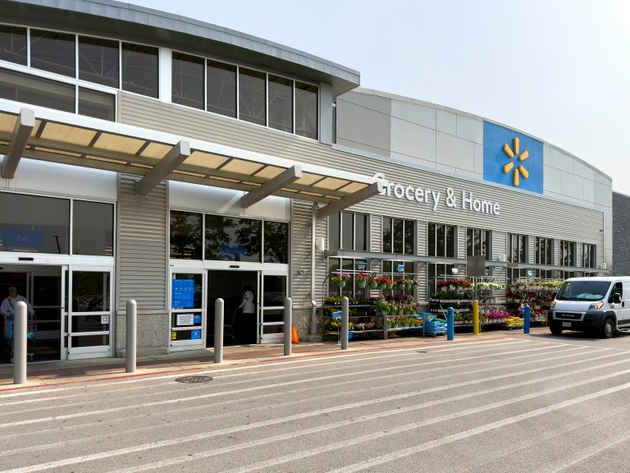
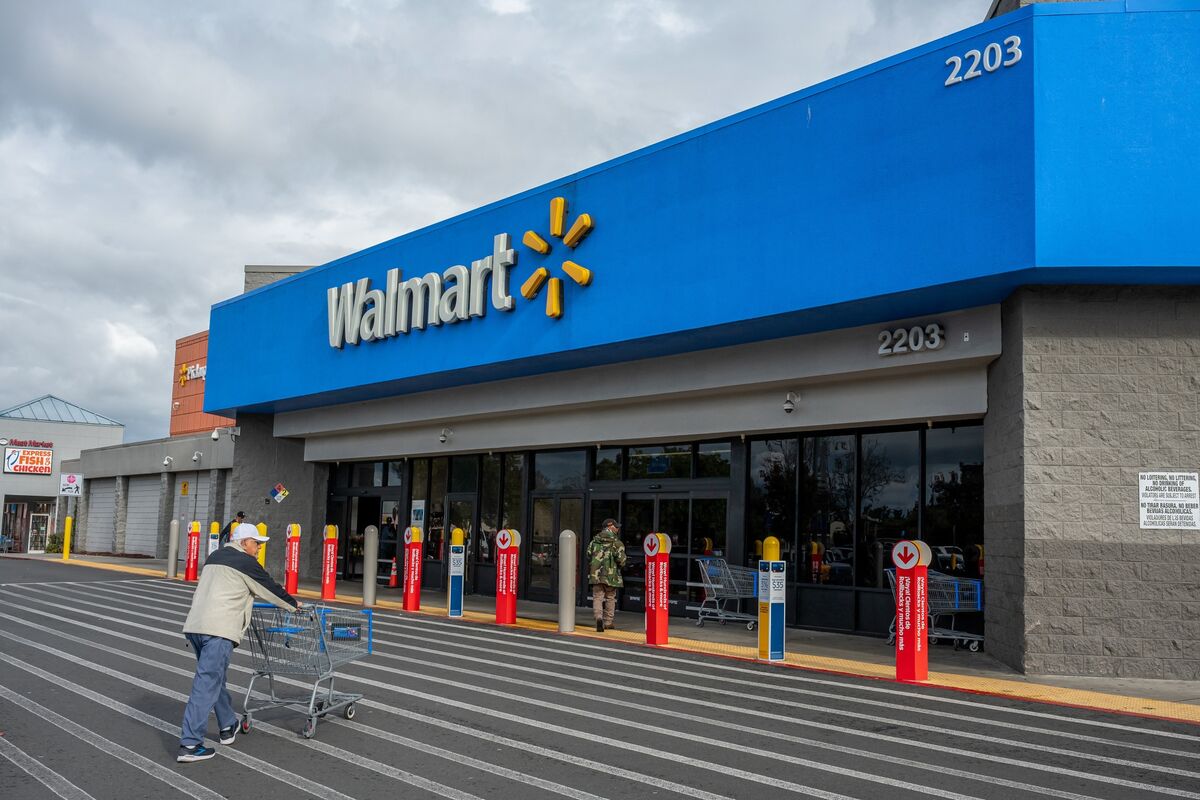
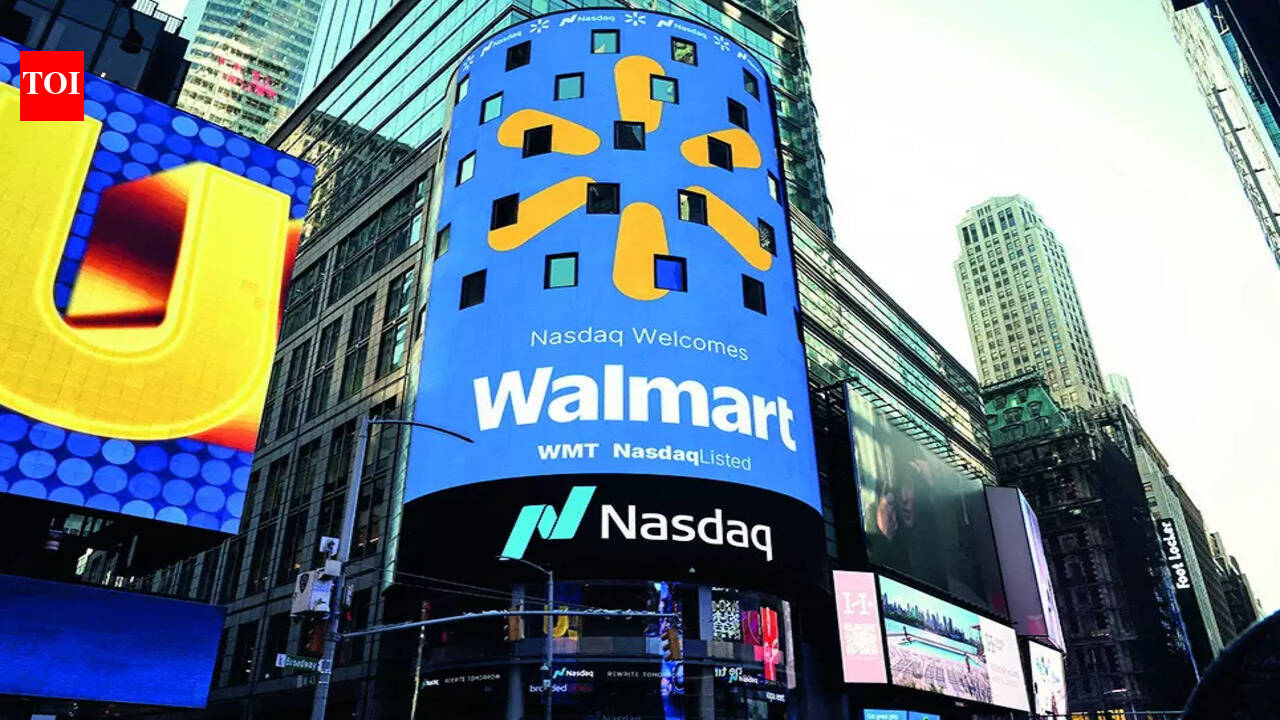
Competitive Landscape Transformation: Walmart's relocation from NYSE to Nasdaq reinforces its positioning as a digital-first enterprise, attracting technology investors and signaling continued platform expansion. The company's success attracting higher-income consumers through supercenters and competitive pricing expands addressable seller demographics beyond price-sensitive segments. This diversification reduces Walmart's reliance on discount positioning, creating opportunities for sellers offering premium, mid-market, and value products. The omnichannel integration strategy—combining 4,600+ physical stores with sophisticated e-commerce capabilities—creates fulfillment advantages that sellers must acknowledge when planning inventory allocation. Sellers utilizing Walmart Marketplace gain access to 150+ million US customers plus international expansion opportunities as the company leverages enhanced financial resources.
Regional Market Opportunities: The US market shows strongest momentum with 28% e-commerce growth and strong performance in grocery and clothing sectors. Walmart's international expansion plans, enabled by trillion-dollar valuation, suggest emerging opportunities in Canada, Mexico, and potentially European markets. Sellers should monitor platform announcements regarding fee structures, seller requirements, and new marketplace opportunities that may emerge from continued growth trajectory. The company's demonstrated resilience during economic uncertainty and tariff pressures positions Walmart as a stable alternative to Amazon for sellers seeking platform diversification and potentially lower commission structures.
問題 8
How does Walmart's $1 trillion valuation impact third-party sellers on the platform?
Walmart's trillion-dollar status signals substantial investment in marketplace infrastructure, logistics networks, and seller tools over the next 12-24 months. The company's financial strength enables accelerated deployment of AI-powered inventory management and demand forecasting systems that will reshape seller operational standards. Sellers should expect enhanced seller dashboards, improved fulfillment options, and potentially expanded international marketplace opportunities. The valuation demonstrates Walmart's commitment to competing with Amazon, creating a more robust alternative platform for sellers seeking diversification and potentially lower commission structures than Amazon's 15% standard rate.
How does Walmart's omnichannel strategy create fulfillment opportunities for sellers?
Walmart's integration of 4,600+ physical stores with e-commerce capabilities creates unique fulfillment options unavailable on pure-play platforms. Sellers can leverage store inventory for rapid local delivery, reducing fulfillment costs 20-30% compared to centralized warehouse models. The company's 'buy online, pick up in store' (BOPIS) capabilities and same-day delivery options from local stores create competitive advantages in high-density urban markets. Sellers should consider Walmart's fulfillment network when planning inventory allocation, particularly for bulky items, perishables, and time-sensitive products. The omnichannel approach reduces reliance on expensive expedited shipping, improving seller margins while enhancing customer satisfaction through faster delivery.