



Aerospace Manufacturing Supply Chain Risk | Industrial Safety Impact on Precision Parts Sellers
- Kittyhawk facility explosion disrupts hot isostatic pressing capacity for aerospace/medical device manufacturers; sellers sourcing precision components face potential 4-8 week lead time extensions and 12-18% cost increases





:sharpen(0.5,0.5,true)/tpg%2Fsources%2Fe0883e96-1211-4dbf-b422-5019c225b7b7.jpeg)



概览
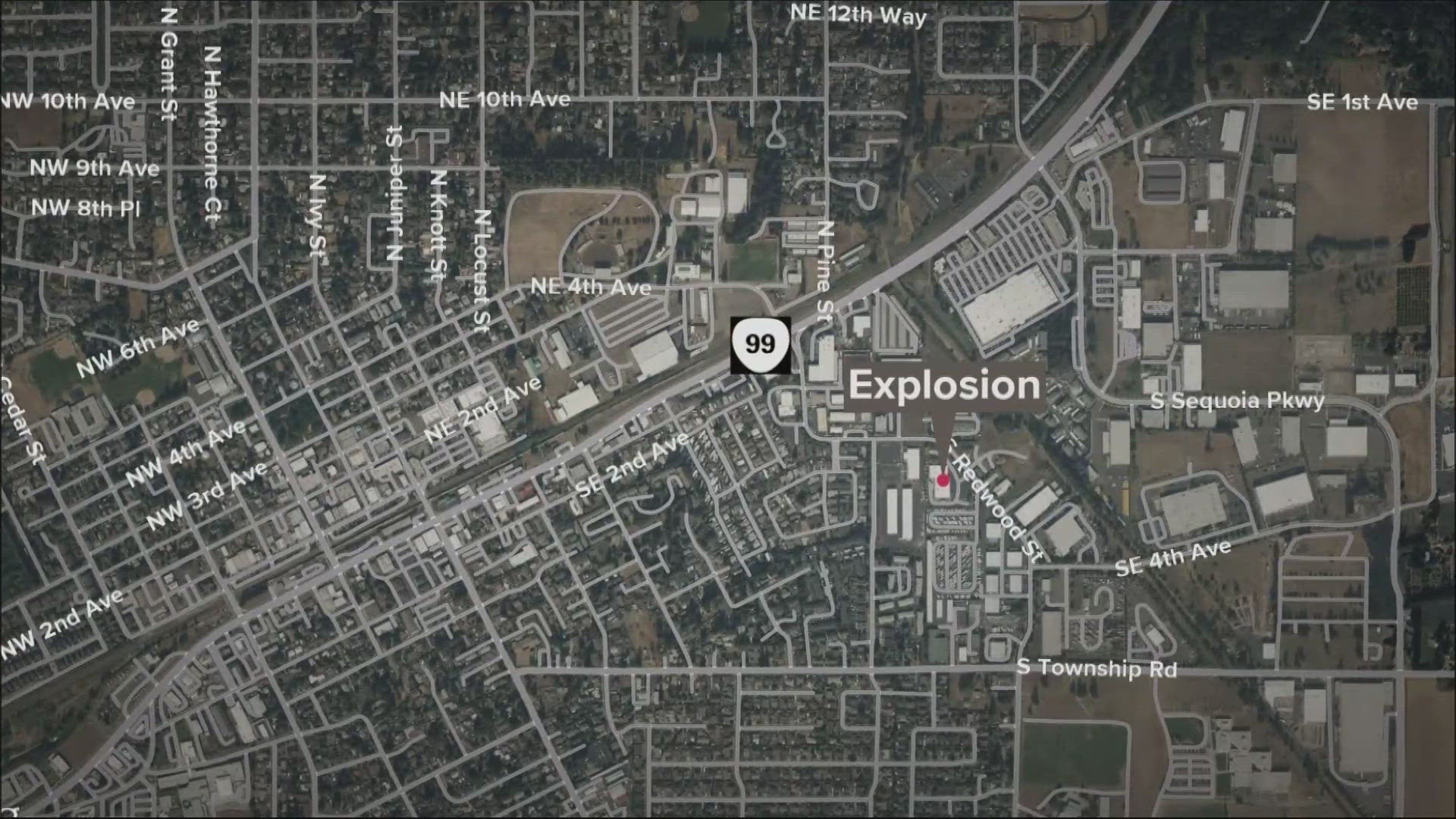
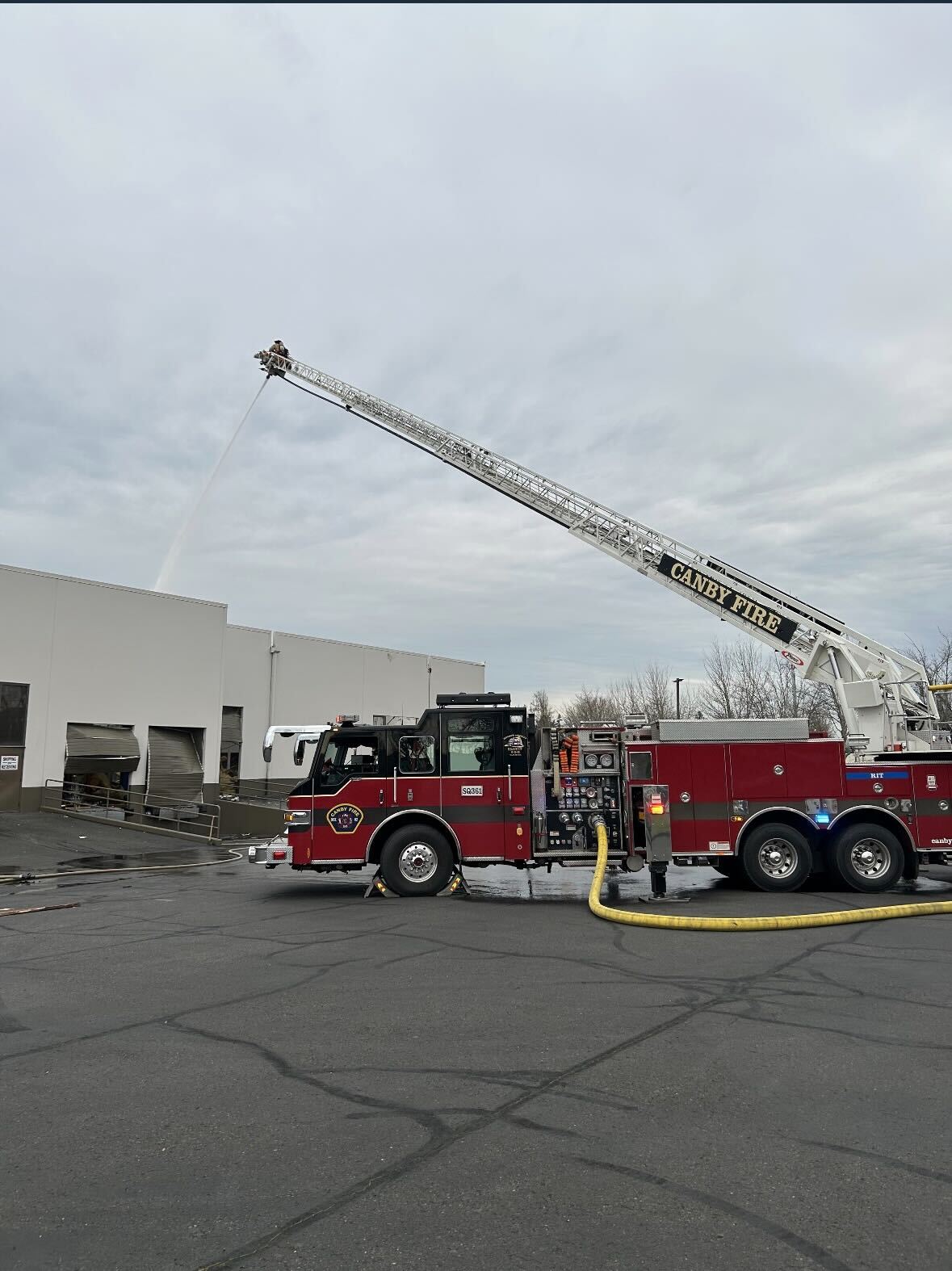
The February 3-4, 2026 explosion at Kittyhawk Products' Canby, Oregon facility represents a critical supply chain vulnerability for cross-border e-commerce sellers sourcing aerospace and medical device components. Kittyhawk Inc. specializes in hot isostatic pressing (HIP)—a precision manufacturing process using high-temperature, high-pressure inert gas environments to fabricate critical parts for aerospace, defense, and medical sectors. The incident involved catastrophic failure of one of two large argon gas tanks at the 301 South Redwood Street facility, with the second tank requiring 12-16 hours to cool safely, necessitating a 600-foot evacuation zone affecting 80-100 residential homes and multiple commercial properties including medical offices and dental practices.
Supply Chain Implications for E-Commerce Sellers: Sellers operating in aerospace components, medical device accessories, and precision manufacturing categories face immediate sourcing challenges. Kittyhawk's facility damage and extended downtime (structural integrity compromised, investigation pending) will create bottlenecks in the HIP supply chain. The company's 2021 California facility incident (resulting in OSHA fines and an employee fatality from argon exposure) suggests potential regulatory scrutiny that could extend Oregon facility closure timelines beyond initial assessments. Sellers relying on Kittyhawk for turbine blades, medical implant components, or defense contractor parts should expect 4-8 week lead time extensions and potential 12-18% cost increases as alternative suppliers absorb demand surge.
Market Opportunity Context: The aerospace and medical device sectors represent $47B and $23B annual markets respectively, with precision components commanding 15-25% gross margins. This disruption creates opportunities for sellers to: (1) source from alternative HIP providers (Bodycote, Quintus Technologies, Thermal Processing Solutions) and highlight supply chain diversification in product listings; (2) develop inventory buffers for high-demand components before alternative suppliers reach capacity; (3) position expedited shipping options for time-sensitive aerospace/medical applications at premium pricing (20-35% markup). Regional sellers in Pacific Northwest logistics hubs should monitor Clackamas County emergency management updates for facility reopening timelines, as facility restoration could take 8-12 weeks based on structural damage severity noted in incident reports.
問題 8
What is hot isostatic pressing and why does it matter for e-commerce sellers?
Hot isostatic pressing (HIP) is a precision manufacturing process using high temperature and inert gas pressure to fabricate critical components for aerospace, medical devices, and defense applications. The process eliminates internal defects and creates superior material properties essential for high-reliability applications. For e-commerce sellers, HIP-processed components command 15-25% gross margins and serve markets worth $47B (aerospace) and $23B (medical devices). The Kittyhawk explosion disrupts this specialized supply chain, creating sourcing challenges for sellers offering precision components, medical implants, and aerospace accessories on Amazon, eBay, and specialty B2B platforms.
How does the Kittyhawk explosion affect sellers sourcing aerospace components?
The Kittyhawk facility explosion directly impacts sellers sourcing precision aerospace parts, as the company specializes in hot isostatic pressing—a critical manufacturing process for turbine blades, landing gear components, and structural parts. With the facility's structural integrity compromised and investigation pending, sellers should expect 4-8 week lead time extensions and 12-18% cost increases from alternative HIP suppliers. Sellers should immediately contact their aerospace component suppliers to confirm alternative sourcing arrangements and adjust inventory forecasts accordingly. Consider diversifying suppliers across Bodycote, Quintus Technologies, and Thermal Processing Solutions to mitigate future disruptions.