


Middle East Geopolitical Instability | Supply Chain & Humanitarian Product Opportunities for Cross-Border Sellers
- Rafah crossing partial reopening signals emerging logistics corridor; 18,000+ medical evacuation backlog creates humanitarian product demand; regional instability drives consumer spending on safety/wellness categories















概览
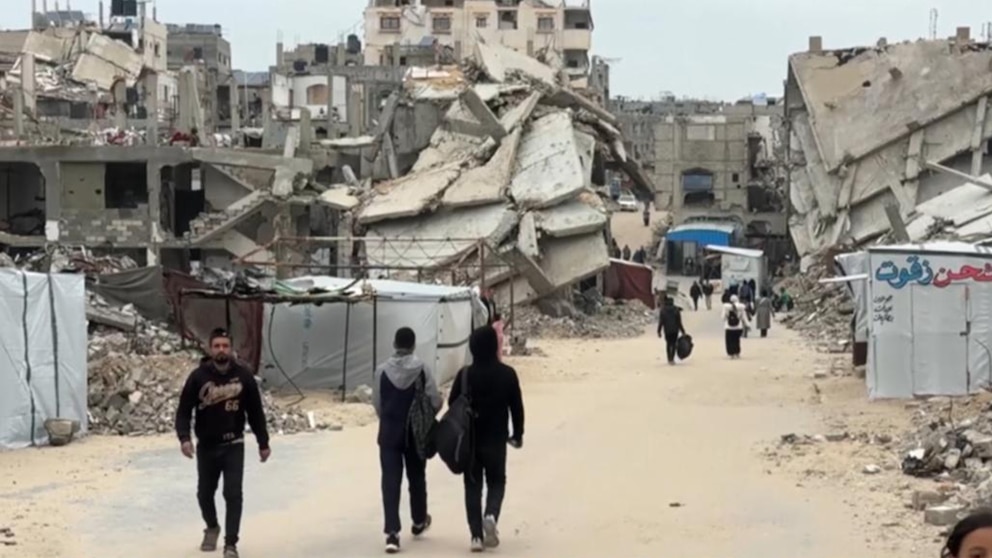
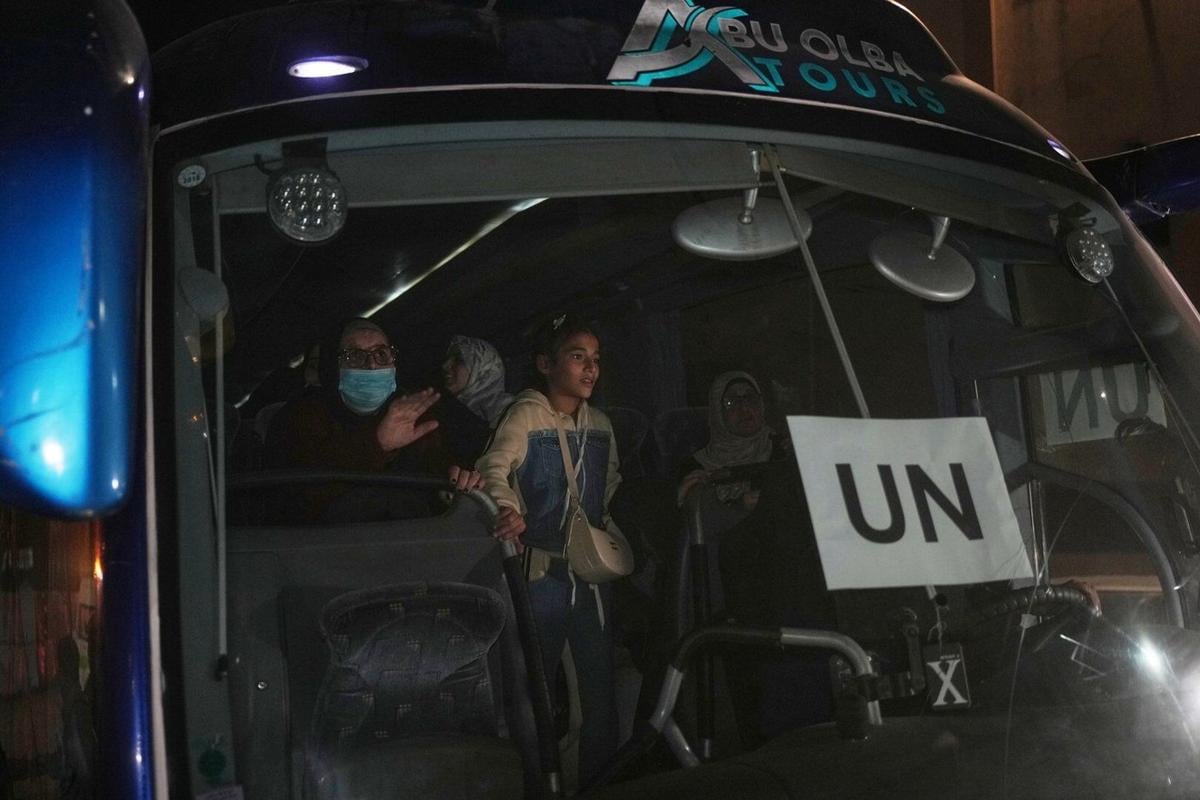
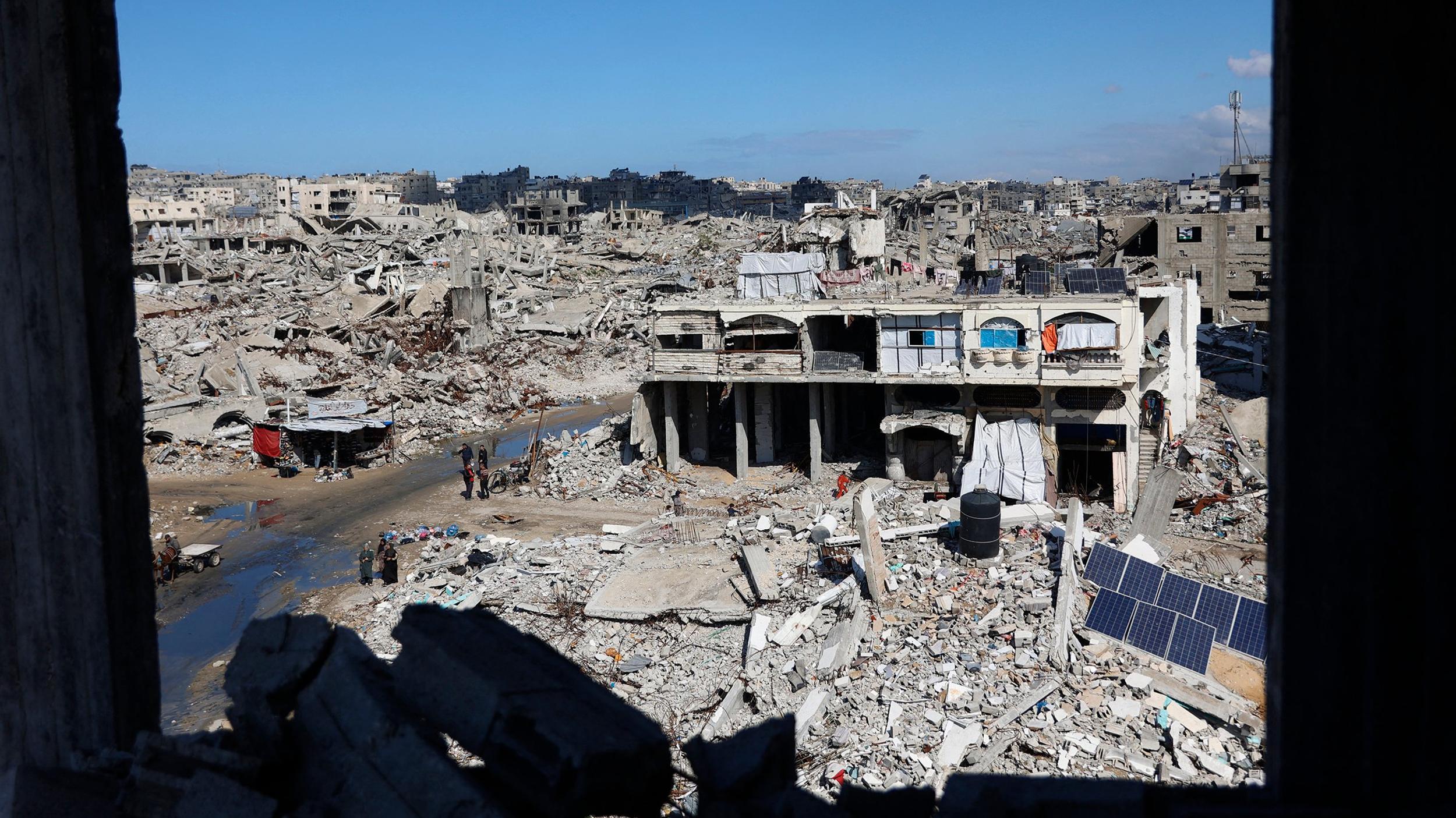
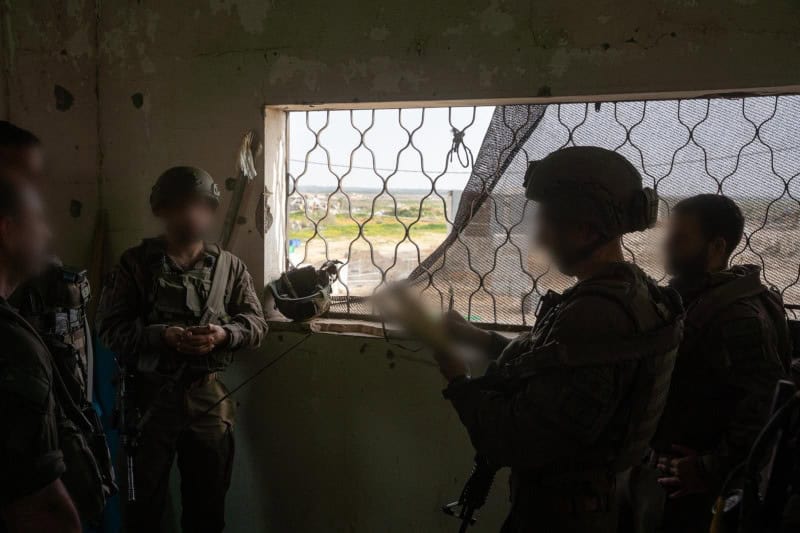
The escalating Israeli-Palestinian conflict documented in these news reports reveals critical supply chain vulnerabilities and emerging market opportunities for cross-border e-commerce sellers. While the Rafah crossing reopening after nearly two years of closure remains severely restricted (5-6 daily departures versus 50 allowed), this represents the first meaningful logistics corridor reopening in the region since October's ceasefire. For sellers, this signals potential future normalization of trade routes through Egypt-Gaza-Israel corridors, though current restrictions limit immediate commercial viability.
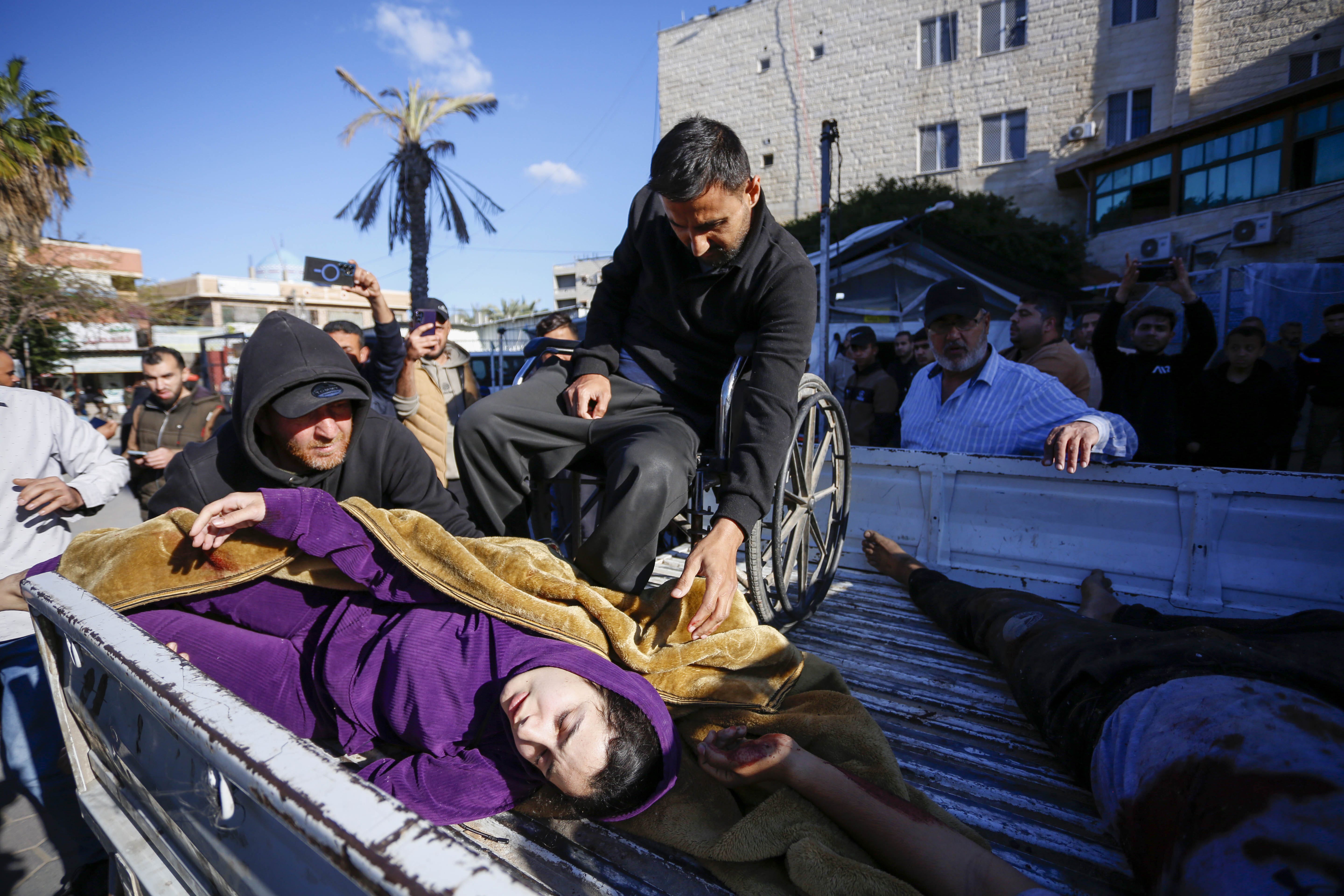
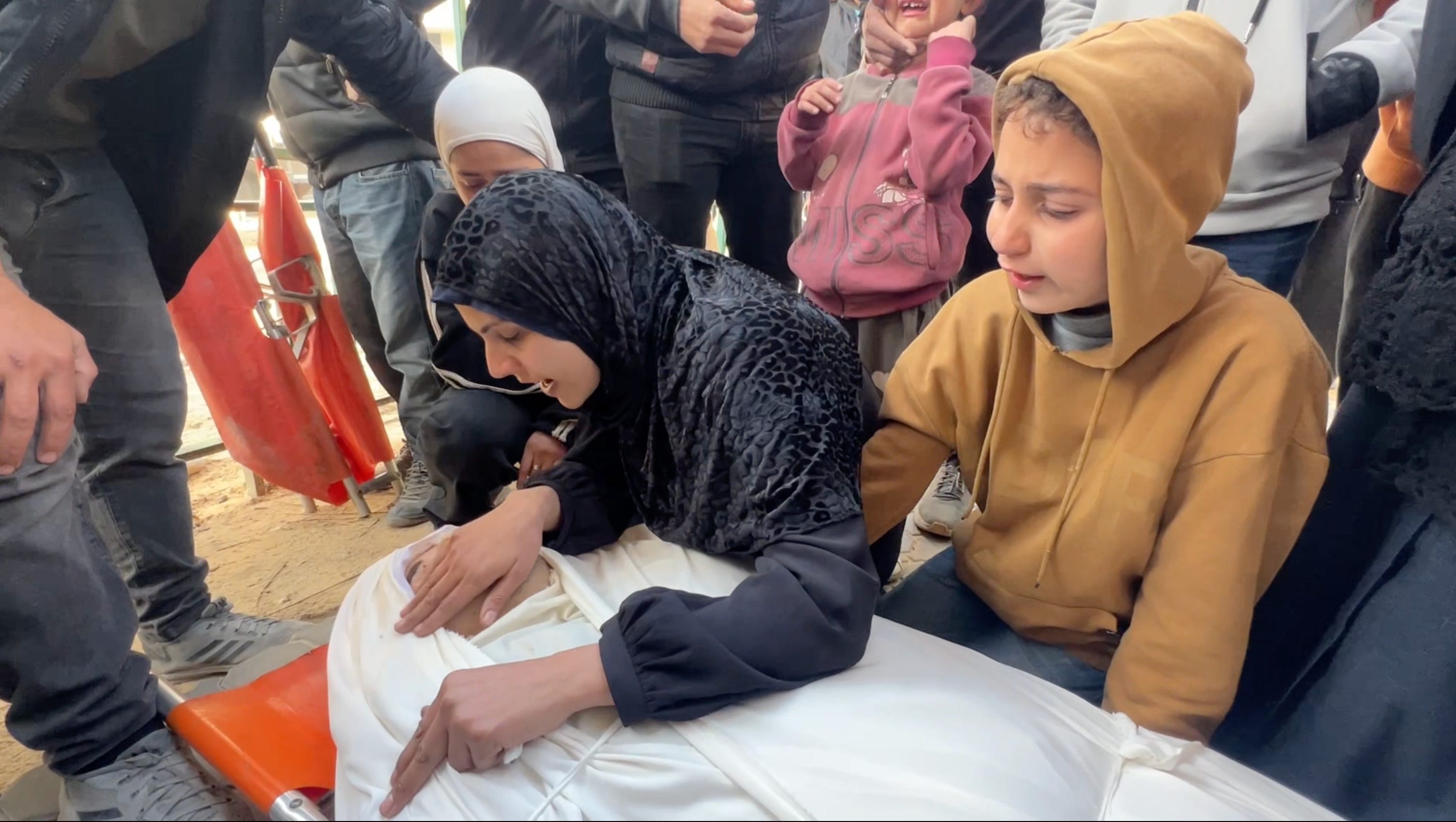
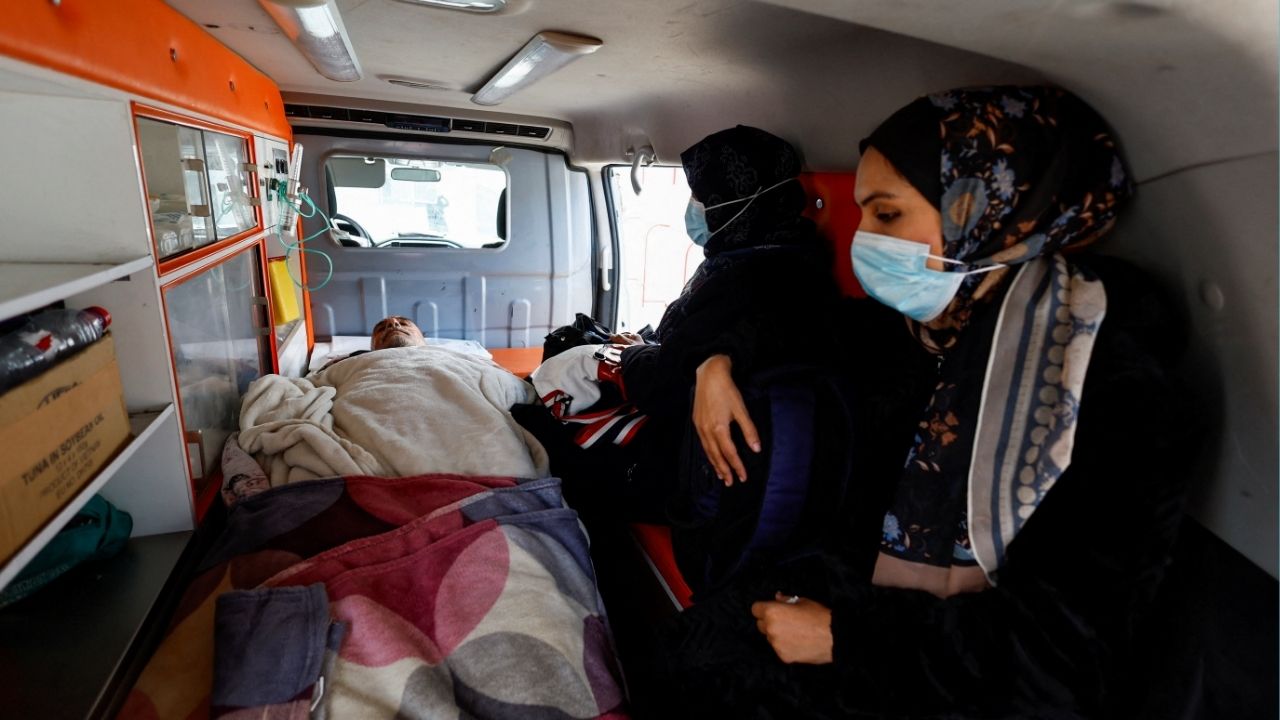
The humanitarian dimension presents substantial product opportunities. With over 18,000 Palestinian patients awaiting medical evacuations and 440 critical cases pending, demand for medical supplies, first-aid kits, portable medical devices, and wellness products is exceptionally high. Cross-border sellers specializing in healthcare categories (medical equipment, diagnostic tools, pharmaceutical accessories) can target NGOs, humanitarian organizations, and regional healthcare providers through B2B marketplaces. The Palestine Red Crescent Society's coordination challenges indicate supply chain gaps that commercial sellers can address through specialized logistics partnerships.
Beyond immediate humanitarian needs, regional instability historically drives consumer spending in safety, security, and wellness categories. Sellers should monitor demand trends for: personal protective equipment (PPE), water purification systems, non-perishable food products, emergency preparedness kits, and mental health/wellness products. The West Bank raids and ongoing violence create sustained demand for these categories across Palestinian and Israeli consumer bases. Additionally, the International Court of Justice genocide case signals potential long-term sanctions or trade restrictions that could reshape regional commerce—sellers should diversify supply chains away from Israeli manufacturers if serving Palestinian markets, and vice versa.
The news also indicates geopolitical risk that affects logistics routing. Current instability may force sellers to avoid direct Egypt-Gaza-Israel shipping routes, increasing reliance on alternative corridors through Jordan or Lebanon. This creates opportunities for 3PL providers specializing in Middle East logistics and for sellers offering products suited to alternative supply chains. Monitoring Rafah crossing capacity expansion will be critical for sellers planning 2025 regional expansion strategies.
問題 7
When should sellers begin preparing for normalized Middle East trade routes?
Begin preparation immediately, with implementation timeline of 6-12 months. Current actions: establish 3PL relationships in Egypt and Jordan, research NGO procurement platforms, develop medical product certifications, and monitor Rafah crossing capacity weekly. Mid-term (3-6 months): build inventory of high-demand humanitarian products, create B2B marketing materials targeting NGOs, and establish compliance documentation. Long-term (6-12 months): launch pilot shipments through humanitarian channels once crossing capacity reaches 20+ daily departures. The ceasefire remains fragile—sellers who prepare now will capture first-mover advantage when normalization accelerates, potentially capturing 15-25% market share in emerging humanitarian supply chains.
How can sellers target NGO and humanitarian organization procurement?
The 18,000-patient medical evacuation backlog indicates substantial NGO procurement demand that exceeds typical consumer channels. Sellers should: register with B2B procurement platforms serving humanitarian organizations (UN agencies, Red Crescent, Red Cross), obtain relevant certifications (ISO 13485 for medical devices, FDA registration for healthcare products), and develop bulk pricing structures for organizational buyers. Create dedicated landing pages targeting NGO procurement managers with case studies showing product performance in crisis situations. Establish relationships with established humanitarian logistics providers who already have trust with these organizations. This B2B approach typically generates 3-5x higher order values than consumer channels.