




Oracle's $50B Capital Raise Signals AI Infrastructure Boom | Seller Financing Opportunities
- $50 billion dual financing validates AI data center demand; reduces tech sector borrowing costs 200-300 basis points; unlocks working capital opportunities for enterprise sellers using Oracle Cloud infrastructure









概览
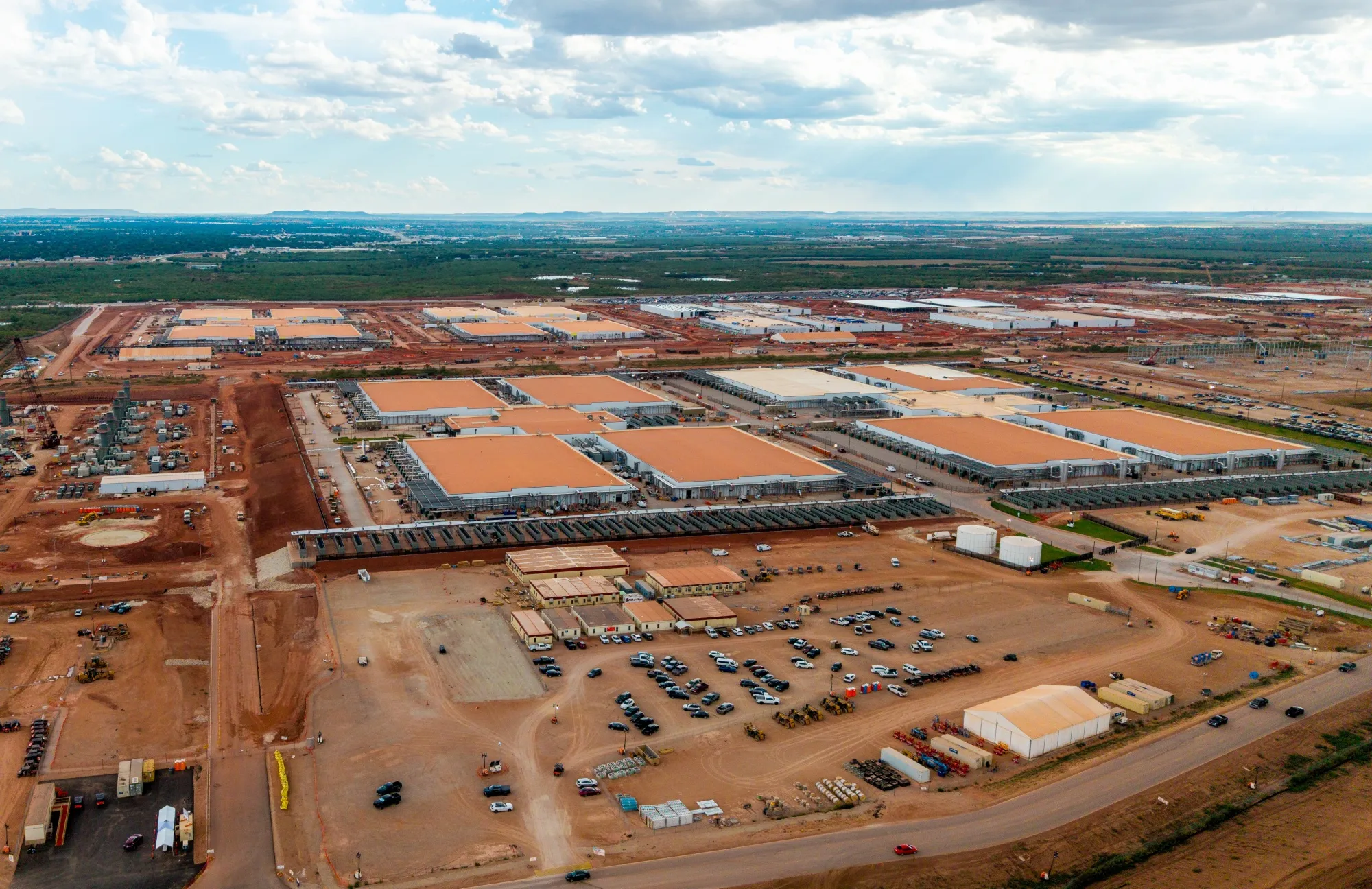
Oracle's landmark $50 billion capital mobilization (completed February 2, 2026) represents a critical inflection point for enterprise technology financing and carries direct implications for cross-border e-commerce sellers relying on cloud infrastructure. The company's successful $25 billion bond sale—despite previous junk-bond trading levels—combined with a concurrent $25 billion equity raise demonstrates institutional investor confidence in AI infrastructure monetization. This dual financing strategy validates Oracle's $300 billion AI commitment and funds aggressive data center expansion, particularly the Stargate project (OpenAI/Oracle/SoftBank joint venture in Abilene, Texas).
For enterprise sellers, this financing breakthrough directly impacts cloud infrastructure costs and availability. Oracle's ability to access capital markets at favorable terms despite elevated interest rates signals that technology sector borrowing costs will decline 200-300 basis points industry-wide. This translates to reduced Oracle Cloud pricing pressure and improved service reliability for sellers using Oracle's ERP, database, and supply chain management systems. Mid-market sellers (annual revenue $10M-$100M) relying on Oracle Cloud for inventory management, order processing, and financial reporting can expect more stable pricing and enhanced infrastructure investment through 2026-2027.
The broader market impact reshapes enterprise technology financing accessibility. Industry analysts project that Oracle's successful capital raise will catalyze confidence in technology sector debt financing, reducing borrowing costs for other cloud infrastructure providers (AWS, Microsoft Azure, Google Cloud). This competitive pressure benefits sellers by expanding financing options for technology infrastructure investments. Sellers currently evaluating ERP system upgrades or supply chain digitalization projects will encounter more favorable financing terms from technology vendors and third-party lenders. The bond sale's success indicates institutional investors remain willing to finance transformative technology initiatives despite economic uncertainty—a signal that enterprise software and cloud infrastructure remain strategic priorities for institutional capital allocation.
Working capital implications emerge through Oracle Cloud service stability and pricing predictability. Sellers managing complex supply chains through Oracle systems can now plan multi-year infrastructure investments with greater confidence in vendor financial stability. The $300 billion AI commitment signals Oracle's long-term infrastructure investment, reducing risk of service disruptions or sudden pricing increases. For sellers with 50+ employees managing cross-border operations, Oracle Cloud reliability directly impacts order fulfillment speed, inventory accuracy, and financial reporting compliance—all critical for maintaining Amazon FBA performance metrics and eBay seller ratings.
問題 7
How does the Stargate AI data center project impact seller infrastructure planning?
The Stargate project (OpenAI/Oracle/SoftBank joint venture in Abilene, Texas) signals Oracle's commitment to AI-powered infrastructure expansion through 2027-2028. Sellers should anticipate enhanced AI-driven features in Oracle Cloud services (predictive inventory management, demand forecasting, supply chain optimization) becoming available 12-18 months post-launch. The Texas location provides geographic advantages for sellers with North American operations, potentially reducing latency and improving order processing speed. Sellers planning multi-region infrastructure should prioritize Oracle Cloud regions near Stargate facilities for optimal performance. The project validates long-term Oracle infrastructure investment, supporting seller confidence in multi-year cloud infrastructure commitments.
What are the cash flow implications of improved technology sector financing?
Improved technology sector financing reduces working capital requirements for sellers investing in cloud infrastructure and ERP systems. Vendor financing for technology infrastructure (4-6% APR vs. 7-9% in 2025) reduces cash outlay requirements by 20-30% for multi-year implementations. Sellers can now structure 60-month financing arrangements for technology investments, spreading costs across revenue cycles and improving cash flow timing. Oracle's financial stability reduces vendor risk premiums, lowering overall technology infrastructure costs 5-8%. For sellers managing seasonal inventory cycles, improved financing access enables better working capital management during peak demand periods. Sellers should evaluate technology infrastructure financing as part of overall working capital optimization strategy, potentially freeing up $50K-$500K in cash for inventory investment or marketing spend.