



Deutsche Bahn Safety Crisis Exposes EU Logistics Vulnerabilities | Seller Supply Chain Risk
- 80% of German rail staff experience abuse; 5 daily assaults threaten fulfillment reliability for cross-border sellers shipping via rail infrastructure






概览
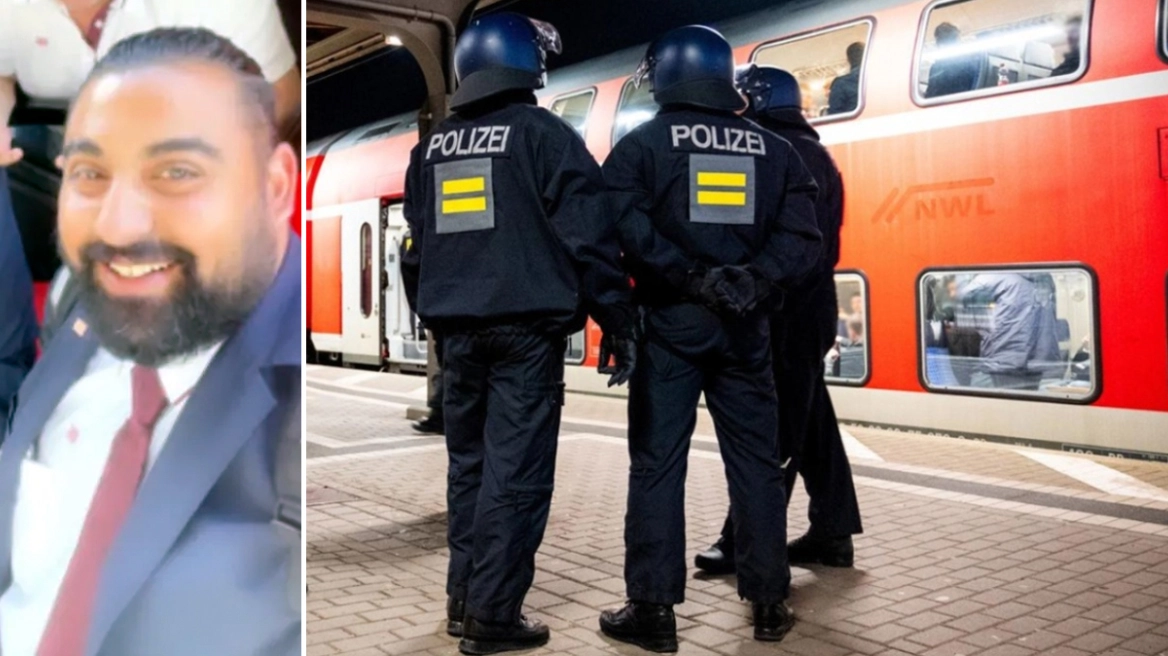
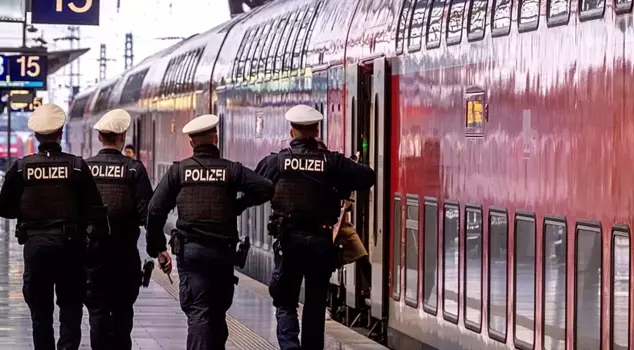
The fatal assault on Deutsche Bahn conductor Serkan C. near Kaiserslautern on February 3, 2026, and subsequent arrest of a 26-year-old Greek national reveals systemic operational vulnerabilities in European rail infrastructure that directly impact cross-border e-commerce logistics networks. Deutsche Bahn reports an average of 5 staff assaults daily with 4 additional threats, while a 2024 EVG union survey documents that 80% of employees experienced verbal or physical abuse, including 43 incidents of spitting, 41 object-throwing incidents, and 35 shoving cases. This workforce safety crisis creates measurable supply chain risks for sellers relying on German rail for B2B shipments, last-mile delivery coordination, and time-sensitive fulfillment operations.
The operational impact extends beyond safety statistics to logistics reliability. Deutsche Bahn's cost-cutting measures have resulted in many regional trains operating with single conductors and minimal security presence, directly reducing operational capacity and increasing service disruption risk. While DB implemented voluntary body camera programs and CCTV systems in 2024, EVG union boss Martin Burkert argues these measures are insufficient without increased security funding and dedicated personnel. For cross-border sellers shipping high-value inventory through German rail corridors—particularly those using 3PL providers that coordinate rail transport for European distribution—service interruptions or operational slowdowns translate to delayed fulfillment, missed delivery windows, and potential Buy Box penalties on Amazon or equivalent marketplace consequences.
The incident signals broader European logistics sector challenges affecting workforce retention and operational continuity. German Interior Minister Alexander Dobrindt's emphasis on "decisive legal consequences" and DB CEO Evelyn Palla's warning about "declining violence thresholds in society" indicate regulatory pressure that may drive infrastructure investment or operational restructuring. Sellers should monitor whether increased security costs get passed to logistics providers, potentially raising 3PL rates by 5-12% for rail-dependent shipments. The Rhineland-Palatinate region, where the incident occurred, serves as a critical logistics hub for EU distribution networks. Service degradation in this corridor could force sellers to shift inventory to alternative routes (truck-based logistics, air freight) at 15-25% higher costs, or accept longer delivery times that compress margins on time-sensitive categories like electronics, fashion, and perishables.
問題 7
How should sellers monitor Deutsche Bahn developments for supply chain planning?
Sellers should establish monitoring protocols: (1) Subscribe to Deutsche Bahn operational alerts and service updates; (2) Track EVG union announcements for strike notices or safety escalations; (3) Monitor German labor ministry and transportation authority regulatory changes; (4) Maintain quarterly reviews with 3PL providers on rail service reliability metrics; (5) Set internal alerts for >5% delivery delay increases or service disruptions. Establish contingency plans with alternative logistics providers before crises occur. For Amazon sellers, use Seller Central metrics to track fulfillment performance and correlate delays with DB operational issues, enabling data-driven logistics decisions.
Which seller categories are most vulnerable to Deutsche Bahn supply chain disruptions?
Sellers in time-sensitive categories—electronics, fashion, perishables, and seasonal goods—face the highest risk from rail service disruptions. These categories depend on predictable delivery windows to maintain Amazon BSR rankings and customer satisfaction metrics. Sellers shipping bulk inventory to European fulfillment centers for redistribution are particularly exposed, as rail delays cascade through multi-tier distribution networks. Small-to-medium sellers (100-1,000 units/month) using 3PL providers that coordinate rail transport lack the negotiating power to secure alternative logistics quickly, making them more vulnerable than large sellers with dedicated logistics contracts.