




EU Space Infrastructure Threats | Critical Supply Chain Risk for Global Sellers
- €441B German military investment signals 18-24 month logistics disruption window for sellers relying on satellite-based tracking and GPS systems













)





概览
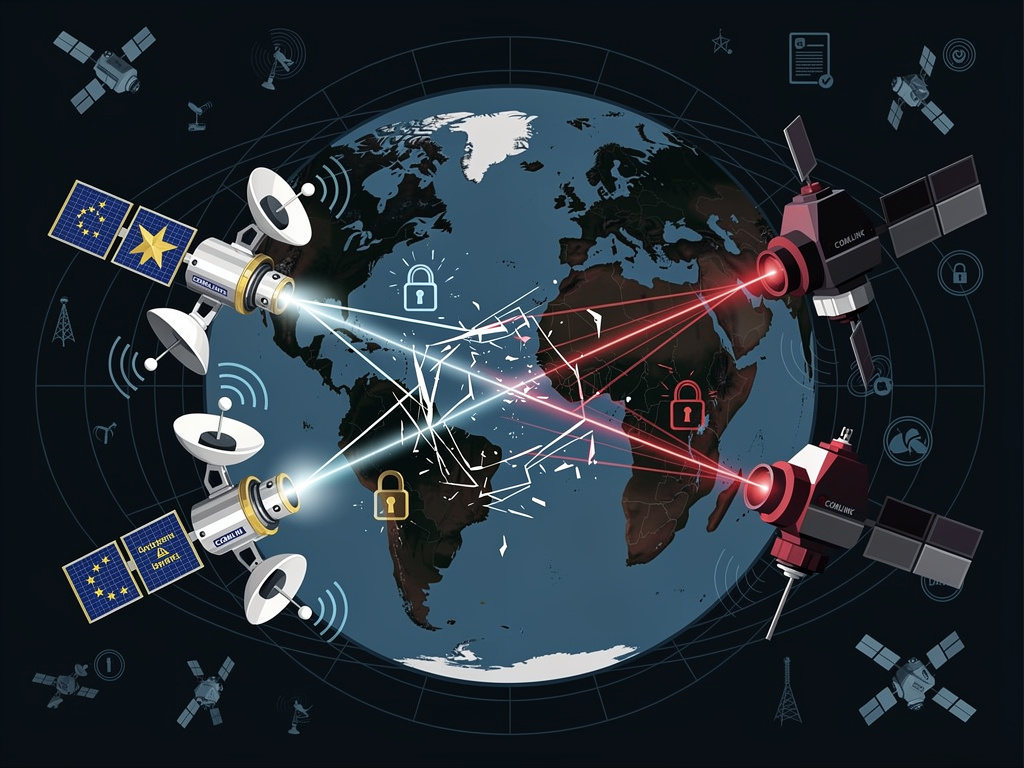
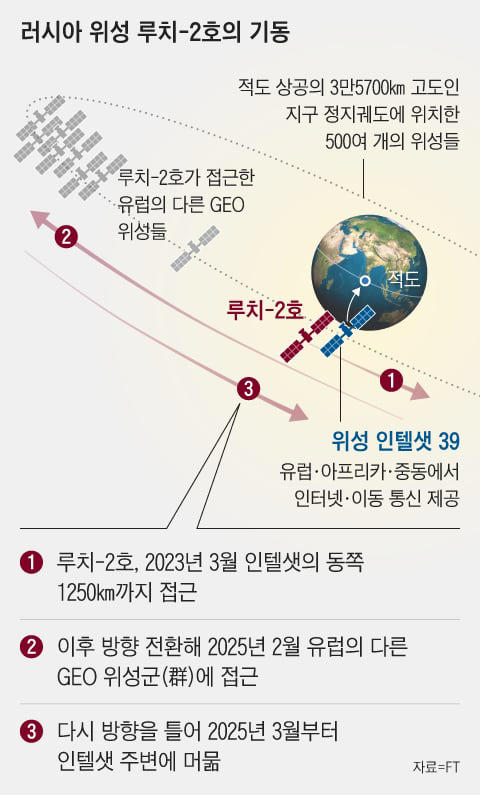
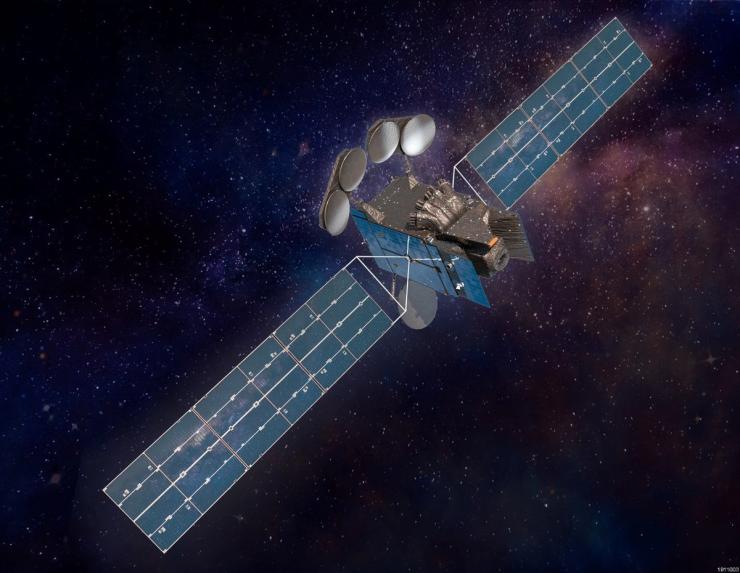
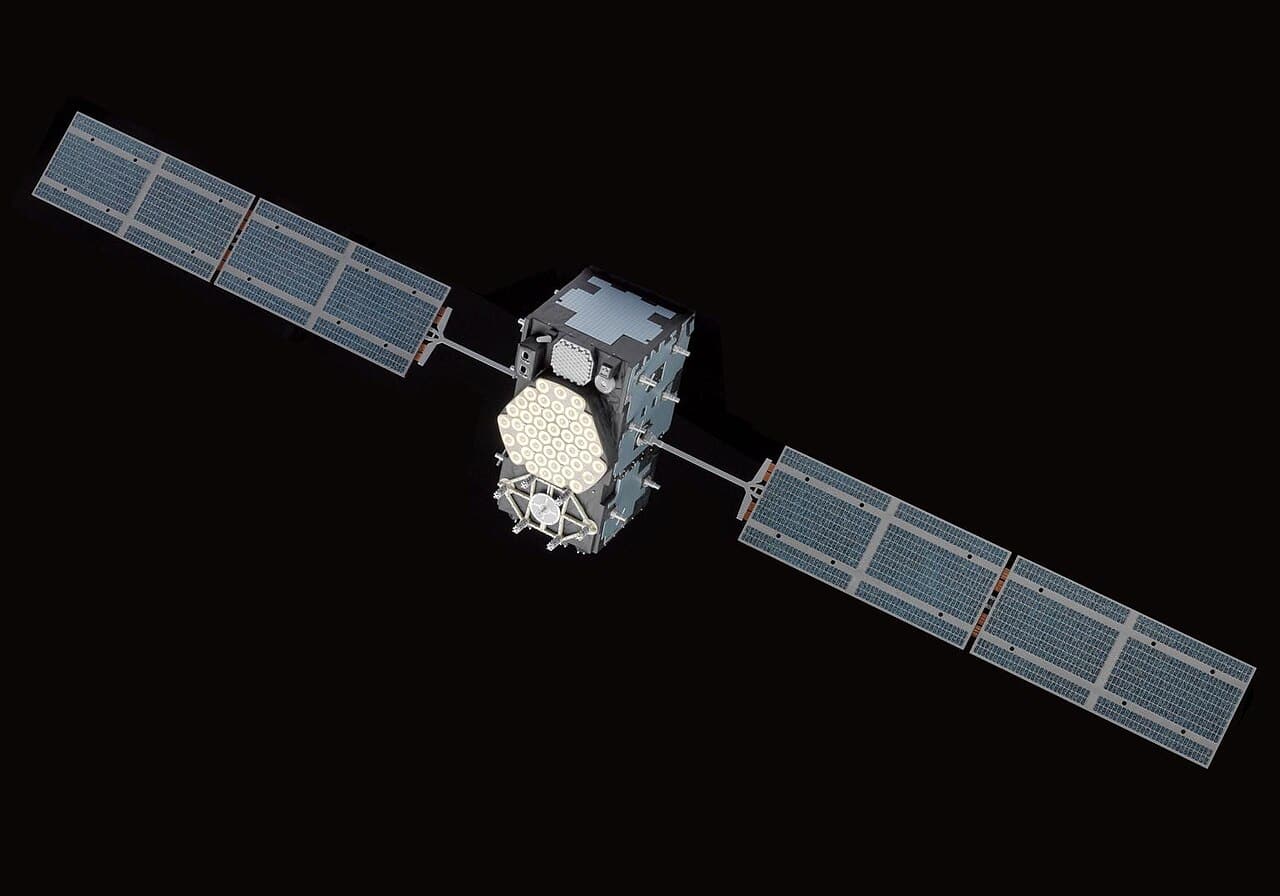
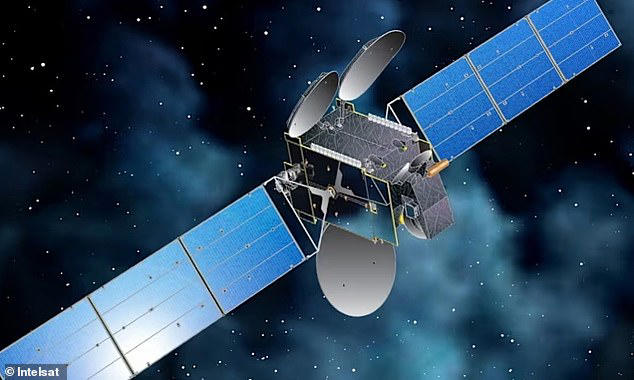
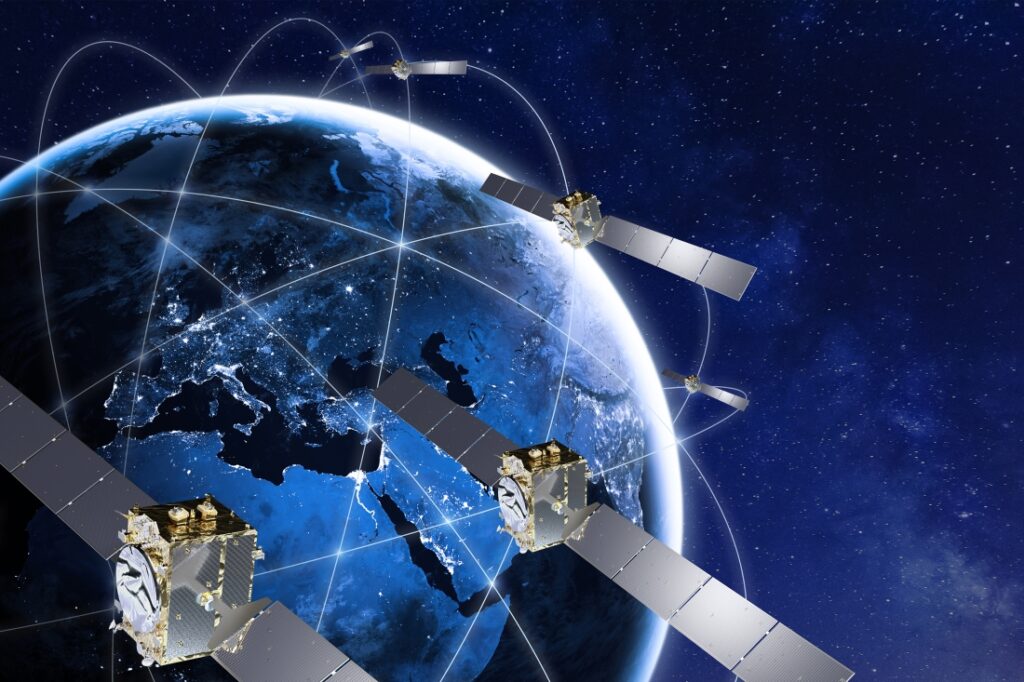
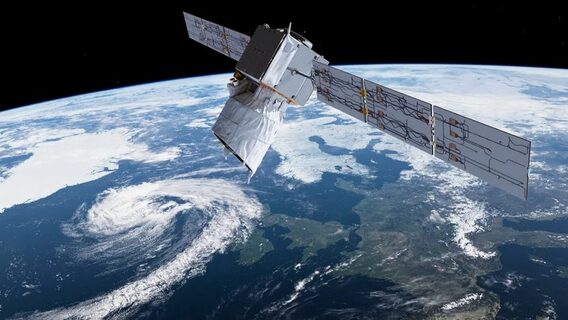
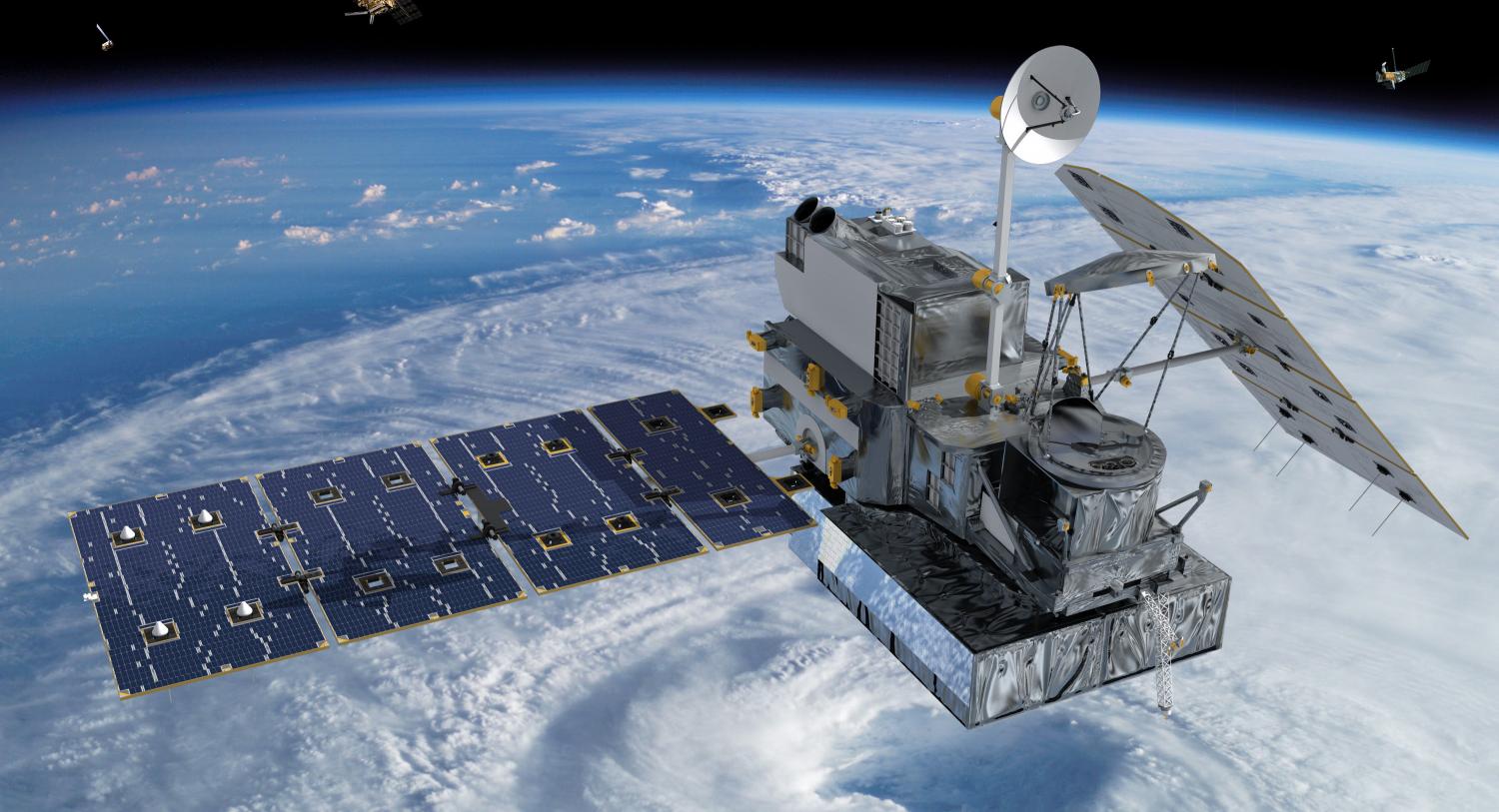
Russian military space operations targeting European geostationary satellites represent an emerging infrastructure vulnerability with cascading implications for cross-border e-commerce sellers. According to Financial Times reporting and EU officials, Russian space vehicles have approached and intercepted communications from critical European satellites lacking advanced encryption, creating potential sabotage pathways. Germany's €441 billion four-year military space investment and the EU's "big bang approach" to space defense signal urgent recognition of this threat—and a critical 18-24 month window during which civilian satellite services face disruption risks.
For e-commerce sellers, the operational impact is multifaceted and time-sensitive. Global logistics networks increasingly depend on satellite-based GPS tracking for real-time shipment monitoring, inventory management, and last-mile delivery optimization. Sellers using 3PL providers, Amazon FBA, or international fulfillment centers rely on satellite communications for order processing, customs documentation transmission, and payment system synchronization. A sustained satellite disruption could create 3-7 day delays in shipment tracking visibility, customs clearance processing, and cross-border payment settlement—directly impacting seller cash flow and customer satisfaction metrics.
The geopolitical context amplifies risk exposure. Russia's documented pattern of infrastructure attacks since 2022 (subsea cable targeting, power grid disruptions) demonstrates escalating hybrid warfare capabilities. EU defense officials characterize satellite interception as reconnaissance for future operational attacks, suggesting potential for coordinated, multi-vector infrastructure disruptions. Sellers with high-volume EU operations (particularly those shipping from Asia-Pacific to European markets) face compounded vulnerability: their supply chains traverse regions where satellite infrastructure faces active threat assessment.
Additionally, the €441 billion German military space investment signals long-term resource reallocation from civilian space programs. Commercial satellite operators may face reduced government subsidies, higher service costs, and prioritized military access during crisis periods. This creates a 12-18 month window where sellers should stress-test logistics resilience and identify terrestrial backup systems. Sellers dependent on satellite-based IoT tracking, real-time inventory visibility, or automated customs processing should begin evaluating alternative infrastructure now, before military space initiatives fully redirect civilian satellite capacity.
The strategic implication: sellers with EU exposure should treat satellite infrastructure resilience as a supply chain risk equivalent to port disruptions or customs delays. Proactive sellers can differentiate through redundant tracking systems, terrestrial-based logistics partnerships, and transparent customer communication about potential delays—converting infrastructure risk into competitive advantage.
問題 8
What product categories are most vulnerable to satellite-dependent logistics disruptions?
High-value, time-sensitive categories face greatest impact: electronics (requiring real-time inventory tracking), perishables (temperature monitoring via satellite IoT), pharmaceuticals (customs clearance automation), and luxury goods (requiring precise shipment visibility). Sellers in these categories should prioritize logistics redundancy. Conversely, sellers of non-perishable, lower-value goods (apparel, home goods) can tolerate 3-7 day tracking delays with minimal customer impact. Category-specific risk assessment should inform your infrastructure investment priorities.
Are there alternative logistics technologies I should implement to reduce satellite dependency?
Yes. Terrestrial alternatives include: cellular-based GPS tracking (4G/5G networks), ground-based customs processing systems, blockchain-based shipment verification, and traditional phone/email customs communication. Amazon FBA and major 3PL providers increasingly offer hybrid tracking combining satellite and cellular systems. Sellers should evaluate providers offering 'satellite-independent' tracking certifications. Implementation costs typically range $500-2,000 per month for mid-size sellers, but provide insurance against 3-7 day tracking blackouts that could cost $5,000-15,000 in lost sales and customer service issues.