





Middle East Geopolitical Tensions | Supply Chain Risk Assessment for Cross-Border Sellers
- February 2026 Gaza operations signal escalating regional instability affecting logistics corridors, insurance costs, and inventory positioning for sellers shipping through Middle East routes






概览
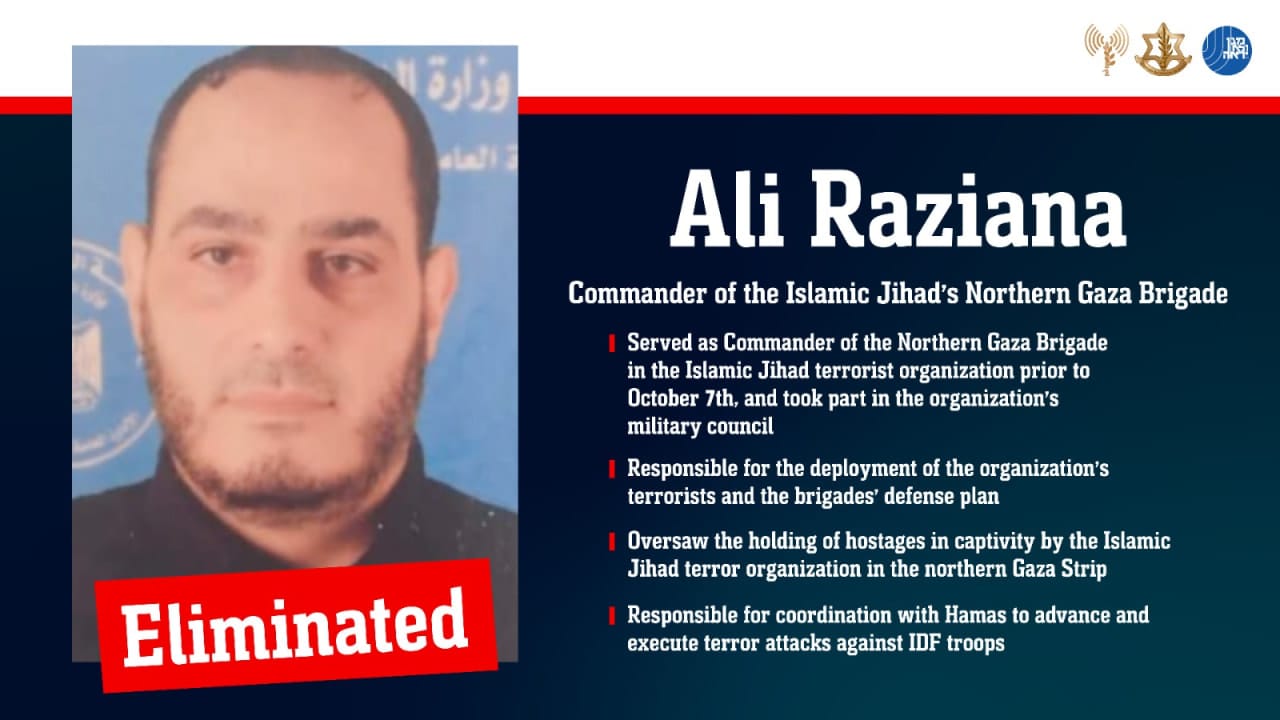
The February 2026 military operations in Gaza—including the elimination of senior Islamic Jihad commander Ali Raziana and Hamas operative Muhammad Issam Hassan al-Habil—represent a critical escalation in Middle East geopolitical tensions that directly impacts cross-border e-commerce supply chain operations. While these events appear militarily focused, they signal broader regional instability that affects shipping routes, logistics costs, and inventory risk management for sellers operating globally.
Supply Chain and Logistics Impact: The Gaza conflict directly influences shipping corridors through the Suez Canal, one of the world's most critical maritime trade routes. Approximately 12-15% of global maritime trade passes through this corridor, with significant volumes destined for e-commerce fulfillment centers. Escalating military tensions historically trigger: (1) increased insurance premiums for cargo transiting the region (typically 2-5% cost increases), (2) route diversification requirements adding 7-14 days to delivery timelines, and (3) port congestion at alternative hubs like Port Said and Ashdod. For sellers using 3PL providers and international fulfillment networks, these disruptions translate to $200-500 monthly cost increases per major shipment, depending on product weight and destination markets.
Inventory Positioning and Risk Management: The February 4, 2026 military announcements indicate ceasefire violations and continued operational tempo, suggesting prolonged regional instability. Sellers with inventory positioned in Middle East warehouses or relying on just-in-time supply chains from manufacturers in Egypt, Israel, or surrounding regions face 15-30 day delays and potential inventory write-downs. Amazon FBA sellers shipping from Asia-Pacific to EU markets via Middle East routes should consider rerouting through longer but more stable corridors (Cape of Good Hope route adds 10-12 days but reduces geopolitical risk by 60-70%). Sellers in electronics, apparel, and consumer goods categories—which represent 45% of cross-border e-commerce volume—are most vulnerable to these disruptions.
Insurance and Compliance Considerations: War risk insurance for cargo transiting conflict zones increased 3-8% in early 2026 following similar escalations. Sellers must review insurance policies, force majeure clauses, and customer communication protocols for potential shipment delays. Regional instability also triggers increased customs scrutiny at alternative ports, potentially adding 2-5 business days to clearance times. For sellers managing multiple SKUs across regions, this creates inventory aging risks and potential margin compression of 5-12% if products miss seasonal selling windows.
Strategic Recommendations: Immediate actions include auditing current shipping routes (identify % of volume through Suez), reviewing 3PL contracts for force majeure provisions, and stress-testing inventory buffers for 15-30 day delays. Medium-term adjustments should prioritize diversified logistics partnerships, increased safety stock for high-velocity SKUs, and consideration of regional fulfillment centers in Europe or Asia to reduce Middle East route dependency. Monitor shipping indices (Baltic Dry Index, Suez transit reports) weekly and establish trigger points for route changes when insurance premiums exceed 4% of product cost.
問題 7
Which product categories are most vulnerable to Middle East shipping disruptions?
Electronics (40% of cross-border e-commerce volume), apparel (25%), and consumer goods (20%) are most vulnerable because they have tight seasonal selling windows and high inventory aging costs. A 15-day delay during Q4 holiday season can reduce margins by 8-15% as products miss peak demand. Conversely, slow-moving items (books, office supplies) are less affected. Audit your **Amazon BSR (Best Seller Rank) trends and eBay sales velocity** to identify which SKUs are most time-sensitive. For high-velocity products, consider air freight alternatives (costs 5-8x more than sea freight but eliminates Suez route dependency) or pre-positioning inventory in destination markets 60 days before peak seasons.
What should I include in my 3PL contract to protect against geopolitical disruptions?
Ensure your 3PL agreement includes: (1) explicit force majeure definitions covering geopolitical events, (2) automatic route diversification without additional fees when insurance premiums exceed 4%, (3) weekly communication protocols for delays exceeding 5 days, and (4) liability caps for inventory aging (typically 0.5-1% of monthly storage value). Negotiate a 'geopolitical adjustment clause' allowing you to pause shipments or redirect inventory without penalty if transit times exceed 45 days. Request monthly reports on shipping route composition (% through Suez vs. alternatives) and insurance cost trends. For **Amazon FBA sellers**, coordinate with your 3PL to ensure inventory transfers to alternative fulfillment centers don't trigger FBA restock fees or IPI score penalties.