




Silver Price Collapse 36% | Jewelry & Luxury Sellers Face Margin Compression & Sourcing Opportunity
- Silver plunges from $79.60 to $78.38/oz amid speculative unwinding; impacts jewelry, watches, and precious metal product sellers with 15-25% cost volatility and inventory valuation challenges








-1770194823014-1770194823016.png)






















概览
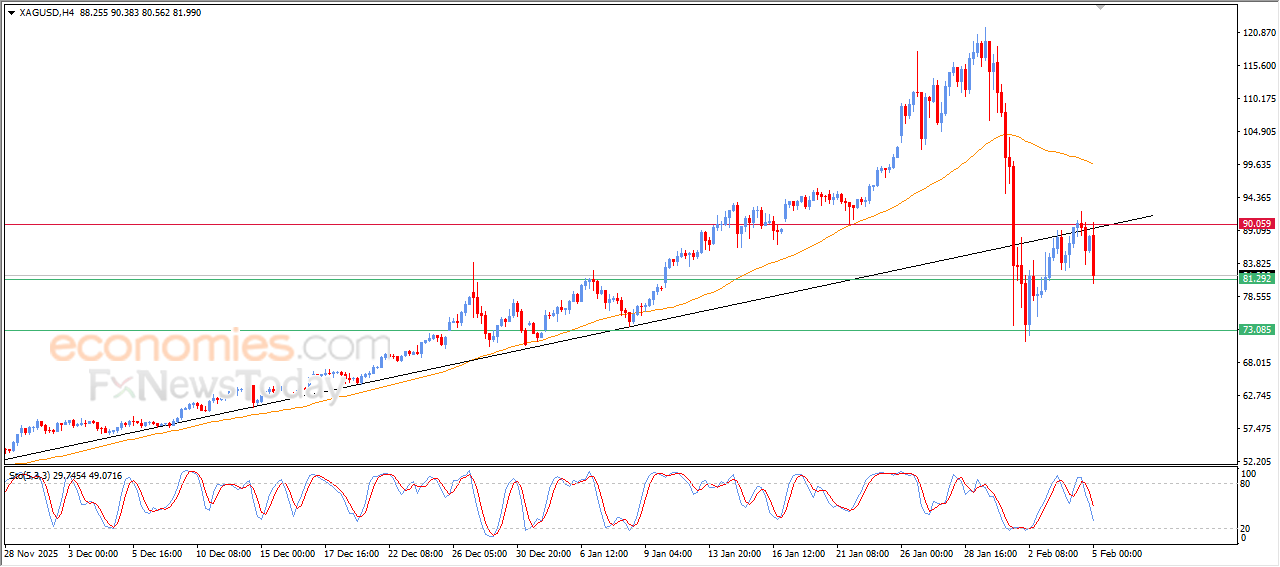
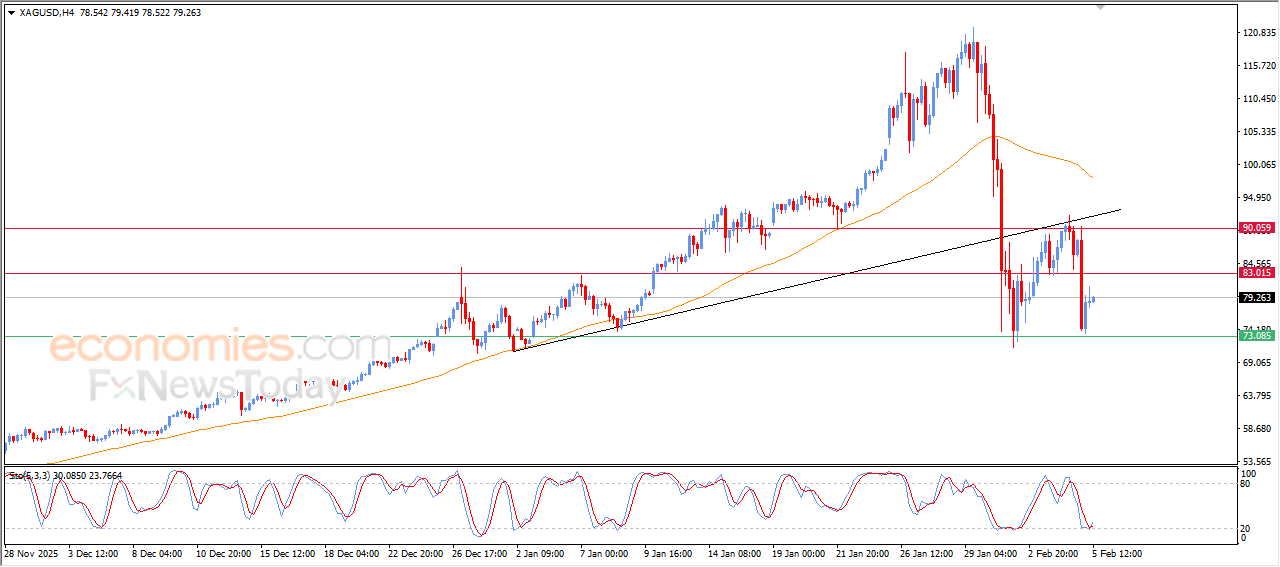
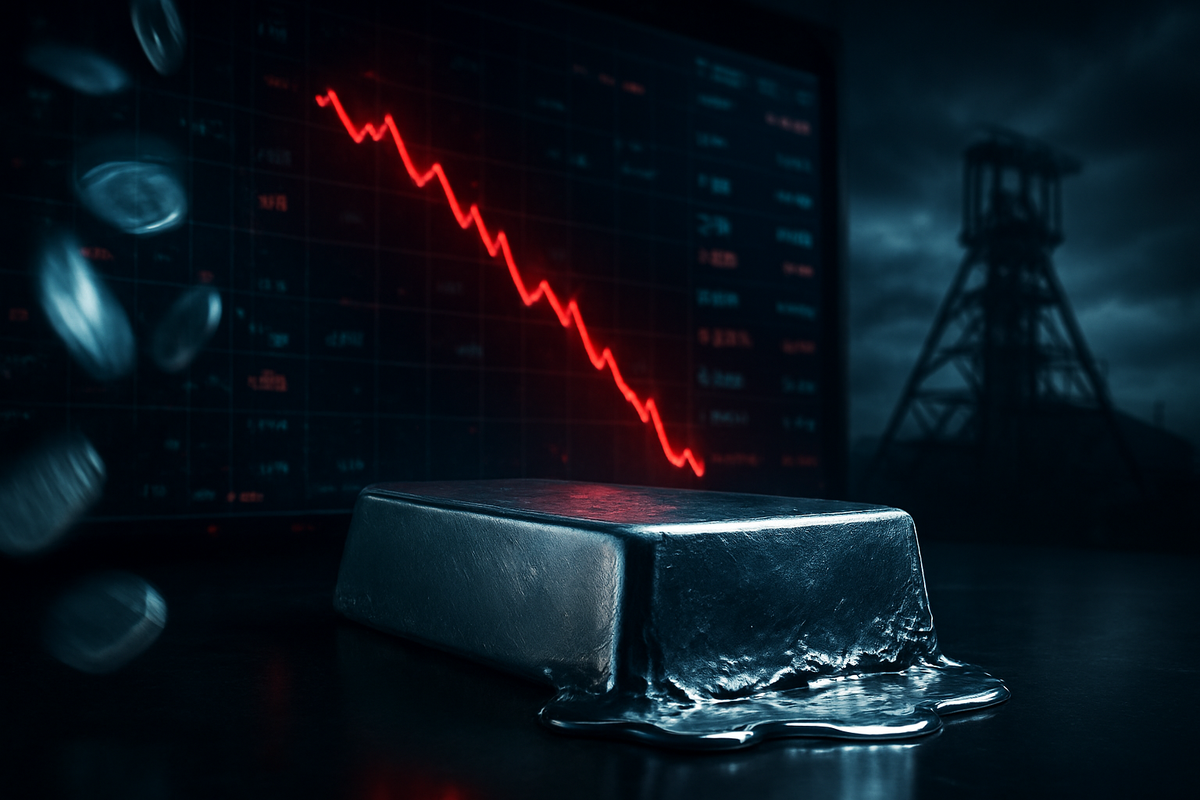
The precious metals market experienced historic volatility in early February 2026, with silver experiencing a catastrophic 36% single-day plunge following a 146% rally throughout 2025. This represents the worst silver performance since 1980, with spot prices falling from record highs to $78.38 per ounce by February 6, 2026. Gold showed relative stability, declining only 0.7-1.7% to $4,878-$4,926 per ounce, reflecting divergent market dynamics between the two metals. The collapse was driven by speculative position unwinding rather than fundamental demand destruction, with analysts attributing the crash to leveraged trading, options-driven flows, and dealer hedging reversals triggered by the nomination of Kevin Warsh as Federal Reserve Chair.
For cross-border e-commerce sellers, this volatility creates both acute challenges and strategic opportunities. Jewelry, watches, and precious metal product sellers sourcing from China or selling silver-based items face immediate margin compression of 15-25% as inventory valuations swing dramatically. Sellers with existing silver-heavy inventory purchased at peak prices ($100+ per ounce equivalent in finished goods) now face significant write-downs. However, the sharp decline creates a 30-60 day window for strategic inventory acquisition at 30-40% discounts compared to 2025 pricing, particularly for sellers with cash reserves and flexible fulfillment timelines. The recovery timeline matters critically: Ned Davis Research analysis indicates silver historically requires 7 years to find a bottom after major corrections and 14 years to reach new all-time highs, suggesting this is not a temporary dip but a multi-year structural reset.
Market dynamics reveal critical sourcing intelligence for sellers. The volatility is concentrated in Western trading flows (occurring during Chinese market closures), indicating Chinese manufacturers and suppliers may be less affected by panic selling. This creates an asymmetric opportunity: sellers can source silver-based products from Chinese suppliers at depressed prices while Western retail demand remains uncertain. The London market's tight liquidity conditions magnified price swings, suggesting smaller sellers with direct supplier relationships may access better pricing than large retailers relying on commodity exchanges. Goldman Sachs maintains a bullish $5,400 per ounce forecast for December 2026, while UBS projects $5,900 by year-end, indicating institutional buyers view current levels as attractive entry points—a signal that demand recovery may begin within 6-12 months.
Operational implications extend beyond raw material costs. Sellers must immediately audit inventory valuation methods: FIFO accounting will show significant losses on peak-priced stock, while LIFO or weighted-average methods may provide more favorable reporting. Product pricing strategies require recalibration—maintaining 2025 price points on silver jewelry will erode margins by 20-30%, forcing either price reductions to remain competitive or margin acceptance. Sellers with Amazon FBA or Shopify inventory should prioritize moving peak-priced stock through clearance channels within 60 days before further price deterioration. The momentum-driven nature of the crash (compared to GameStop-style meme stock trading) suggests retail demand for silver products may weaken further as consumer confidence declines, making inventory reduction a priority over accumulation.
問題 7
How does the 36% silver price crash impact jewelry sellers on Amazon and Shopify?
The silver collapse directly affects jewelry sellers through inventory valuation losses and margin compression. Sellers with peak-priced inventory (purchased at $100+ per ounce equivalent in finished goods) now face 20-30% write-downs as silver trades at $78.38 per ounce. On Amazon FBA, this impacts inventory storage cost calculations and profitability metrics used for Buy Box eligibility. Sellers must immediately audit FIFO/LIFO accounting methods and consider clearance pricing within 60 days to minimize further losses. Shopify sellers should adjust product pricing downward by 15-25% to remain competitive while protecting margins.
Should jewelry sellers buy silver inventory now or wait for further price declines?
Historical analysis from Ned Davis Research indicates silver typically requires 7 years to find a bottom after major corrections, suggesting current $78-79 levels may not represent the absolute floor. However, the 30-40% discount from 2025 peak prices creates a strategic window for sellers with cash reserves and 90+ day inventory turnover. The optimal strategy is selective accumulation: purchase 20-30% of normal quarterly inventory at current prices while maintaining cash reserves for potential further declines to $60-70 per ounce. Goldman Sachs' $5,400 December 2026 forecast suggests recovery may begin within 6-12 months, making current levels attractive for long-term inventory positioning.