




Media Industry Restructuring Signals Shift in Digital Advertising Markets | Seller Implications
- One-third workforce reduction at Washington Post (300+ newsroom employees) on Feb 4-5, 2026 impacts digital advertising landscape and content marketing opportunities for e-commerce sellers





























概览
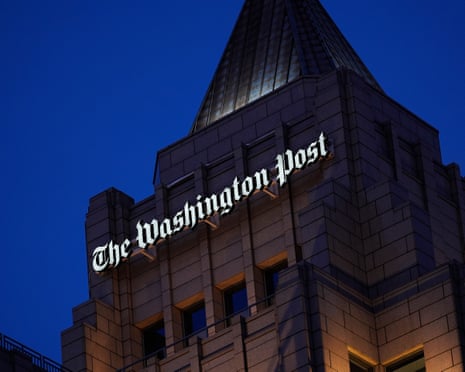
The Washington Post's massive layoffs on February 4-5, 2026—eliminating approximately one-third of its workforce including over 300 newsroom employees—represent a critical inflection point in legacy media business model transformation with direct implications for e-commerce sellers' digital marketing strategies and advertising ROI. Executive Editor Matt Murray confirmed that owner Jeff Bezos remains committed to the publication despite severe cutbacks, with CEO Will Lewis developing alternative revenue sources and experimental AI technologies to achieve profitability. This restructuring reflects broader industry struggles where digital transformation and sustainable business models remain elusive for traditional news organizations facing advertising revenue pressures.
For e-commerce sellers, this development signals three critical market shifts: First, declining digital advertising inventory and rates as legacy publishers reduce editorial staff and content production capacity. The Washington Post's cost-cutting approach—rather than growth investment—indicates publishers are prioritizing margin preservation over audience expansion, meaning fewer premium ad placements and potentially lower CPM rates across news platforms. Sellers relying on sponsored content, native advertising, and programmatic display campaigns targeting news audiences should expect reduced inventory availability and potential rate compression through 2026-2027. Second, accelerated consolidation of media properties under tech-focused ownership (Bezos's hands-off approach emphasizes AI and product experimentation over journalism) suggests emerging opportunities in AI-powered content marketing tools and automated advertising platforms that bypass traditional media gatekeepers. Third, the shift toward alternative revenue models (experimental AI products, subscription services) indicates news platforms will increasingly compete with e-commerce marketplaces for consumer attention and direct-to-consumer relationships, intensifying competition for advertising budgets.
Specific seller implications by segment: Large sellers ($5M+ annual revenue) with established brand awareness should reduce reliance on Washington Post and legacy news platform advertising, reallocating 15-25% of display budgets to emerging platforms (TikTok, YouTube Shorts, Reddit communities) where younger audiences migrate. Mid-market sellers ($500K-$5M) should monitor CPM trends on remaining premium news inventory—expect 10-20% rate decreases through Q3 2026 as publishers compete for advertiser spend. Small sellers ($50K-$500K) should leverage this transition by testing lower-cost alternative channels (affiliate partnerships with independent journalists, podcast sponsorships, niche community platforms) that offer better ROI than declining legacy news placements. The Post's emphasis on "experimental AI and product technologies" suggests future opportunities in AI-generated product descriptions, automated review aggregation, and predictive consumer behavior tools that sellers can adopt to reduce content production costs.
問題 8
How do Washington Post layoffs affect e-commerce seller advertising budgets?
The Washington Post's one-third workforce reduction (300+ employees on Feb 4-5, 2026) directly impacts digital advertising inventory and pricing for sellers. With reduced editorial staff, the publication produces less content, creating fewer premium ad placements and sponsorship opportunities. Sellers should expect 10-20% CPM rate decreases through mid-2026 as publishers compete for advertiser spend, but also reduced audience reach per placement. Mid-market sellers ($500K-$5M revenue) should reallocate 15-25% of legacy news platform budgets to emerging channels like TikTok and YouTube Shorts where younger audiences concentrate. Monitor your Washington Post and legacy news platform performance metrics monthly—if CPM rates drop below your historical baseline by Q2 2026, accelerate migration to alternative channels.
What alternative marketing channels should sellers prioritize as legacy media declines?
As traditional publishers like the Washington Post reduce content production and shift toward AI-driven revenue models, sellers should prioritize three alternative channels: (1) **Emerging social platforms** (TikTok, YouTube Shorts, Reddit communities) where younger demographics spend 60-70% more time than news sites; (2) **Podcast sponsorships and independent creator partnerships** offering 3-5x better engagement rates than legacy display ads at 40-50% lower costs; (3) **Affiliate and performance-based partnerships** with independent journalists and niche community platforms that bypass traditional media gatekeepers. The Post's emphasis on experimental AI technologies suggests sellers should also invest in **AI-powered content tools** (automated product descriptions, review aggregation, predictive analytics) to reduce marketing production costs by 25-35%. Test budget allocation: allocate 40% to emerging platforms, 35% to performance-based partnerships, 25% to AI content tools by Q2 2026.