


Korean Market Wealth Shift Reshapes E-Commerce Demand | Sellers Face Currency Volatility & Consumer Spending Changes
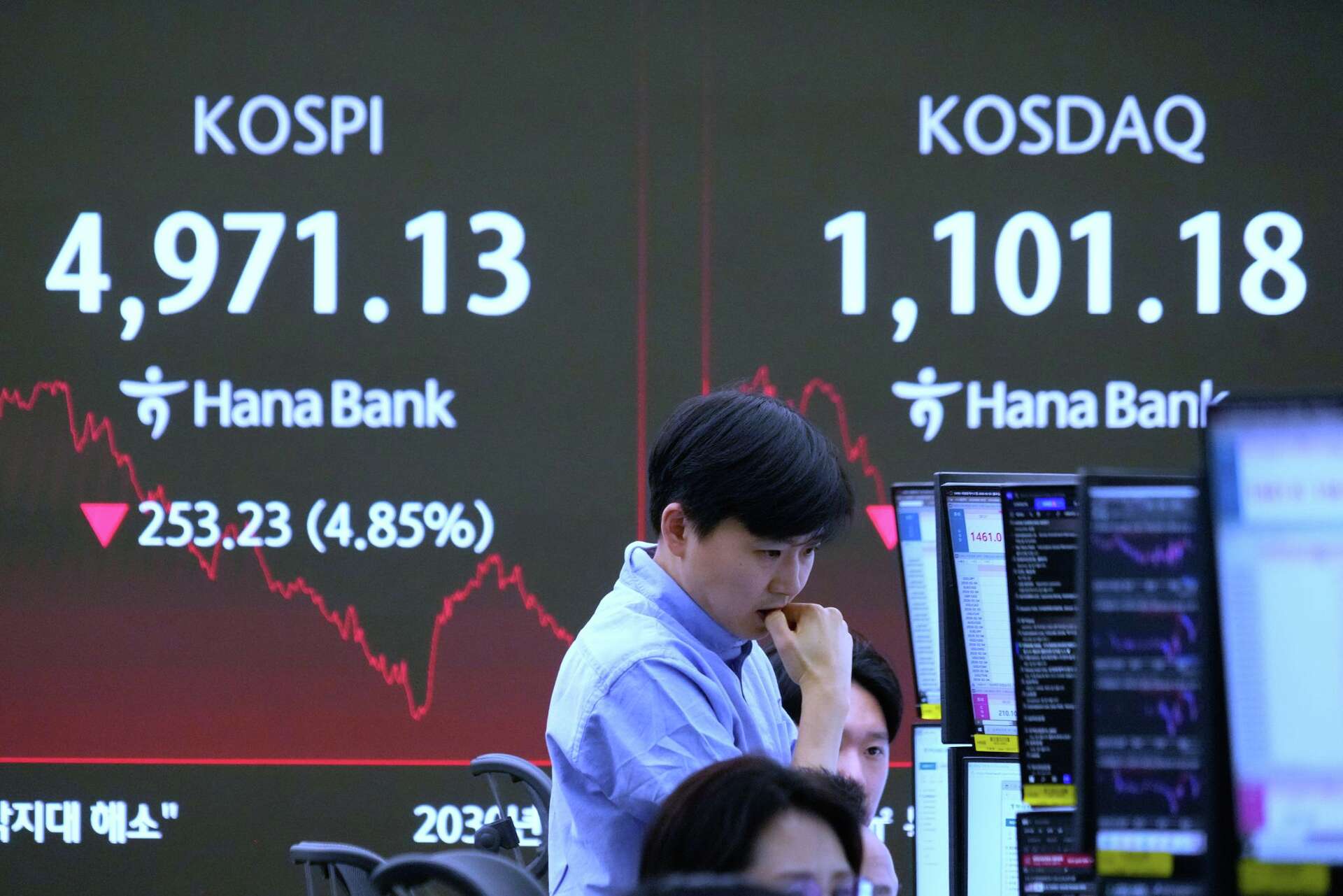
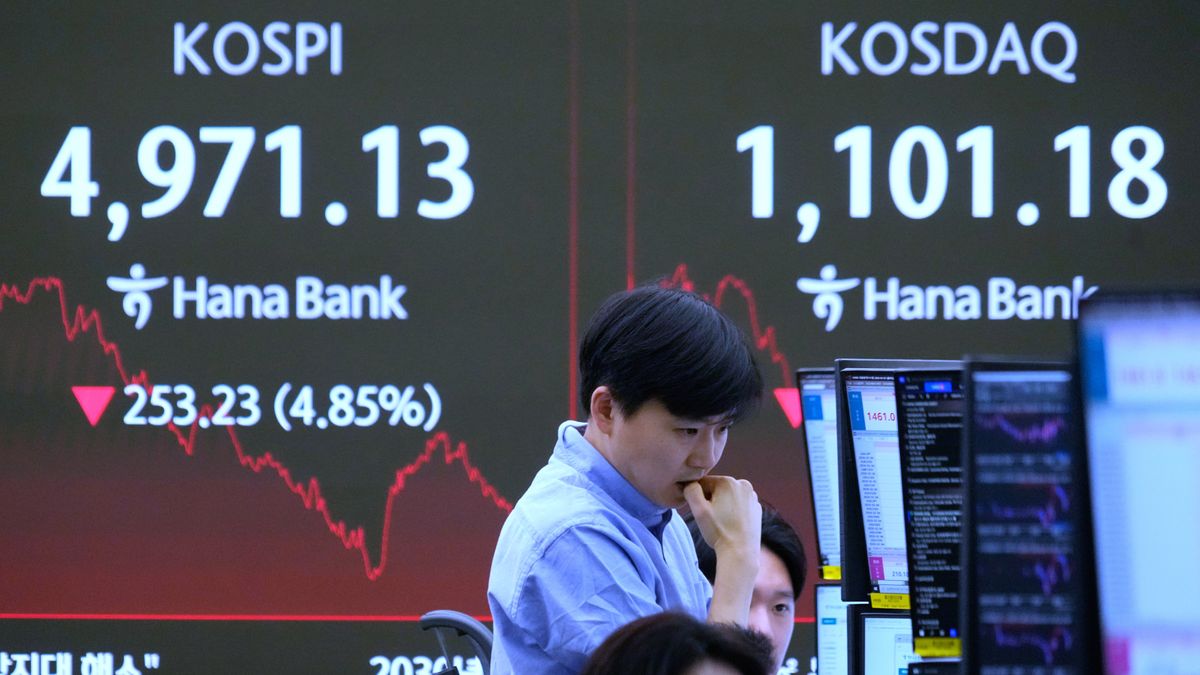
- KOSPI/KOSDAQ surge to 5,069 trillion won (71% of housing values) drives 30.7 trillion won banking exodus; record volatility creates 8-15% KRW fluctuation risk for sellers sourcing Korean electronics, cosmetics, fashion

















概览
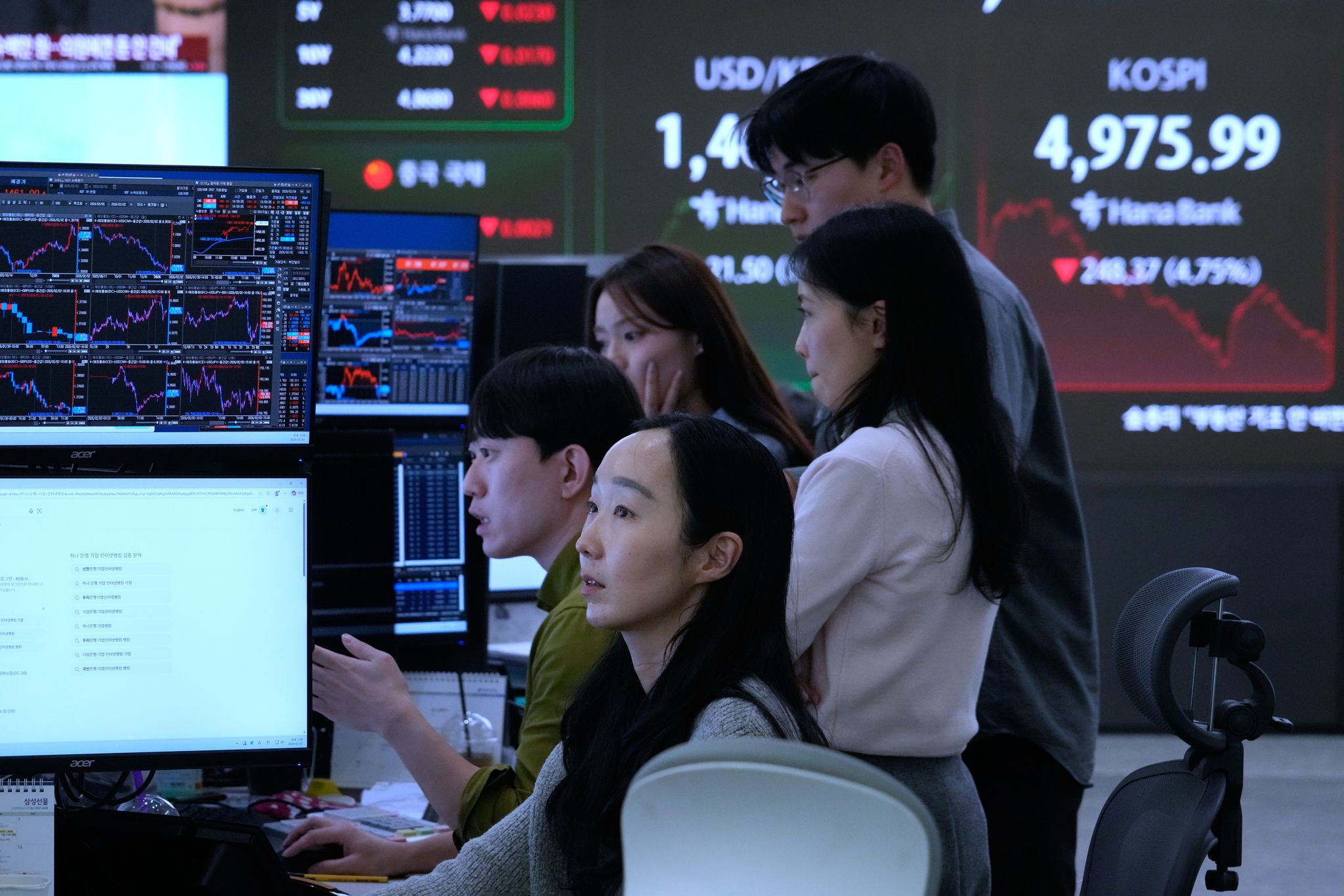
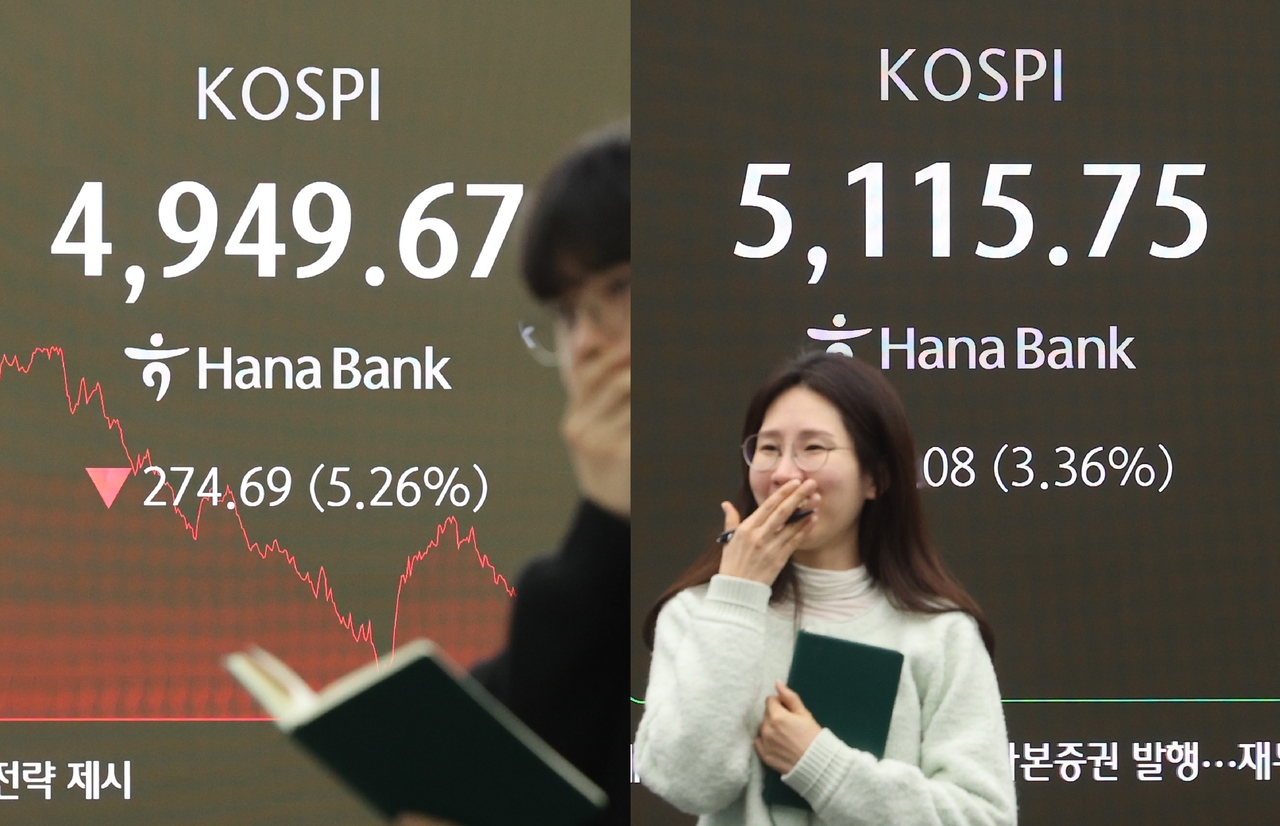
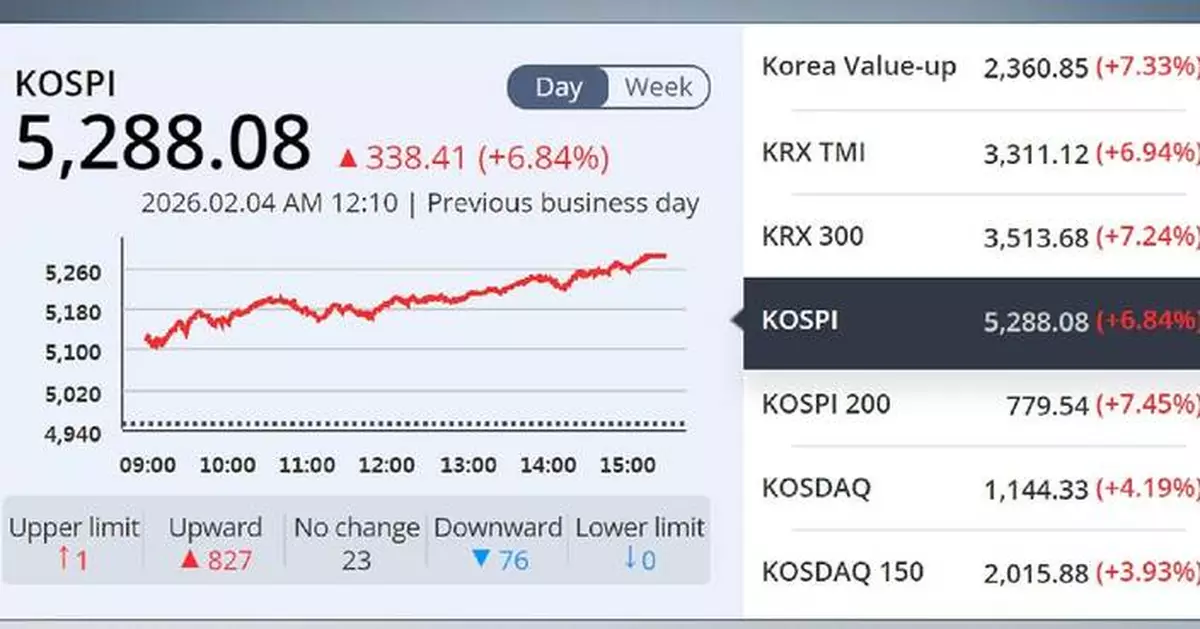
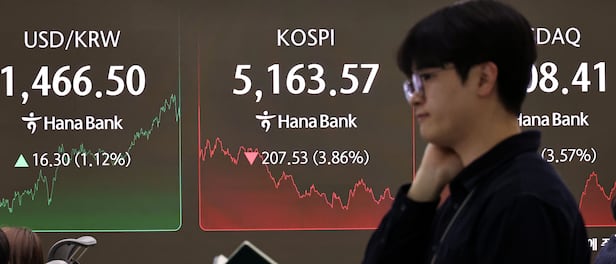
South Korea's explosive equity market rally—with KOSPI/KOSDAQ market capitalization surging 1,000 trillion won in just 23 trading days to reach 5,069 trillion won by February 4, 2026—represents a fundamental wealth reallocation that directly impacts cross-border e-commerce sellers. The shift from real estate to equities (market cap now 71% of housing values vs. 32% previously) signals Korean households are redirecting capital from traditional savings into risk assets, fundamentally altering consumer spending patterns and business investment priorities. Simultaneously, record market volatility is forcing traders to pay premium hedging costs, creating currency fluctuation risks that directly affect sellers sourcing from Korean manufacturers.
For cross-border sellers, this dual dynamic creates both immediate financial risks and strategic opportunities. The 30.7 trillion won exodus from Korean bank demand deposits (declining to 643.2 trillion won by January 29, 2026) indicates Korean consumers are reducing liquid cash reserves—potentially constraining discretionary spending on imported goods through platforms like Coupang and Naver. However, the 110+ trillion won in investor deposits reaching record highs suggests affluent Korean consumers are actively trading and may increase spending on premium imported products (electronics, cosmetics, fashion) during market rallies. Sellers sourcing from Korean manufacturers—particularly in electronics, cosmetics, and fashion categories—face immediate currency exposure: the won's volatility against USD/EUR creates 8-15% sourcing cost fluctuations. A seller importing Korean beauty products at 1,000 units/month could see costs swing $2,000-4,000 monthly depending on KRW/USD movements.
The hedging premium mentioned in market reports signals institutional concern about sustained volatility, indicating broader economic uncertainty in the region. This uncertainty may suppress Korean consumer purchasing power for imported goods, while simultaneously creating opportunities for sellers to lock in favorable KRW rates before further appreciation. Sellers with significant Korean supply chain dependencies should immediately implement FX hedging strategies: forward contracts on KRW/USD pairs (typically 2-3% hedging costs) are preferable to spot purchases given current volatility. Additionally, the wealth shift toward equities may reduce Korean real estate investment, potentially freeing capital for Korean manufacturers to expand production capacity—creating sourcing opportunities for sellers willing to negotiate volume commitments. The market's resilience despite US stock declines (driven by individual net buying and ETF investments) suggests Korean consumer confidence remains relatively stable, supporting continued demand for imported premium goods.
問題 8
How does Korean market volatility affect my sourcing costs from Korean manufacturers?
Korean market volatility directly impacts KRW/USD exchange rates, creating 8-15% monthly cost fluctuations for sellers importing Korean electronics, cosmetics, and fashion. A seller importing 1,000 units monthly at $10/unit could see costs swing $800-1,500 depending on won movements. The news reports record hedging premiums (traders paying up for protection), indicating sustained volatility ahead. Implement forward contracts locking in KRW rates 30-90 days ahead (typically 2-3% hedging costs) to stabilize sourcing expenses. Monitor Korea Exchange data weekly and consider negotiating volume discounts with manufacturers to offset currency losses.
Will Korean consumer spending increase or decrease with this stock market surge?
The impact is mixed: Korean households are shifting 30.7 trillion won from bank deposits into equities, reducing liquid cash available for discretionary imports. However, the 110+ trillion won in investor deposits reaching record highs suggests affluent Korean consumers are actively trading and may increase premium product spending during market rallies. Historically, stock market gains drive 15-25% increases in luxury goods purchases. Sellers should expect bifurcated demand: reduced spending from middle-income consumers (fewer liquid reserves) but increased premium product demand from wealthy traders. Focus marketing on high-margin imported electronics and cosmetics targeting affluent Korean consumers on Coupang and Naver.