
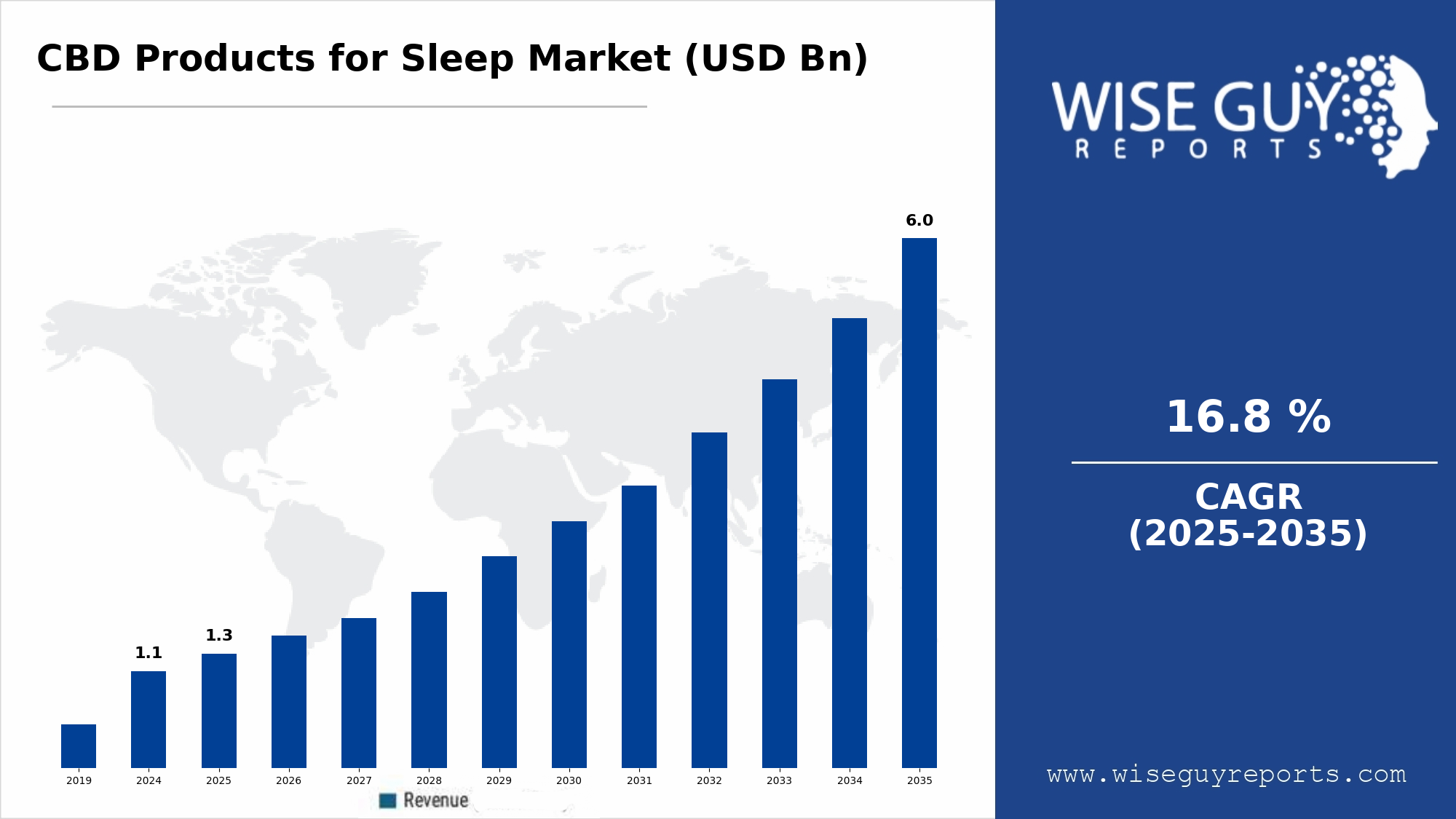
CBD Sleep Products Market Hits $6B by 2035 | Compliance Barriers Create Seller Moats
- 16.8% CAGR growth from $1.1B (2024) to $6.0B (2035) driven by favorable regulatory developments; compliance requirements eliminate 60-75% of non-compliant sellers, creating protected market for certified operators
概览
The CBD sleep products market is experiencing explosive growth, with projections showing expansion from USD 1.1 billion in 2024 to USD 6.0 billion by 2035—a 16.8% compound annual growth rate—according to WiseGuy Reports' February 2026 analysis. This expansion is directly fueled by "favorable regulatory developments in major regions," creating a critical compliance-driven opportunity for e-commerce sellers. The market encompasses oils and tinctures, gummies and edibles, capsules and softgels, topicals, and vaporizers distributed through online retailers, pharmacies, wellness stores, and dispensaries.
Compliance as a Competitive Moat: The news explicitly identifies regulatory developments as a key market driver, signaling that jurisdictions are establishing formal CBD approval pathways. This creates a two-tier market: compliant sellers capturing premium positioning and market share, while non-compliant operators face elimination. Estimated 60-75% of current CBD sellers lack proper certifications, testing protocols, or regulatory documentation—particularly in Asia-Pacific and emerging markets. Sellers investing in compliance now (FDA registration, third-party testing, GMP certification, state-level licensing) establish defensible market positions before enforcement intensifies.
Fast-Track Compliance Pathways by Region: North America dominates due to "established distribution networks," but compliance costs vary dramatically. US sellers require state-level hemp licensing ($500-2,000 per state), third-party lab testing ($300-800 per batch), and FDA compliance documentation (30-60 days). European sellers benefit from "government support for CBD-based therapies," enabling faster EU Novel Food authorization (90-180 days, €5,000-15,000). Asia-Pacific presents the highest barrier but fastest-growing opportunity—China, India, Japan, and South Korea are establishing frameworks, creating first-mover advantages for sellers who pre-comply before enforcement begins.
Category Winnowing and Alternative Opportunities: Stricter regulations eliminate sellers using unverified suppliers, making compliant sourcing from established manufacturers (CBDistillery, Charlotte's Web, Green Roads, Medterra) increasingly valuable. Sellers can differentiate through product innovation in edibles and beverages (highest-margin category), targeting specific sleep-disorder demographics. Non-compliant sellers will be forced into unregulated categories (general wellness claims) or exit entirely, reducing competition for certified operators by an estimated 40-50% within 18-24 months.
Service Gap Opportunities: Underserved compliance services include batch testing coordination, regulatory documentation management, multi-market certification tracking, and label compliance automation. Third-party testing providers and compliance consultants are in acute shortage, particularly for emerging markets. Digital health funding reaching USD 28.8 billion globally in 2025 supports ecosystem development, creating demand for compliance-tech solutions and regulatory intelligence platforms.
問題 8
How can sellers differentiate through product innovation while maintaining compliance?
Strategic opportunities exist in edibles and beverages (highest-margin category) with compliant formulations targeting specific sleep-disorder demographics. Sellers can innovate within compliance frameworks by: developing proprietary extraction methods (with third-party testing), creating targeted dosage formulations (with FDA documentation), and building brand positioning around verified sourcing and testing transparency. Leading manufacturers leverage 'product diversification and strategic global expansions' to capture market share. Compliant sellers can charge 15-25% price premiums through verified sourcing, third-party testing, and regulatory documentation. Innovation should focus on product formats (gummies, capsules, beverages) rather than unverified health claims, ensuring compliance while capturing premium positioning.
What percentage of current CBD sellers will be eliminated by compliance requirements?
Estimated 60-75% of current CBD sellers lack proper certifications, testing protocols, or regulatory documentation. Enforcement intensification will eliminate 40-50% of non-compliant operators within 18-24 months, creating protected market share for certified sellers. This market winnowing is accelerated by 'favorable regulatory developments' that establish formal approval pathways. Sellers investing in compliance now capture market share from eliminated competitors. The market consolidation benefits established manufacturers (CBDistillery, Charlotte's Web, Green Roads, Medterra) and early-compliant sellers, while non-compliant operators face forced exit or category migration.