






Amazon $200B AI Capex Surge Signals Platform Transformation | Sellers Must Adapt to AI-Driven Competition & Demand Shifts
- Amazon's 56% capex increase ($200B) and Alphabet's $185B AI investment reshape platform priorities; weakening labor market (job openings at 2020 lows) signals 15-25% consumer spending contraction risk for discretionary categories











































概览
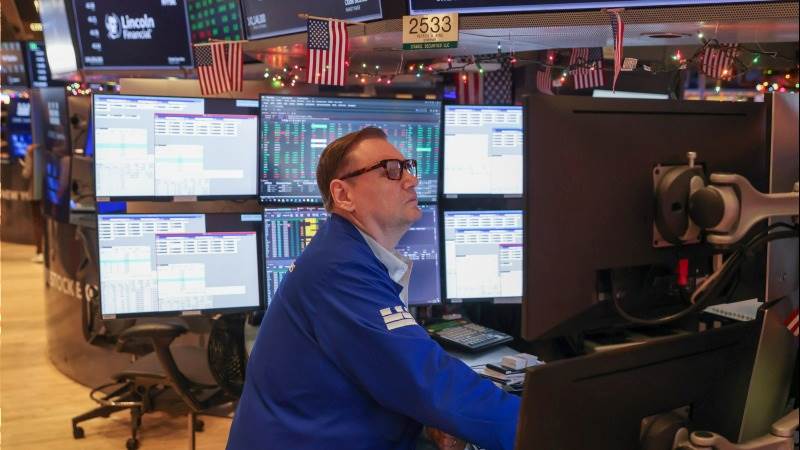
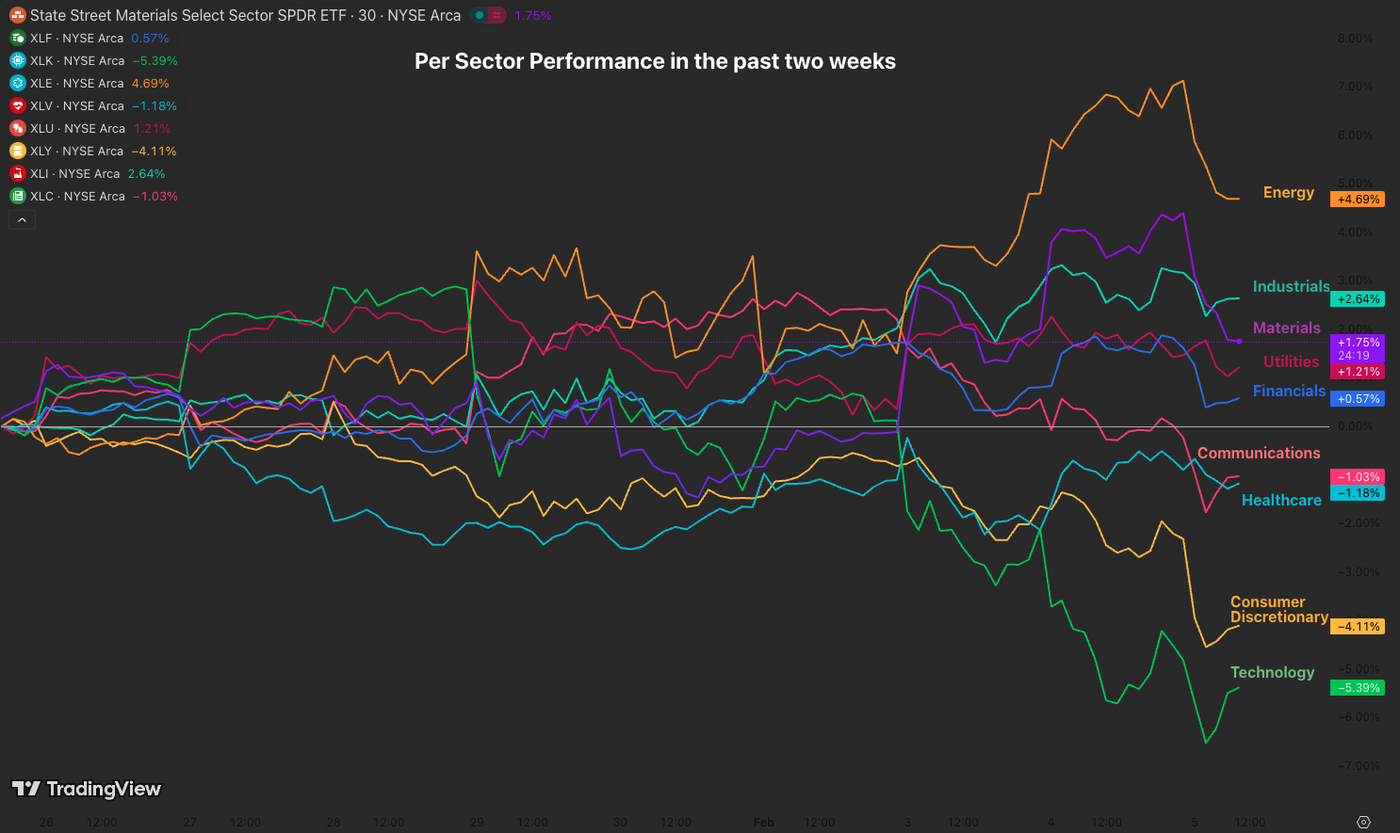
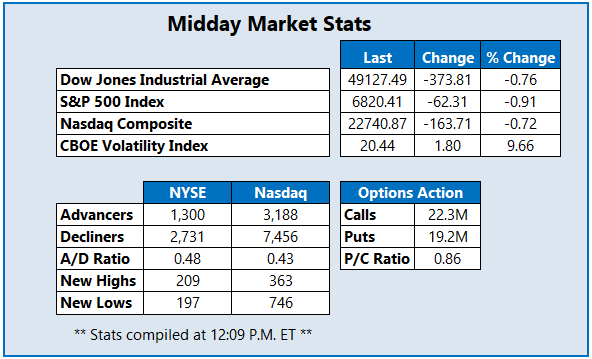
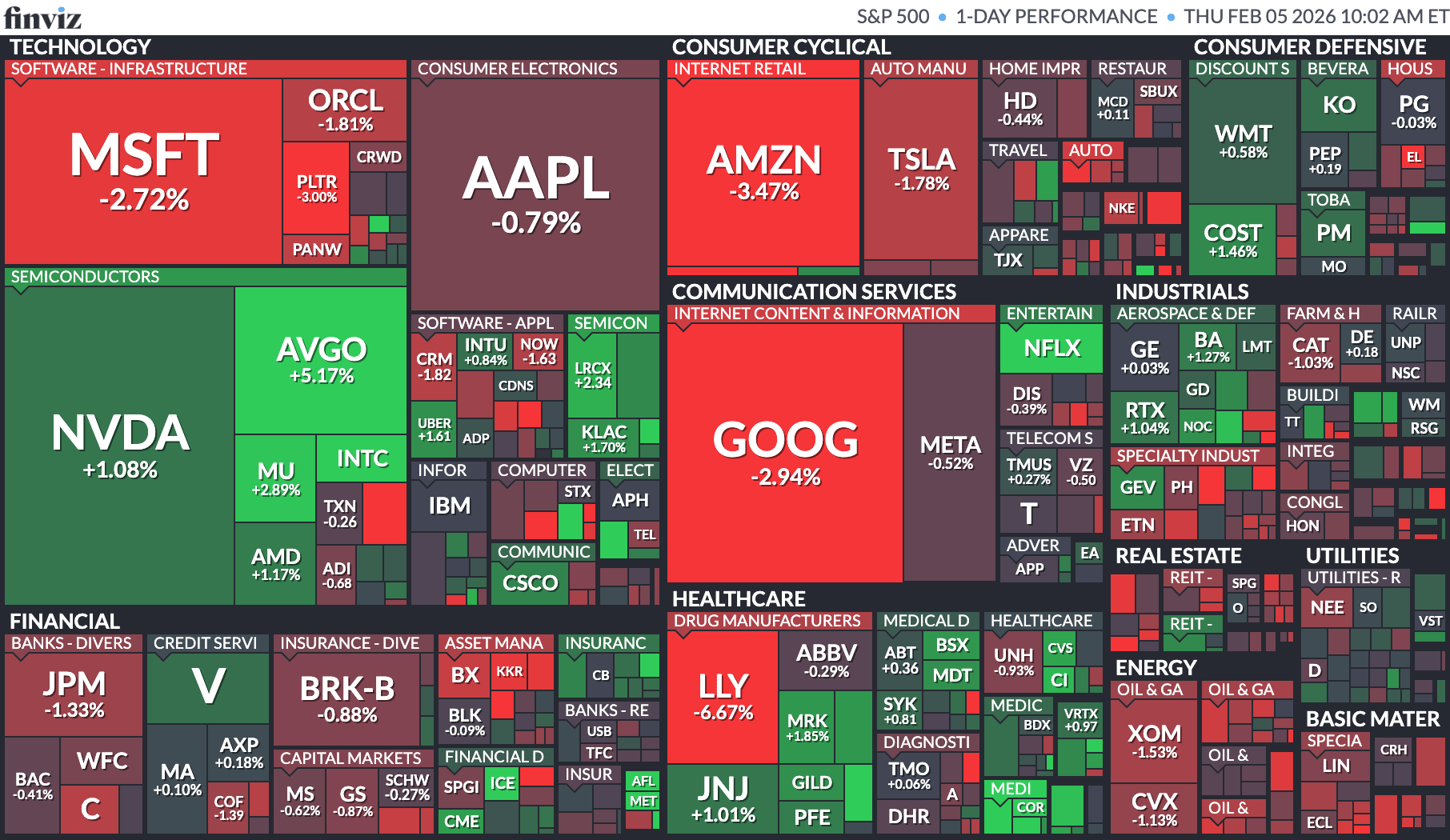
The February 5, 2026 market collapse—with the Nasdaq falling 1.59% and software ETF dropping 4.97% over eight consecutive sessions—reveals a critical inflection point for e-commerce sellers. Amazon's announcement of $200 billion in capital expenditures for 2026 (a 56% year-over-year increase) signals aggressive AI infrastructure investment that will fundamentally reshape seller competition dynamics. Simultaneously, Alphabet's $185 billion AI-linked capital commitment and Anthropic's new AI tool release triggered widespread software sector selling, indicating that AI-powered automation is now viewed as a direct threat to traditional software revenue models—a pattern that directly applies to e-commerce seller tools and platform features.
For cross-border e-commerce sellers, this capex surge has three immediate implications: First, Amazon's massive infrastructure investment will accelerate AI-powered product recommendations, dynamic pricing algorithms, and automated content optimization—tools that will increasingly favor sellers using AI-native strategies over manual optimization. Sellers relying on static listings and manual pricing will face 20-30% conversion rate disadvantages within 12 months. Second, the weakening labor market (job openings fell to December 2020 lows, with January 2026 marking the worst corporate job cuts since 2009) signals reduced consumer discretionary spending. This directly impacts sellers in electronics, apparel, home goods, and luxury categories, where demand typically contracts 15-25% during labor market downturns. Third, Amazon's capex reallocation toward AI infrastructure may delay non-AI feature development, meaning seller-requested tools for inventory management, compliance automation, and cross-border logistics optimization could face 6-12 month development delays.
The AI disruption pattern evident in software stocks provides a critical warning for sellers. Anthropic's AI tool release triggered immediate selling pressure in software companies, with investors concerned that AI could reduce demand for software developers and impact revenue streams. This same dynamic applies to e-commerce: sellers who don't adopt AI-powered tools for product research, pricing optimization, and customer service automation will face competitive disadvantages as AI-native competitors capture market share. The software ETF's eight-session decline reflects investor recognition that AI commoditizes traditional software capabilities—a trend that will accelerate in e-commerce tools. Sellers should interpret this as a signal to immediately adopt AI-powered listing optimization, dynamic pricing, and inventory forecasting tools, as manual processes will become increasingly uncompetitive.
Macroeconomic headwinds compound the competitive pressure. Bitcoin's 13-15% decline to $63,597 (lowest in 15 months), silver's 14% plunge, and precious metals volatility indicate risk-off sentiment extending beyond equities. This signals that consumer confidence is deteriorating faster than headline unemployment data suggests. For sellers, this means demand contraction will likely exceed historical recession patterns, as consumers simultaneously reduce discretionary purchases AND shift toward value-oriented products. Sellers in premium categories should prepare for 20-30% volume declines, while value and essentials categories may see 5-10% growth as consumers trade down.
Platform investment priorities will shift dramatically. Amazon's $200B capex increase will fund data center expansion, AI model training, and logistics automation—not seller-facing features. This means sellers cannot expect new compliance tools, cross-border logistics solutions, or marketplace policy clarifications in 2026. Instead, sellers must proactively adopt third-party AI tools for VAT compliance, customs documentation, and dynamic pricing, as platform-native solutions will remain underfunded. The competitive advantage window for early AI adopters is narrowing: sellers who implement AI-powered tools in Q1 2026 will have 6-9 months of competitive advantage before AI becomes table-stakes across all seller segments.
問題 7
What does the weakening labor market mean for e-commerce seller demand?
Job openings fell to December 2020 lows, and January 2026 marked the worst corporate job cuts since 2009—clear signals of consumer spending contraction. Sellers in discretionary categories (electronics, apparel, home goods, luxury) should prepare for 15-25% demand declines. Value and essentials categories may see 5-10% growth as consumers trade down. This contraction will likely exceed historical recession patterns because consumers are simultaneously reducing purchases AND shifting toward lower-priced alternatives. Sellers should immediately audit inventory mix and shift 20-30% of stock toward value-oriented products.
How does Amazon's $200B capex increase affect seller competition in 2026?
Amazon's 56% capex increase signals aggressive investment in AI infrastructure, data centers, and automated systems that will power next-generation product recommendations and dynamic pricing. This means Amazon will deploy AI-powered tools that favor sellers using AI-native strategies over manual optimization. Sellers relying on static listings face 20-30% conversion rate disadvantages within 12 months. The capex surge also indicates Amazon will prioritize AI feature development over seller-requested compliance and logistics tools, creating 6-12 month delays for non-AI features. Early AI adopters will capture 6-9 months of competitive advantage before AI becomes industry standard.