




U.S. Labor Market Collapse Signals Consumer Spending Crisis for E-Commerce Sellers | 108K January Layoffs Threaten 2026 Demand
- 108,435 job cuts announced in January 2026 (highest since 2009); only 5,306 new hires (lowest on record); job openings fall to 6.54M; consumer discretionary spending at risk for cross-border sellers




































概览
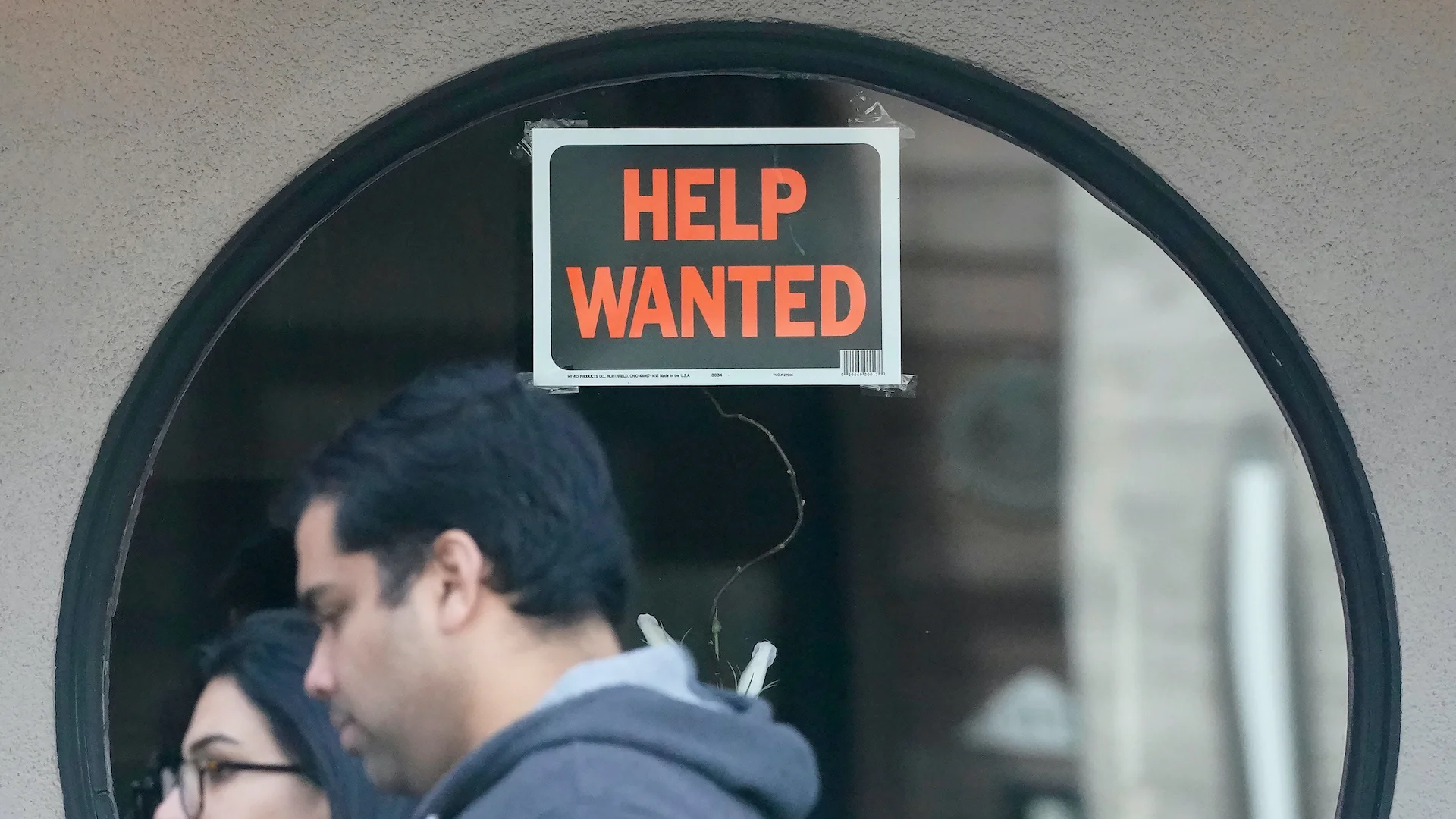
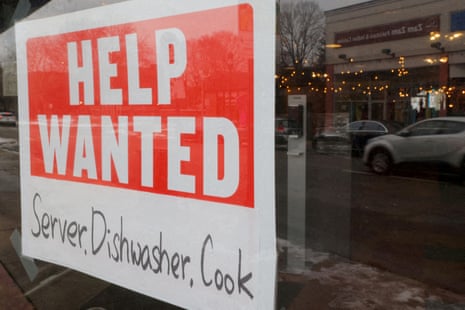
The U.S. labor market is experiencing its most severe contraction since the 2009 financial crisis, with profound implications for cross-border e-commerce sellers. January 2026 recorded 108,435 announced job cuts—the highest January total since tracking began in 2009—while simultaneously posting only 5,306 new hiring plans, the lowest figure in the firm's 17-year history. This dual collapse signals employers have adopted defensive postures entering 2026, with layoff announcements typically finalized during the previous quarter's planning cycles, indicating pessimism was already entrenched by December 2025.
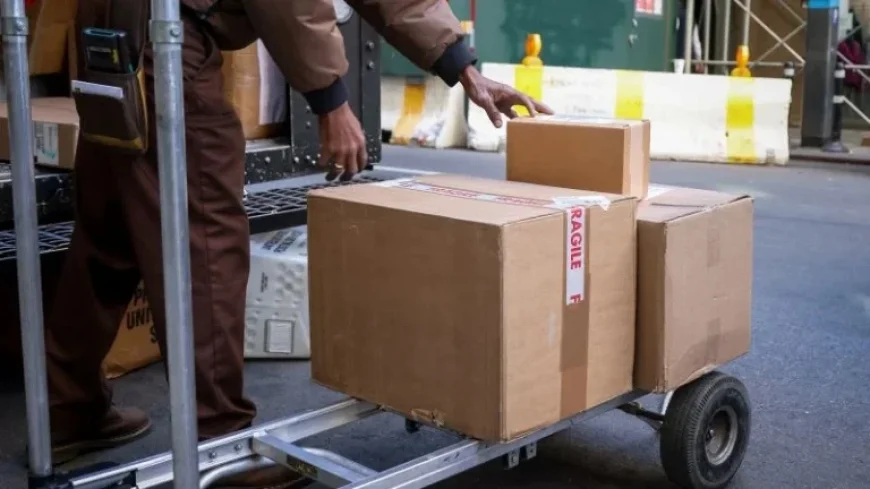
The employment crisis is concentrated in sectors critical to e-commerce operations. Transportation led with 31,243 cuts, primarily from UPS's announcement of 30,000 layoffs following termination of its Amazon delivery partnership. This restructuring directly impacts logistics costs and fulfillment timelines for sellers relying on UPS services. Technology sector announced 22,291 cuts, with Amazon accounting for 16,000 positions as it restructures management layers, signaling the platform itself is tightening operational spending. These two sectors alone represent 40% of January's total reductions. Healthcare followed with 17,107 cuts—the highest since April 2020—driven by inflation and reduced Medicare/Medicaid reimbursements, indicating broader cost-cutting pressures across the economy.
Contract losses drove 30,784 cuts (the primary reason), followed by market/economic conditions (28,392) and restructuring (20,044). Critically, artificial intelligence was cited for only 7,624 January cuts (0.7% of total), yet companies referenced AI for 54,836 announced layoffs throughout 2025, suggesting automation acceleration will intensify layoff announcements in coming quarters. Since 2023, AI has been cited in 79,449 job cut announcements representing 3% of all layoff plans—a trajectory that will likely accelerate as companies deploy tested technologies.
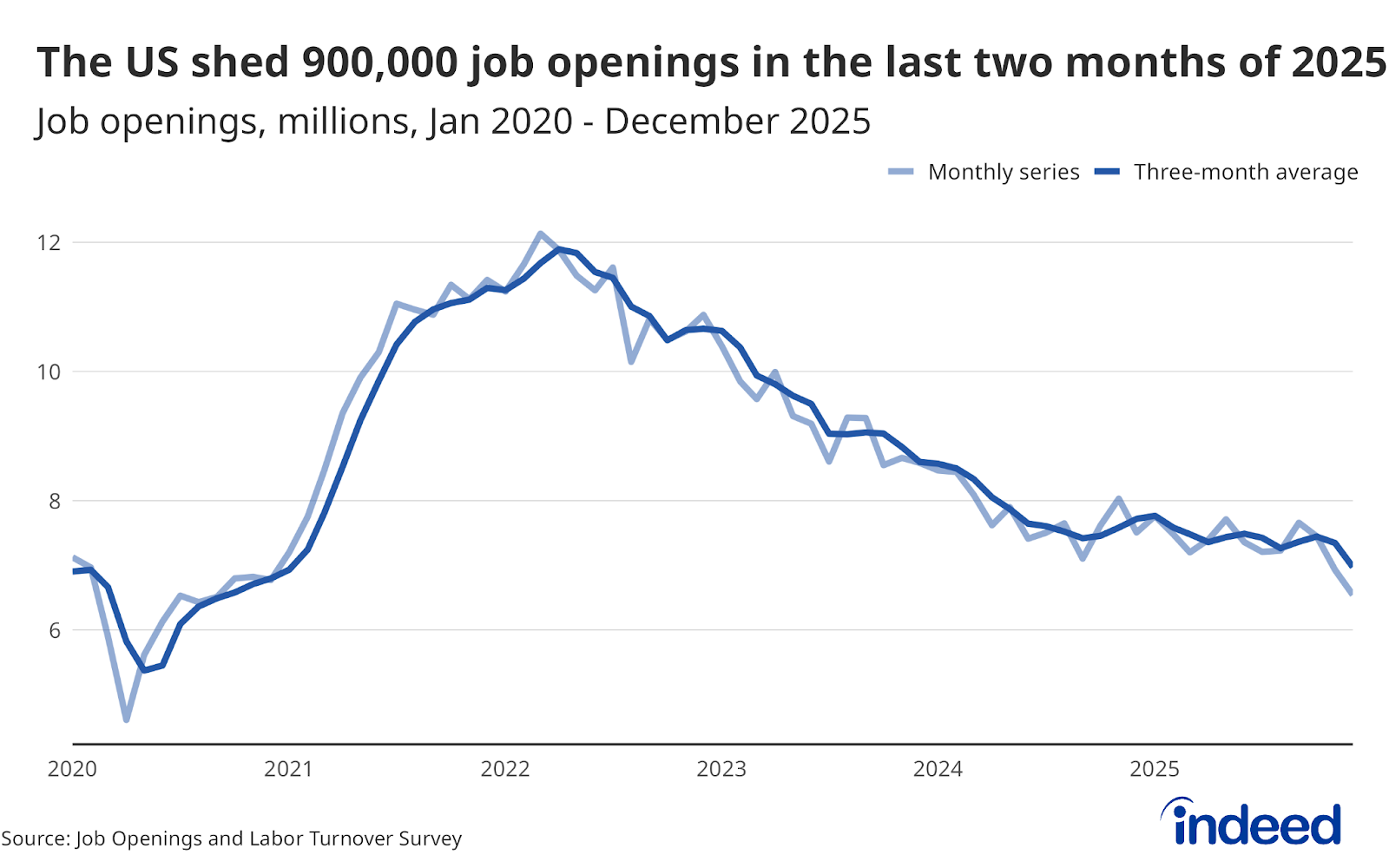
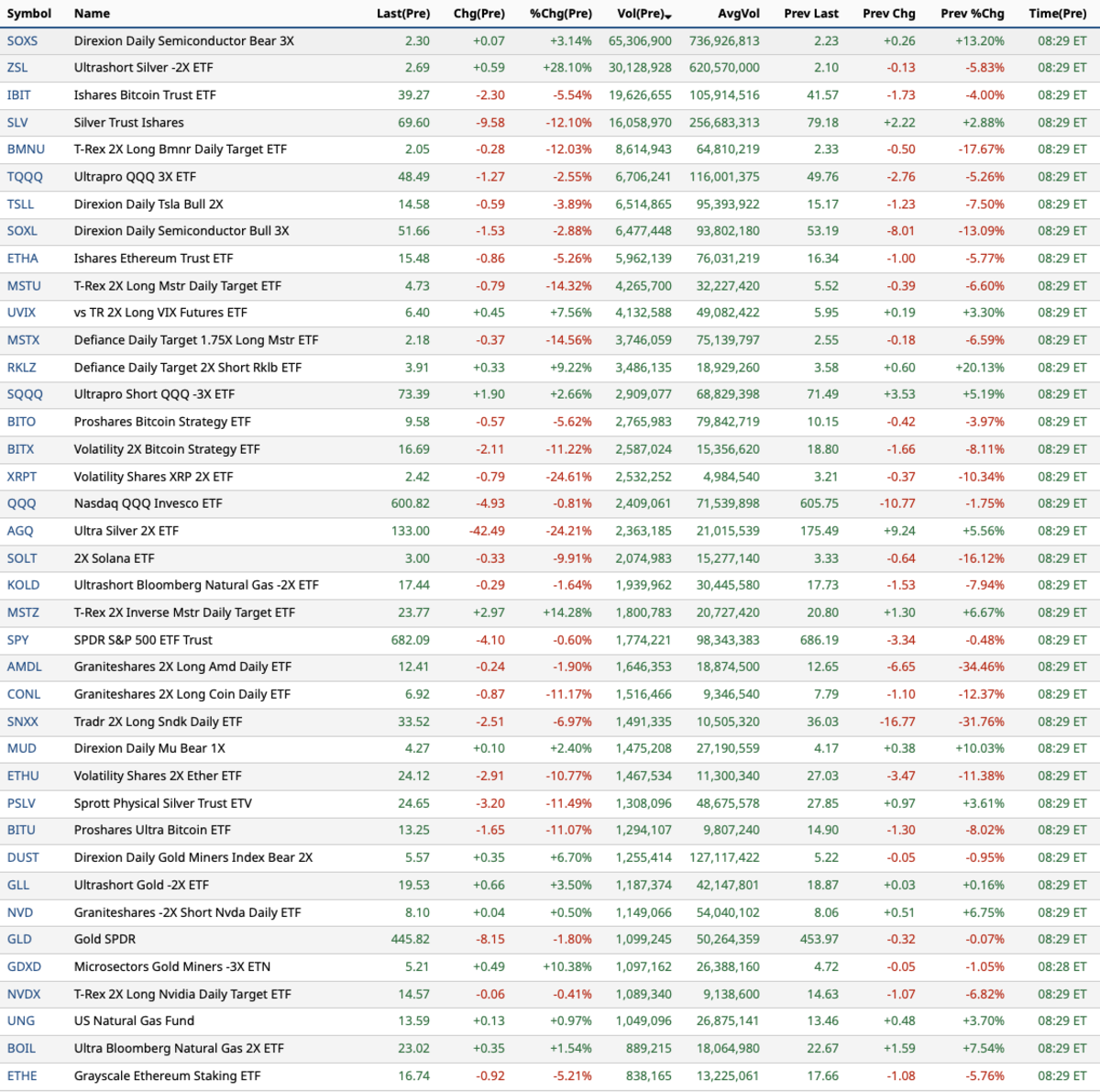
For cross-border sellers, the implications are severe. Job openings fell to 6.54 million in December 2024, the lowest level since September 2020, while the job-to-unemployed ratio declined to 0.87-to-1 from over 2-to-1 at its 2022 peak. Initial jobless claims reached 231,000 for the week ending January 31—an eight-week high. Private sector firms added only 22,000 jobs in January, the weakest performance in three months and worst January since the 2021 COVID-19 resurgence. This employment deterioration directly correlates with reduced consumer confidence and discretionary spending capacity. Sellers targeting U.S. consumers face a shrinking addressable market as laid-off workers reduce purchases of non-essential imported goods. Additionally, e-commerce service providers, logistics companies, and technology platforms supporting sellers are under pressure to reduce operational costs, potentially affecting service quality, pricing structures, and platform fees. The stock market decline—Dow down 637 points (1.29%), S&P 500 down 1.37%, Nasdaq down 1.74%—reflects investor recognition of weakening consumer demand ahead.
問題 7
How will 108,435 January job cuts affect cross-border e-commerce seller demand?
The January 2026 job cut surge directly threatens discretionary consumer spending, which drives 60-70% of e-commerce purchases. With 108,435 announced layoffs—the highest January total since 2009—and only 5,306 new hiring plans announced, consumer confidence is collapsing. Historical parallels to 2009 show discretionary e-commerce categories (apparel, home goods, electronics) experienced 25-40% demand declines during the Great Recession. Sellers should expect reduced conversion rates on non-essential products through Q2 2026, with particular pressure on imported goods where consumers trade down to domestic alternatives. Monitor your category's historical recession performance and prepare inventory adjustments accordingly.
What does UPS's 30,000 layoff announcement mean for Amazon FBA sellers?
UPS's 30,000-person layoff, tied to winding down its Amazon delivery arrangement, signals major logistics restructuring. This creates two seller impacts: (1) UPS service quality may deteriorate as remaining staff handles higher volumes, potentially increasing shipping delays and damage rates; (2) Amazon may accelerate its own logistics network expansion or shift more volume to alternative carriers, potentially affecting FBA fulfillment costs and delivery speeds. Sellers should diversify fulfillment strategies by evaluating 3PL providers and Shopify fulfillment networks as hedges against Amazon/UPS service disruptions. Review your current FBA fee structure and compare against alternative fulfillment options by February 15, 2026.