



Turkey-Saudi Arabia Trade Surge 2026 | B2B Export Opportunities for Sellers
- $2B renewable energy investment + defense collaboration opens tariff-free corridors for Turkish exporters; GCC market access expanding with free trade agreement negotiations











概览
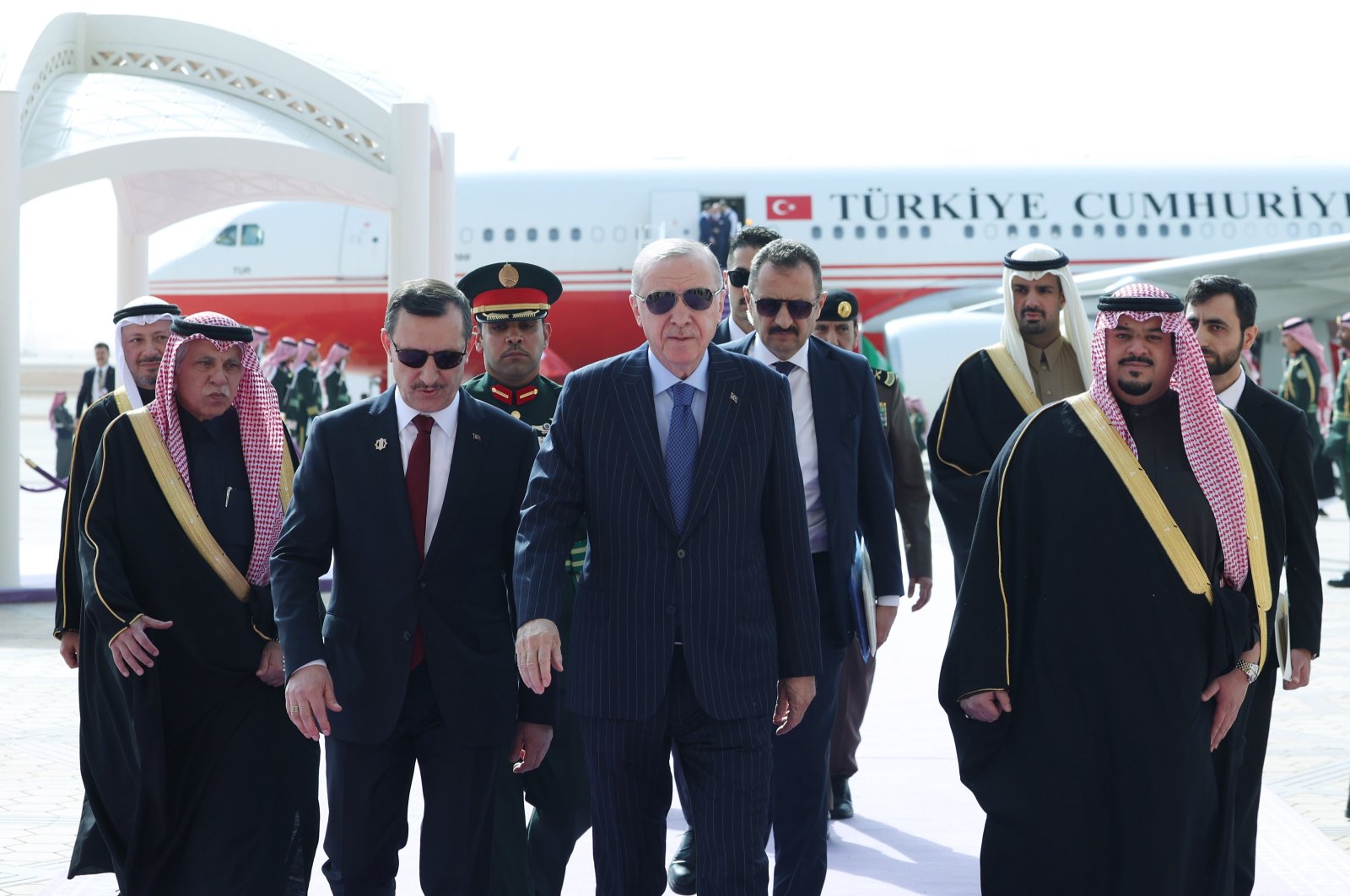
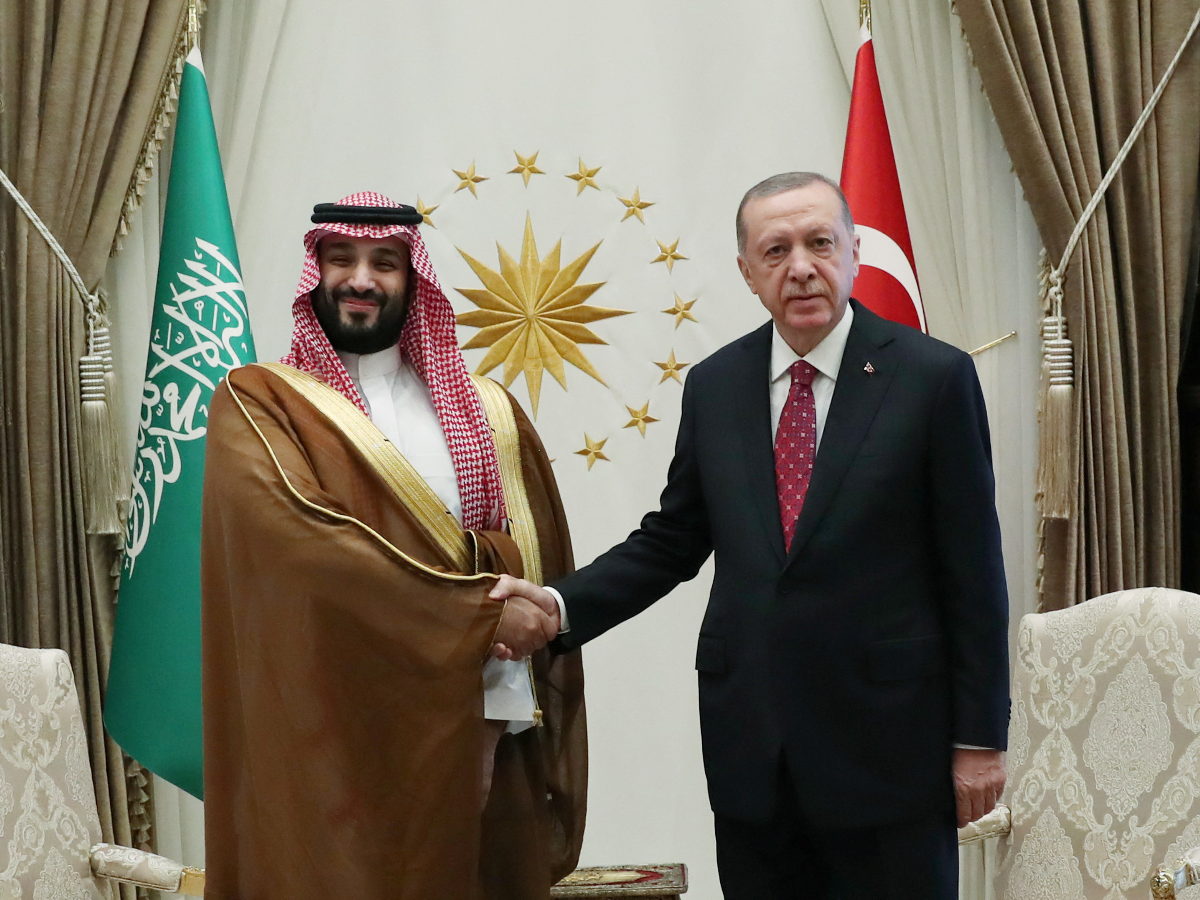
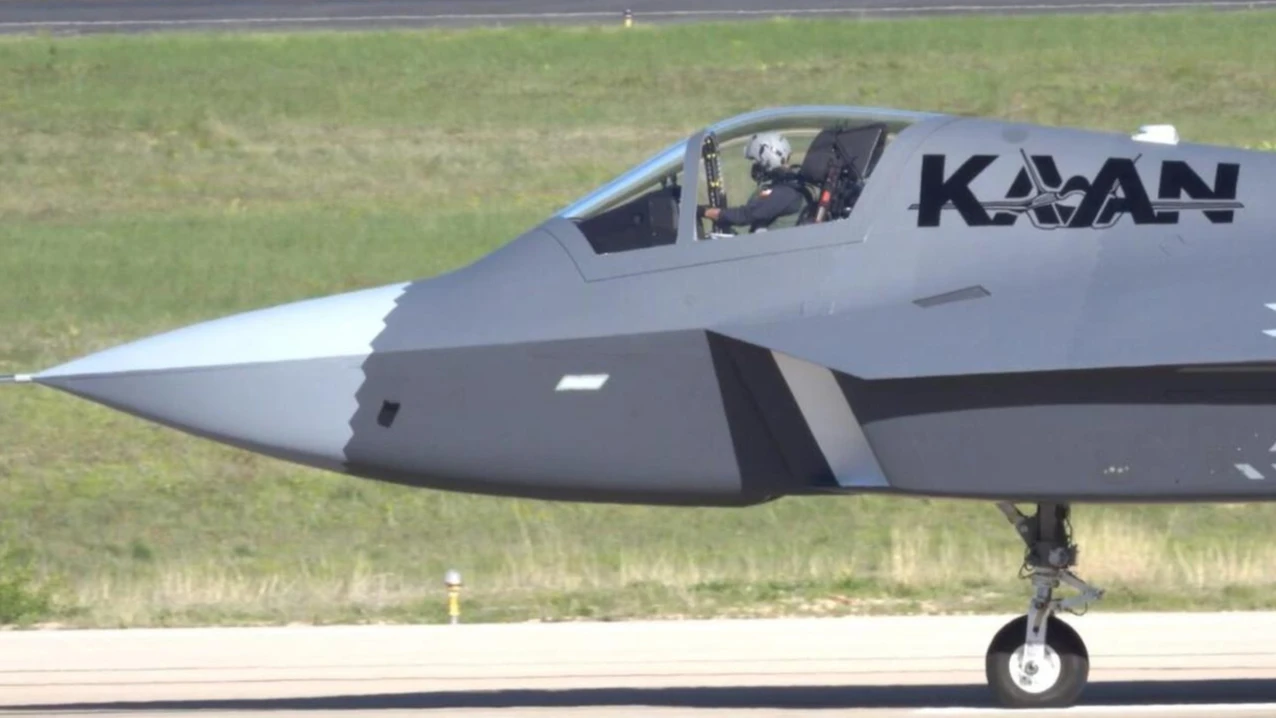
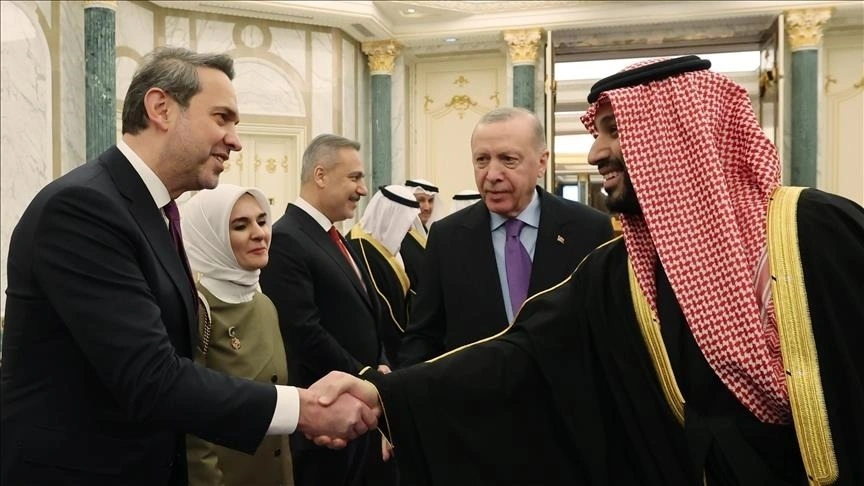
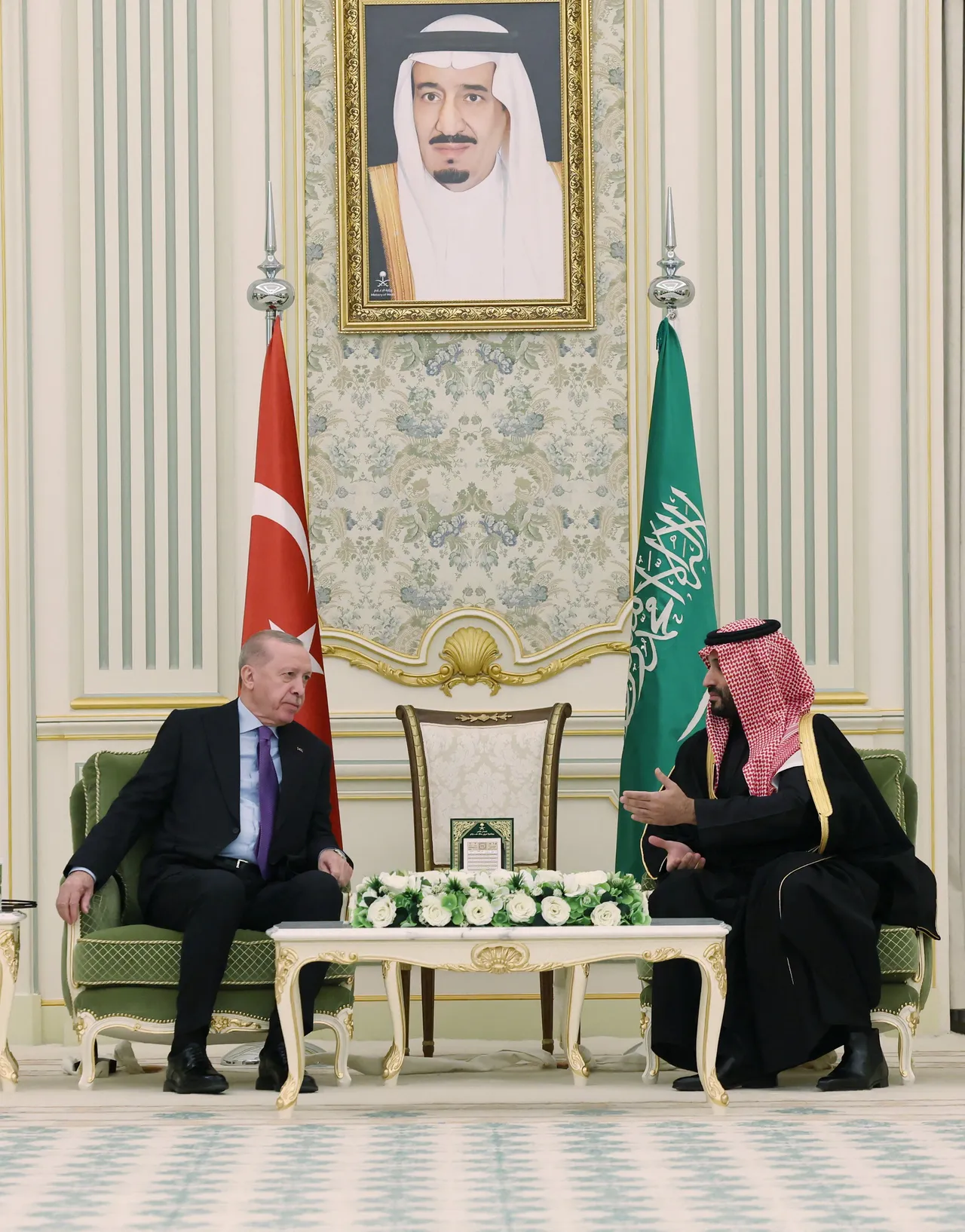
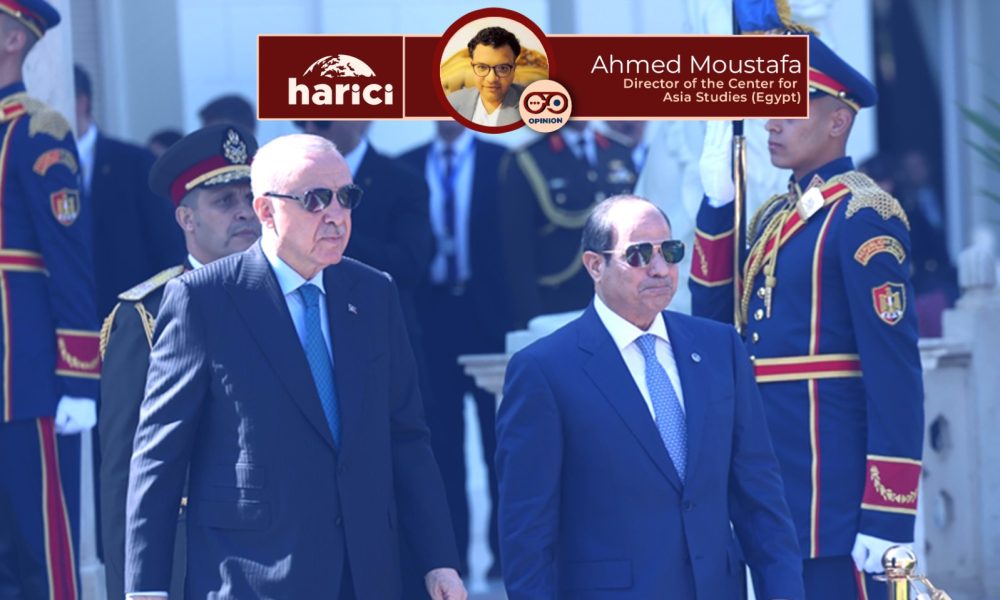
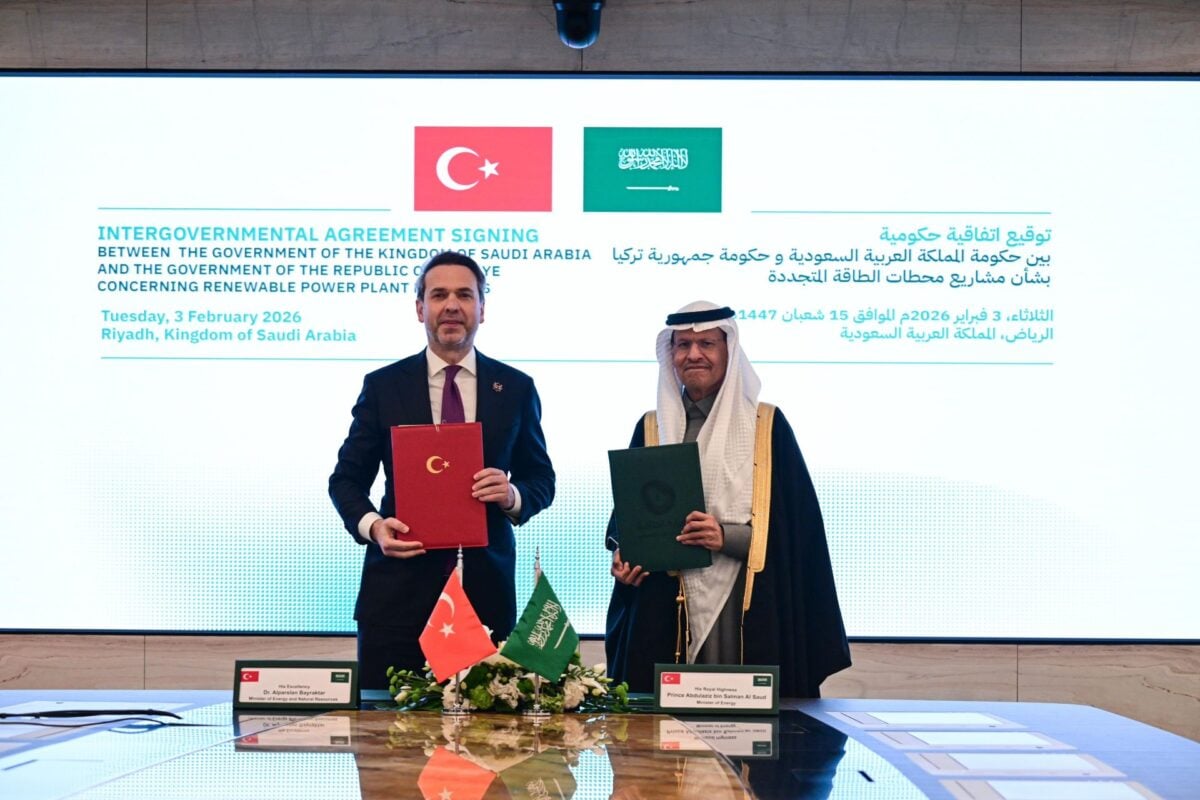
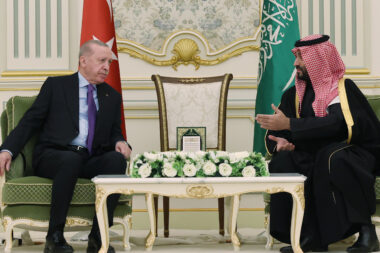
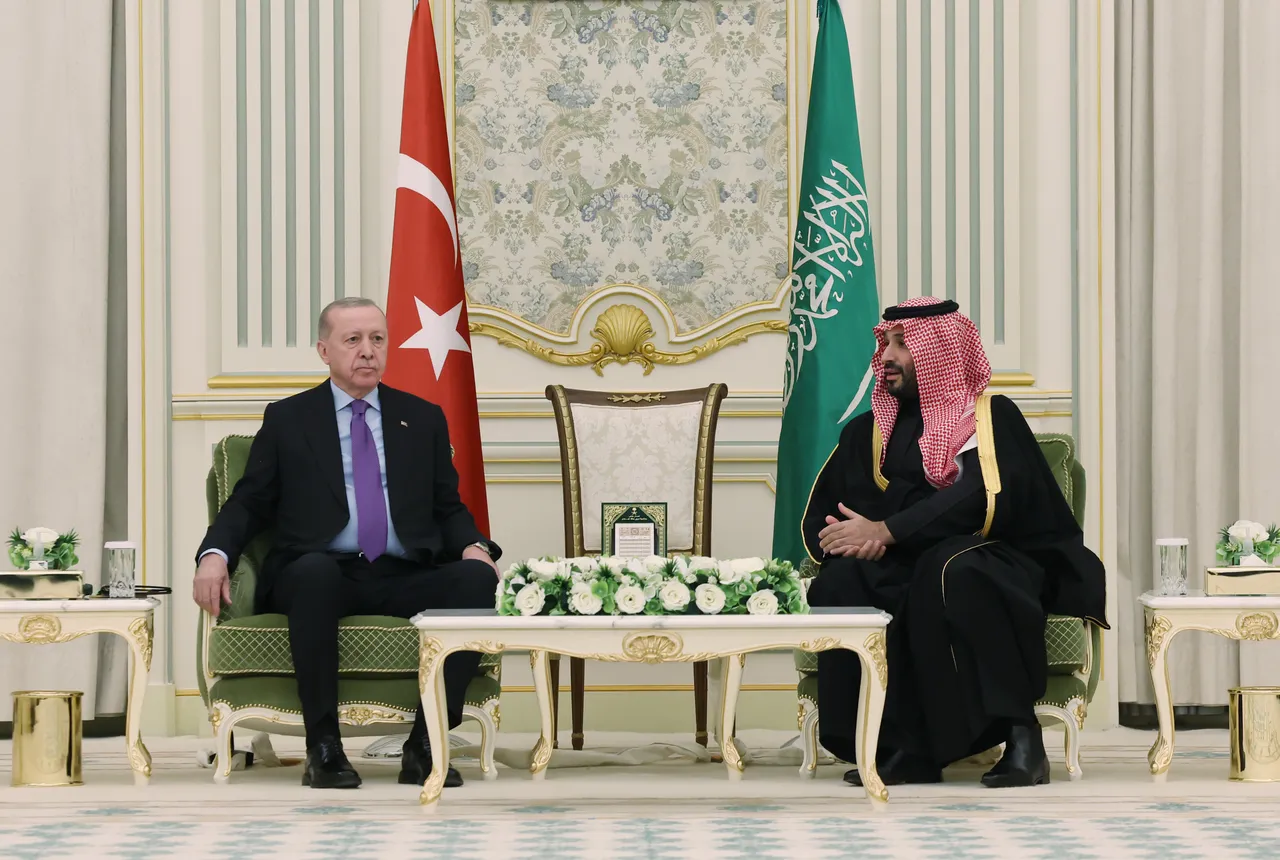
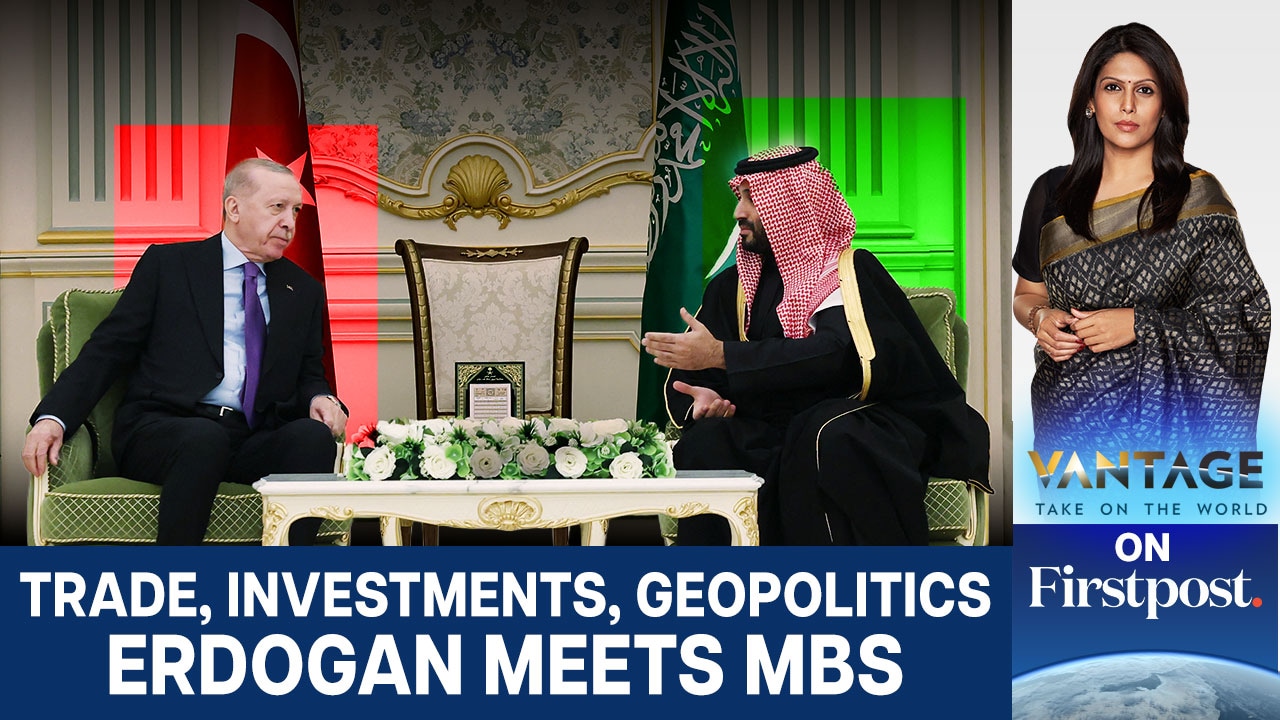
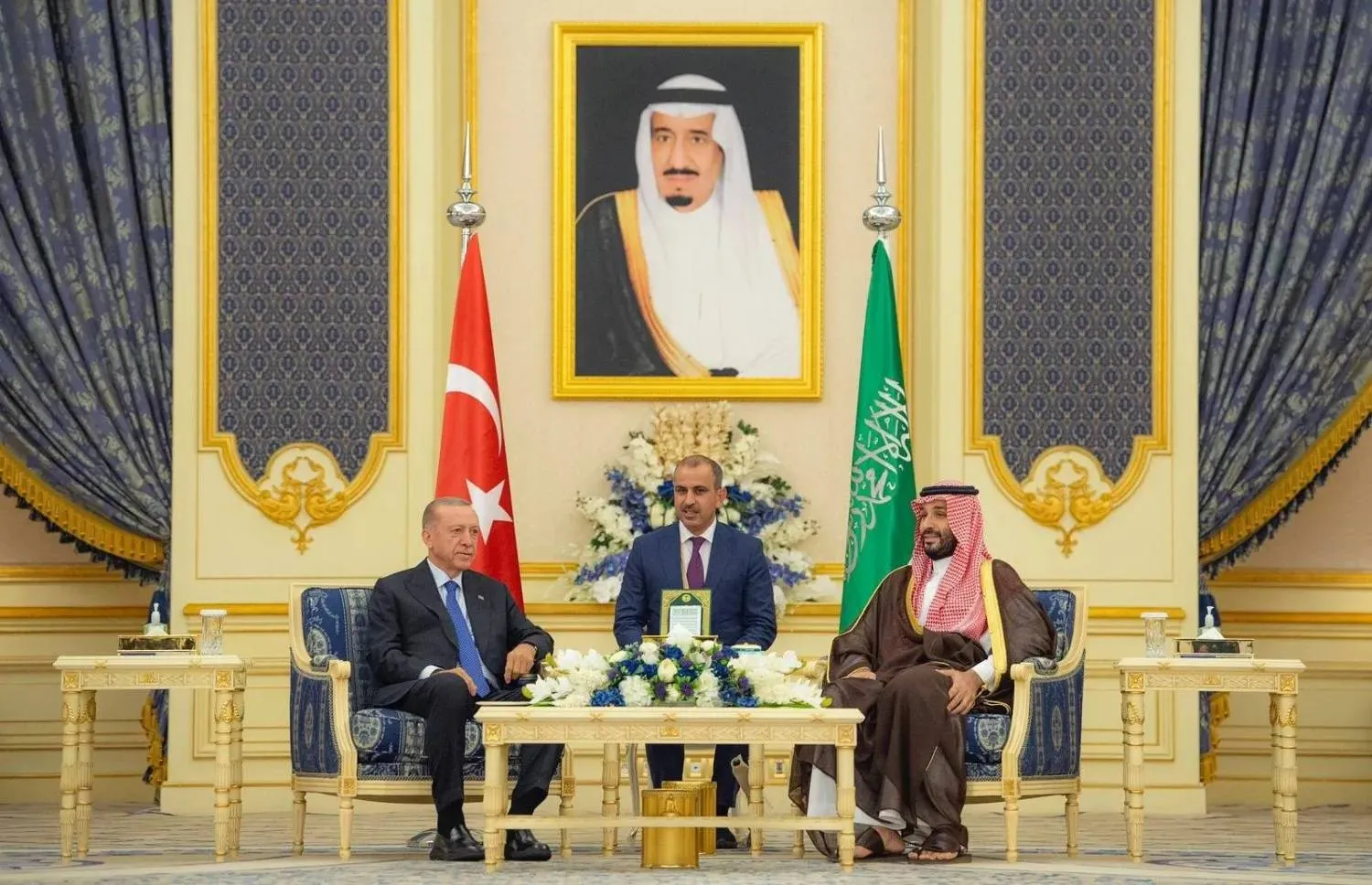
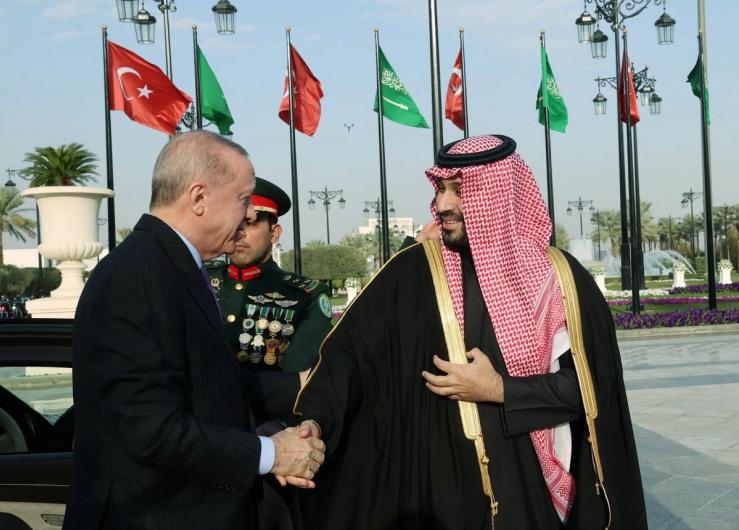
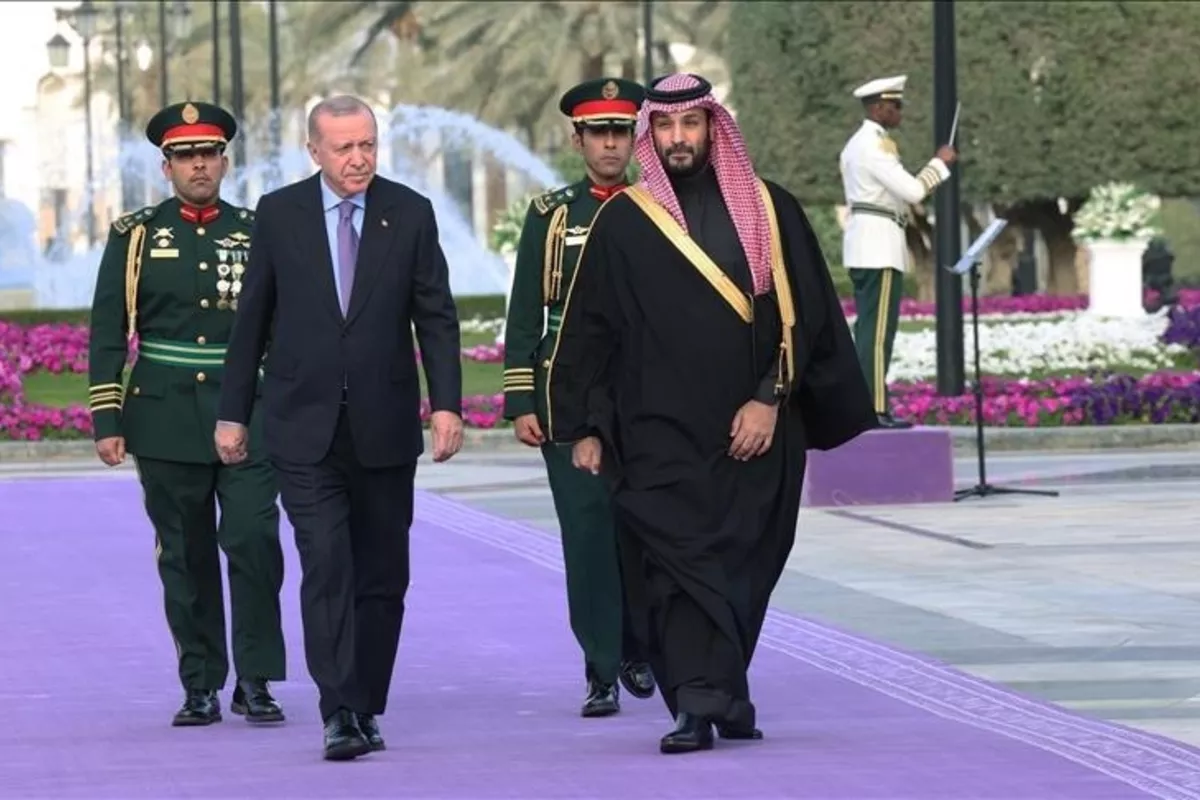
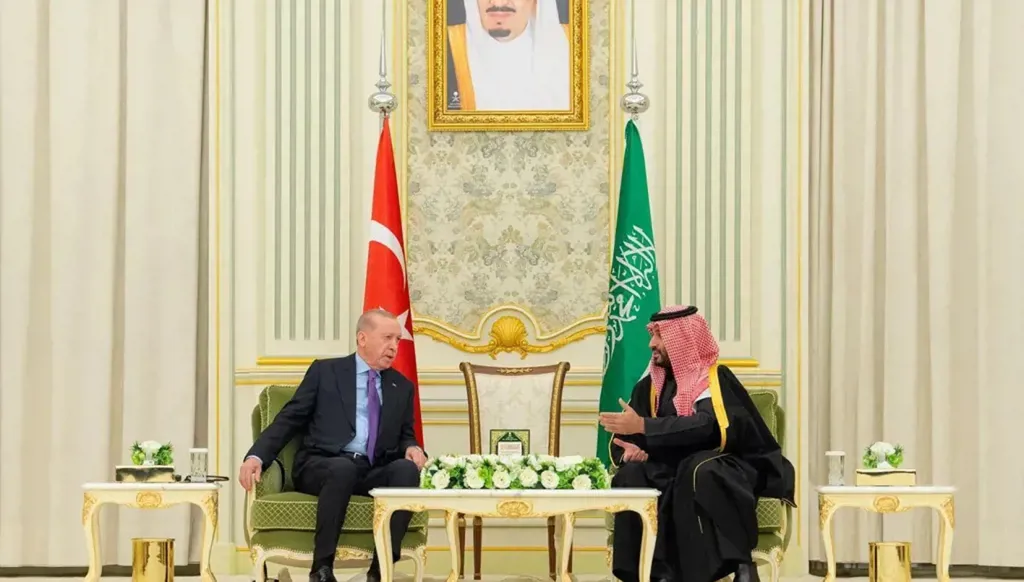
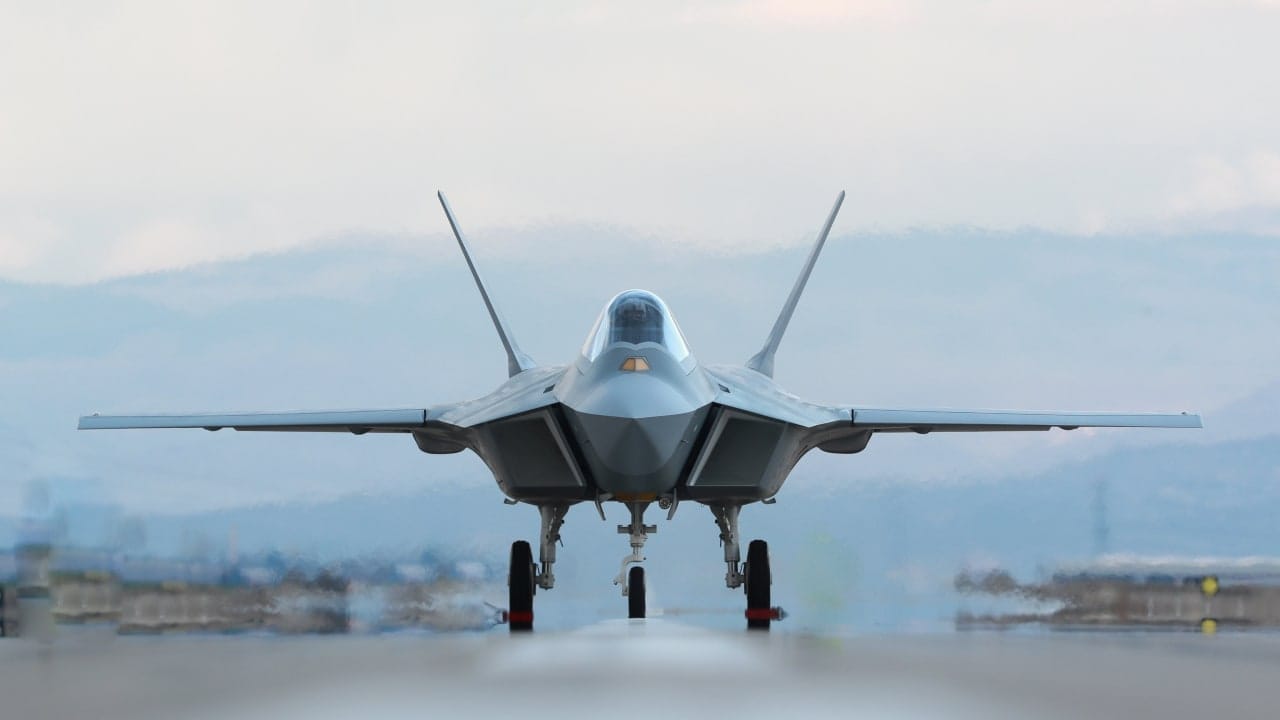
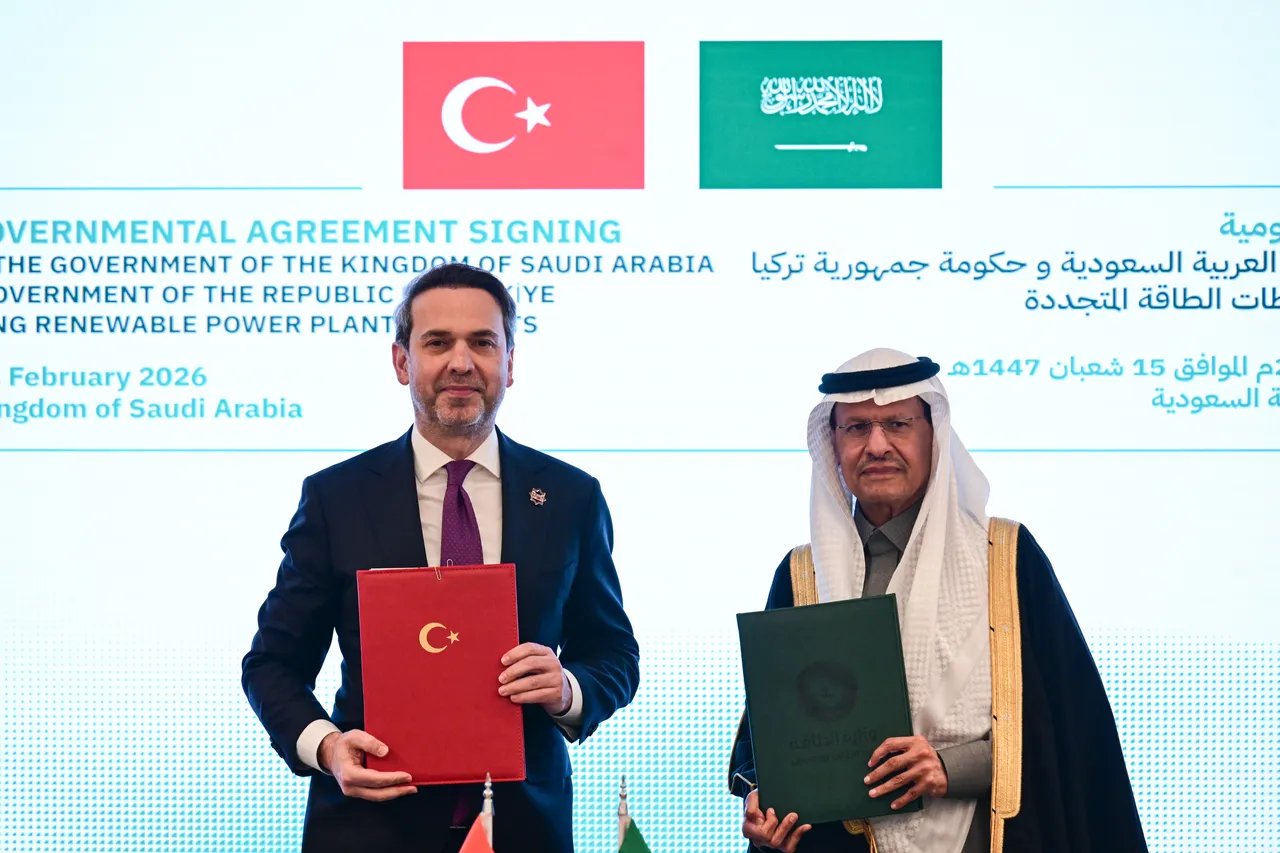
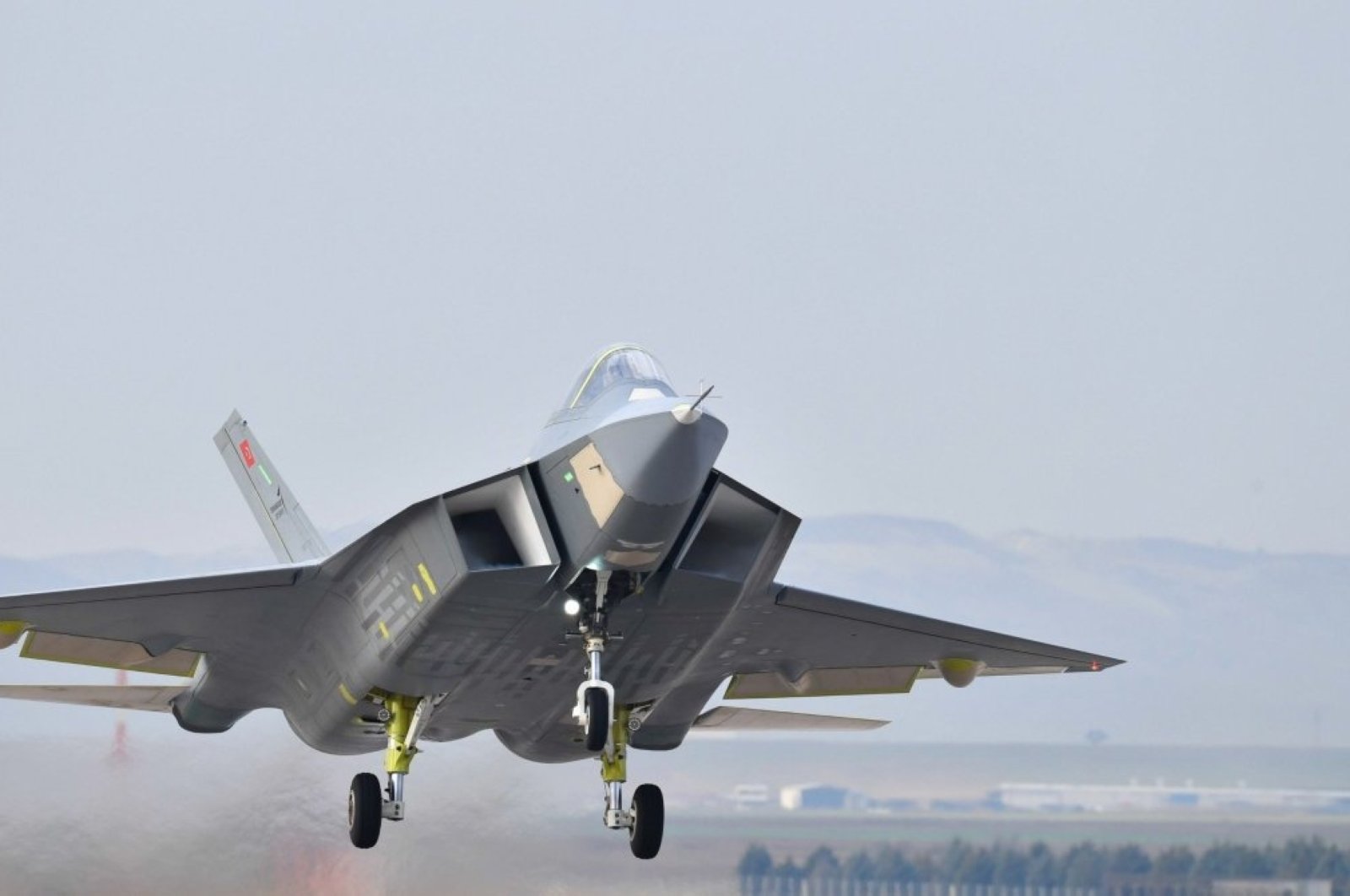
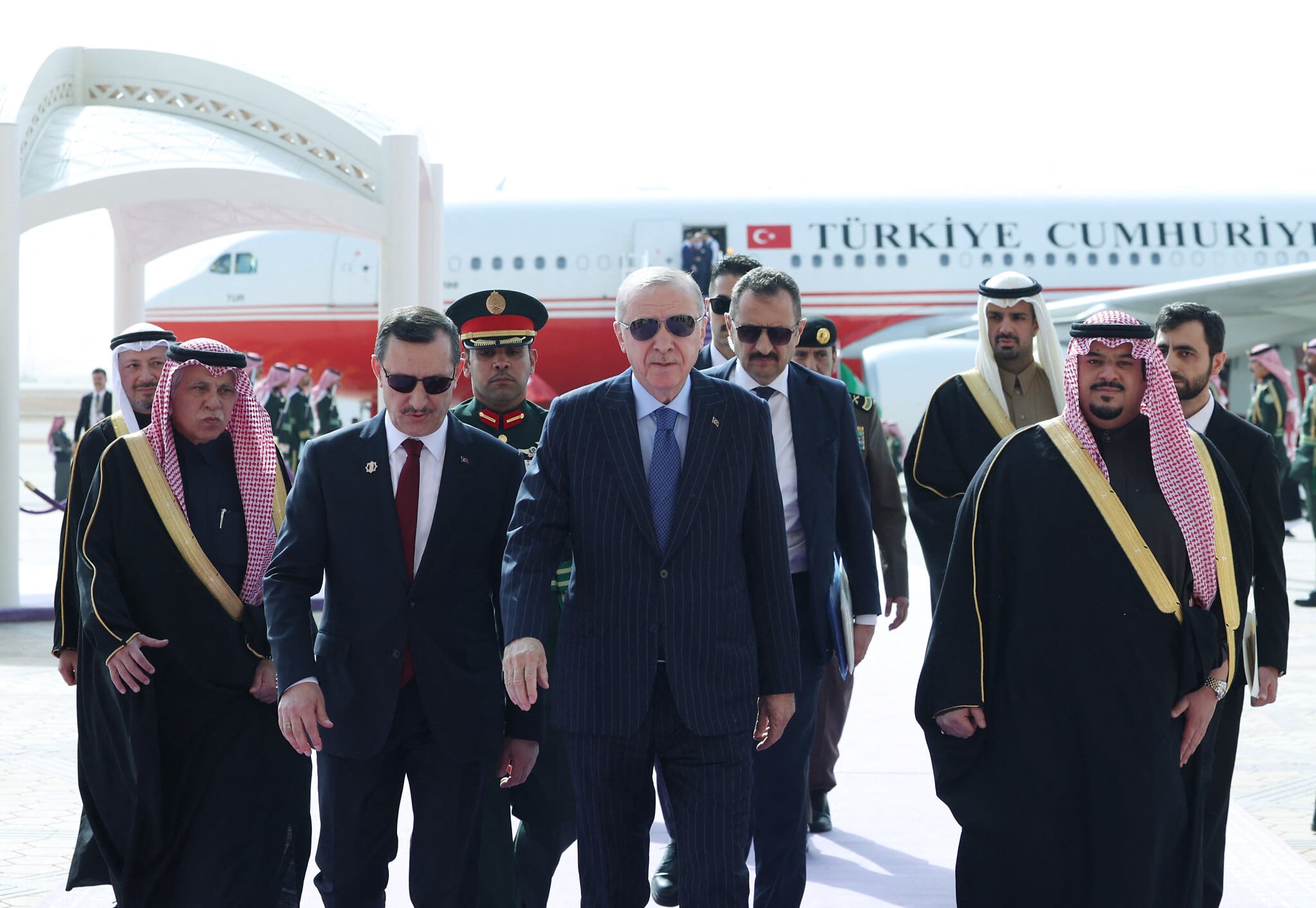
The February 2026 diplomatic warming between Turkey and Saudi Arabia represents a transformational trade policy shift with direct implications for cross-border B2B sellers and supply chain operators. Turkish President Erdoğan's visit to Riyadh catalyzed three major developments: (1) joint investment in the Kaan fifth-generation fighter jet program, (2) a $2 billion Saudi-funded renewable energy infrastructure project (2,000 MW solar capacity in Sivas and Karaman provinces), and (3) active negotiations toward a Turkey-Saudi Arabia free trade agreement within the GCC framework. These initiatives signal a strategic pivot from Western defense procurement dependency toward South-South cooperation and regional supply chain integration.
Tariff Arbitrage Opportunities: The nascent free trade agreement creates immediate tariff reduction potential across multiple HS codes. Turkish exporters of specialized aerospace components (HS 8803-8805), advanced materials (HS 7208-7326), and electronics (HS 8517-8542) face declining tariff barriers into Saudi Arabia and broader GCC markets. Historical precedent from Turkey's existing trade agreements suggests 8-15% tariff reductions on industrial goods, translating to 3-7% margin expansion for B2B sellers. The renewable energy project specifically drives demand for solar panel components (HS 8541), inverters (HS 8504), and mounting systems—categories where Turkish manufacturers hold 12-18% cost advantages versus Western suppliers.
Market Access Expansion: Saudi Arabia's $2 billion infrastructure commitment signals sustained demand for Turkish industrial exports through 2028 (solar project completion timeline). The Kaan defense collaboration, with serial production beginning 2028 and Indonesia's 48-unit purchase agreement establishing precedent, creates supply chain opportunities for Turkish component suppliers. B2B sellers can expect 25-40% volume growth in aerospace fasteners, composite materials, and avionics components destined for Turkish Aerospace Industries (TAI) and downstream GCC integrators. The free trade agreement negotiations, targeting completion by Q3 2026, will formalize these advantages with reduced customs documentation requirements and accelerated clearance procedures.
Competitive Positioning: Turkish-based B2B exporters gain 18-25% cost advantages over Western competitors in the Saudi market due to proximity, lower logistics costs, and emerging tariff preferences. Medium-sized Turkish manufacturers (50-500 employees) in industrial components, materials science, and electronics assembly are optimally positioned to capture this opportunity before larger competitors establish GCC operations. The timing window is critical—tariff preferences typically attract multinational competition within 12-18 months of implementation, compressing margins by 40-60% as supply increases.
Strategic Sourcing Shift: The partnership signals a broader Middle Eastern realignment away from Western defense and industrial suppliers. Sellers should monitor HS code 8803 (aircraft parts), 7208-7326 (steel/aluminum products), and 8517-8542 (electrical machinery) for tariff schedule changes expected in Q2-Q3 2026. The $2 billion renewable energy investment creates immediate procurement opportunities for Turkish suppliers of electrical equipment, construction materials, and specialized services—categories where Turkish firms hold established manufacturing capabilities and cost competitiveness.
問題 7
What compliance requirements should Turkish B2B exporters prepare for Saudi market entry?
Turkish exporters must prepare for Saudi Arabia's technical standards compliance (SASO certification for electrical equipment), customs documentation requirements (commercial invoices, certificates of origin, packing lists), and potential rules-of-origin verification under the emerging free trade agreement. The renewable energy project involves international financial institution financing, requiring standardized procurement documentation and environmental compliance certifications. Sellers should engage customs brokers and compliance consultants by Q2 2026 to prepare documentation templates and certification processes. The free trade agreement will likely reduce documentation requirements by 30-40% compared to current MFN procedures, but preparation must begin before formal implementation to avoid delays.
What tariff reductions can Turkish B2B exporters expect from the Turkey-Saudi Arabia free trade agreement?
Based on Turkey's existing trade agreements and the February 2026 negotiations framework, Turkish exporters can anticipate 8-15% tariff reductions on industrial goods, with aerospace components (HS 8803-8805) and advanced materials (HS 7208-7326) seeing the most significant relief. The renewable energy project creates immediate demand for solar components (HS 8541) and electrical machinery (HS 8504), where tariff elimination is likely. These reductions translate to 3-7% margin expansion for B2B sellers, with the agreement expected to be finalized by Q3 2026. Sellers should begin compliance preparation now, as tariff schedules typically take 60-90 days to implement after formal ratification.