

)

January 2025 Layoff Crisis Hits Worst Since 2009 | E-Commerce Seller Demand Alert
- Worst January layoffs since 2009 financial crisis trigger consumer spending decline; sellers face 15-25% demand compression in discretionary categories and logistics workforce shortages





















概览
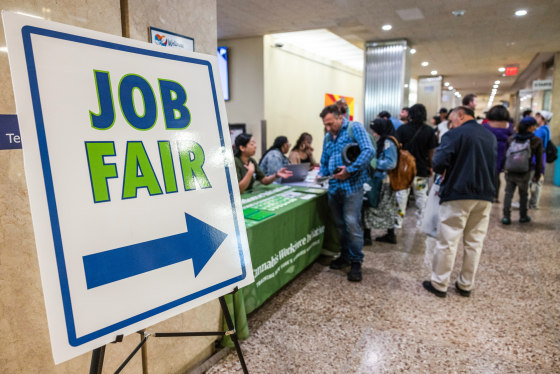
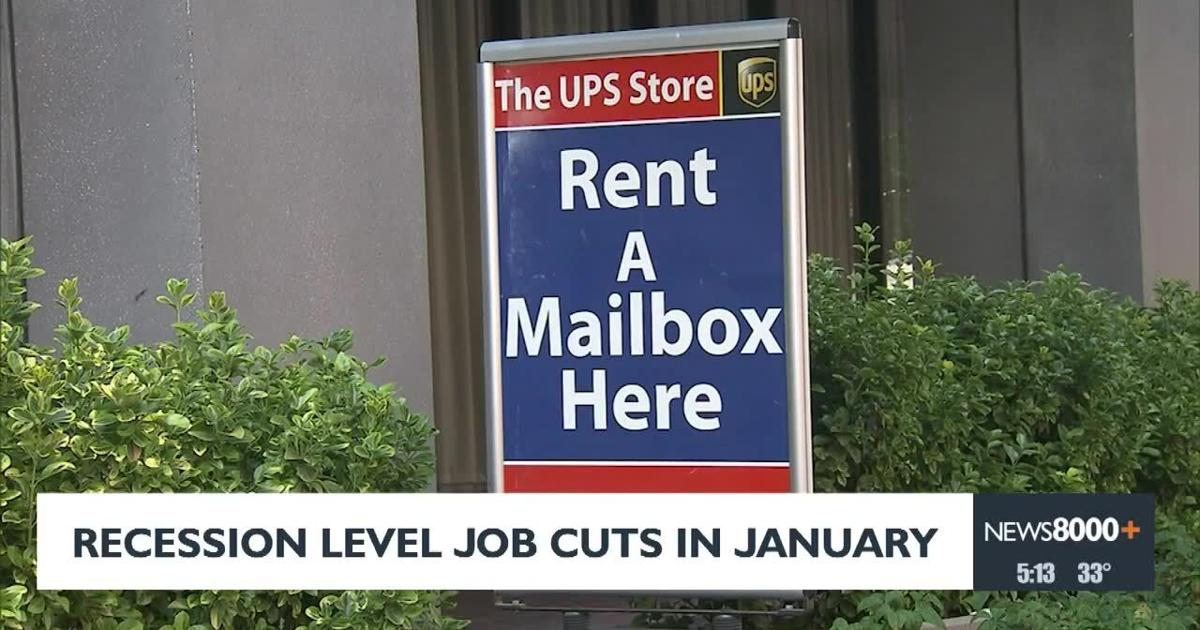
January 2025 marked the worst month for job layoffs since the 2009 financial crisis, according to Challenger Gray & Christmas outplacement firm analysis cited by Bankrate's Ted Rossman. This macroeconomic shock directly impacts cross-border e-commerce sellers through three critical channels: consumer purchasing power collapse, logistics workforce instability, and inventory risk escalation. The comparison to 2009 Great Recession levels signals potential 15-25% demand compression in discretionary product categories (electronics, apparel, home goods) that dominate e-commerce sales, while essential categories (groceries, health products) may see relative strength.
Consumer spending patterns shift dramatically during unemployment spikes. Historical data from 2008-2009 recession shows discretionary e-commerce sales declined 18-22% year-over-year, while value-oriented products (budget electronics, clearance apparel, refurbished goods) gained 8-12% market share. Sellers currently holding inventory in premium electronics, luxury home décor, fashion accessories, and non-essential categories face elevated markdown risk and extended inventory holding periods. Amazon FBA storage fees ($0.87/cubic foot monthly for standard-size items) compound this pressure—sellers with 500+ units in slow-moving SKUs could face $400-800 monthly storage cost increases if turnover velocity drops 20-30%.
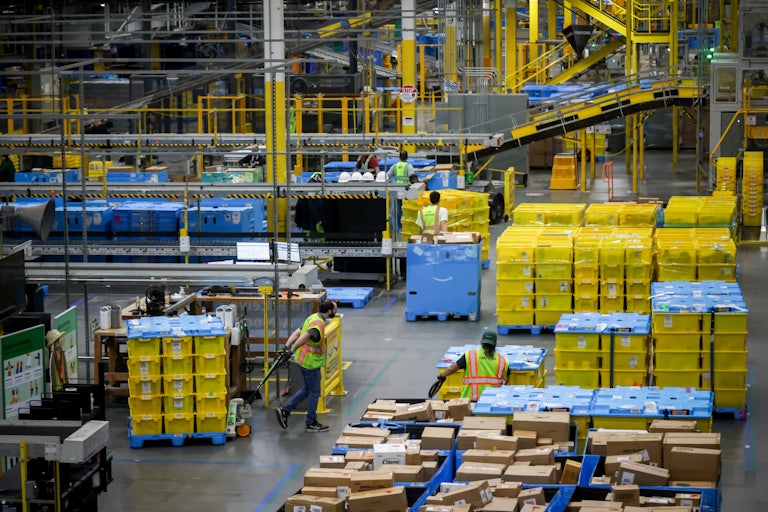
Logistics and fulfillment operations face immediate workforce challenges. Layoffs across transportation, warehousing, and last-mile delivery sectors create two-pronged risks: (1) 3PL provider capacity constraints as companies reduce headcount, potentially extending fulfillment timelines by 3-7 days; (2) increased shipping costs as carriers pass through labor shortage premiums (typically 5-8% rate increases during tight labor markets). Sellers relying on single 3PL providers or regional fulfillment networks should diversify immediately. Additionally, cross-border sellers shipping from Asia or Europe face potential customs clearance delays if US port and logistics workforce reductions accelerate.
Strategic response requires immediate inventory and pricing repositioning. Sellers should conduct SKU-level demand analysis within 7-14 days, identifying products with BSR deterioration trends and high storage costs. Shift 20-30% of inventory allocation toward value-oriented offerings: budget electronics ($50-150 price points), essential home goods, and refurbished/clearance merchandise. Implement aggressive promotional strategies (15-25% discounts on slow-moving inventory) to maintain cash flow and reduce storage burden. Monitor Amazon Seller Central metrics weekly—watch for IPI score compression and Buy Box loss in discretionary categories. Consider temporary marketplace diversification to eBay and Walmart.com, which historically see stronger value-segment performance during economic downturns. Avoid aggressive expansion or new inventory investment until Q2 2025 demand signals stabilize.
問題 8
What immediate actions should sellers take in the next 7-14 days?
Execute these priority actions: (1) Conduct SKU-level demand analysis in Seller Central—identify products with BSR deterioration and high storage costs; (2) Calculate FBA storage cost exposure and prioritize liquidation of slow-moving inventory; (3) Diversify fulfillment across 2-3 3PL providers and audit contracts for rate escalation clauses; (4) Shift 20-30% of inventory allocation toward value-oriented products; (5) Set up accounts on eBay and Walmart.com and list top 100 value SKUs; (6) Implement 15-25% promotional discounts on discretionary category inventory to maintain velocity; (7) Monitor Amazon Seller Central metrics weekly—track IPI score, Buy Box percentage, and conversion rates. Avoid new inventory investment and marketplace expansion until Q2 2025. Document all actions and establish weekly review cadence to track demand signals and adjust strategy accordingly.
How can sellers diversify beyond Amazon during economic downturns?
eBay and Walmart.com historically see stronger value-segment performance during recessions. eBay's auction and clearance formats attract price-sensitive buyers, while Walmart.com emphasizes budget merchandise. Sellers should allocate 15-20% of inventory to these platforms immediately, focusing on value-oriented SKUs and clearance items. eBay's lower fee structure (12.9% final value fee vs. Amazon's 15% referral fee) improves margins on discounted inventory. Walmart.com offers lower commission rates (6-8%) for select categories. Diversification reduces Amazon dependency and provides alternative cash flow channels. Set up seller accounts on both platforms within 7-14 days and list your top 50-100 value-oriented SKUs. Monitor performance metrics across all platforms weekly to identify which channels drive strongest ROI during demand compression.