




Canada's $5.3B EV Strategy Reshapes North American Auto Supply Chain | Cross-Border Seller Impact
- Trump's 25% tariffs trigger $5.3B Canadian government investment, opening new sourcing opportunities for EV parts, batteries, and automotive accessories across Asian supply chains



















概览
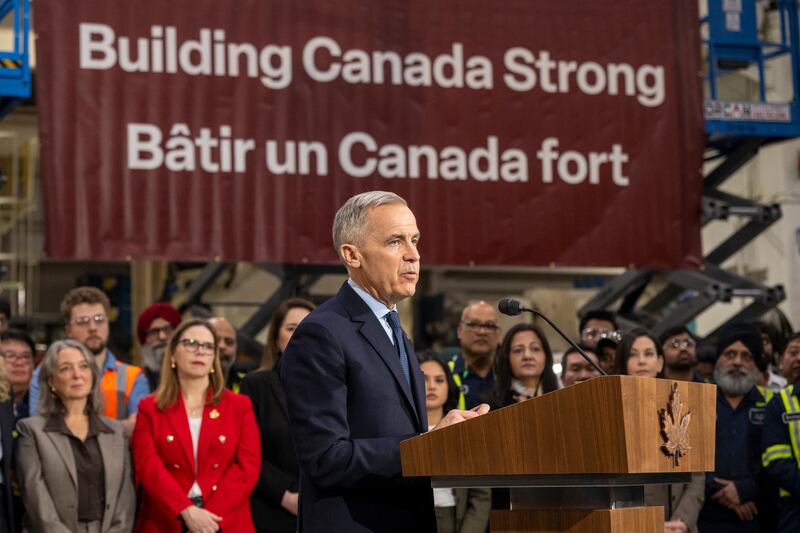
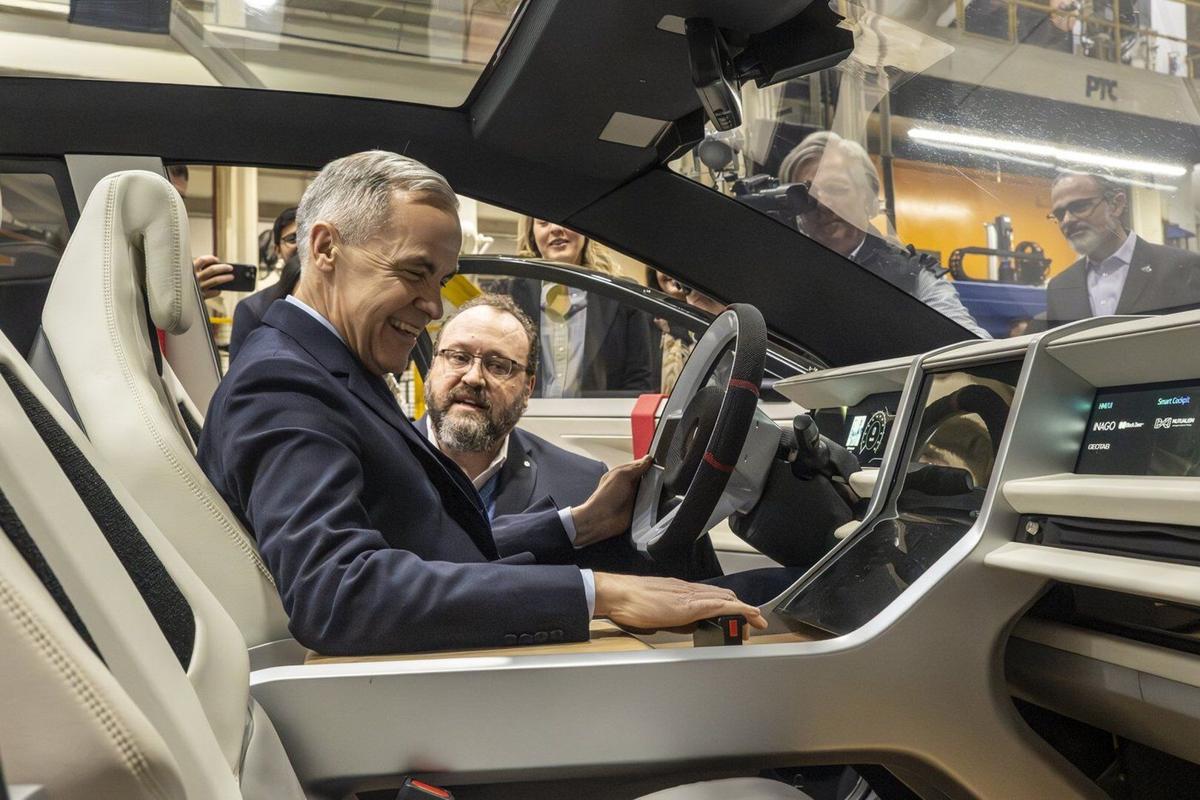
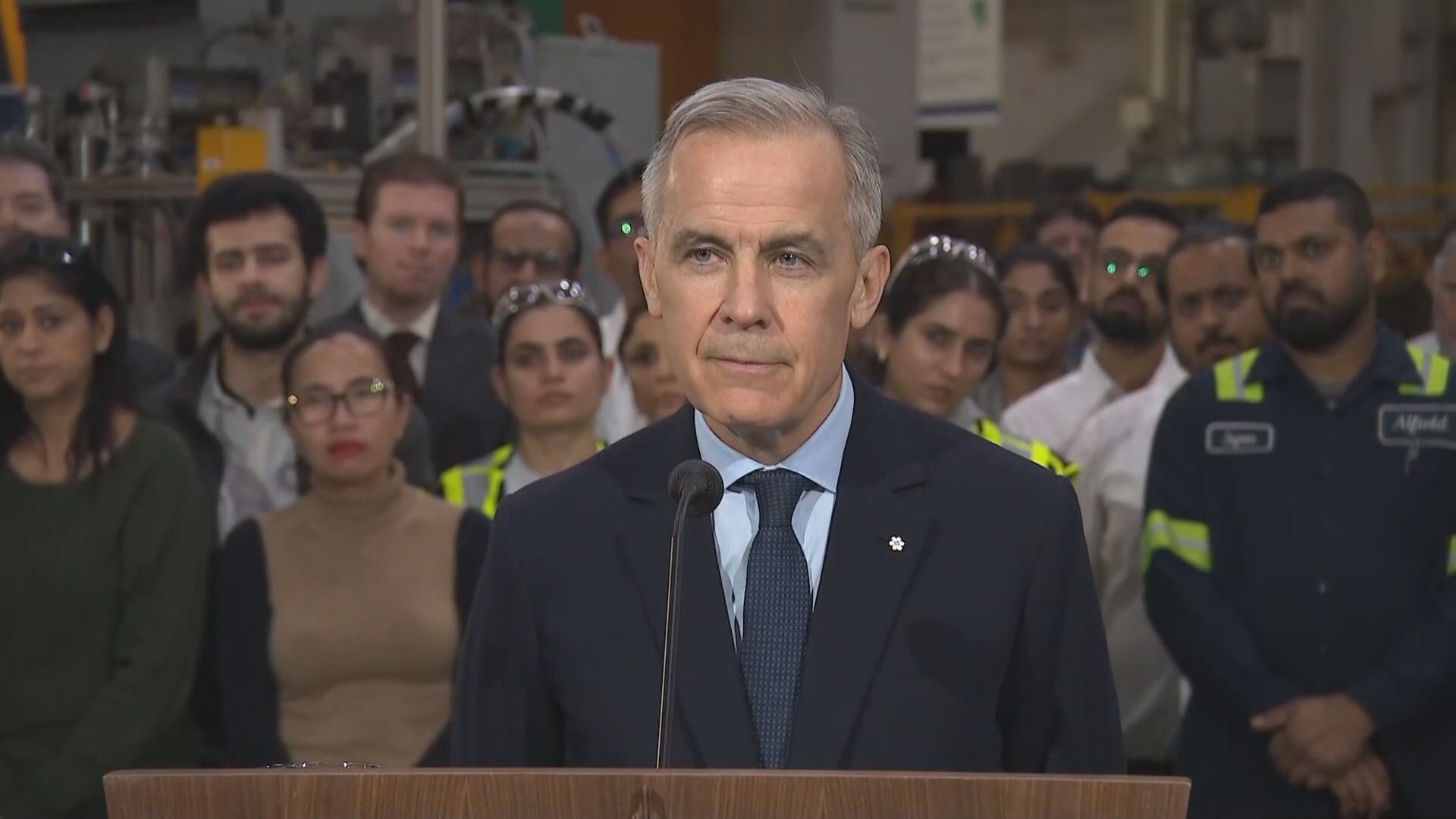
Canada's comprehensive automotive transformation strategy, announced February 5, 2026, represents a seismic shift in North American trade dynamics with direct implications for cross-border e-commerce sellers. Prime Minister Mark Carney's $5.3B investment package ($3B plant investments + $2.3B EV rebates + $1.5B charging infrastructure) responds to Trump's 25% tariff on Canadian vehicles and parts, fundamentally restructuring supply chains that have dominated North American automotive for over a century.
The tariff arbitrage opportunity is substantial. Canada's new tariff credit scheme and duty-free import manufacturing credits create immediate cost advantages for sellers sourcing EV components, battery packs, and automotive parts from Canadian manufacturers. With 90% of Canadian-made vehicles previously exported to the US facing 25% tariffs, manufacturers are now incentivized to serve alternative markets—particularly through Canadian e-commerce channels. Sellers can exploit this transition window (February 2026 - 2027) by establishing supplier relationships with Canadian auto parts manufacturers experiencing sudden demand shifts away from Detroit-based OEMs.
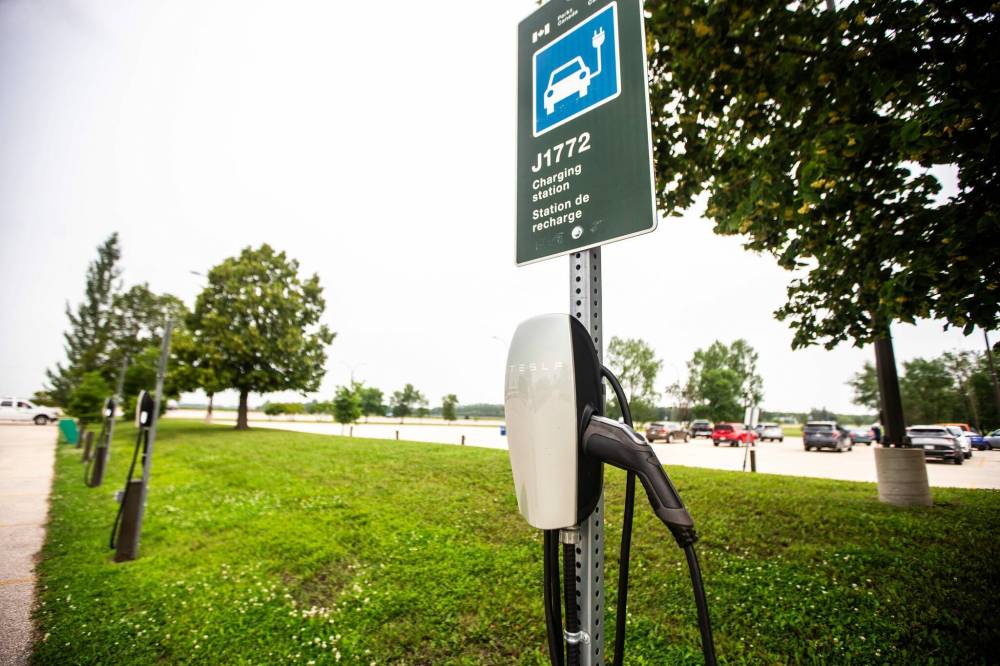
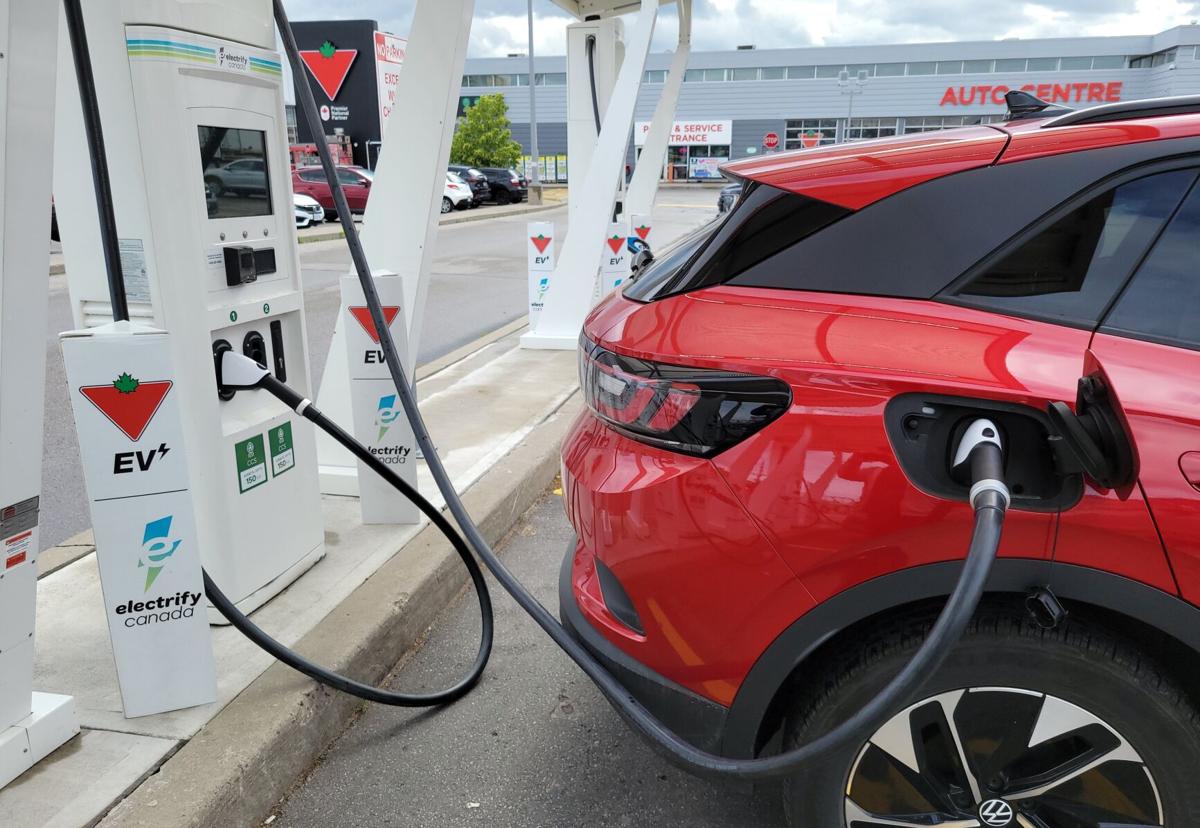
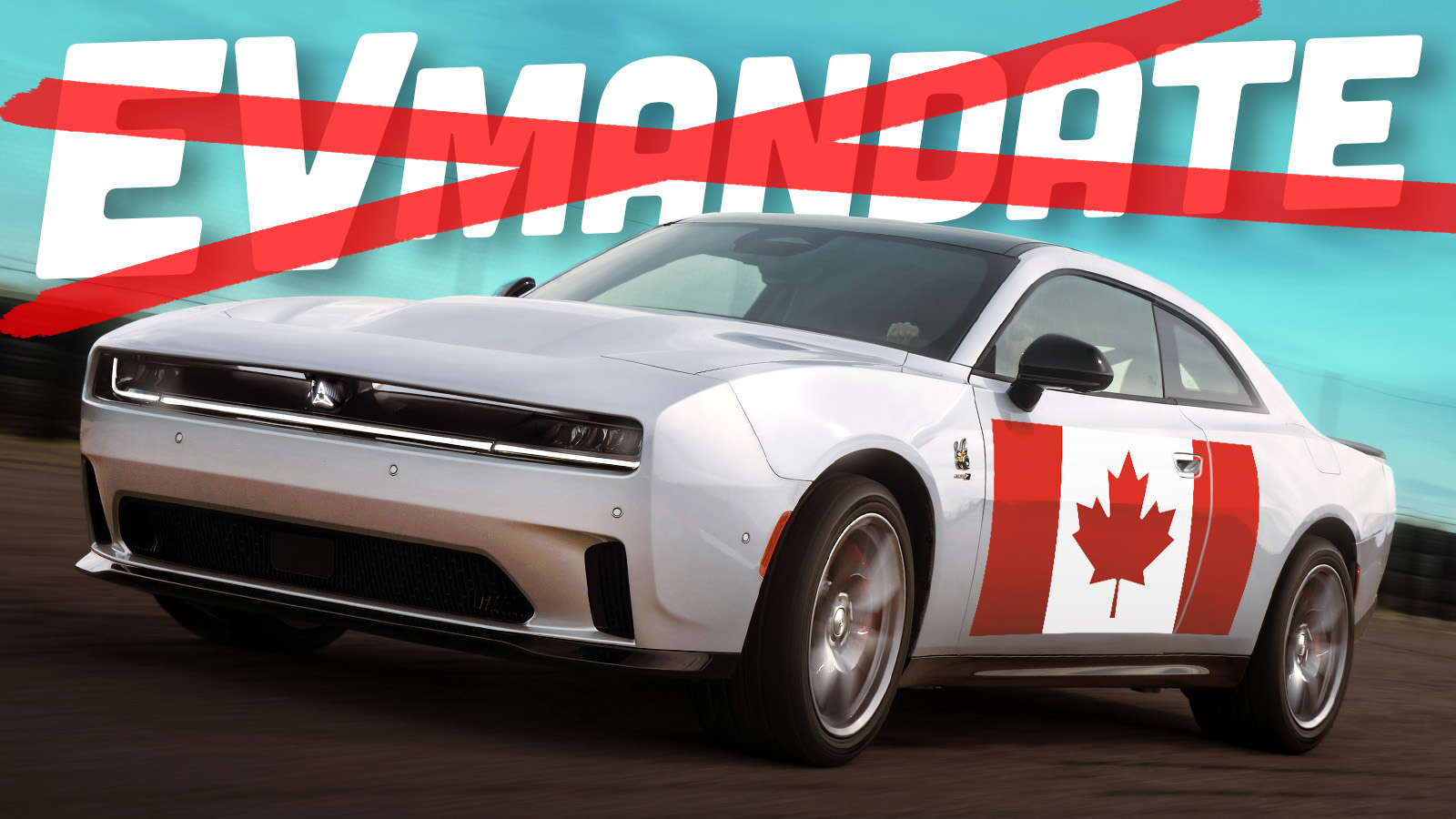
Market access expansion is critical. The $2.3B EV rebate program (effective February 16, 2026) offering $5,000 CAD ($3,600 USD) per vehicle purchase creates 840,000 new EV buyers in Canada. This demand surge extends beyond vehicles to complementary categories: EV charging equipment (HS 8504.40), battery management systems (HS 8507.80), automotive electrical components (HS 8511-8512), and EV-specific accessories. Sellers with inventory in these categories can capitalize on the 75% EV sales target by 2035 and 90% by 2040—representing a 57% emissions reduction per mile that drives component standardization and bulk purchasing.
Competitive dynamics shift dramatically. Canada's new agreements with South Korea and China ease tariffs on Korean and Chinese EV imports while excluding Chinese-made vehicles from rebate eligibility—a strategic loophole. Korean automakers establishing Canadian battery manufacturing facilities (per South Korea agreement) create sourcing opportunities for battery components, thermal management systems, and power electronics. Simultaneously, Stellantis' Ontario facility closure and GM's 700-worker layoff signal supply chain consolidation—creating inventory liquidation opportunities for sellers acquiring surplus automotive parts at distressed prices.
USMCA renegotiation (scheduled 2026) introduces timing urgency. With Trump threatening to eliminate the agreement entirely, the current 6-month window (February-August 2026) represents peak opportunity for sellers to establish Canadian supplier relationships before potential tariff escalation. The $100M Regional Tariff Response Initiative specifically funds tariff mitigation for manufacturers—creating partnerships with government-backed suppliers offers reduced sourcing costs and preferential access to duty-free import credits.
問題 8
What compliance shortcuts exist for sellers importing Canadian-made automotive parts?
Canada's tariff credit scheme allows sellers to import duty-free if they purchase credits from Canadian manufacturers receiving government subsidies. Sellers can legally acquire these credits at 5-10% discounts through the Regional Tariff Response Initiative, effectively reducing import costs on automotive components by 8-12%. Additionally, the rebate program's FTA-country-only requirement (vehicles under $50,000) creates a loophole: sellers can source components from FTA countries (Japan, South Korea, Mexico) at preferential rates, assemble them in Canada, and claim duty-free status. The compliance shortcut: establish a Canadian import/assembly operation (minimal capital required) to access duty-free credits and government subsidies, reducing component costs by 15-20% compared to direct US imports.
How does the emissions standard (57% reduction per mile) affect component standardization?
The 57% emissions reduction target by 2040 drives standardization of EV powertrains, battery chemistries, and electrical architectures across Canadian manufacturers. This standardization creates bulk purchasing opportunities: sellers can aggregate component orders across multiple manufacturers, reducing per-unit costs by 10-15%. Specific components becoming standardized include: lithium-ion battery packs (HS 8507.80), DC-DC converters (HS 8504.40), and thermal management systems. Sellers positioning as component aggregators for Canadian manufacturers can negotiate volume discounts with suppliers and resell at 15-25% markups. The standardization window (2026-2028) offers 2-3 year advantage before global suppliers identify the opportunity and compete on price.