




Microsoft Azure Growth Slows 38% vs Google Cloud 48% | Cloud Pricing Risk for E-Commerce Sellers
- Stock down 28% from highs; Azure capex surges 66% while growth decelerates; Copilot adoption fails; direct impact on seller infrastructure costs and AI tool availability
















/Microsoft%20Corporation%20logo%20on%20phone-by%20rafapress%20via%20Shuterstock.jpg)






/Microsoft%20sign%20at%20the%20headquarters%20by%20VDB%20Photos%20via%20Shutterstock.jpg)







概览
Microsoft faces a critical inflection point in February 2026 as its cloud infrastructure business loses competitive momentum against Google Cloud, creating immediate cost and strategic implications for e-commerce sellers relying on Azure services. The core issue: Microsoft's capital expenditure surged 66% in Q2 2026 to $37.5 billion (primarily for AI infrastructure including GPUs and CPUs), yet Azure growth decelerated to 38% year-over-year in Q4 2025 from 39% in Q3, while Google Cloud accelerated to 48% growth. This capex-to-growth mismatch prompted Stifel analyst Brad Reback to downgrade Microsoft from buy to hold on February 5, 2026, signaling investor concerns about return on investment efficiency.
For e-commerce sellers, this competitive dynamic directly impacts cloud infrastructure costs and feature roadmaps. Sellers using Azure for inventory management, customer analytics, AI-powered product recommendations, and order fulfillment face three immediate risks: (1) Pricing pressure uncertainty — Microsoft's slowing growth may force aggressive pricing to compete with Google Cloud's momentum, creating unpredictable cost structures for sellers planning 2026-2027 budgets; (2) Feature development delays — the capex-to-growth gap suggests Microsoft may slow feature releases and AI capability improvements, affecting sellers' ability to implement advanced analytics and automation; (3) Partnership instability — Microsoft's $250 billion OpenAI commitment (45% of remaining performance obligations) combined with Copilot's failed enterprise adoption (Wall Street Journal, February 3, 2026) indicates the company is redirecting resources away from cloud service enhancements toward proprietary AI development.
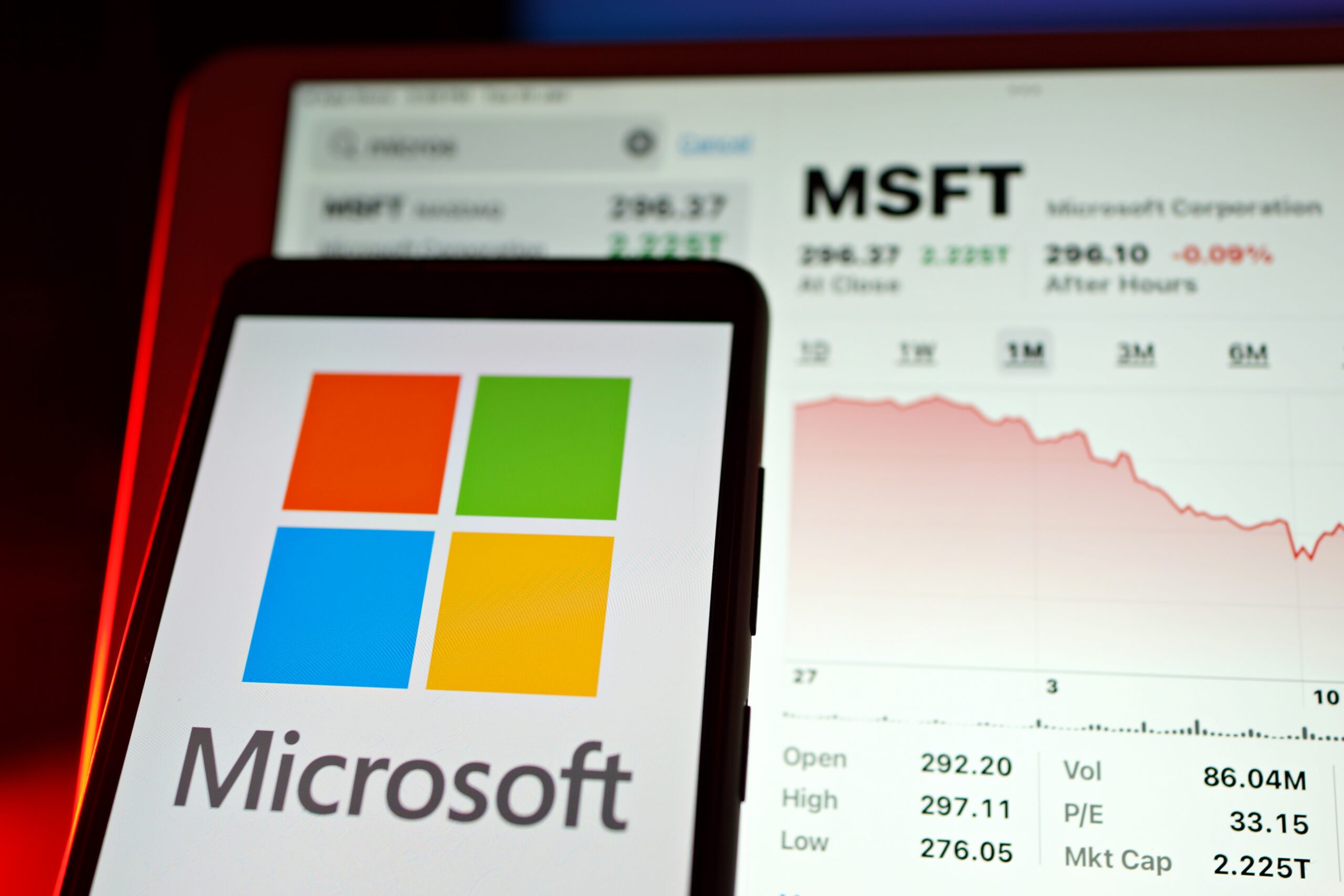
Microsoft's broader strategic crisis compounds these risks. CEO Satya Nadella's AI-first transformation strategy faces critical setbacks: Copilot adoption among Microsoft 365 enterprise subscribers remains minimal, with user preference declining toward Google's Gemini and Anthropic's Claude. The company's stock declined 28% from its $555.45 52-week high (trading at $393.58 in February 2026) and underperformed Alphabet by 86.4 percentage points over six months (Microsoft -23.5% vs. Alphabet +62.9%). Despite robust underlying business metrics (Q2 revenue up 17% YoY to $34.1B in productivity/business processes; Azure revenue up 39% YoY), investor confidence has shifted decisively toward Google's cloud and AI strategy. This sentiment shift matters because Microsoft's capital allocation decisions directly affect Azure's competitive positioning and feature velocity — factors that determine whether sellers should maintain, expand, or diversify their cloud infrastructure investments.
Sellers should monitor three critical indicators through Q2 2026: (1) Azure pricing announcements and discount structures relative to Google Cloud's offerings; (2) Microsoft's Q3 2026 earnings guidance on Azure growth trajectory and capex allocation; (3) Copilot integration timelines into Microsoft 365 and Azure services, which will signal whether the company can monetize its AI investments or faces further strategic pivots. The personal computing segment's 3% revenue decline year-over-year ($14.3B) suggests Microsoft's traditional enterprise relationships face pressure, potentially affecting support quality and feature prioritization for cloud customers.
問題 7
How does Microsoft Azure's 38% growth compare to Google Cloud, and what does this mean for seller costs?
Google Cloud accelerated to 48% growth in Q4 2025 (up from 34% in Q3), while Microsoft Azure decelerated to 38% (down from 39%), creating a 10-percentage-point competitive gap. This performance divergence signals investor preference for Google's cloud strategy, which may force Microsoft to offer aggressive pricing discounts to retain enterprise customers. Sellers using Azure should expect either price reductions (positive short-term) or service quality/feature delays (negative long-term) as Microsoft reallocates resources. Monitor your Azure bill for promotional pricing through Q2 2026, as Microsoft may offer 15-25% discounts to prevent customer migration to Google Cloud.
What is the risk to sellers from Microsoft's $250 billion OpenAI commitment?
Microsoft's $250 billion OpenAI commitment represents 45% of the company's remaining performance obligations ($625 billion total), meaning roughly $112.5 billion is earmarked for OpenAI partnerships rather than Azure infrastructure improvements. This capital allocation creates two risks for sellers: (1) **Feature development delays** — Microsoft may slow Azure feature releases and AI capability enhancements to manage costs; (2) **Pricing uncertainty** — if OpenAI investments don't generate expected returns, Microsoft may raise Azure prices to offset losses. Sellers relying on Azure's AI-powered tools (product recommendations, demand forecasting, customer analytics) should evaluate alternative providers like Google Cloud or AWS to reduce dependency on Microsoft's uncertain AI strategy.