
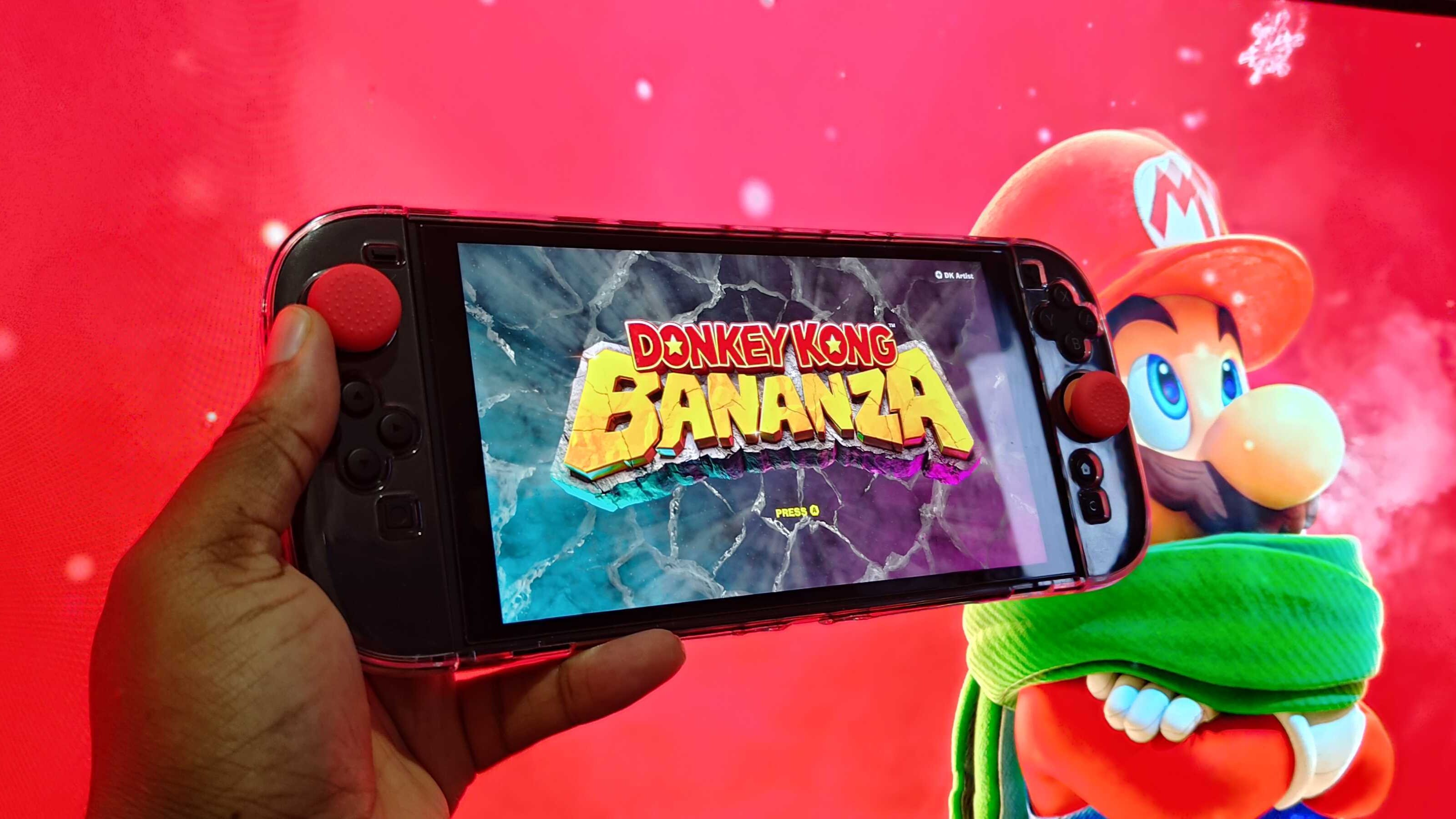



Switch 2 Gaming Console Market Shift | Budget-Conscious Buyers Drive $400 Hardware Sales
- Record launch sales offset by software drought concerns; 50-60% of console buyers prioritize affordability over premium features; gaming accessories and digital content categories face demand volatility
.jpg)
概览
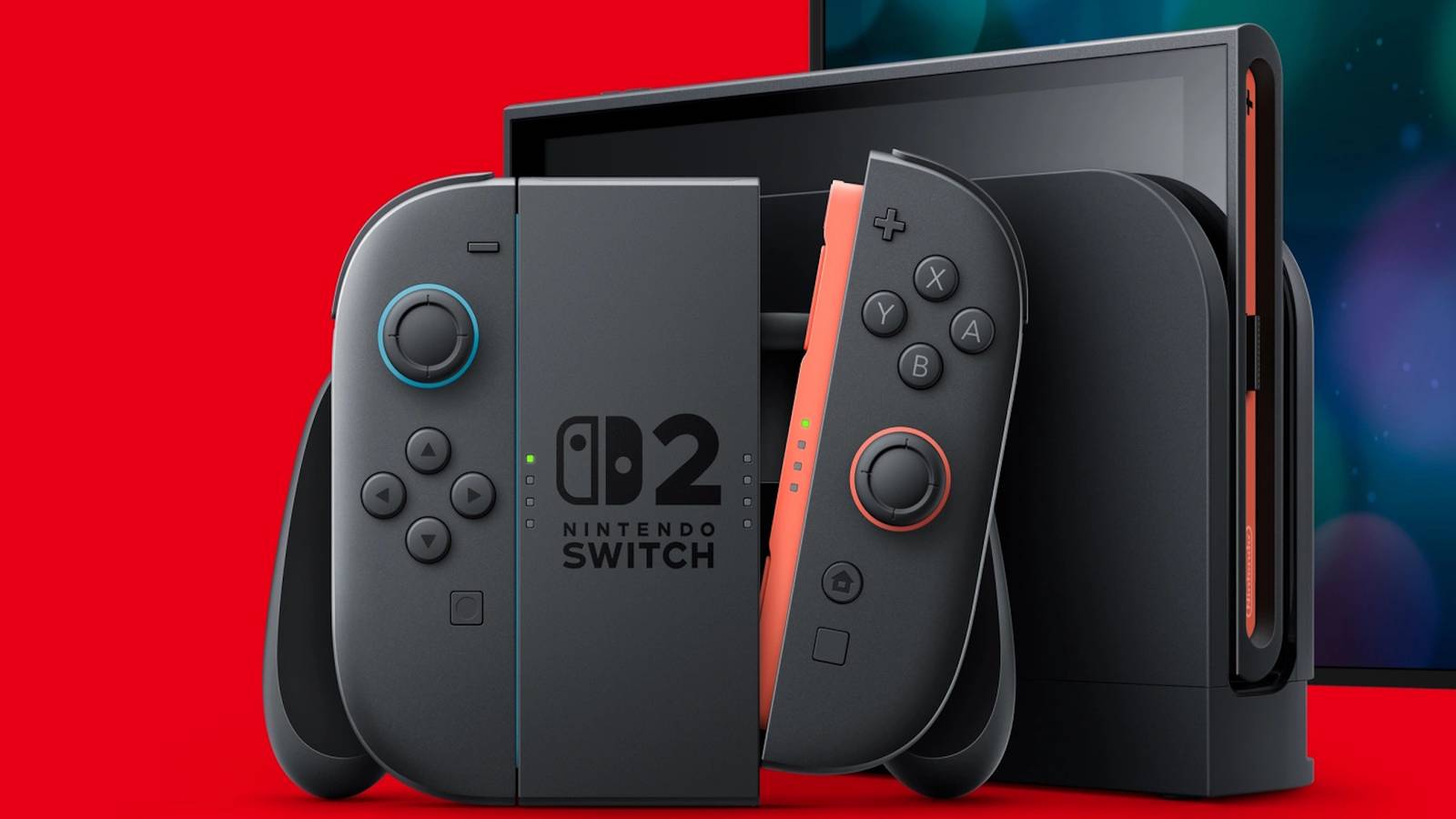
Nintendo's Switch 2 launch presents a complex market dynamic with significant implications for gaming hardware sellers and digital content merchants. The console achieved record-breaking sales upon launch in early 2026, demonstrating strong consumer demand for affordable gaming hardware. However, this initial momentum masks deeper concerns about software availability and consumer engagement that directly impact seller opportunities across multiple e-commerce categories.
Market Positioning & Consumer Behavior Shift: Nintendo's February 3, 2026 Partner Direct presentation revealed a strategic pivot toward value-conscious consumers. Market data shows approximately 50% of PS5 sales and over 60% of Xbox sales in 2025 were all-digital console variants priced $50-100 cheaper than disc-drive models, indicating consumers increasingly prioritize affordability over premium features. Nintendo president Shuntaro Furukawa confirmed no planned retail price increases for Switch 2 despite tariff pressures, maintaining competitive pricing at $400. This affordability focus creates opportunities for sellers in budget gaming accessories, third-party controllers, protective cases, and screen protectors—categories that typically see 30-40% higher attachment rates during console launches.
Software Drought & Engagement Challenges: Eight months into its lifecycle, Switch 2 faces significant software drought concerns. The Partner Showcase featured primarily ports and previously announced third-party titles rather than compelling new first-party content. Notable absences include any announced 3D Mario title or Zelda franchise entries despite the series' 40th anniversary in 2026. Industry analysis by The Game Business identified 2026's ten most-anticipated games with seven confirmed for Switch 2 release, but confirmed first-party releases remain sparse: Mario Tennis Fever, Pokémon Pokopia, repolished Super Mario Bros. Wonder, Yoshi and the Mysterious Book, and Fire Emblem: Fortunes Wave. Players report declining engagement and not playing the system for weeks due to lack of compelling new content, indicating lower software adoption than anticipated.
E-Commerce Seller Implications: This creates a bifurcated opportunity landscape. Hardware sellers benefit from record console sales and strong third-party port announcements (Indiana Jones and the Great Circle, Granblue Fantasy Relink, Final Fantasy 7 Rebirth, Resident Evil Requiem, Pragmata), but software sellers face uncertainty about blockbuster releases through mid-2026. Performance comparisons show Switch 2 versions of games running smoother than Steam Deck equivalents without requiring extensive configuration, supporting cross-platform game sales. However, lower third-party software adoption than anticipated suggests sellers should diversify into gaming accessories, merchandise, and digital content rather than relying solely on software sales. The $400 price point and affordability positioning indicate target buyers are budget-conscious gamers seeking value, creating opportunities for sellers of refurbished accessories, bundle deals, and complementary products.
問題 8
What is driving Switch 2 sales despite software concerns?
Switch 2 achieved record-breaking launch sales through aggressive affordability positioning at $400 with no planned price increases despite tariff pressures. Market data shows 50-60% of console buyers in 2025 prioritized all-digital variants $50-100 cheaper than disc models, indicating strong consumer demand for budget-friendly gaming hardware. Nintendo's strategy emphasizes third-party support with seven of 2026's ten most-anticipated games confirmed for Switch 2 release, including major titles like Indiana Jones and the Great Circle, Final Fantasy 7 Rebirth, and Resident Evil Requiem. This value-first positioning appeals to cost-conscious gamers seeking current-generation gaming without premium pricing, driving strong initial adoption despite acknowledged software drought concerns.
What e-commerce categories benefit most from Switch 2 launch?
Gaming accessories and hardware peripherals see highest attachment rates during console launches, typically 30-40% higher than baseline. Switch 2's record sales drive demand for protective cases, screen protectors, third-party controllers, charging docks, and carrying cases. Digital content sellers benefit from confirmed third-party ports (Indiana Jones, Final Fantasy 7 Rebirth, Resident Evil Requiem, Pragmata) with seven of 2026's ten most-anticipated games confirmed for Switch 2. However, software adoption remains lower than anticipated, suggesting sellers should diversify into complementary products. Budget-conscious buyer positioning creates opportunities for refurbished accessories, bundle deals, and value-oriented merchandise. Gaming merchandise and collectibles tied to confirmed franchises (Pokémon, Mario, Fire Emblem) also see increased demand during console lifecycle peaks.