

SpaceX-xAI Merger Signals AI Infrastructure Shift | Cloud Cost Impact for E-Commerce Sellers
- $1.25 trillion deal announced February 5, 2025 creates orbital data center opportunity; potential 15-25% cloud computing cost reduction within 3-5 years could reshape seller logistics and fulfillment economics












概览
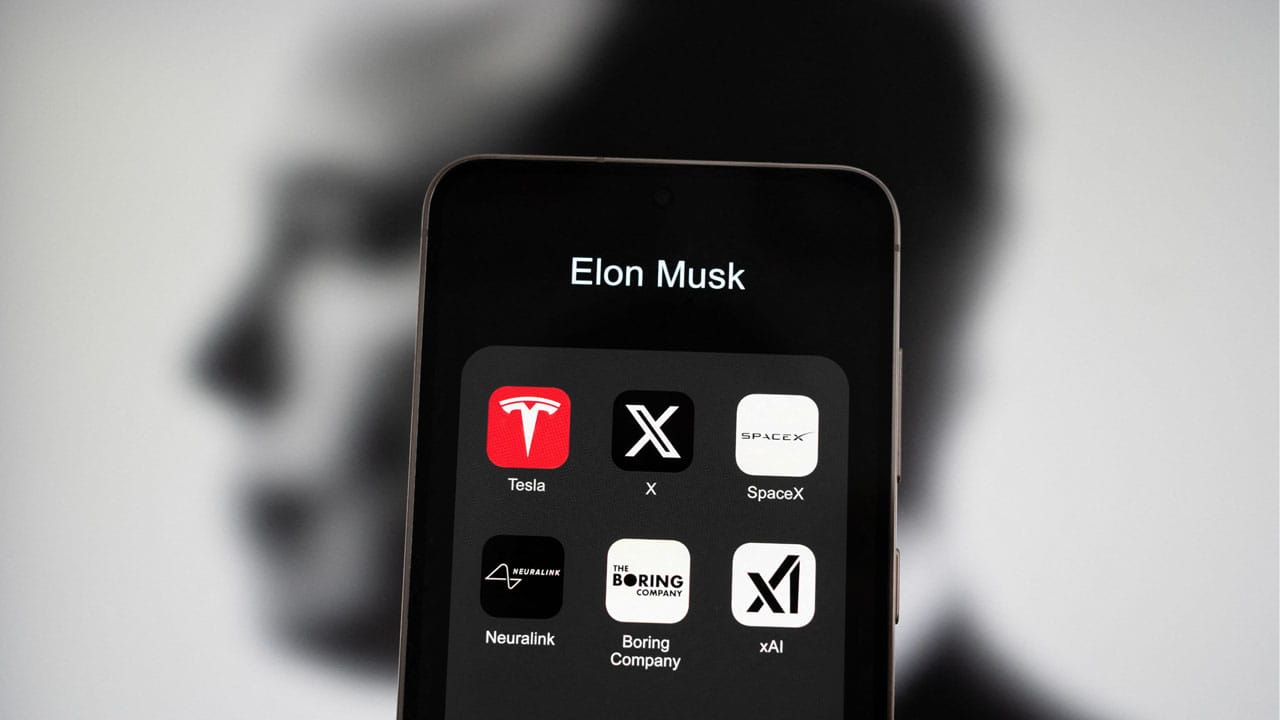
The SpaceX-xAI merger announced February 5, 2025, represents a watershed moment for cloud infrastructure economics that will indirectly reshape e-commerce seller operations. Valued at $1.25 trillion ($1 trillion SpaceX + $250 billion xAI), the deal combines SpaceX's satellite launch capabilities with xAI's AI computational technology to develop orbital data centers powered by solar energy. While the merger's immediate operational impact on cross-border sellers appears minimal, the strategic consolidation signals a fundamental shift in how computing infrastructure will be priced and delivered—with profound implications for seller fulfillment costs, inventory management systems, and logistics optimization tools.
Cloud computing represents 8-12% of total fulfillment costs for mid-sized e-commerce sellers, according to industry benchmarks. The merger's stated goal—reducing AI infrastructure costs through space-based computing within 2-3 years—directly threatens the current pricing power of Amazon Web Services, Google Cloud, and Microsoft Azure. If successful, orbital data centers could reduce computational costs by 15-25% through elimination of terrestrial electricity constraints and cooling expenses. This cost compression would cascade through the e-commerce ecosystem: Amazon's fulfillment algorithms, inventory forecasting systems, and recommendation engines all run on cloud infrastructure. Lower cloud costs translate to reduced FBA fees, more competitive pricing on logistics optimization tools, and potentially lower storage fees as Amazon's operational expenses decline.
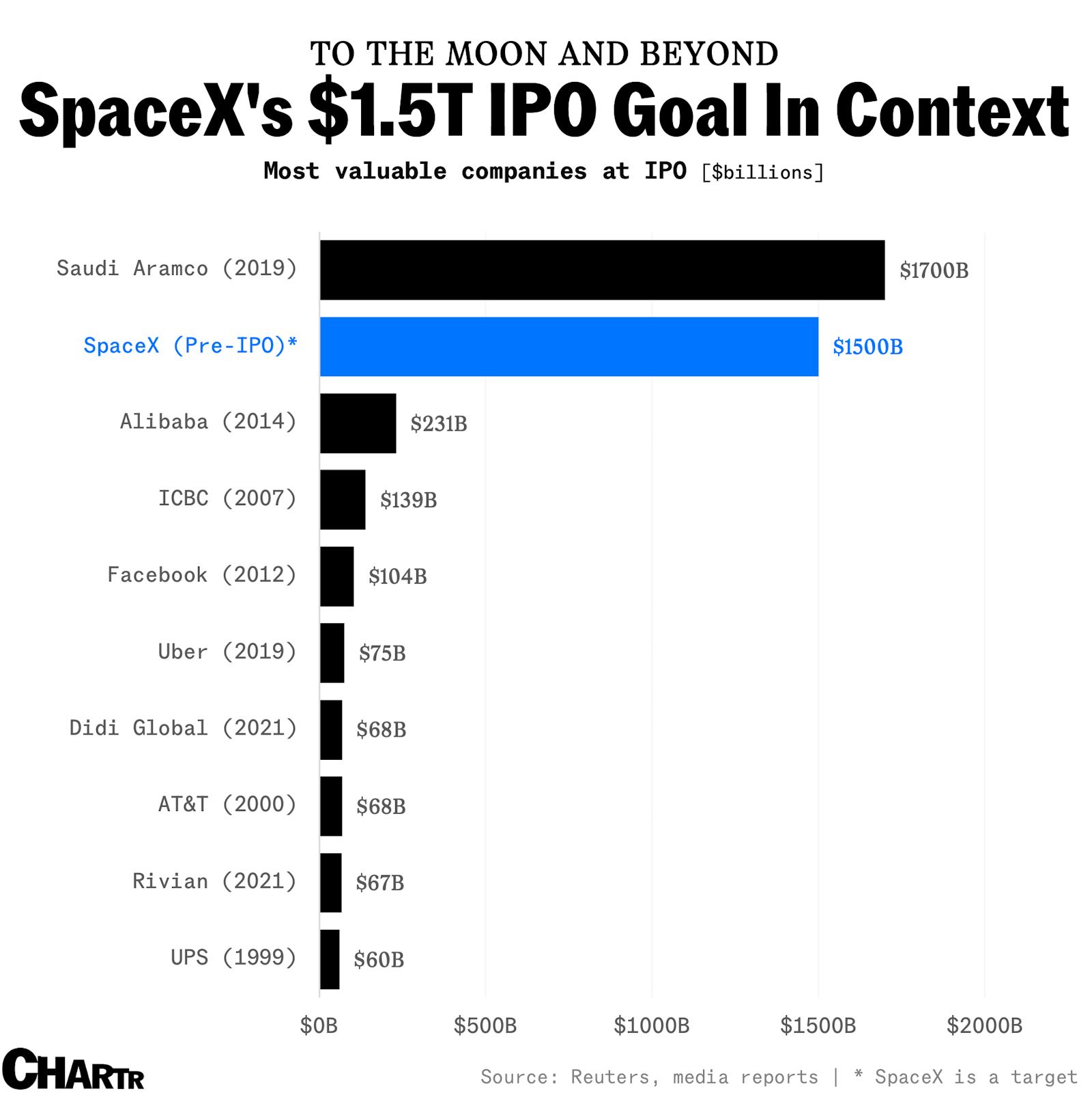
The merger structure reveals sophisticated financial engineering with seller-relevant implications. Using a triangular merger, Musk isolated xAI's $22 billion debt burden ($17 billion inherited from X acquisition + $5 billion additional) from SpaceX's parent company, avoiding debt covenant triggers and maintaining SpaceX's IPO timeline for June 28, 2025 (targeting $50+ billion raise at $1.5+ trillion valuation). This legal insulation matters to sellers because it signals SpaceX's financial stability heading into public markets—critical for a company that will control critical satellite infrastructure supporting global logistics networks. The tax-free reorganization under IRS regulations allows xAI shareholders to defer taxes, preserving capital for technology development. However, the merger also carries regulatory risk: xAI faces EU and UK investigations into Grok's deepfake image generation, with potential fines threatening SpaceX's government contracts (military and space operations). Sellers dependent on government-subsidized logistics programs should monitor these regulatory outcomes.
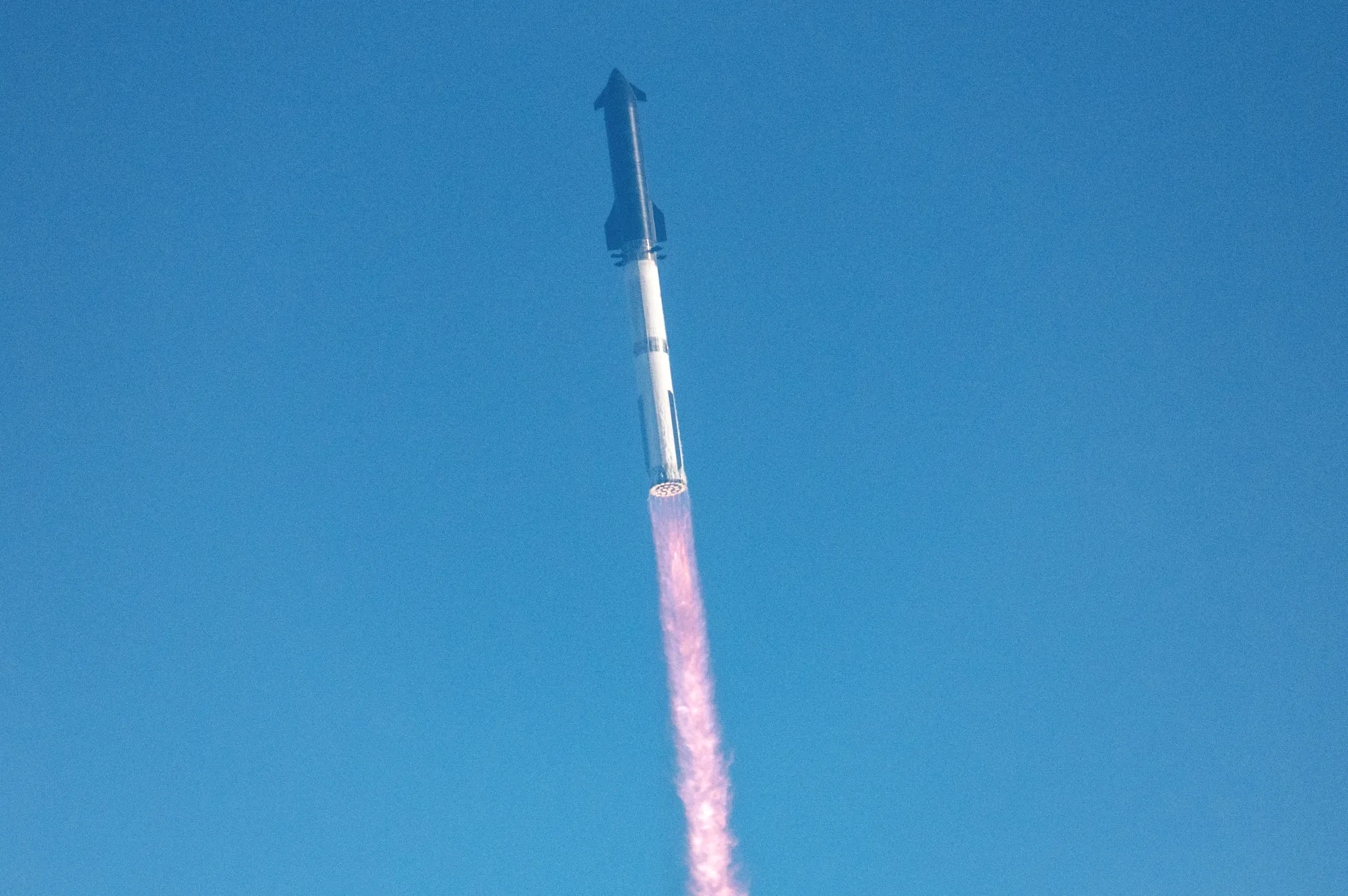
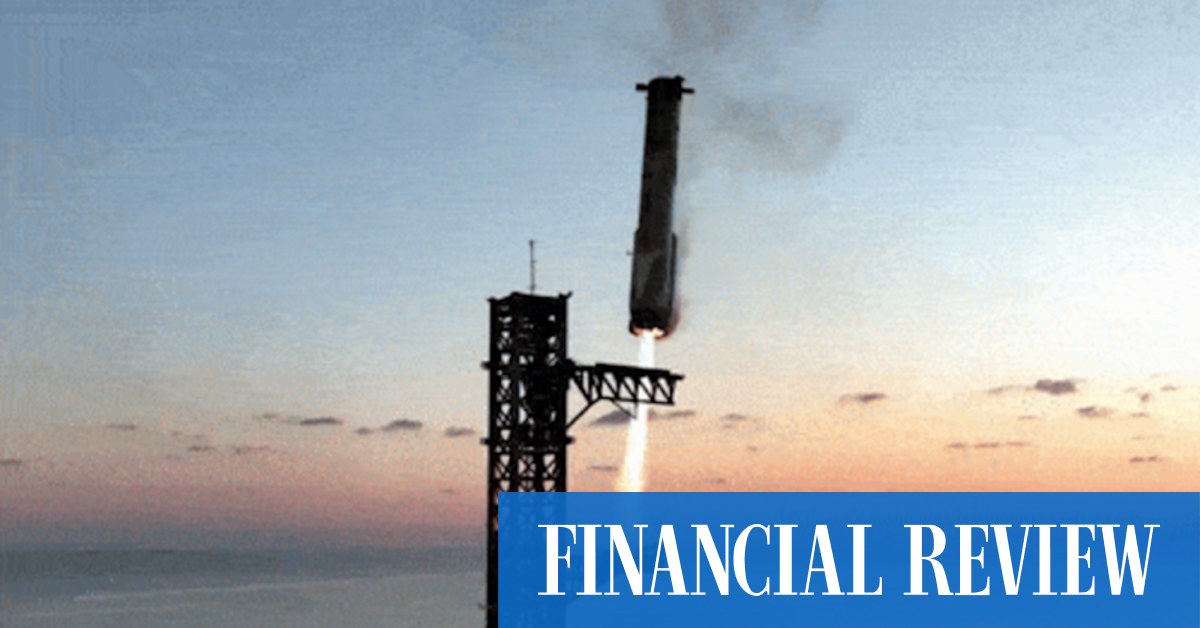
The technical and economic challenges are substantial, creating a 5-10 year timeline rather than Musk's claimed 2-3 years. Orbital data centers require solving cooling requirements for space-based hardware, cosmic ray protection for sensitive AI processors, and Starship development delays. Earth-based electricity currently costs $0.04-0.08 per kilowatt-hour; space launch costs remain $1,500-2,500 per kilogram. Even with SpaceX's reusable Starship reducing launch costs to $100-200 per kilogram, the economics don't favor orbital data centers for 3-5 years. This extended timeline means sellers should not expect immediate cloud cost reductions but should monitor the merger's technical progress as a leading indicator of future infrastructure changes.
問題 8
Could the merger create new seller opportunities in space-related products?
The merger signals growing commercial space economy, creating indirect opportunities for sellers in aerospace components, satellite technology accessories, and space-related merchandise. Categories like space-themed collectibles, educational STEM products, and aerospace equipment could see 10-20% demand growth as SpaceX's public profile increases post-IPO. Additionally, sellers offering logistics optimization software or cloud-based inventory management tools could position themselves as 'space-ready' solutions compatible with future orbital infrastructure. However, direct product opportunities remain limited until orbital data centers achieve commercial viability in 5-10 years. Focus on positioning as infrastructure-agnostic solutions that will benefit from future cloud cost reductions.
What is the realistic timeline for orbital data center deployment?
Musk claims 2-3 years, but industry experts consider this unrealistic. Technical challenges include cooling requirements for space-based hardware, cosmic ray protection for AI processors, and Starship development delays. Economic obstacles persist: Earth-based electricity costs $0.04-0.08 per kilowatt-hour while space launch costs remain $1,500-2,500 per kilogram. Even with SpaceX's reusable Starship reducing launch costs to $100-200 per kilogram, orbital data centers won't achieve cost parity with Earth-based infrastructure for 5-10 years. Sellers should not expect immediate cloud cost reductions but should monitor technical progress as a long-term infrastructure indicator.