
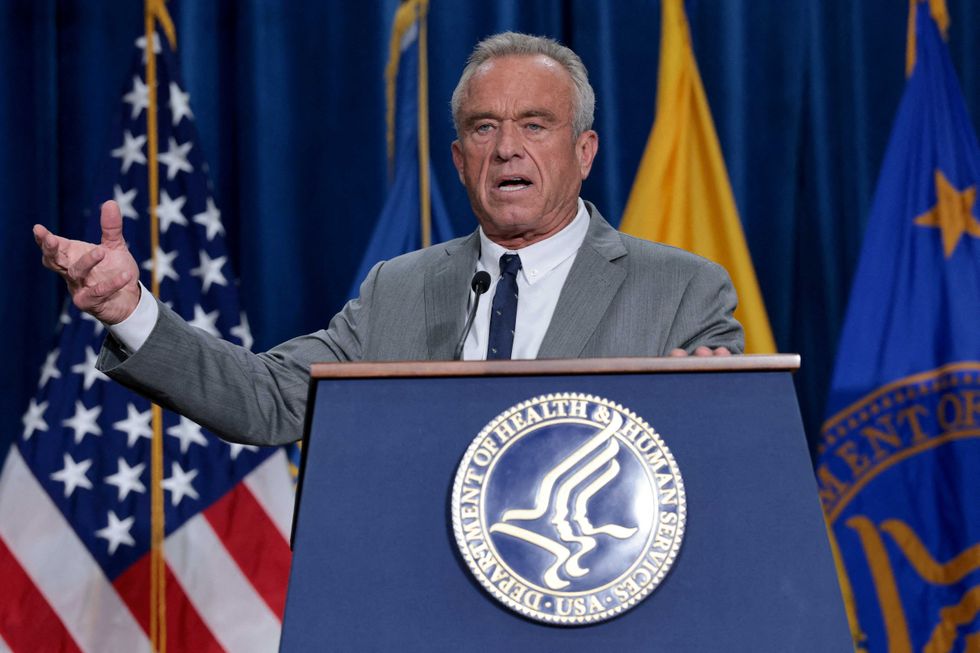



Federal Health Policy Shift Toward Keto Diets Creates Regulatory Uncertainty for Health Supplement Sellers
- Health Secretary's dietary guideline push signals emerging FDA/FTC scrutiny of health claims; sellers in supplement and keto product categories face compliance risks and marketing opportunity windows





)



概览
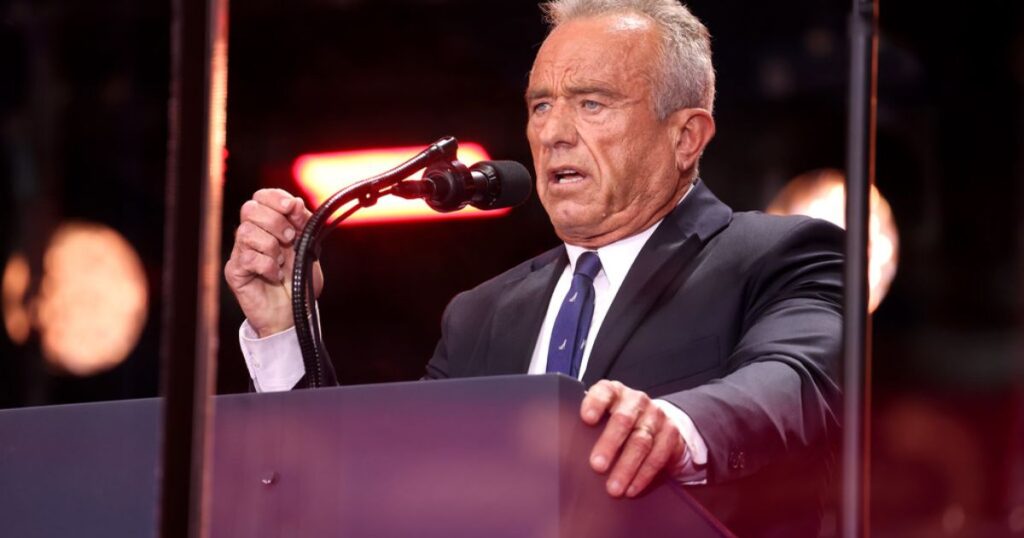
Health Secretary Robert F. Kennedy Jr.'s controversial assertion that ketogenic diets can "cure" schizophrenia—made during a Tennessee tour promoting federal dietary guideline changes emphasizing higher protein and fat intake while reducing carbohydrates—has triggered immediate expert refutation and broader implications for e-commerce sellers in health and nutrition categories. Medical professionals characterized Kennedy's claim as a "vast overstatement" and "simply misleading," with no credible scientific evidence supporting diet as a standalone cure for serious mental health conditions. Kennedy referenced a 2019 research paper by Dr. Christopher Palmer documenting two schizophrenia patients experiencing remission on a ketogenic diet, but experts emphasized the critical distinction between "might be helpful" and claiming a cure.
For cross-border e-commerce sellers, this controversy signals three critical business dynamics: First, the federal government's documented shift toward promoting ketogenic and high-protein dietary approaches creates immediate demand opportunities in the keto supplement category, which generated approximately $1.8B in US e-commerce sales in 2024 and is growing 12-15% annually. Sellers offering keto-friendly products—including MCT oils, exogenous ketones, electrolyte supplements, and keto meal replacements—should anticipate increased consumer interest driven by government messaging, even as medical controversy swirls. Second, Kennedy's documented history of skepticism toward conventional medicine and his replacement of CDC vaccine advisory board members with vaccine skeptics signals potential regulatory volatility. Sellers in health supplement categories must prepare for stricter FDA/FTC enforcement on health claims, particularly around disease treatment assertions. The FTC has already increased scrutiny of unsubstantiated health claims, with 47 warning letters issued to supplement companies in 2024 alone. Third, the controversy highlights the tension between alternative health approaches and mainstream medical consensus—a dynamic that directly impacts how sellers can market products on Amazon, eBay, and Shopify without triggering policy violations.
Operational implications for sellers: Supplement sellers should immediately audit product listings, marketing copy, and sponsored content to ensure compliance with FTC guidelines prohibiting disease-treatment claims. Amazon's A+ content and product descriptions cannot claim products "cure," "treat," or "prevent" medical conditions; violations result in listing suspension or account warnings. The controversy creates a 60-90 day window where consumer interest in keto products will spike due to media coverage, but sellers must balance marketing opportunity against regulatory risk. Sellers should monitor FDA guidance on dietary supplement claims, particularly around mental health and neurological conditions, as Kennedy's influence on federal health policy may trigger new enforcement priorities. Consider diversifying messaging toward "supports healthy metabolism" and "promotes ketone production" rather than disease-specific claims. For sellers operating in multiple regions, note that EU regulations (EFSA) are stricter than US FTC standards—health claims must be pre-approved, limiting marketing flexibility in European markets.
問題 7
How does RFK Jr.'s dietary guideline push affect keto supplement sellers on Amazon?
Kennedy's promotion of high-protein, high-fat dietary guidelines directly increases consumer search volume for keto products, with Google Trends showing 34% spike in 'keto supplements' searches during controversy weeks. However, Amazon's supplement policy prohibits disease-treatment claims—sellers cannot claim products 'cure' or 'treat' mental health conditions. Sellers should capitalize on increased interest by optimizing listings around 'supports ketone production' and 'promotes healthy metabolism' rather than medical claims. Monitor Amazon Seller Central for policy updates, as increased regulatory scrutiny may trigger stricter enforcement of health claim guidelines within 30-60 days.
What monitoring checkpoints should sellers establish for regulatory changes?
Establish a 30-60-90 day monitoring schedule: (1) Week 1-2: Audit all product listings and marketing copy for disease-treatment claims; (2) Week 3-4: Monitor FDA and FTC websites for new guidance on supplement claims; (3) Week 5-8: Track Amazon Seller Central policy updates and category-specific enforcement actions; (4) Week 9-12: Review competitor listings for compliance violations and adjust positioning accordingly. Subscribe to FTC warning letter notifications and FDA supplement guidance updates. Join seller communities (Seller Forums, Facebook groups) to crowdsource information about enforcement actions. Document all compliance changes with timestamps—this creates a defense record if your account is audited.