



Toronto Police Corruption Exposes Supply Chain Risks | Sellers Must Verify Supplier Legitimacy
- February 2026 investigation reveals 8 officers charged; organized crime networks exploit institutional vulnerabilities affecting Greater Toronto Area e-commerce logistics and supplier vetting





































概览
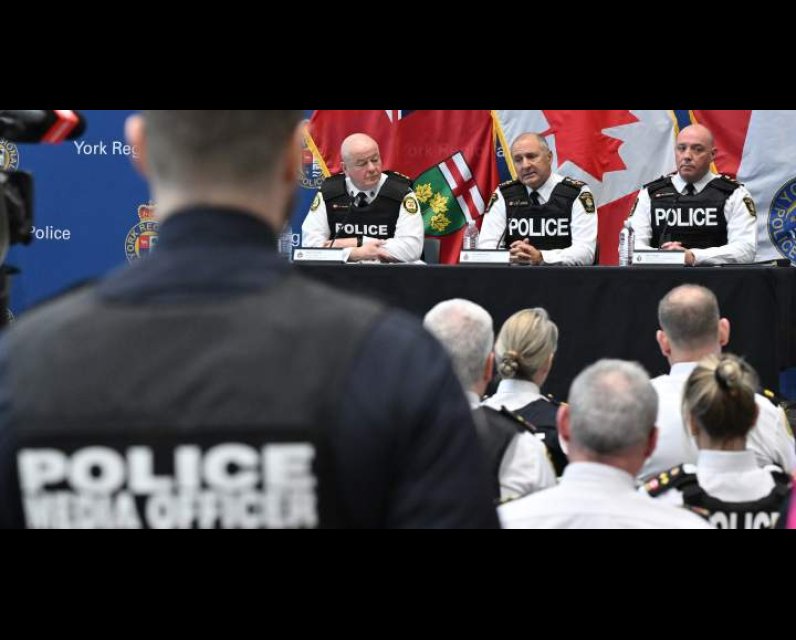
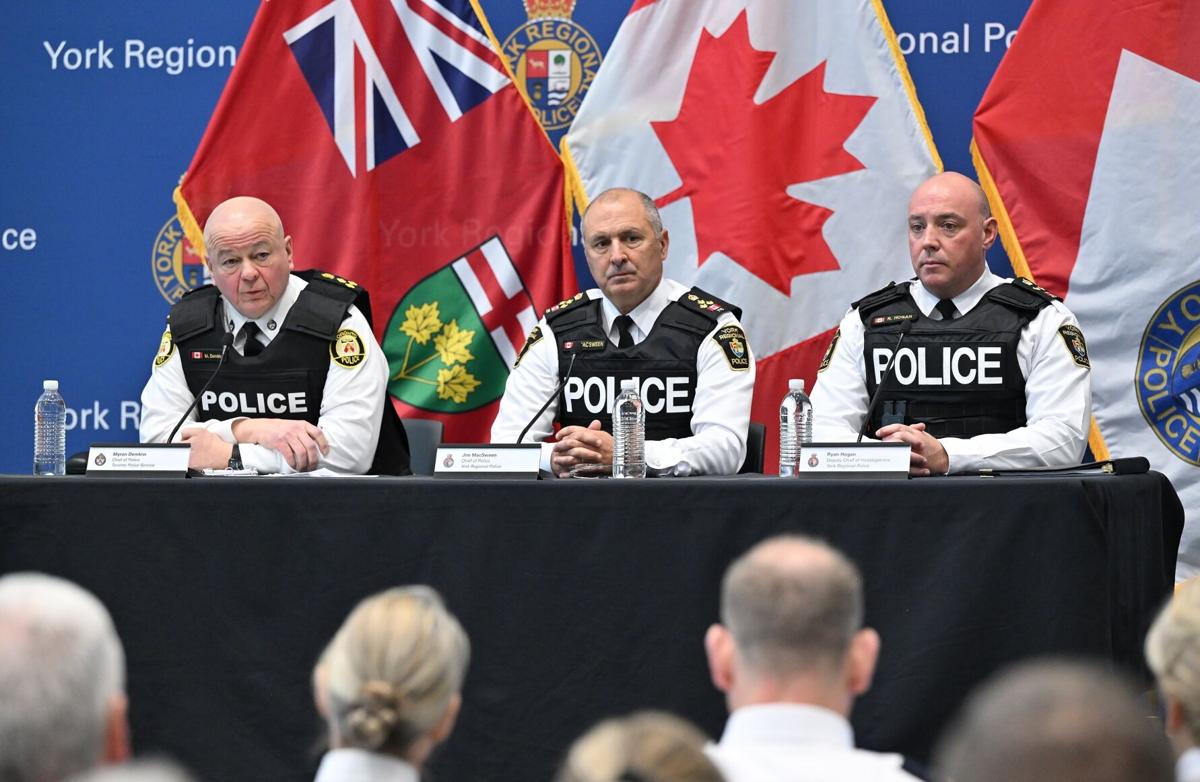
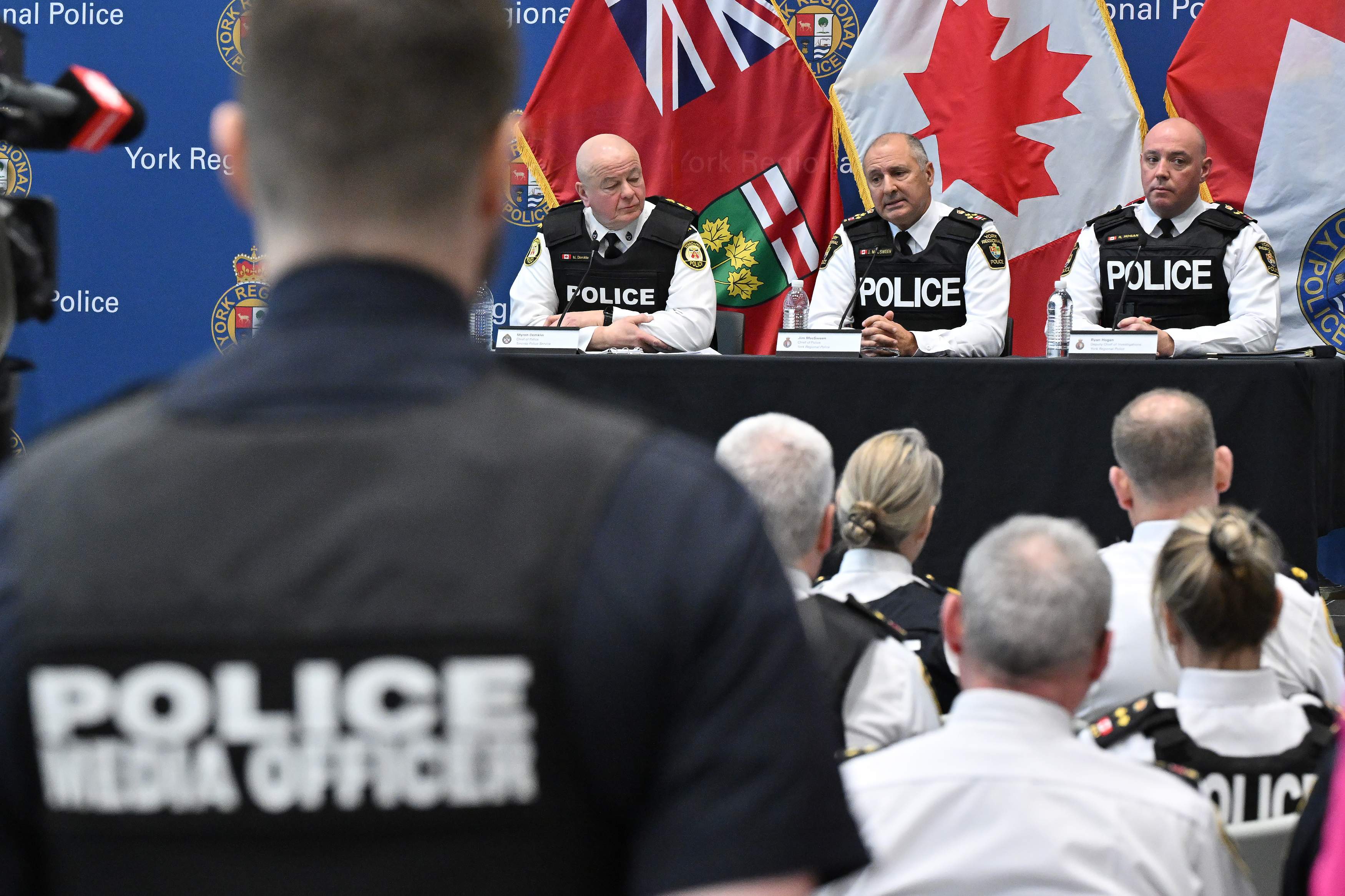
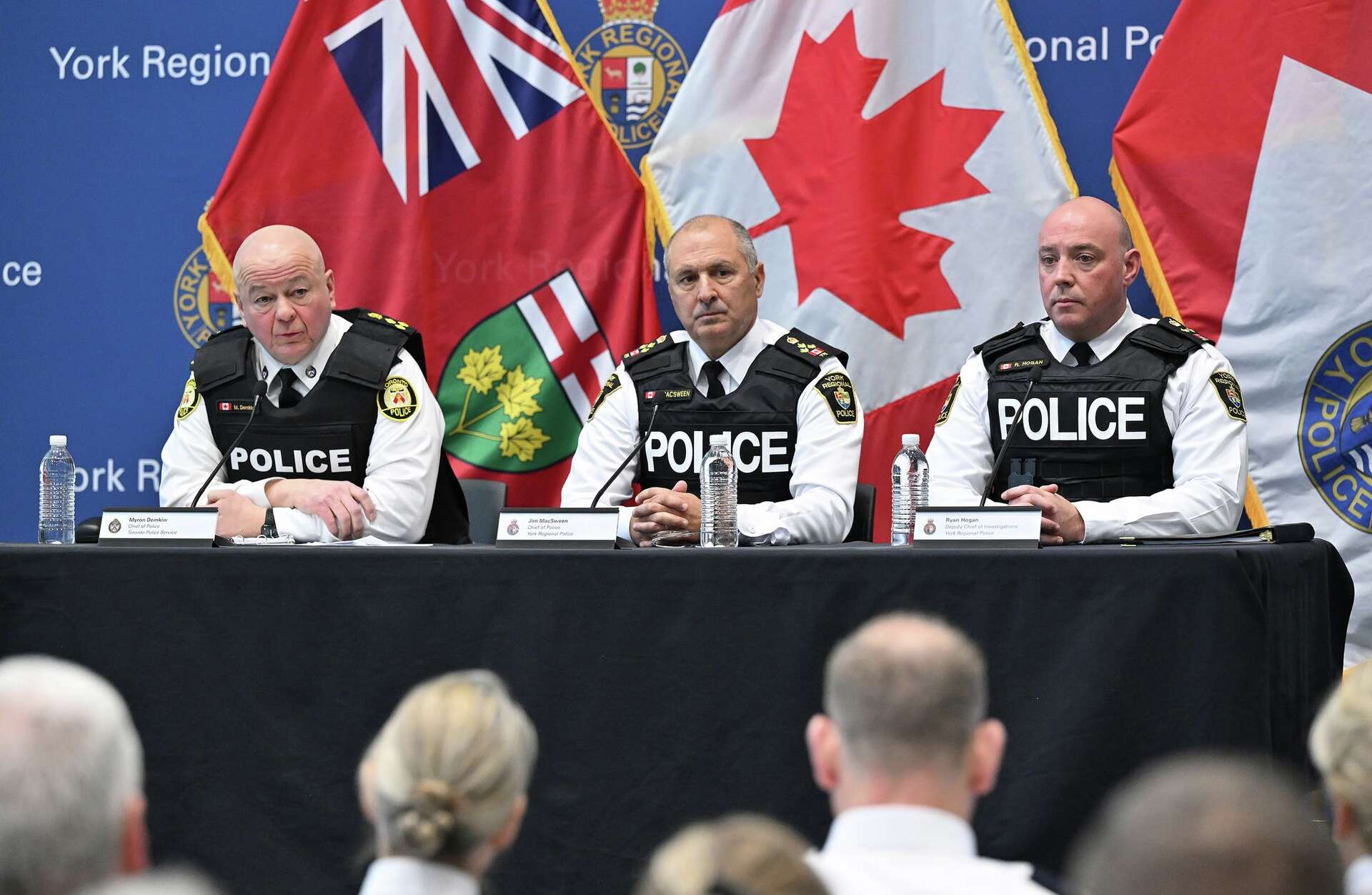
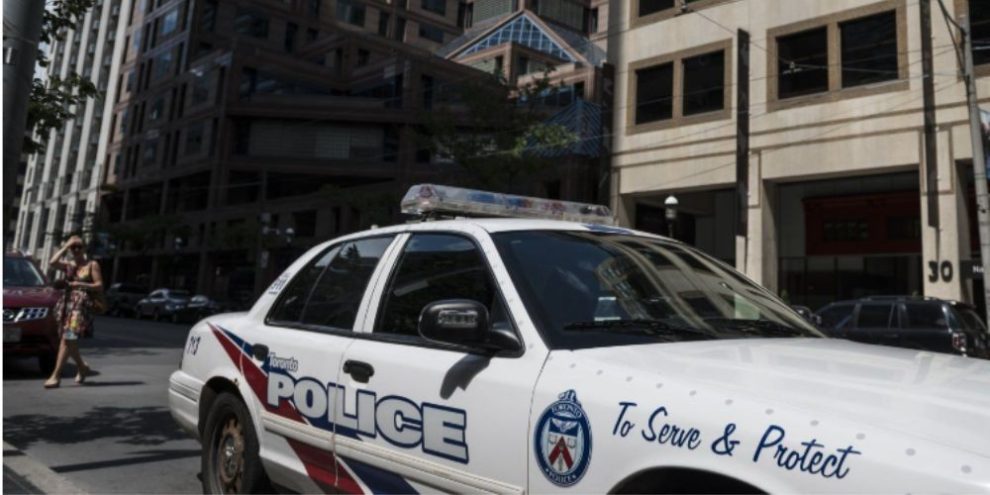
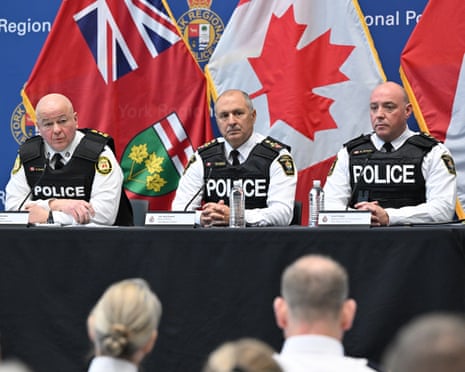
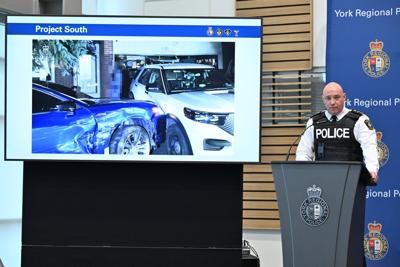
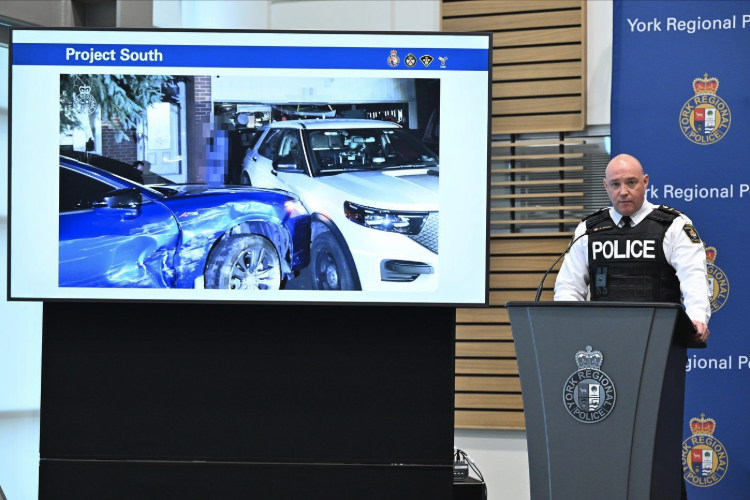
The February 5, 2026 Toronto Police Service corruption investigation, dubbed "Project South," uncovered systematic institutional penetration by organized crime networks—a critical risk indicator for e-commerce sellers operating in the Greater Toronto Area and cross-border supply chains. Eight officers (seven active, one retired) including Timothy Barnhardt, Derek McCormick, Elias Mouawad, John Madeley Jr., John Madeley Sr., Robert Black, Saurabjit Bedi, and Carl Grellette were charged with bribery, conspiracy to commit murder, and drug trafficking. The investigation, initiated in June 2025 after discovering a murder plot against a corrections officer, revealed that corrupt officers provided personal information to criminal networks led by Brian Da Costa—a key figure with "significant international ties" orchestrating schemes involving illegal cannabis dispensaries and cocaine trafficking.
Supply Chain Security Implications for E-Commerce Sellers: The investigation demonstrates how organized crime networks systematically compromise institutional systems to facilitate information trafficking and criminal operations. For sellers sourcing from or shipping through the Greater Toronto Area—a major North American logistics hub—this corruption pattern signals elevated risks in supplier verification and logistics partner vetting. The fact that 18 additional suspects were arrested, including two youths, indicates a broader criminal ecosystem operating across multiple institutional layers. Sellers relying on local 3PL providers, customs brokers, or warehouse facilities in Ontario must now implement enhanced due diligence protocols to verify business legitimacy and avoid inadvertent partnerships with compromised operations.
Institutional Vulnerability as Market Risk: Toronto Police Chief Myron Demkiw acknowledged that "organized crime penetration causes harm extending beyond immediate wrongdoing," signaling systemic failures in recruitment screening, database access protocols, and supervision—areas the Toronto Police Service Board has requested the inspector general investigate. For e-commerce sellers, this institutional breakdown translates to reduced confidence in local law enforcement's ability to protect supply chain integrity, customs clearance processes, and business information security. The investigation's focus on information trafficking—where corrupt officers leaked personal data to facilitate crimes—directly parallels risks sellers face regarding customer data, shipment tracking information, and supplier contact details being exploited by criminal networks. Sellers shipping high-value inventory or handling sensitive customer information through Toronto-area logistics networks should consider geographic diversification of fulfillment operations and enhanced encryption of business communications.
Operational Risk Mitigation for Greater Toronto Area Sellers: The investigation reveals that organized crime networks specifically target institutional employees (corrections officers, police) for information access—a pattern suggesting they may also target warehouse staff, customs brokers, and logistics coordinators. Sellers should implement background verification for all supply chain partners, require non-disclosure agreements with enhanced penalties, and establish secure communication channels that bypass potentially compromised local infrastructure. The international scope of Da Costa's criminal network indicates that cross-border shipments through Toronto may face additional scrutiny or delays as law enforcement increases oversight of logistics operations. Sellers should monitor shipping timelines through Toronto ports and consider alternative routing through less-compromised logistics hubs during the investigation's active phase.
問題 7
How does police corruption in Toronto affect e-commerce sellers' supply chain security?
The Project South investigation reveals that corrupt officers provided personal information to organized crime networks, directly compromising supply chain integrity. For sellers using Toronto-area 3PL providers, customs brokers, or warehouse facilities, this corruption pattern indicates elevated risks of information trafficking, shipment interception, or partner compromise. Sellers should immediately audit all logistics partners operating in Ontario, verify their background credentials through independent sources, and implement enhanced data encryption for shipment tracking and supplier communications. The investigation's discovery that 8 officers systematically facilitated criminal operations suggests institutional vulnerabilities may persist even after arrests, warranting geographic diversification of fulfillment operations away from potentially compromised Toronto logistics hubs.
What specific risks do cross-border sellers face from organized crime networks in the Greater Toronto Area?
York Regional Police Deputy Chief Ryan Hogan identified Brian Da Costa as a key figure in a criminal network with 'significant international ties' operating in the Greater Toronto Area—directly threatening cross-border e-commerce operations. The investigation revealed that organized crime networks specifically target institutional employees for information access, suggesting they may also compromise warehouse staff, customs brokers, and logistics coordinators handling cross-border shipments. Sellers should expect potential delays in Toronto port clearances as law enforcement increases oversight, implement background verification for all supply chain partners, and consider alternative routing through less-compromised logistics hubs. High-value inventory shipments through Toronto should include enhanced tracking, insurance coverage, and secure communication protocols to mitigate interception risks.