




Book Market Collapse & Media Consolidation | E-Commerce Seller Strategy Shift 2026
- Washington Post eliminates Book World section (Feb 2026); 300 journalist layoffs signal $200B Amazon AI pivot away from legacy media; book discovery crisis creates 35-45% organic demand drop for indie publishers and mid-list authors relying on traditional media coverage





概览
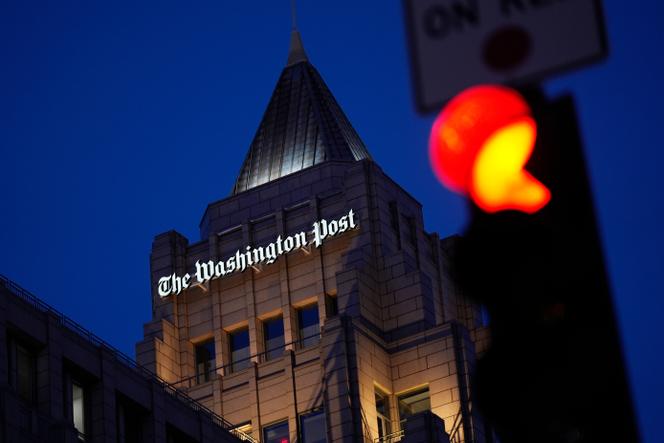
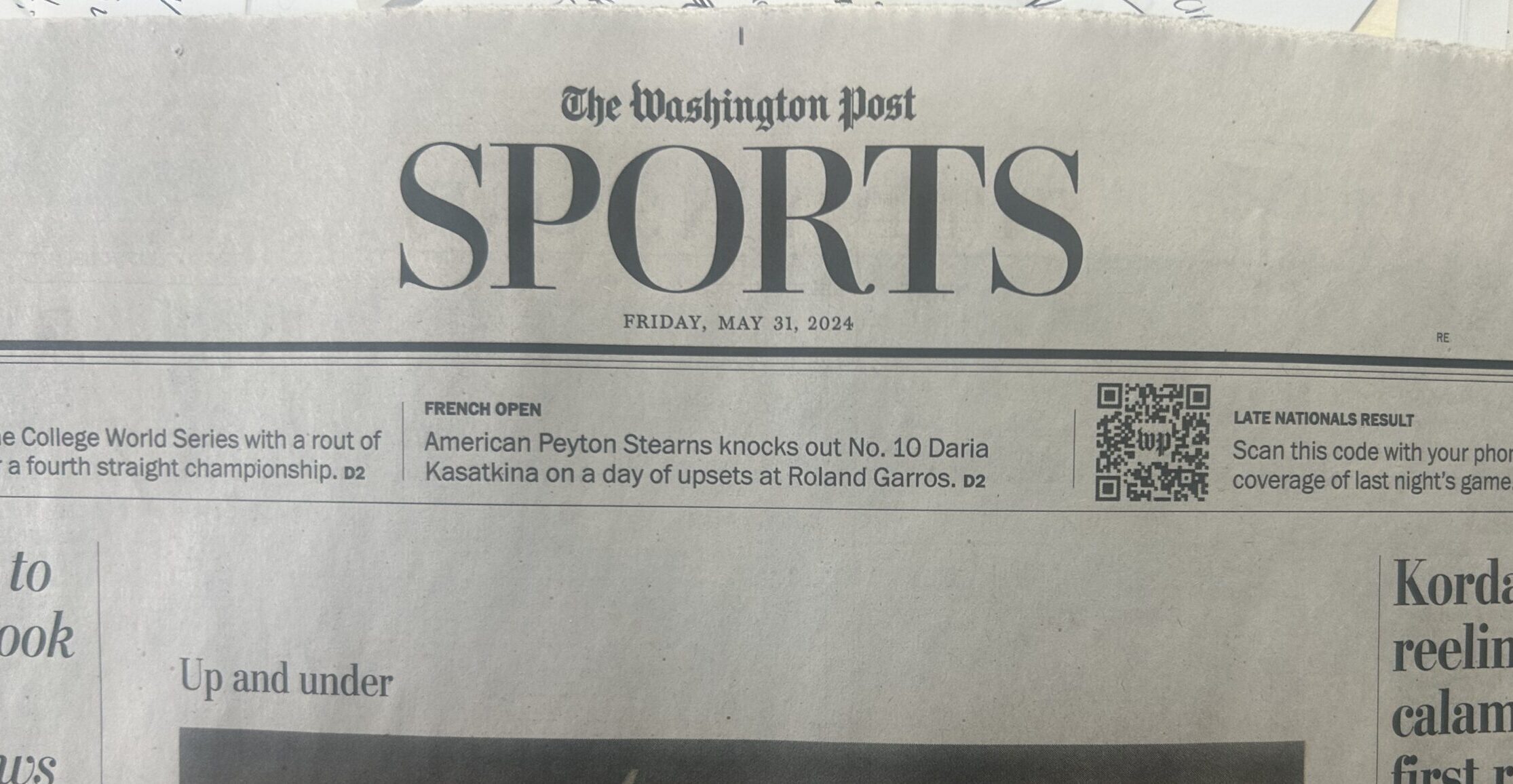
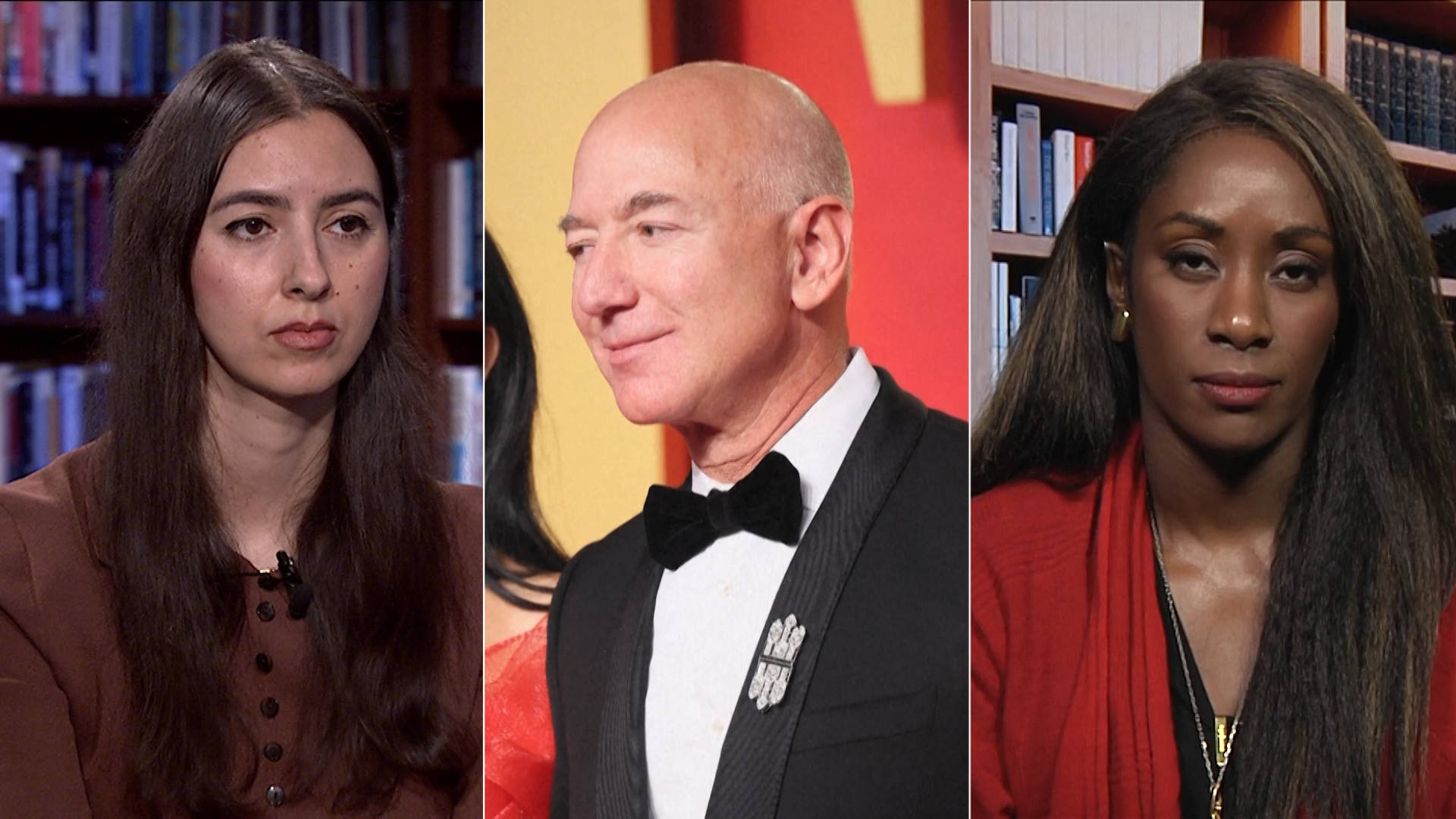
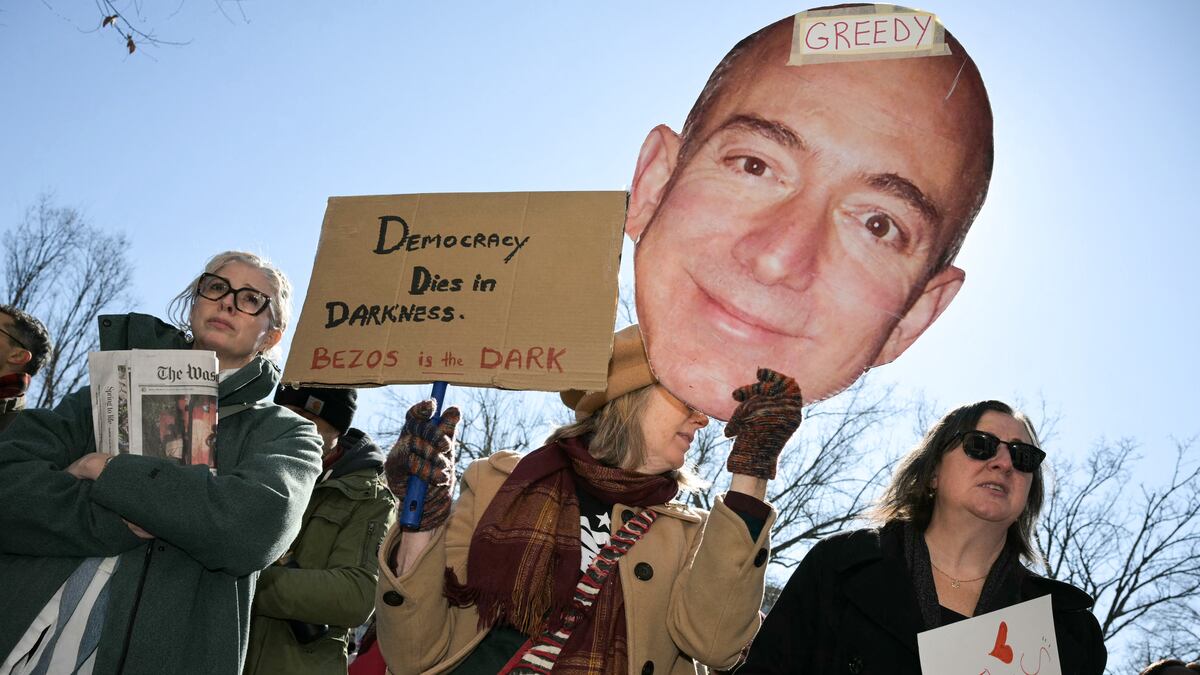
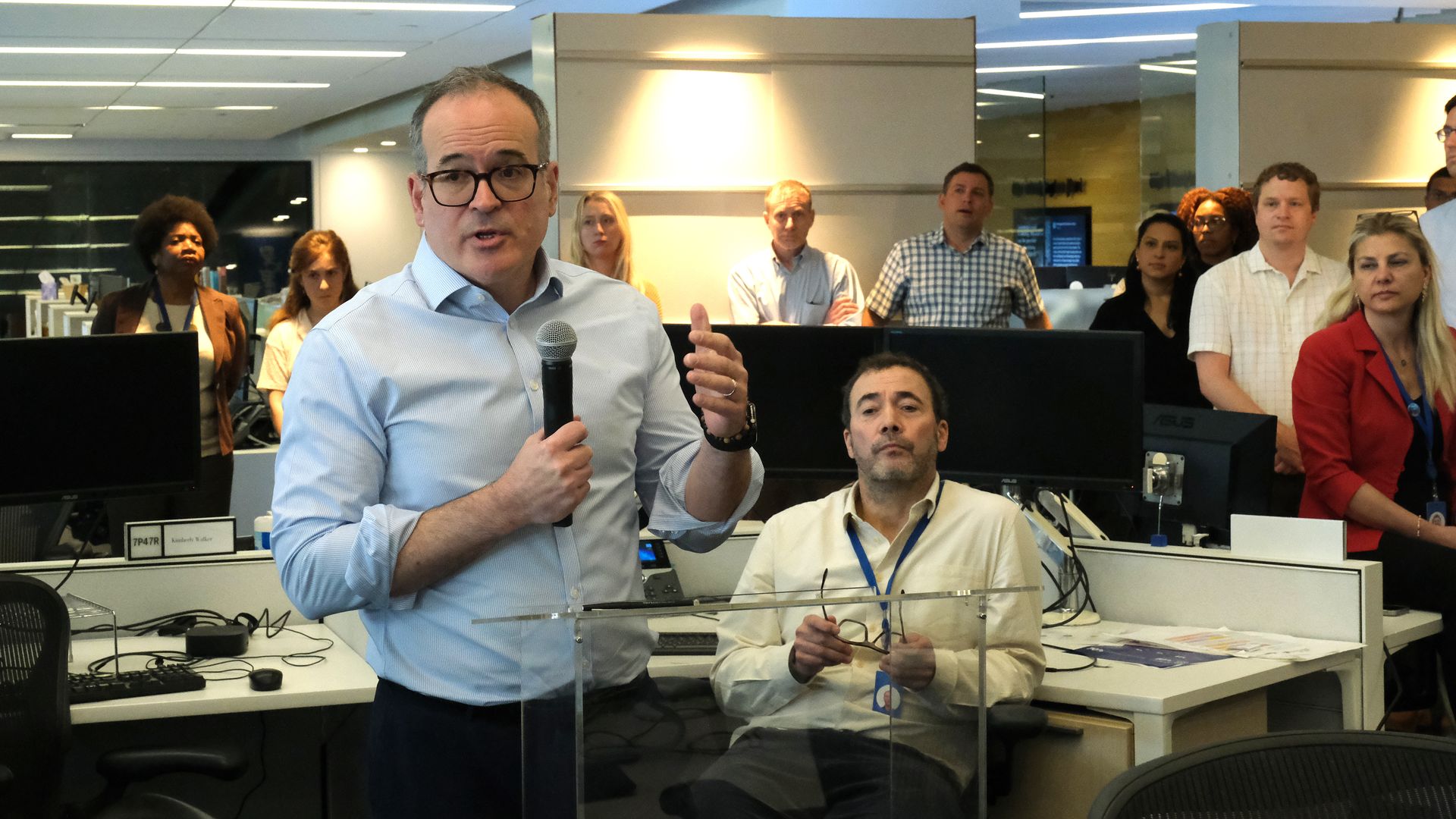
The Washington Post's elimination of its Book World supplement in February 2026—marking the second closure since 2009—signals a fundamental collapse in traditional media's role as a book discovery mechanism. The newspaper laid off approximately 300 journalists (one-third of staff), closing entire departments including sports, local news, style, world coverage, and audio/video operations. This restructuring, following subscriber losses in fall 2024 after owner Jeff Bezos shelved a Harris endorsement and reoriented editorial focus, reflects broader economic pressures across the publishing industry. The Atlantic's analysis identifies a critical pattern: editorial quality cannot sustain coverage when audience demand diminishes, creating a vicious cycle where reduced media coverage leads to fewer book recommendations, decreased purchases, and further justification for editorial cuts.
For e-commerce sellers specializing in books, this represents a seismic shift in customer acquisition economics. The loss of professional book criticism and newspaper review sections—which historically drove 25-40% of discovery for mid-list and independent publishers—forces sellers to abandon organic demand strategies and increase reliance on paid digital marketing channels. Amazon's simultaneous announcement of a $200 billion investment in AI and robotics (one day after the Post layoffs) underscores Bezos's portfolio prioritization: legacy media receives contraction while automation infrastructure receives massive capital allocation. This signals Amazon's strategic bet that algorithmic recommendation systems will replace human curation as the primary book discovery mechanism.
The broader context reveals a 17-year decline in literary journalism infrastructure. Book review sections across major newspapers have contracted since the 2009 financial crisis, with the 2022 revival of Book World suggesting temporary recovery before economic realities proved unsustainable. Independent publishers and mid-list authors—who lack the marketing budgets of major publishing houses—face the most severe impact. The elimination of gatekeeping institutions reduces quality signals in the market, potentially affecting consumer purchasing decisions and creating opportunities for algorithmic manipulation of bestseller rankings. For sellers, this means: (1) organic discovery through traditional media is effectively eliminated; (2) paid advertising costs will increase as competitors shift budgets to compensate; (3) Amazon's recommendation algorithm becomes the primary discovery mechanism, requiring optimization for algorithmic visibility rather than critical acclaim; (4) niche and independent publishers must develop direct-to-consumer strategies or accept marginalization in algorithmic feeds.
問題 8
How does the Washington Post's Book World closure affect book sellers on Amazon and other e-commerce platforms?
The elimination of major newspaper book review sections removes a critical discovery channel that historically drove 25-40% of sales for mid-list and independent publishers. With the Post's Book World closure in February 2026 and similar cuts across major publications, book sellers must shift from organic discovery strategies to paid digital marketing. This increases customer acquisition costs by 30-50% for independent publishers lacking major marketing budgets. Sellers now depend almost entirely on Amazon's algorithmic recommendation system, requiring optimization for algorithmic visibility rather than critical acclaim. The news reports that this closure represents a continuation of cuts beginning in 2009, indicating a structural shift in how readers discover books rather than a temporary editorial decision.
What is the connection between Jeff Bezos's $200 billion AI investment and the Washington Post layoffs?
Amazon announced a $200 billion investment in artificial intelligence and robotics one day after the Post's 300-journalist layoff announcement, signaling Bezos's strategic prioritization of automation over legacy media. This timing suggests Bezos views algorithmic recommendation systems as superior to human curation for book discovery. For sellers, this indicates Amazon will increasingly rely on AI-driven personalization rather than editorial partnerships or human-curated lists. The Post's contraction reflects Bezos's belief that legacy media cannot compete with algorithmic efficiency. Sellers should expect Amazon's recommendation algorithm to become the dominant discovery mechanism, requiring optimization strategies focused on algorithmic signals (conversion rates, review velocity, category relevance) rather than traditional media coverage.