





Japan Election 2025 | Consumer Spending Collapse & Yen Volatility Threaten Cross-Border Sellers
- Inflation-adjusted wages fell 2.8% for 11 consecutive months; 45% of voters prioritize price relief; weak yen pressures imported goods pricing for sellers targeting Japan's $200B e-commerce market


























概览
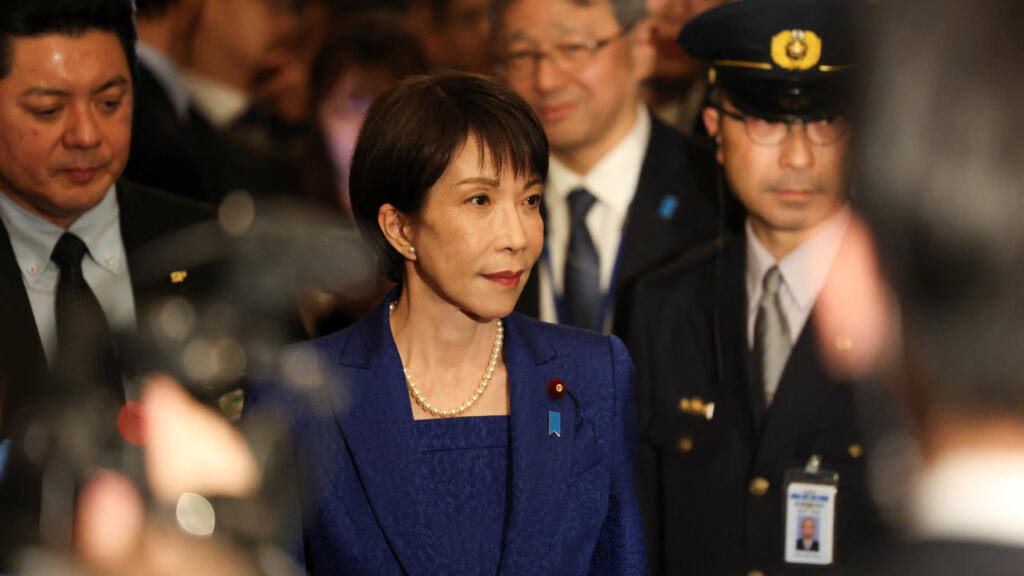
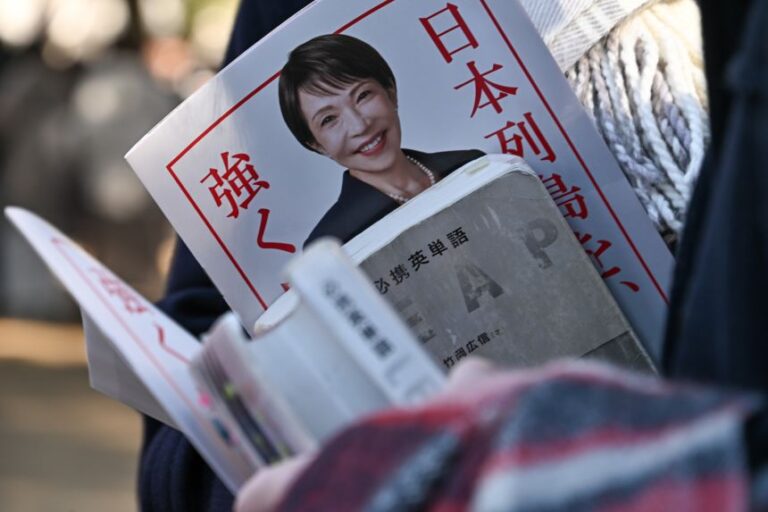
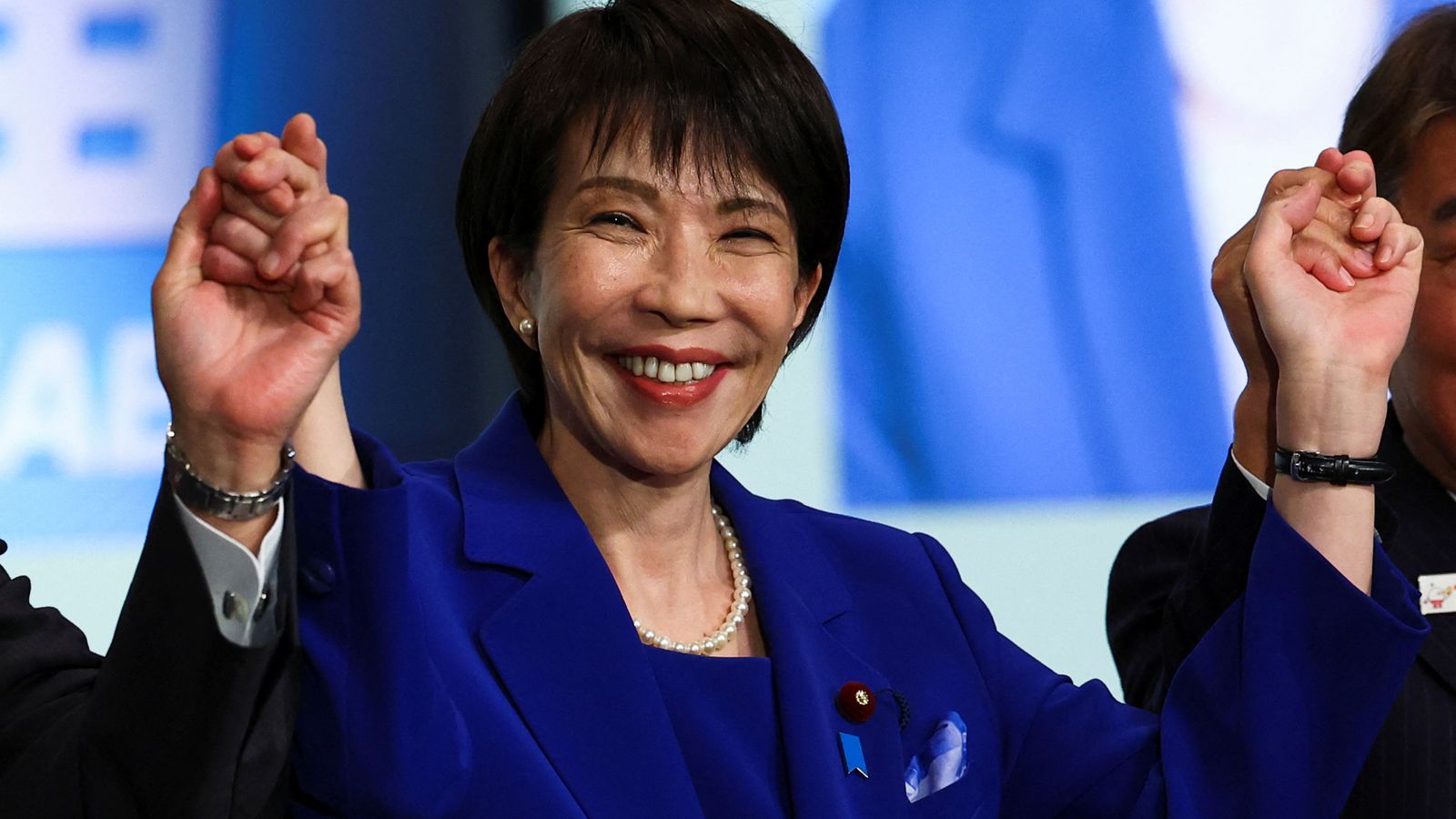
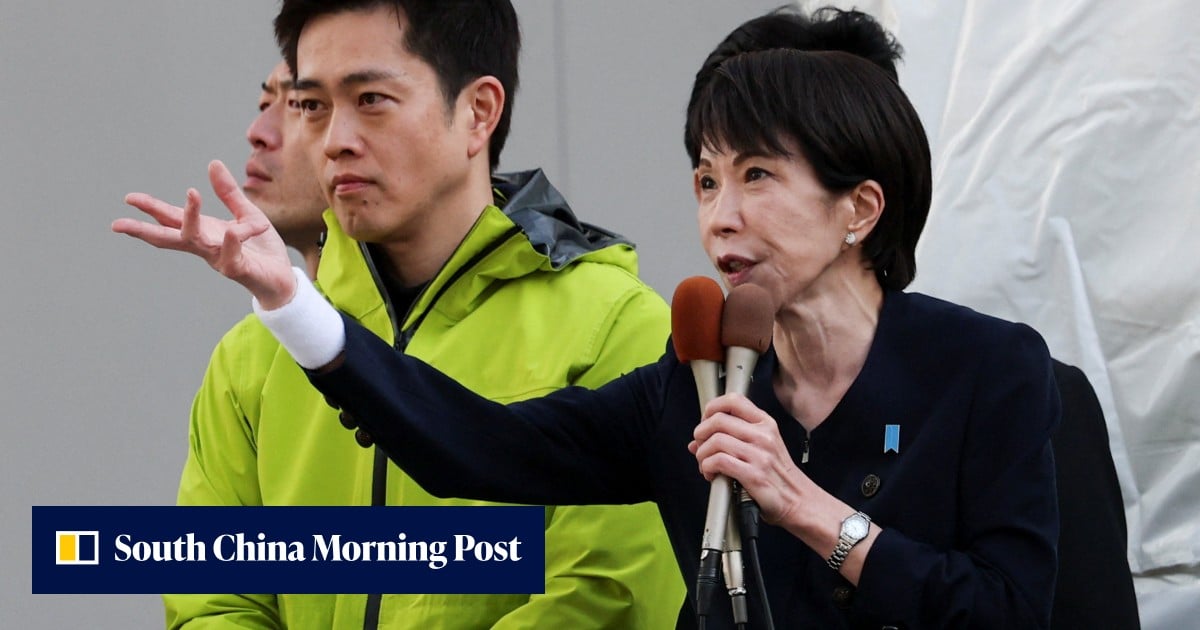
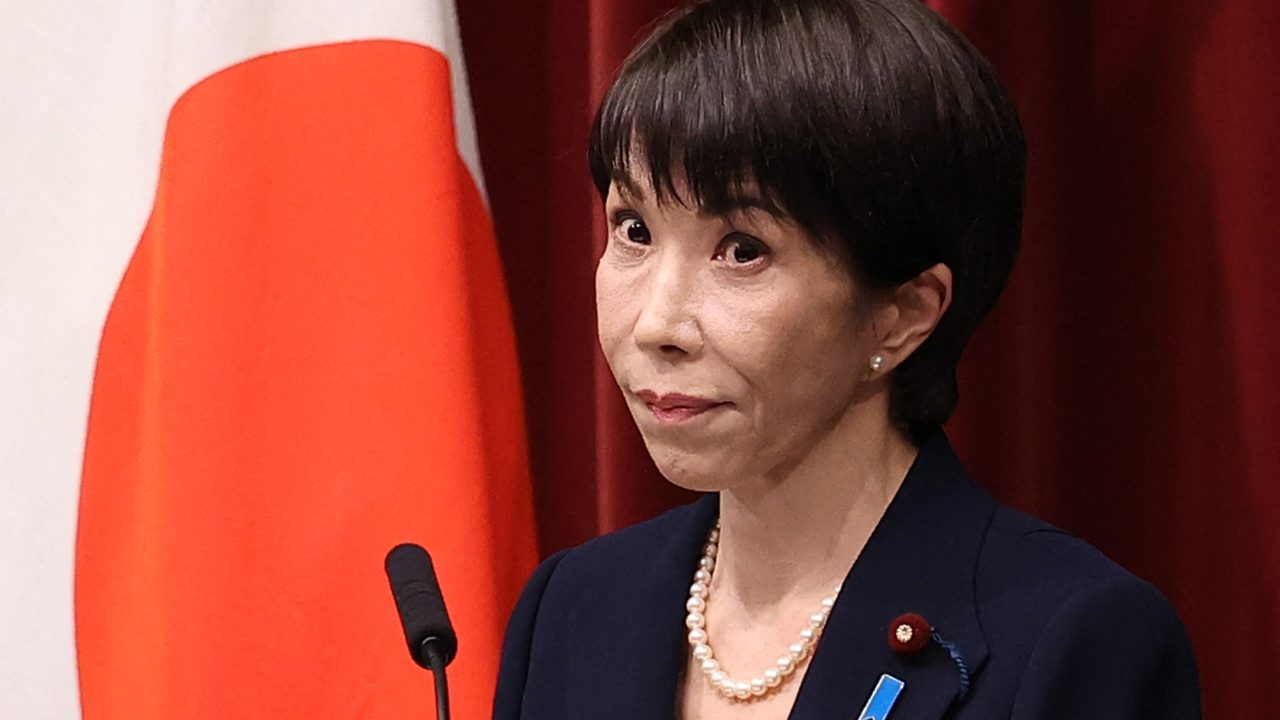
Japan's February 2025 snap election under Prime Minister Sanae Takaichi reveals a critical market contraction affecting cross-border e-commerce sellers. While Takaichi's 55-70% approval ratings and strong appeal to younger voters (leveraging social media savvy and celebrity status with viral handbag merchandise) suggest electoral success, the underlying economic reality presents severe headwinds for sellers. Inflation-adjusted wages fell 2.8% in November 2024—marking the 11th consecutive month of decline—while rice prices surged 68% year-over-year, forcing households to reduce discretionary spending. An NHK survey found 45% of voters identified price reduction as their top voting priority, signaling depressed consumer purchasing power for non-essential imports.
The weak yen compounds this pressure directly on seller margins. Imported goods including coffee, chocolate, and other products have risen sharply in price, reducing Japanese consumer purchasing power precisely when sellers need volume growth. Takaichi's proposed 8% consumption tax suspension on food and non-alcoholic beverages for two years generated skepticism—more than half of survey respondents doubted its effectiveness—indicating voters lack confidence in fiscal stimulus measures. Japan's 230% debt-to-GDP ratio (highest among advanced economies) constrains government spending capacity, limiting the stimulus impact sellers might otherwise expect.
The election outcome carries substantial operational risk. Takaichi's predecessor Shigeru Ishiba called a snap election shortly after taking office and suffered one of the LDP's worst results in decades, costing the party its Lower House majority. Political analysts emphasize that while Takaichi's personal popularity is exceptional, elections ultimately concern parties rather than personalities alone. Additionally, Takaichi's hawkish defense stance—particularly comments suggesting Japan could respond militarily if China attacked Taiwan—has deteriorated relations with China, Japan's largest trading partner. This geopolitical tension creates currency volatility and potential supply chain disruptions affecting sellers sourcing from or shipping through Asia-Pacific logistics hubs. Heavy winter snow conditions in northern Japan during the election period may suppress voter turnout, introducing additional uncertainty into the outcome.
For cross-border sellers, this environment signals reduced consumer spending on non-essential imports, increased price sensitivity, and potential shifts toward domestic alternatives throughout 2025-2026. The election outcome will directly influence future fiscal policy, currency stability, and consumer purchasing patterns. Sellers must prepare for sustained yen weakness, compressed margins on imported goods, and lower transaction volumes in the Japanese market during this period of political and economic uncertainty.
問題 8
Which product categories face the greatest demand risk in Japan's 2025 market?
Non-essential imports face the greatest demand risk due to reduced consumer purchasing power and price sensitivity. An NHK survey found 45% of voters identified price reduction as their top voting priority, signaling depressed demand for discretionary items. Categories most vulnerable include fashion, electronics, home décor, and luxury goods—where Japanese consumers are shifting toward domestic alternatives. Conversely, essential categories (food supplements, health products, practical home goods) and premium/luxury segments (where price elasticity is lower) may maintain demand. Sellers should reduce inventory in mid-market discretionary categories and shift toward essentials or premium positioning.
What geopolitical risks could disrupt seller operations in Japan?
Takaichi's hawkish defense stance—particularly comments suggesting Japan could respond militarily if China attacked Taiwan—has deteriorated relations with China, Japan's largest trading partner. This geopolitical tension creates three operational risks: (1) currency volatility affecting yen exchange rates, (2) potential supply chain disruptions for sellers sourcing from China or shipping through Asia-Pacific hubs, and (3) possible trade policy shifts if the election outcome changes Japan's China relations. Sellers with significant China-sourced inventory or Asia-Pacific logistics operations should diversify sourcing and monitor geopolitical developments closely. Heavy winter snow conditions in northern Japan during the election period may also suppress voter turnout, introducing additional uncertainty into the outcome.