



Raw Milk Food Safety Crisis Triggers Regulatory Tightening | E-Commerce Seller Compliance Alert
- 9 hospitalized including 2 children from STEC contamination; 26+ cases in Idaho November 2025; R Bar H Dairy production suspended; marketplace restrictions on unpasteurized dairy imminent





概览
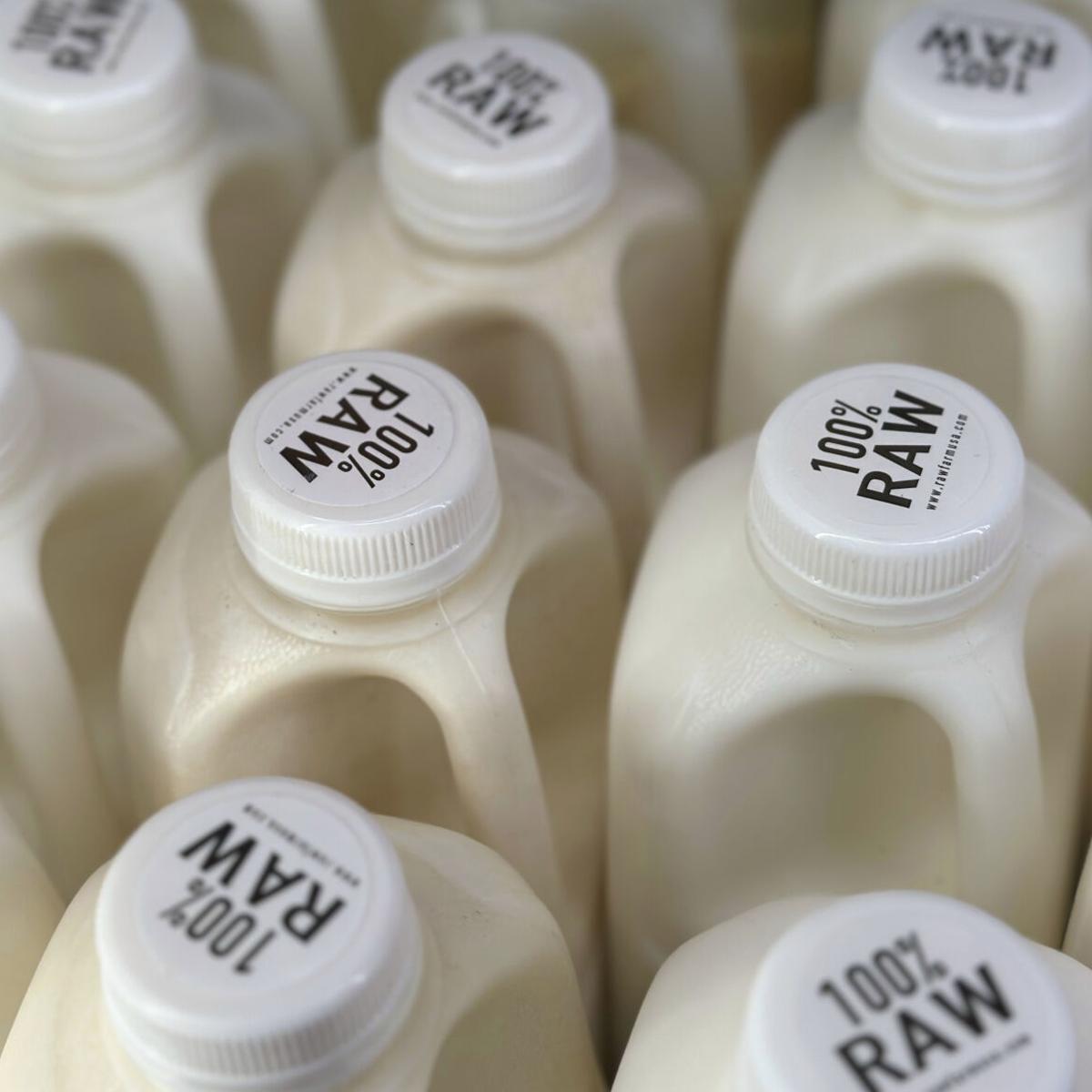
The raw milk outbreak in Idaho's Ada County represents a critical inflection point for food safety regulation that directly impacts e-commerce sellers operating in the specialty dairy and health food categories. Nine residents, including two children who developed hemolytic uremic syndrome (HUS), were hospitalized after consuming Shiga toxin-producing E. coli (STEC)-contaminated raw milk from R Bar H Dairy in Caldwell, Idaho. This incident follows a broader pattern: Idaho reported 26+ illnesses in November 2025 from raw milk consumption, and a newborn death from listeria in New Mexico linked to maternal raw milk consumption during pregnancy. The outbreak is particularly significant because Idaho law permits raw milk sales through multiple outlets without mandatory bacterial testing for pathogens like Campylobacter and E. coli—a regulatory gap that federal health authorities are now targeting.
For e-commerce sellers, this outbreak signals imminent regulatory pressure on unpasteurized dairy product listings across Amazon, eBay, Shopify, and specialty food platforms. The CDC's public emphasis that "good farm practices cannot guarantee safety" combined with R Bar H's voluntary production suspension demonstrates that industry self-regulation is insufficient. Marketplace platforms are likely to implement enhanced documentation requirements, mandatory health warnings, and potential delisting of raw milk products within 60-90 days. Sellers currently listing raw milk products face three immediate risks: (1) liability exposure if customers experience adverse health events, (2) account suspension if platforms tighten policies retroactively, and (3) inventory write-offs if products are forced off shelves. The Central Health District's specific storage guidelines (32-36°F within 30 minutes of purchase) establish a compliance baseline that sellers must now communicate to customers through product listings and shipping protocols.
The broader market implication extends beyond raw milk to the entire specialty dairy and health food category. Consumer trust in unpasteurized products is eroding rapidly—the hospitalization of children creates emotional resonance that drives regulatory action faster than adult-only incidents. Sellers should anticipate that platforms will implement tiered compliance requirements: (1) mandatory third-party food safety certifications, (2) proof of pathogen testing documentation, (3) enhanced product liability insurance verification, and (4) restricted shipping to states with stricter raw milk regulations. This creates a competitive advantage for sellers offering pasteurized alternatives and certified organic dairy products with transparent supply chain documentation. The incident also signals opportunity in the food safety compliance software and testing service categories—sellers offering cold chain monitoring devices, temperature-controlled packaging, and food safety documentation tools will see increased demand from dairy producers seeking to avoid similar crises.
問題 7
Which states will implement stricter raw milk regulations following the Idaho outbreak?
Based on the news pattern (Idaho 26+ cases in November 2025, New Mexico newborn death, current Ada County hospitalization), states with existing raw milk sales will likely implement stricter regulations within 6-12 months. High-risk states include: (1) **Idaho** (current outbreak epicenter), (2) **New Mexico** (newborn death precedent), (3) **California** (large population, regulatory precedent), (4) **Texas** (high raw milk consumption), (5) **Pennsylvania** (farm-to-consumer sales). Sellers should monitor state health department announcements and prepare for potential restrictions including: mandatory pathogen testing, restricted distribution channels, age-restricted sales (no sales to pregnant women or children under 12), and mandatory warning labels. Platforms will likely implement state-level shipping restrictions within 90 days, so sellers should map their customer base by state and prepare for potential delisting in high-risk jurisdictions.
How should sellers adjust inventory strategy following the raw milk outbreak?
Sellers should implement a three-phase strategy: (1) **Immediate (0-30 days)**: Audit all raw milk inventory, document all safety testing and certifications, prepare compliance documentation, and establish customer communication protocols. (2) **Short-term (30-90 days)**: Shift 20-40% of inventory allocation from raw milk to pasteurized alternatives and certified organic dairy products, which will see 15-25% demand increase as consumers prioritize safety. (3) **Strategic (90-180 days)**: Consider exiting raw milk category entirely if compliance costs exceed 8-12% of product margins, or pivot to value-added raw milk products (cheese, yogurt) with lower pathogenic risk. The news indicates that regulatory pressure will intensify following the hospitalization of children, making raw milk a declining category. Sellers in specialty dairy should prioritize products with transparent supply chain documentation and third-party certifications.