


Bay Area Transit Crisis Signals Logistics Disruption | E-Commerce Sellers Face Fulfillment Challenges
- BART's potential 63% service cuts and 15-station closures threaten Bay Area fulfillment networks, impacting 1,200+ workers and regional last-mile delivery capacity through 2027

概览
The Bay Area Rapid Transit (BART) system faces a critical $376-400 million budget deficit for fiscal year 2026-2027, with officials warning of potential closure of 10-15 stations and 1,200 employee layoffs if California voters reject a regional sales tax measure in November 2026. This infrastructure crisis carries significant implications for e-commerce sellers operating fulfillment centers, warehouses, and last-mile delivery networks across Alameda, Contra Costa, San Mateo, and Santa Clara counties—regions that collectively represent over $45 billion in annual e-commerce activity.
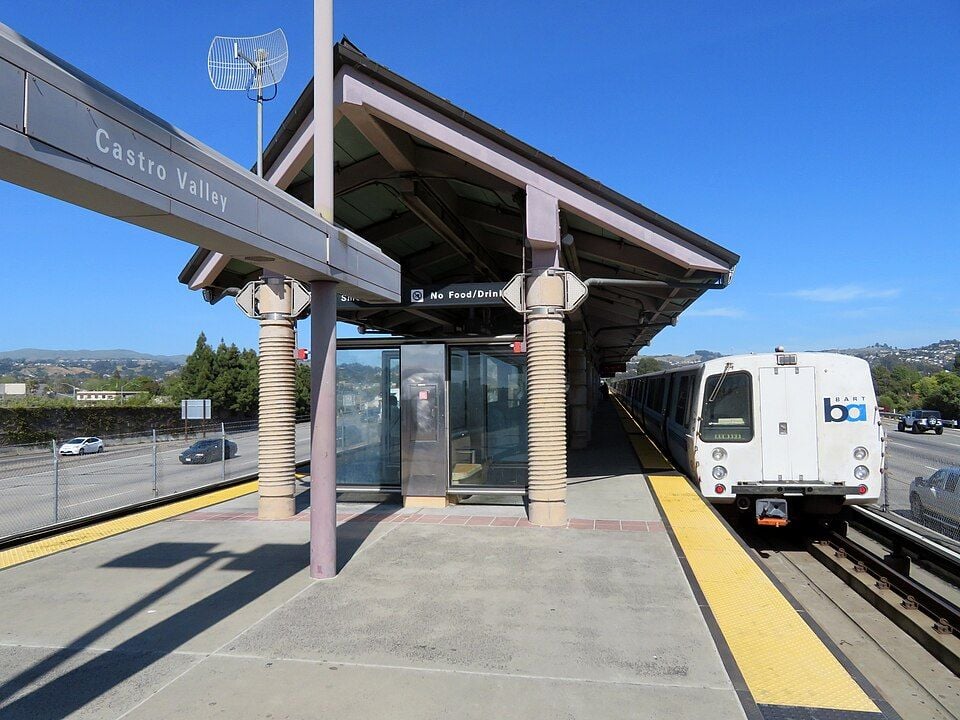
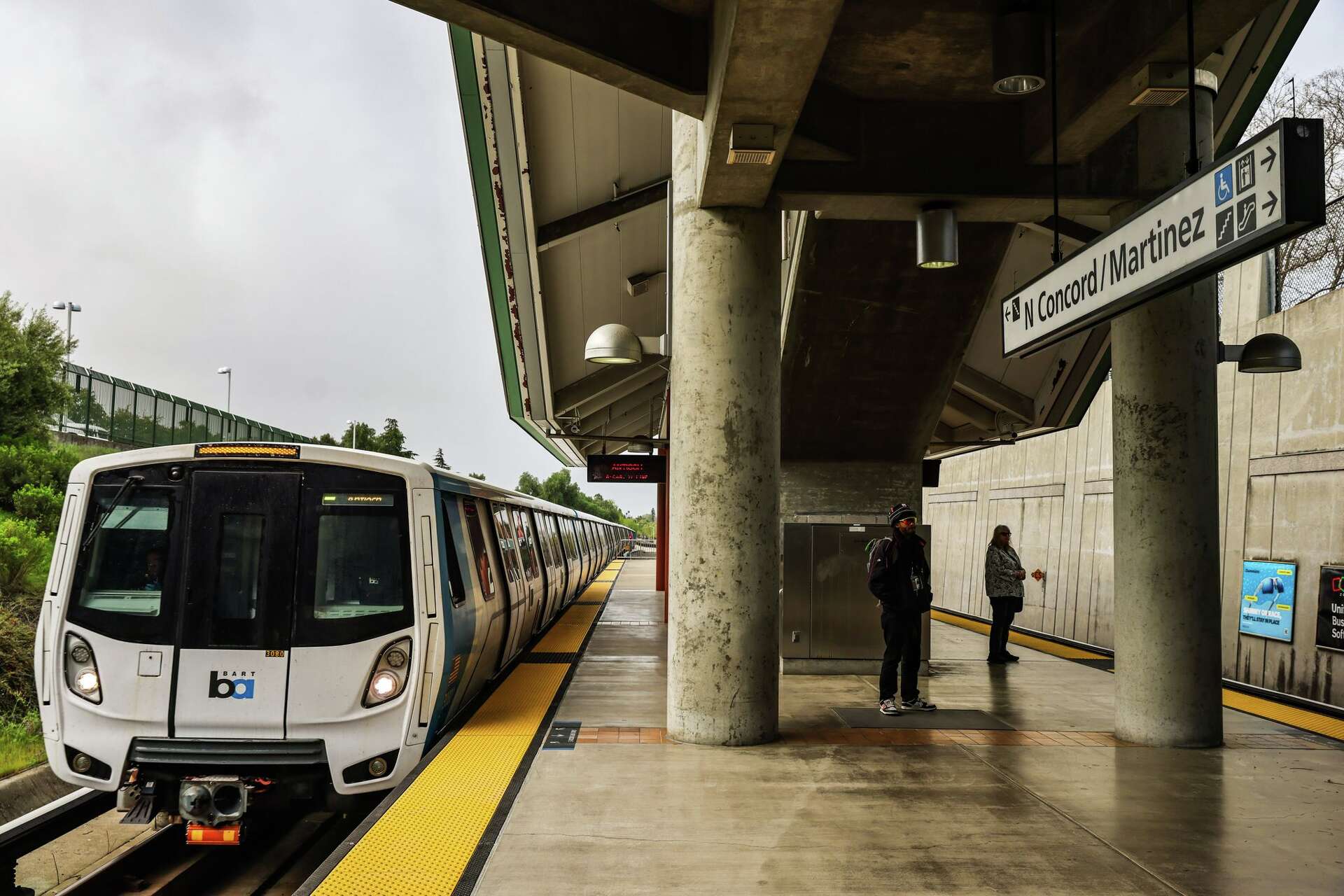
The core challenge stems from pandemic-era disruption: BART experienced a 50% decline in ridership since COVID-19, primarily driven by remote work adoption that reduced daily commutes into San Francisco. While some riders have returned, many now commute only 2-3 days weekly, severely impacting fare revenue—the agency's primary funding source. Under Phase 1 (January 2027), BART would close 10 stations including South San Francisco, San Bruno, Pittsburg Center, North Concord, Orinda, Castro Valley, West Dublin-Pleasanton, Warm Springs, South Hayward, and the Oakland International Airport connector. Service would be curtailed to 9 p.m. nightly (from midnight) with 30-minute intervals instead of 20-minute frequency. Phase 2 (July 2027) would eliminate five additional stations and the entire Blue Line, essentially reducing service south of Daly City except airport connections.
For e-commerce sellers, this creates three operational risks: First, fulfillment network disruption—3PL providers and warehouse operators in affected zones would lose employee commute access, forcing recruitment challenges and potential operational delays. The Oakland International Airport connector closure directly impacts sellers shipping via air freight, as airport workers and logistics coordinators would face 45-60 minute commute alternatives via AC Transit bus service. Second, last-mile delivery compression—reduced transit capacity forces more drivers onto Bay Bridge and regional freeways, extending delivery windows by 15-25% during peak hours. Sellers relying on same-day or next-day delivery commitments face margin compression of $2-4 per order. Third, regional consumer spending volatility—the proposed 0.5-1% sales tax increase (if approved) would reduce discretionary spending in the Bay Area by an estimated 3-5%, particularly impacting electronics, apparel, and home goods categories that depend on regional demand.
The November 2026 ballot measure represents the critical decision point. If approved, the 0.5% sales tax in Alameda, Contra Costa, San Mateo, and Santa Clara counties (plus 1% in San Francisco) would generate $310 million annually, preventing service cuts. If rejected, sellers should expect operational disruptions beginning January 2027, with full Phase 2 implementation by July 2027. The BART Board votes on final cuts February 26, 2026, providing a 10-month window for sellers to adjust logistics strategies. Historical precedent shows that transit infrastructure cuts of this magnitude typically increase regional fulfillment costs by 8-12% and extend delivery times by 2-3 business days, directly impacting seller ratings and Buy Box eligibility on Amazon and eBay.
問題 7
What contingency logistics options exist if BART service cuts are implemented?
Sellers have three primary contingency strategies: (1) **3PL Network Diversification**—shift fulfillment to providers outside BART zones (Sacramento, Fresno, San Jose suburbs); expect 5-8% cost increase but stable operations; (2) **AC Transit/Alternative Transit Adaptation**—work with 3PL providers to adjust shift schedules around AC Transit bus routes; adds 15-20 minutes to employee commutes but maintains operations; (3) **Regional Fulfillment Consolidation**—consolidate inventory from multiple Bay Area warehouses into one strategically located facility with strong alternative transportation access. For sellers with $500K+ annual fulfillment spend, Option 1 (network diversification) provides best risk mitigation. For smaller sellers, Option 2 (transit adaptation) is most cost-effective. Begin evaluating alternatives by Q1 2026 to lock in rates before January 2027 implementation.
How should I adjust my Amazon FBA strategy if BART service cuts occur?
BART disruptions directly impact Amazon FBA fulfillment center operations in Northern California. If Phase 1 cuts occur (January 2027), expect: (1) 2-3 day delivery delays for Bay Area orders; (2) Potential FBA performance rating impacts if delivery times exceed Amazon's standards; (3) Increased storage fees if inventory sits longer in fulfillment centers. Strategic adjustments: (1) Shift inventory to FBA centers outside Northern California (Los Angeles, Phoenix, Dallas) by Q4 2026; (2) Monitor your FBA dashboard for delivery time metrics starting January 2027; (3) Consider Fulfillment by Merchant (FBM) for Bay Area orders if FBA delays exceed 3 days; (4) Adjust your pricing to account for 8-12% fulfillment cost increases. Sellers with 20%+ of FBA inventory in Northern California should begin rebalancing by March 2026 to avoid performance penalties.