


Philippine Port Reopenings After Basyang | Supply Chain Recovery Opportunities for Cross-Border Sellers
- 39 ports reopen across Visayas/Mindanao after 4,000+ stranded passengers; agricultural supply disruption creates premium sourcing window for specialty food sellers




_2026_02_08_06_17_03.jpg)


_2025_11_11_22_30_22.jpg)











概览
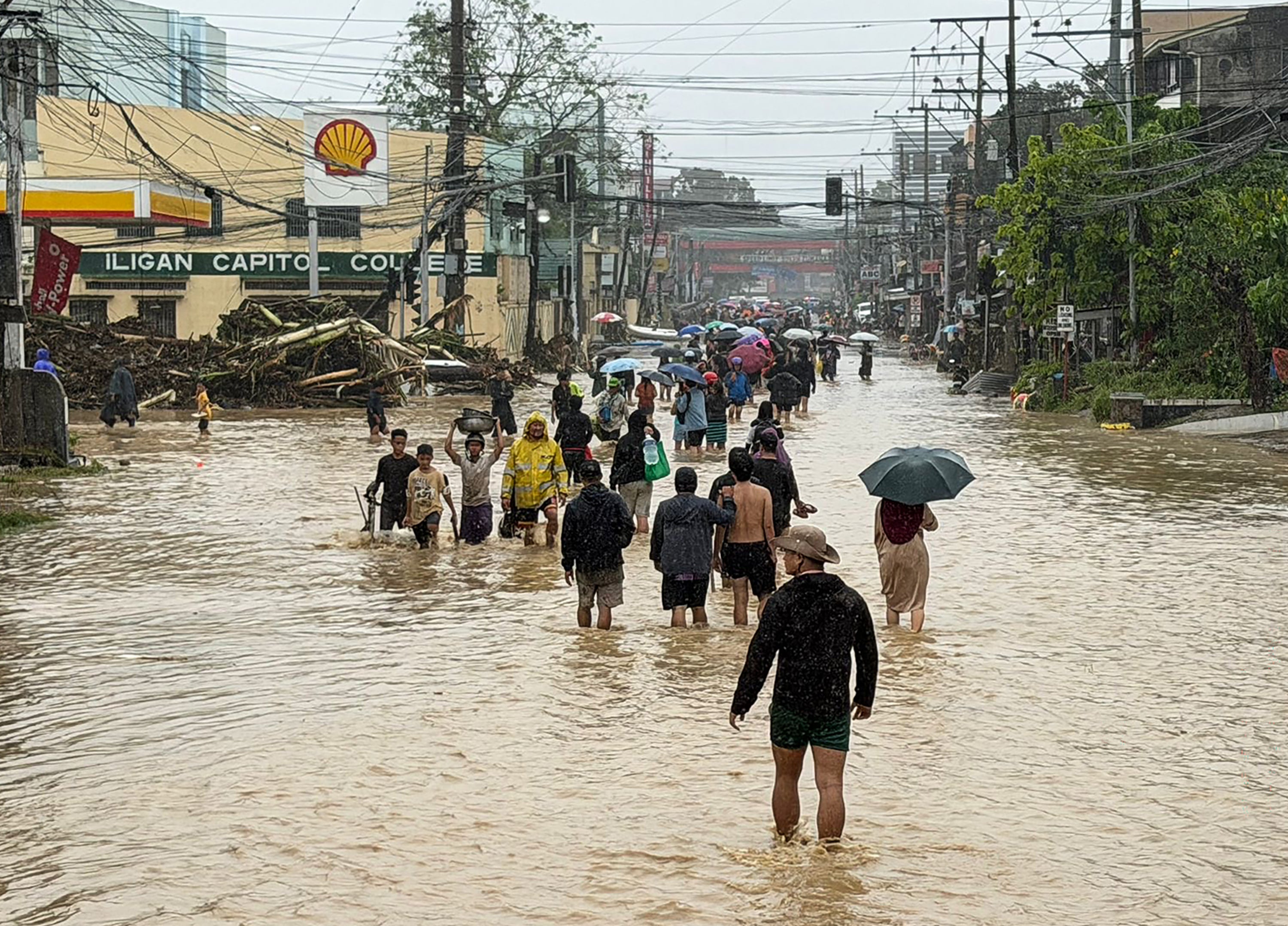
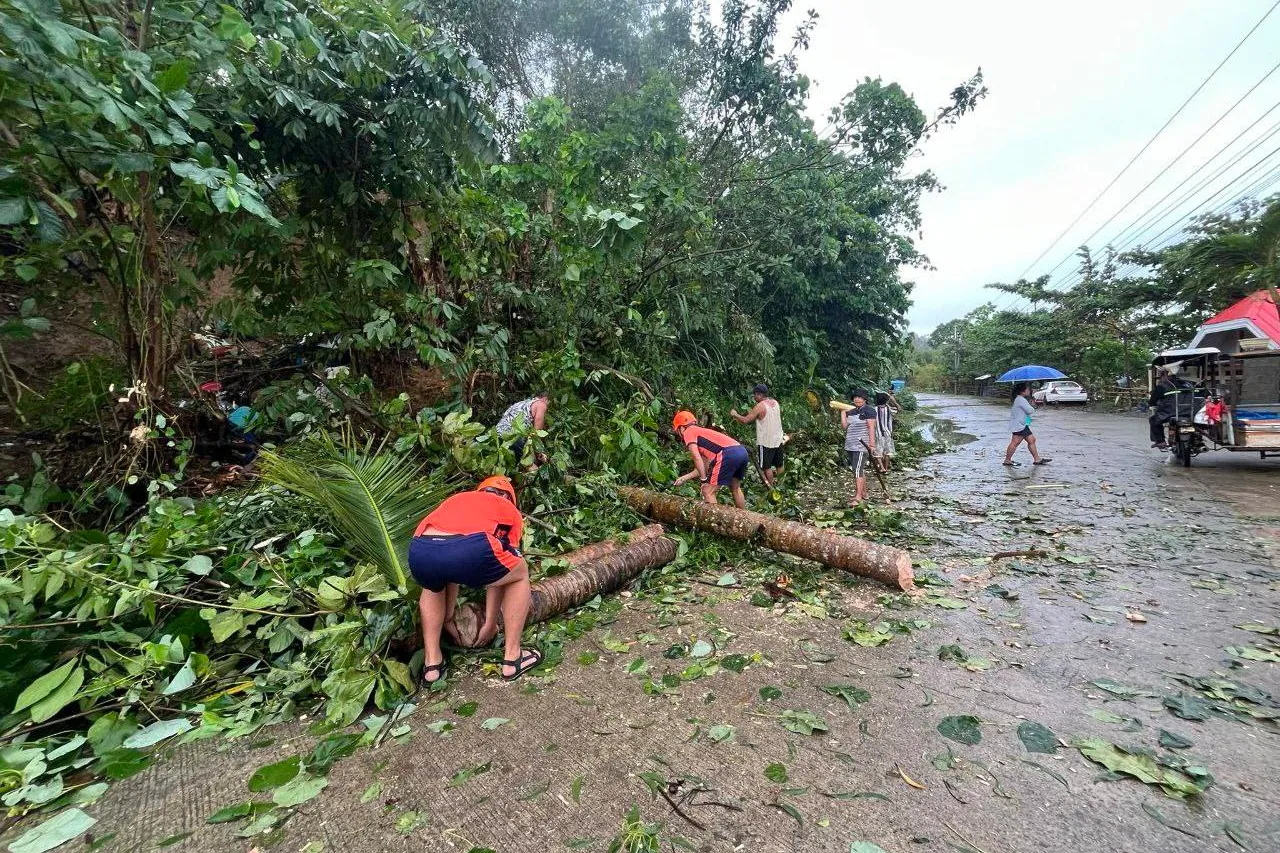
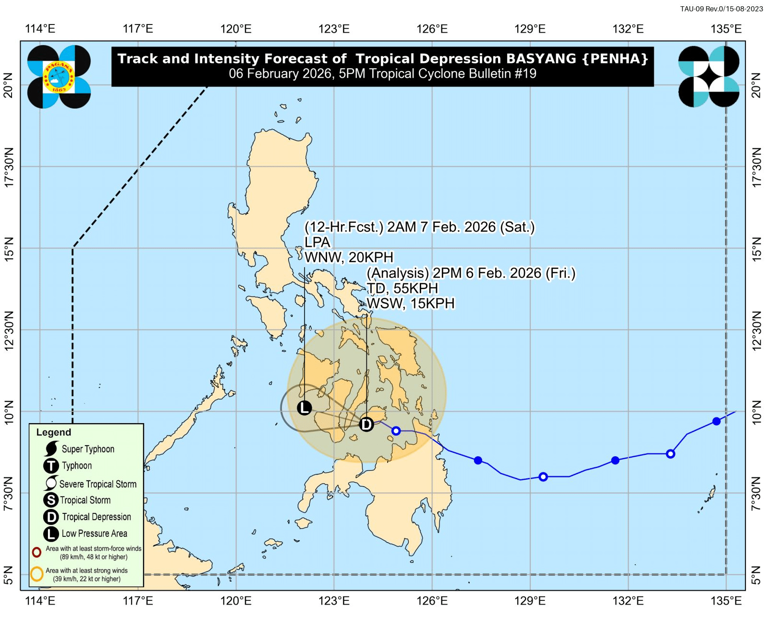
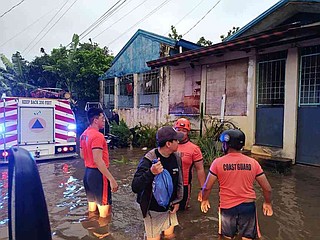
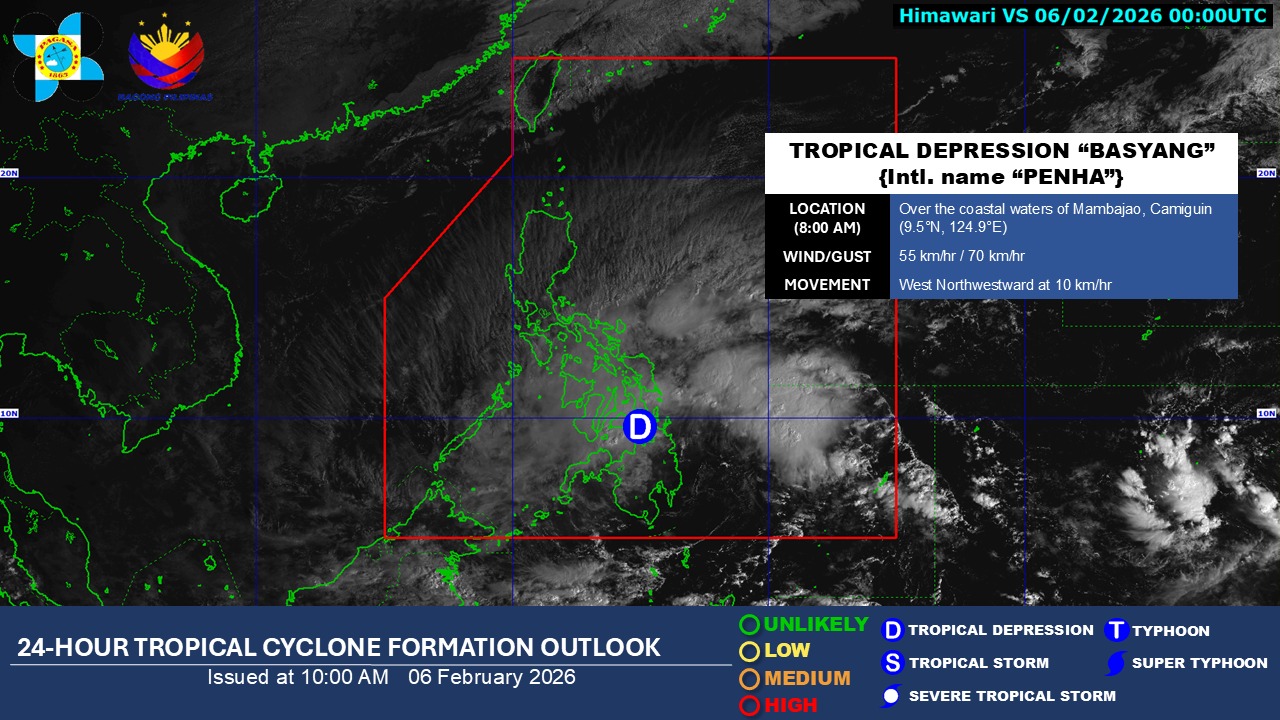
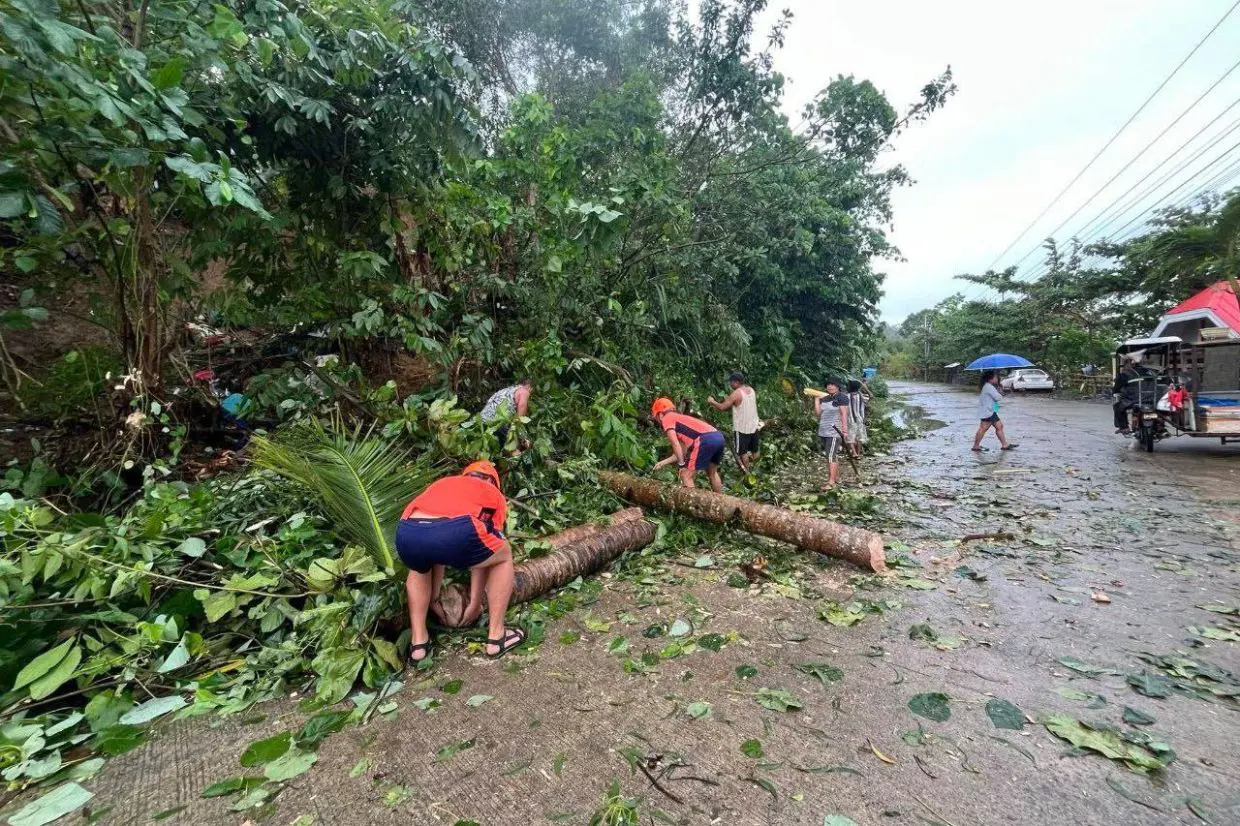
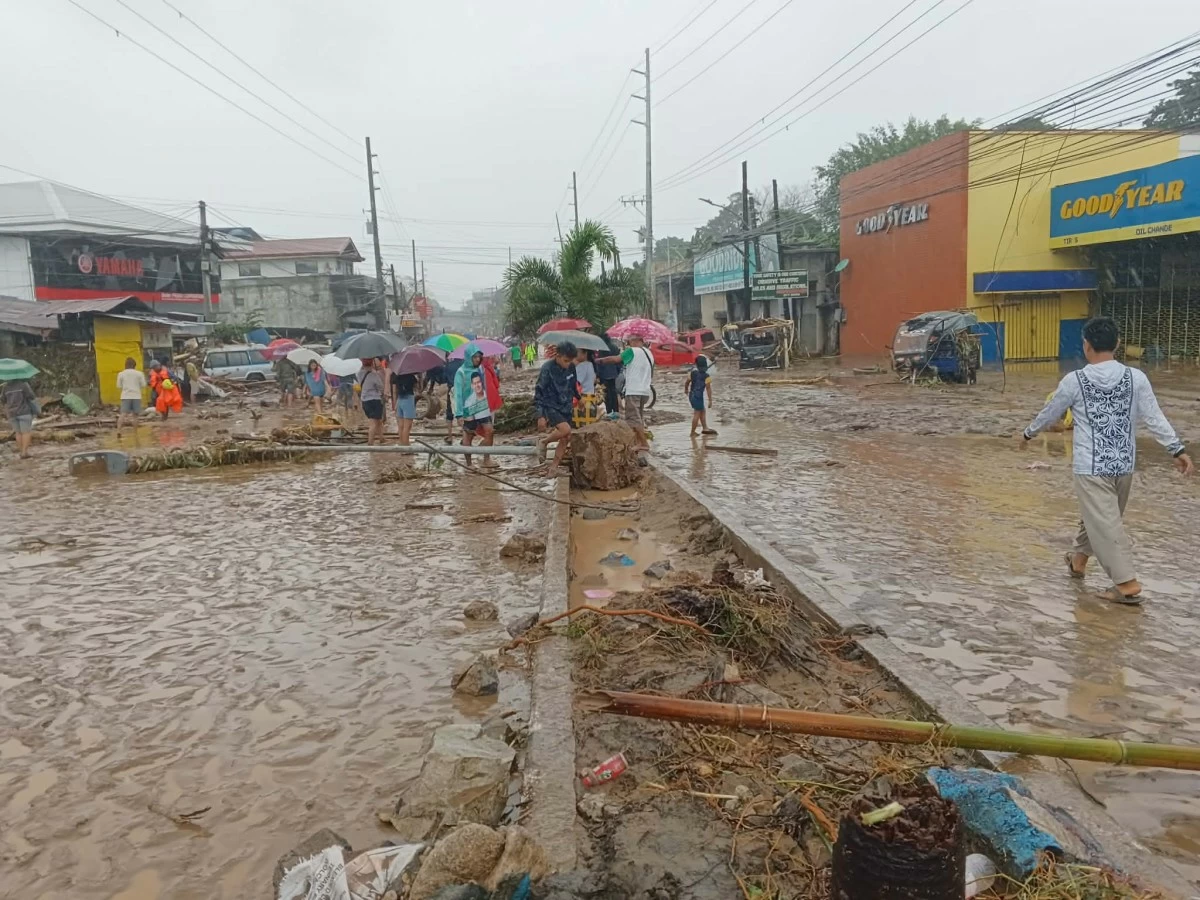
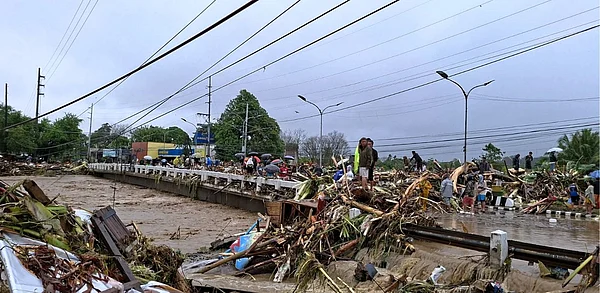
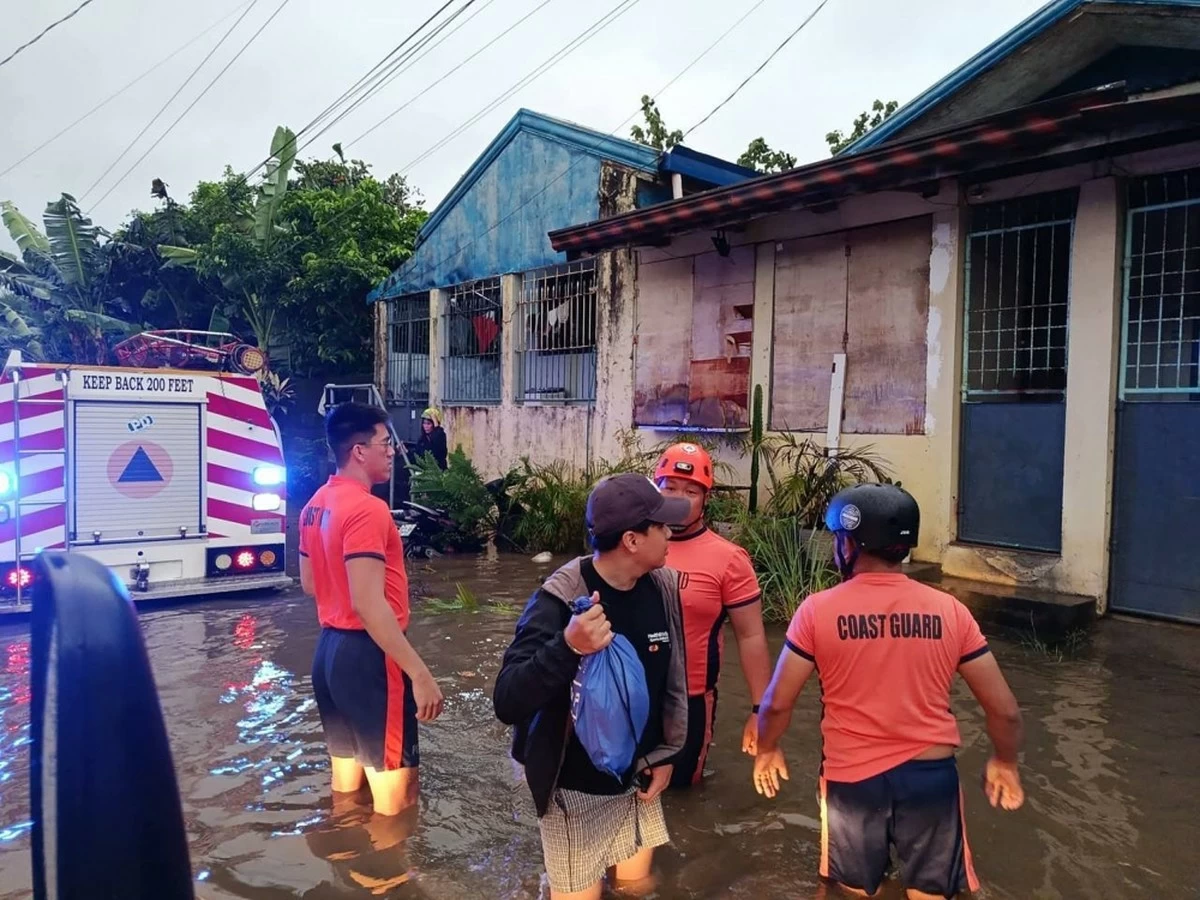
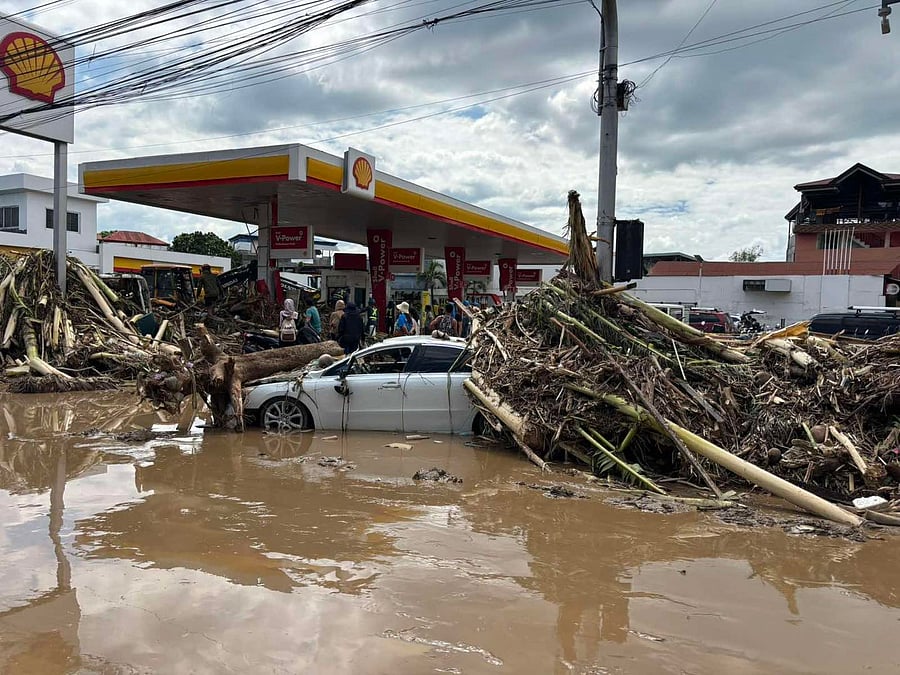
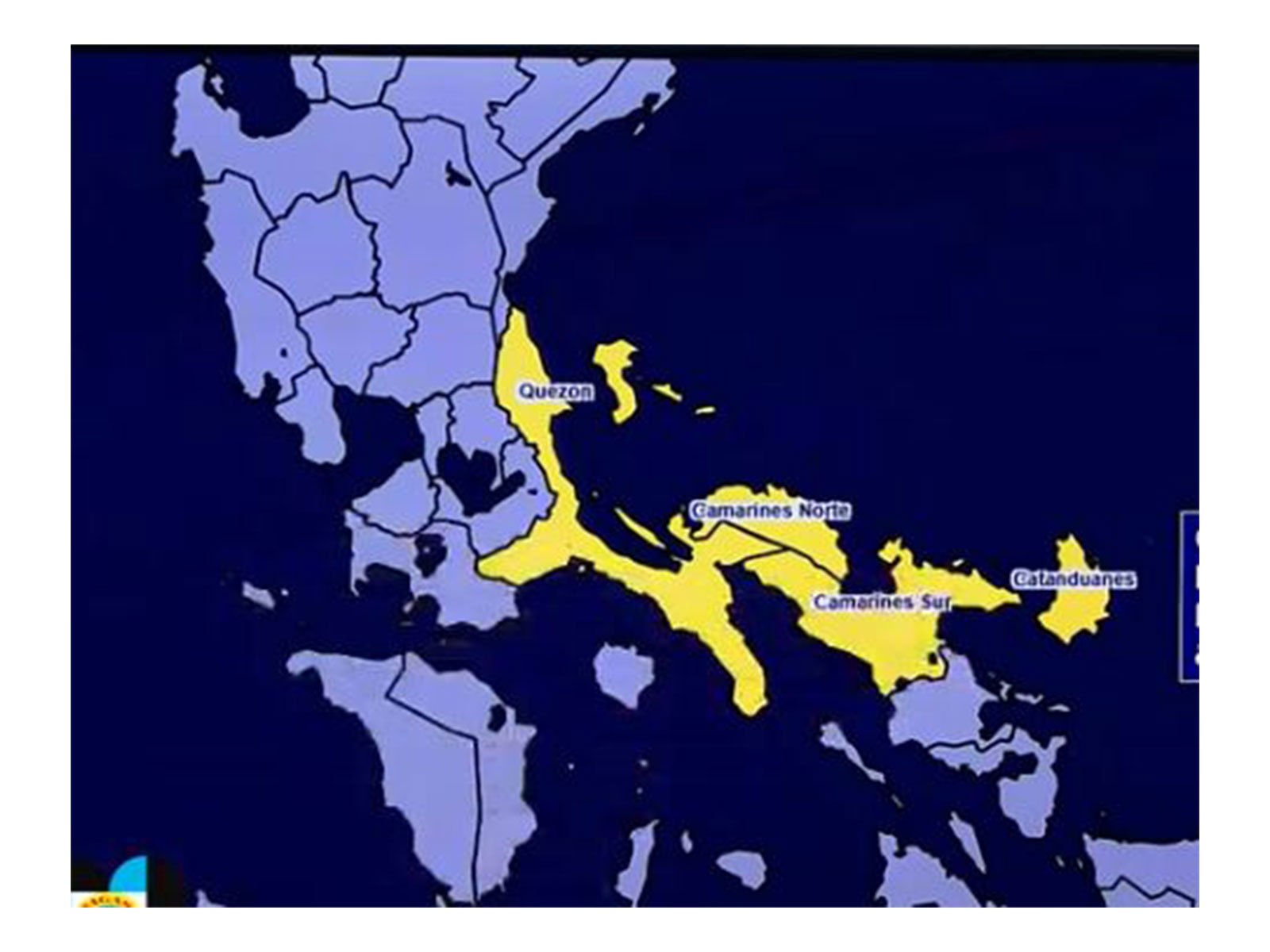
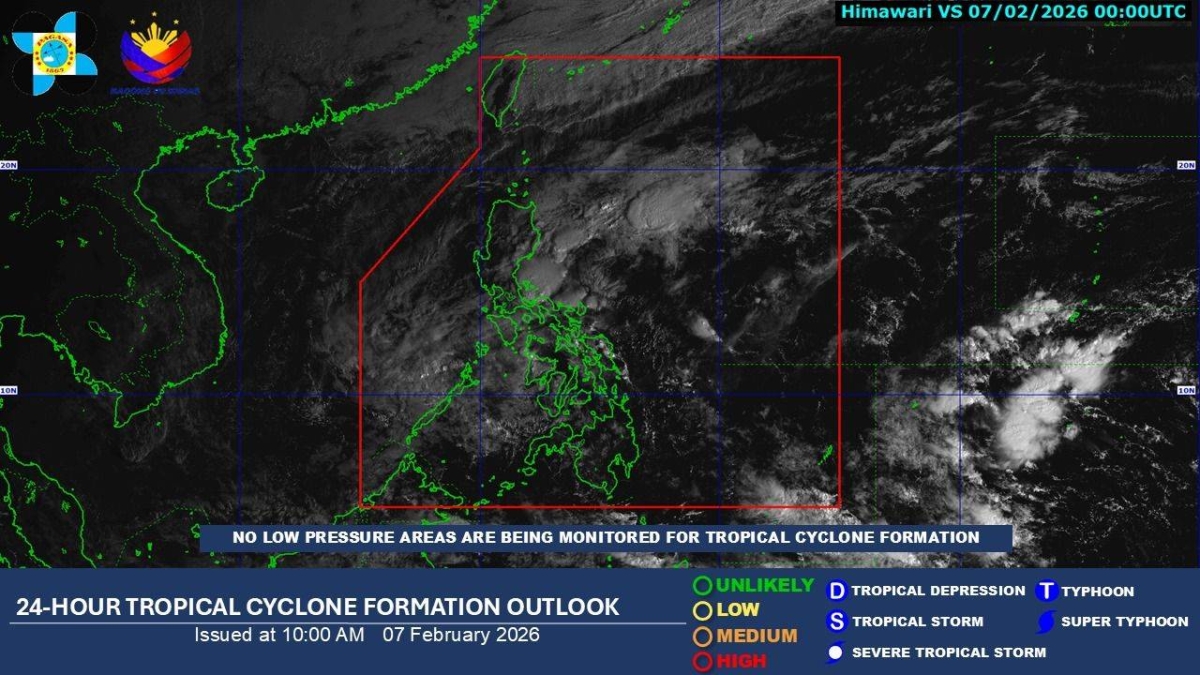
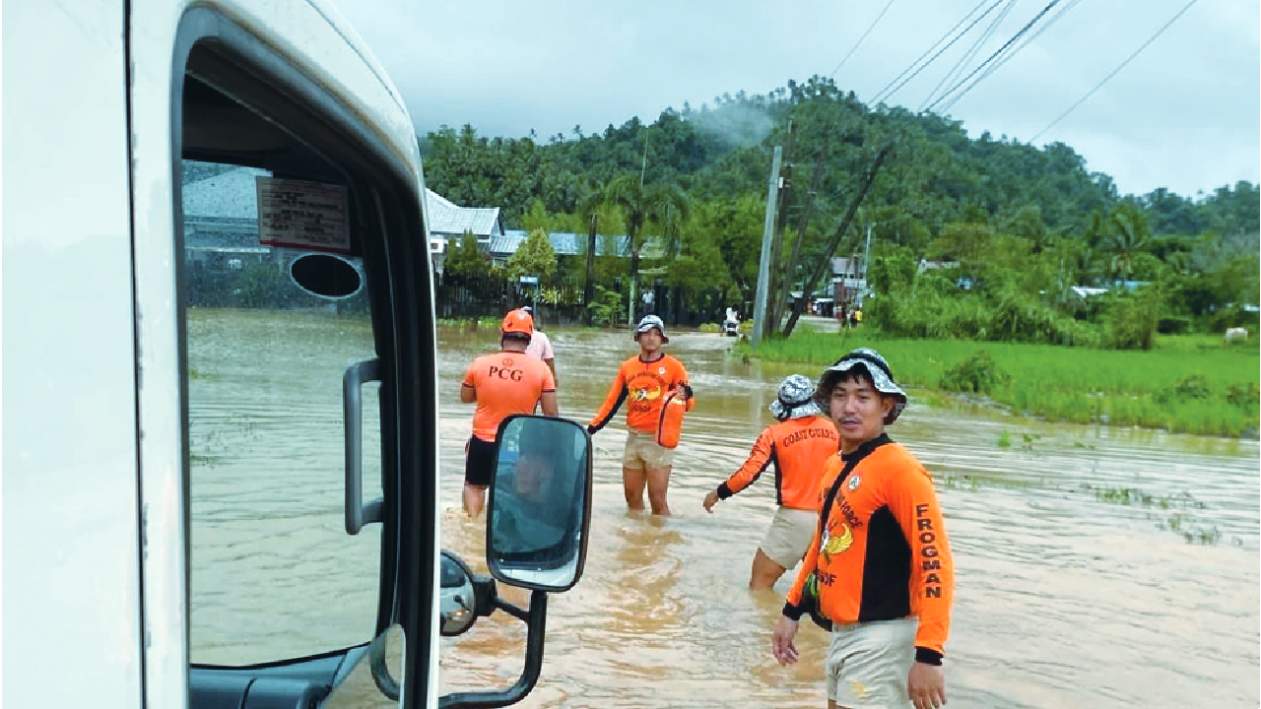
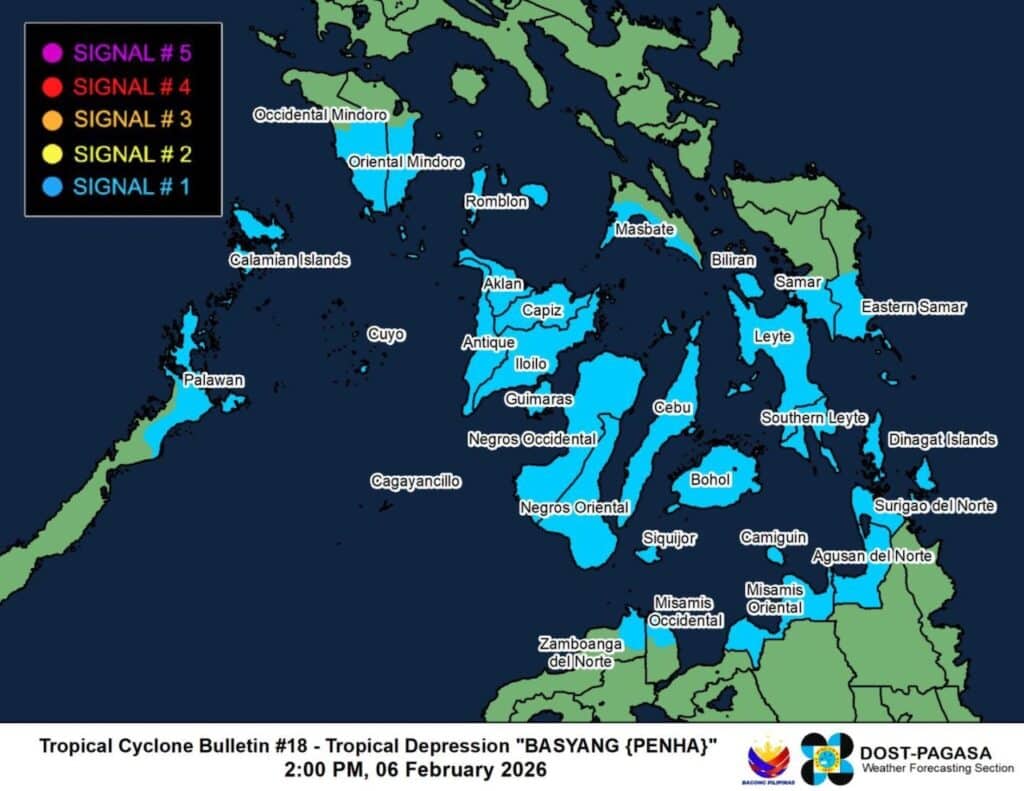
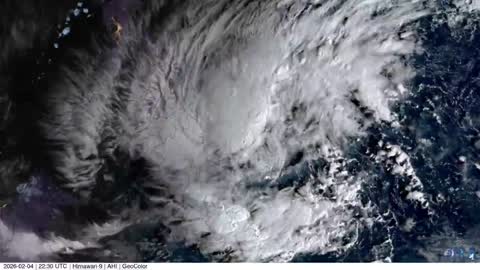
Tropical Depression Basyang's passage through the Philippines on February 8-10, 2026, created a critical supply chain disruption affecting 39 ports across Visayas and Mindanao regions, with direct implications for cross-border e-commerce sellers sourcing agricultural products and manufactured goods from Southeast Asia. The Philippine Coast Guard District Central Visayas (CGDCV) lifted sea travel bans on February 8 after the system weakened from Wind Signal No. 2 (75 kph sustained winds, 90 kph gusts) to tropical depression status. During the suspension period, approximately 4,000 passengers were stranded and hundreds of vessels remained stalled, disrupting regional logistics networks that feed into global e-commerce supply chains.
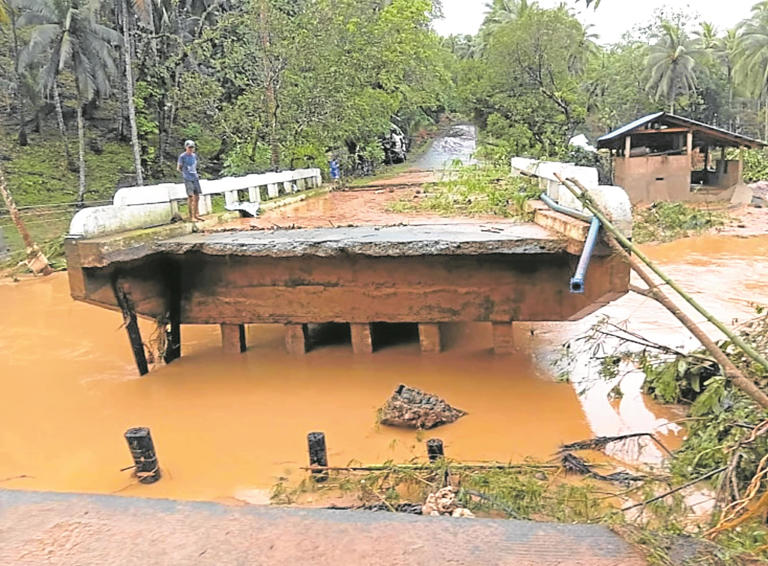
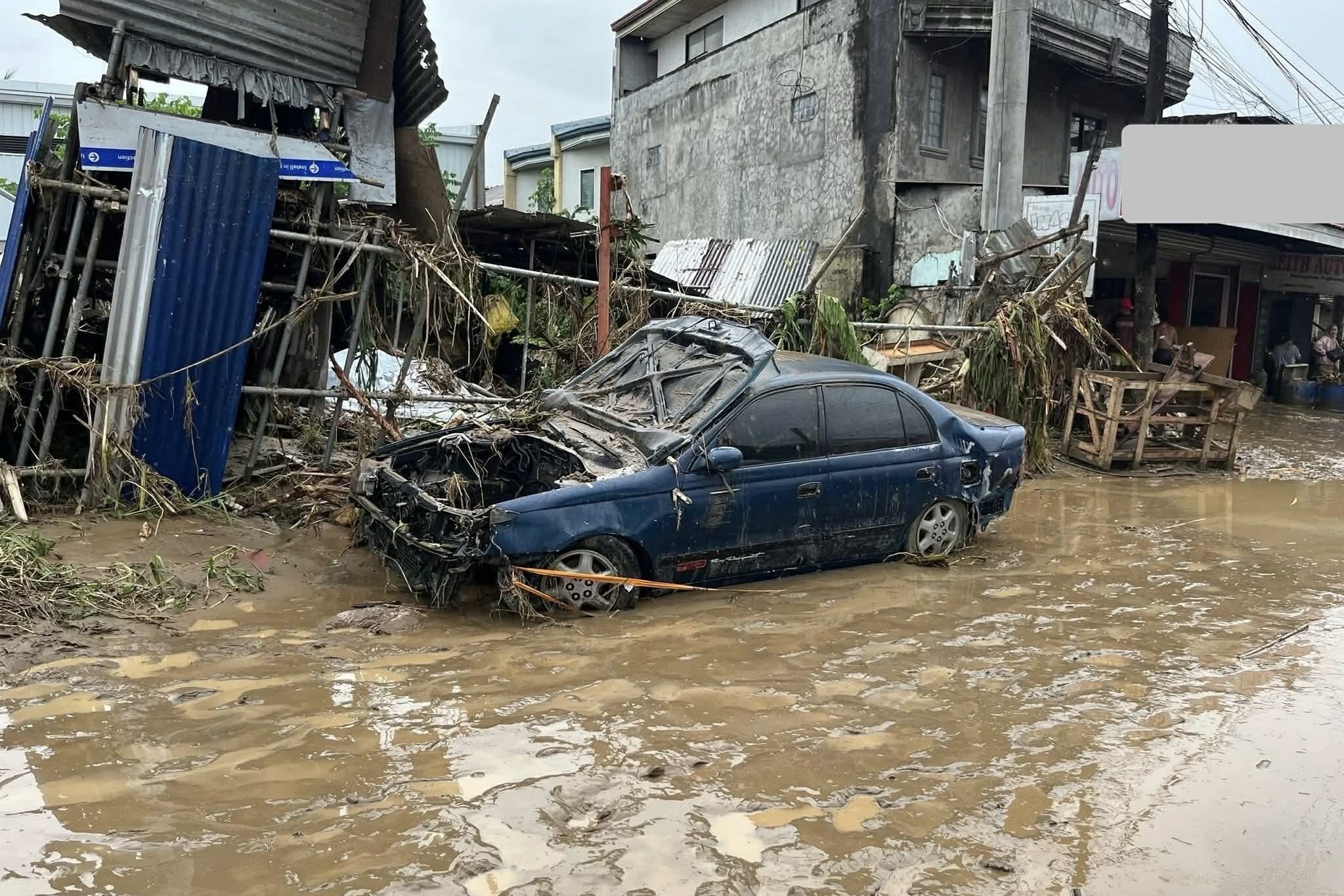
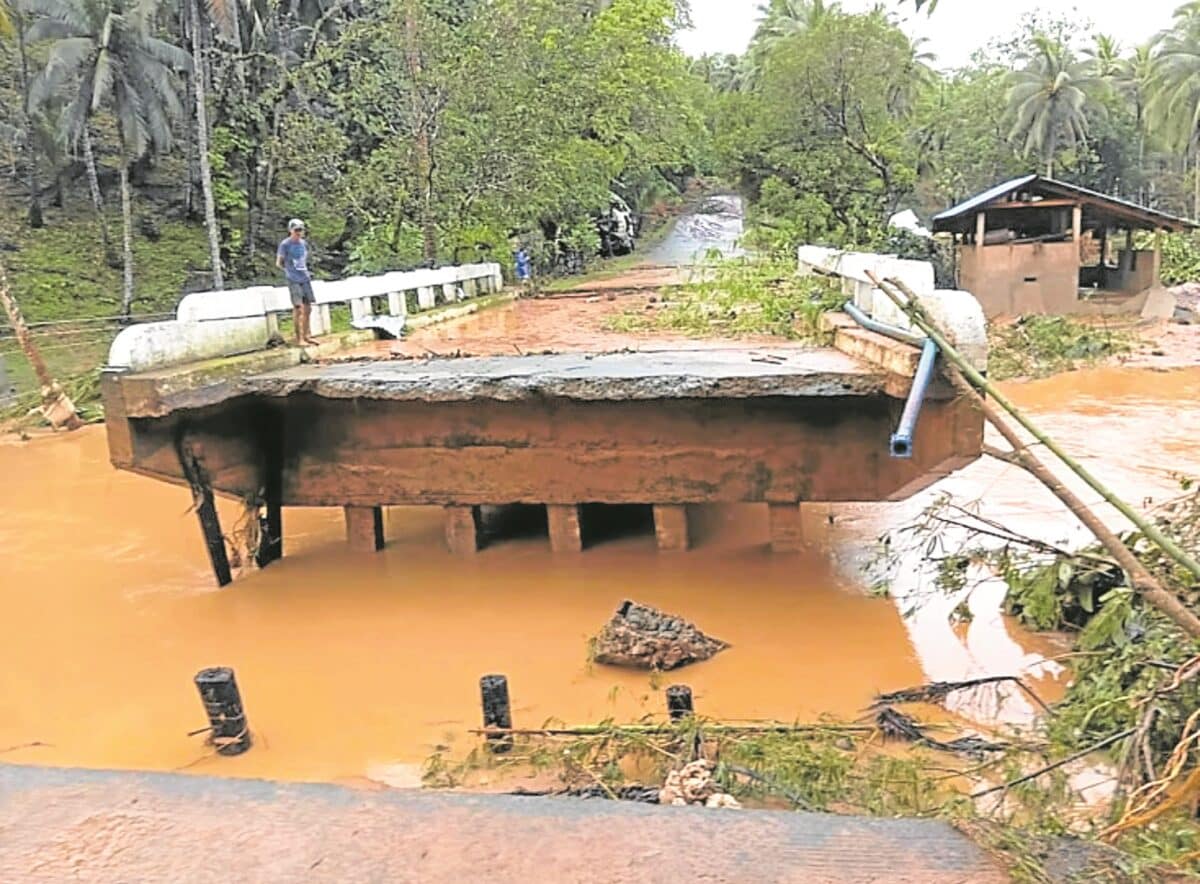
The agricultural damage presents both immediate risk and strategic opportunity for sellers. Flooding in Dalaguete, Cebu destroyed approximately 2,000 heads of cabbage plus tomatoes and onions—representing a 15-25% regional vegetable supply loss typical of tropical weather events in the Philippines. This supply shock creates a 4-8 week window where specialty food sellers can source premium-priced organic vegetables, dried goods, and agricultural products at elevated margins before supply normalizes. Sellers specializing in Asian specialty foods, organic produce, and gourmet ingredients on Amazon Fresh, Instacart, and Shopify can capitalize on temporary scarcity pricing. The incident also highlights the vulnerability of the Visayas-Mindanao corridor, which supplies 30-40% of Southeast Asia's agricultural exports to cross-border marketplaces.
Logistics recovery timing creates inventory planning opportunities for sellers with Philippine sourcing relationships. The 39-port reopening across Central Cebu, Camotes, Eastern Bohol, Western Bohol, Southern Cebu, and Northern Cebu stations signals vessel movement resumption by February 9-10, with full operational capacity expected by mid-February. Sellers with pre-positioned inventory in Philippine warehouses should expect 5-7 day delays in shipment departure, requiring adjusted lead time calculations for Amazon FBA replenishment and Shopify fulfillment. The suspension of classes in 18 local government units and preemptive evacuations indicate potential labor availability constraints through mid-February, potentially extending 3PL processing times by 2-3 days. Sellers should monitor Philippine port authority updates and coordinate with freight forwarders to optimize container consolidation during the recovery window, potentially reducing per-unit shipping costs by 8-12% through volume bundling as capacity normalizes.
問題 8
How does the Philippine port reopening after Basyang affect Amazon FBA sellers with Asian sourcing?
The February 8 reopening of 39 ports across Visayas and Mindanao ends a 2-3 day supply chain freeze that stranded 4,000+ passengers and hundreds of vessels. Sellers with pre-positioned inventory in Philippine warehouses should expect 5-7 day delays in shipment departure through mid-February as port operations normalize. This requires adjusting lead time calculations for Amazon FBA replenishment by adding 3-5 days to standard transit times. Sellers should immediately contact their 3PL providers and freight forwarders to confirm container departure schedules and consolidate shipments during the recovery window to reduce per-unit shipping costs by 8-12%.
What supply chain opportunities does the agricultural damage from Basyang create for specialty food sellers?
The flooding destroyed approximately 2,000 heads of cabbage plus tomatoes and onions in Dalaguete, Cebu, representing a 15-25% regional vegetable supply loss. This creates a 4-8 week window where specialty food sellers can source premium-priced organic vegetables, dried goods, and agricultural products at elevated margins before supply normalizes. Sellers on Amazon Fresh, Instacart, and Shopify specializing in Asian specialty foods and gourmet ingredients can capitalize on temporary scarcity pricing. However, this window closes as supply recovers by late February, so sellers should act within 7-10 days to secure contracts with Philippine agricultural suppliers.