



US Layoffs Hit 108K in January 2025 | Critical Supply Chain Risk for E-Commerce Sellers
- UPS cuts 30,000 jobs threatening FBA fulfillment capacity; Amazon restructures 16,000 roles signaling fee changes; labor market weakest since 2003 pressures consumer spending and seller margins





概览
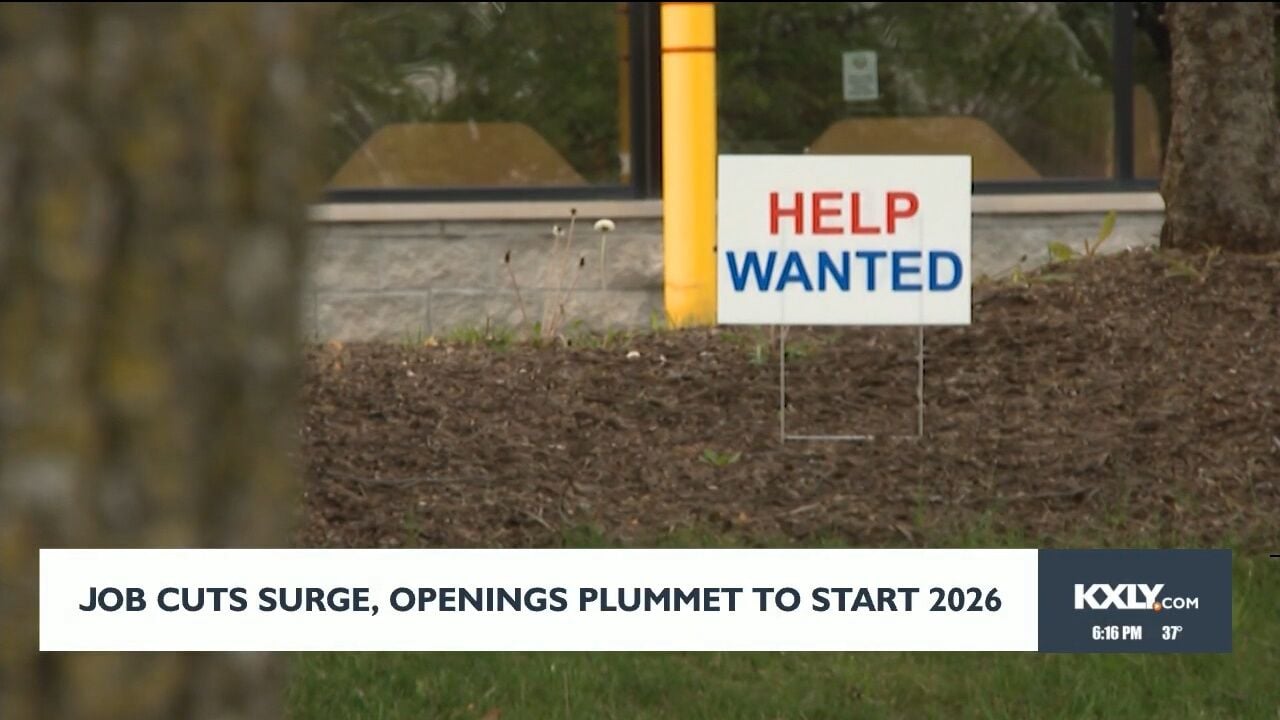
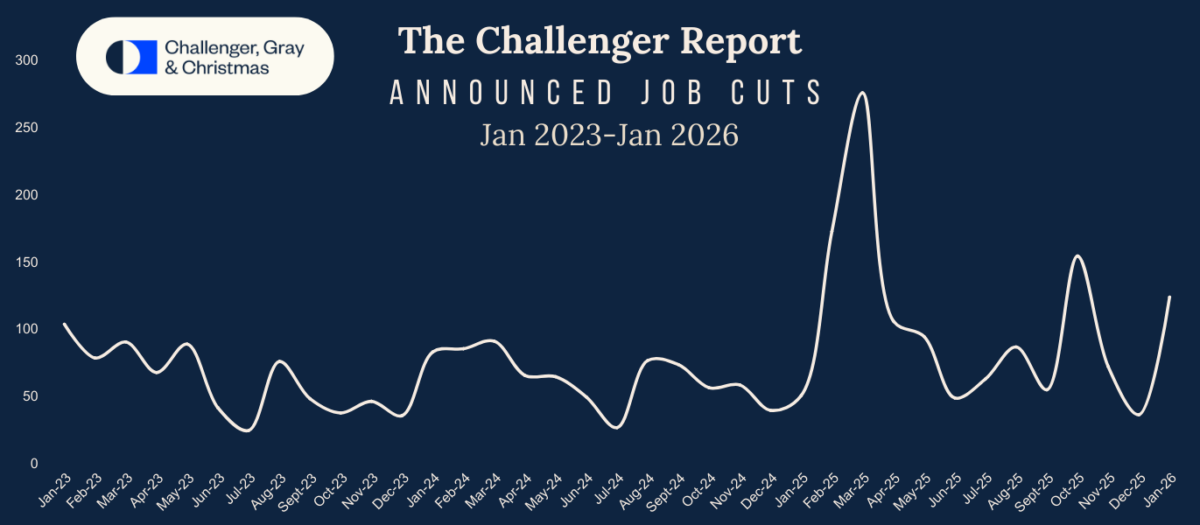
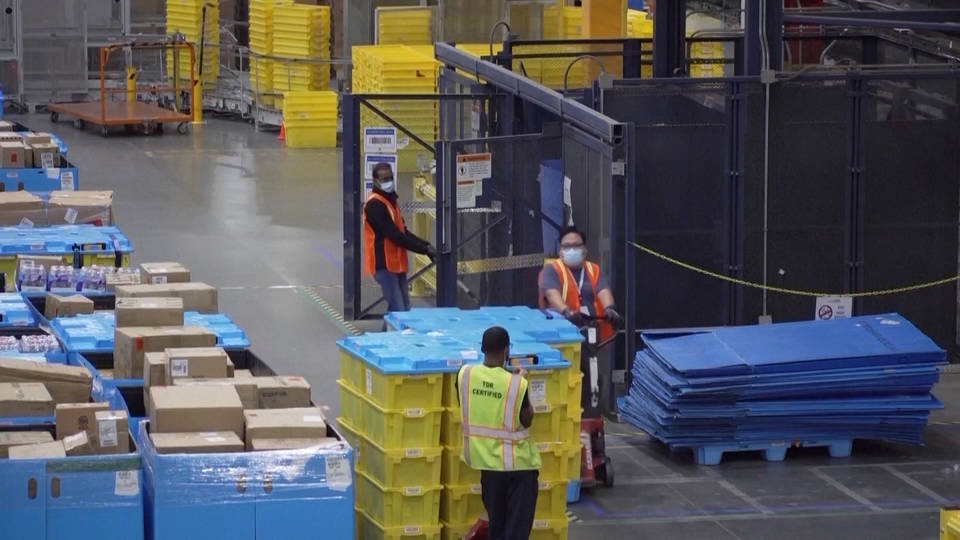
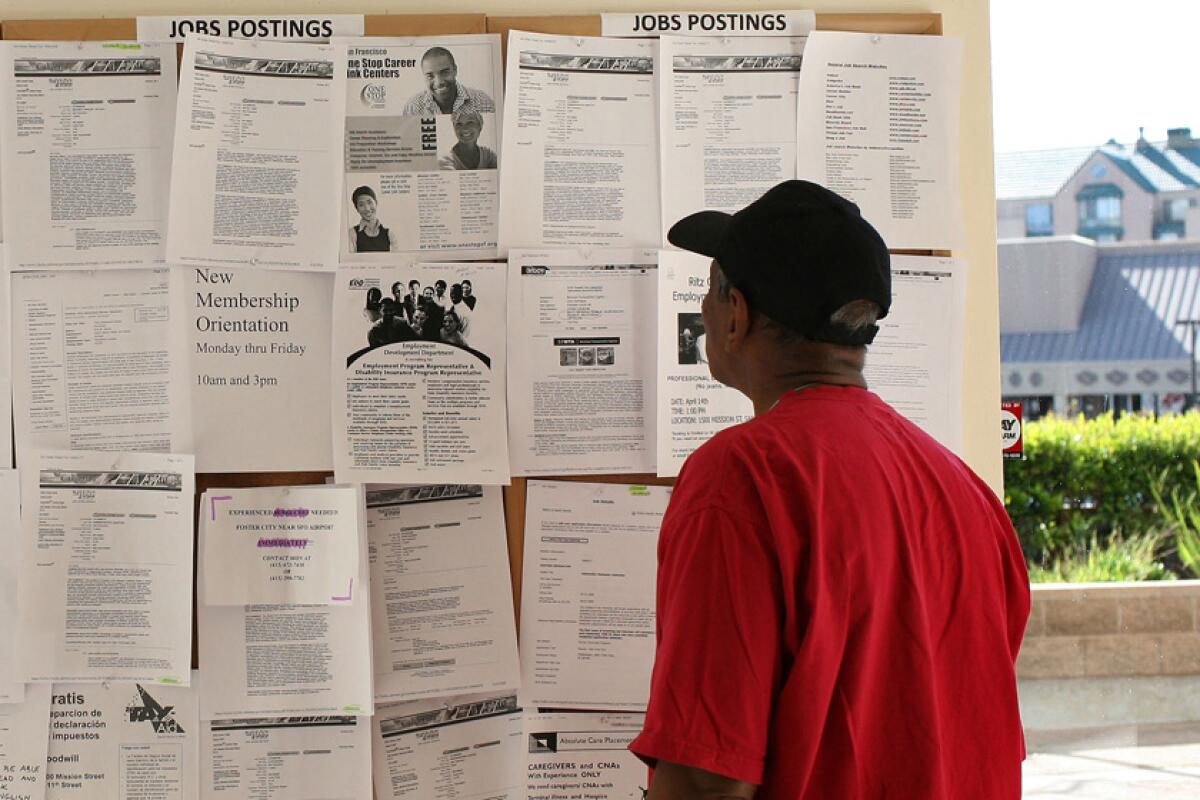
The US labor market has entered crisis territory for cross-border e-commerce sellers. January 2025 saw 108,435 job cuts—a 118% surge from January 2024 and the highest monthly total since the 2009 Great Recession. The transportation sector led with 31,243 cuts, dominated by UPS's announcement of 30,000 job eliminations following its severance from Amazon. This directly threatens fulfillment capacity for Amazon FBA sellers and creates immediate logistics risk. Technology sector cuts (22,291 jobs) included Amazon's 16,000-person restructuring, signaling potential changes to seller services, fee structures, and platform policies. The broader labor market deterioration—with initial jobless claims rising to 231,000 and job openings falling to 6.5 million (lowest in five years)—indicates weakening consumer purchasing power and reduced demand across most e-commerce categories.
For Amazon FBA sellers, the UPS workforce reduction poses immediate operational risk. UPS handles approximately 40% of Amazon's fulfillment network capacity. The 30,000-job cut represents roughly 15-20% of UPS's logistics workforce, directly impacting package sorting, delivery speed, and seasonal capacity during peak periods (Q4 2025, holiday season). Sellers should expect potential service delays, increased fulfillment costs, and possible FBA fee increases as Amazon compensates for reduced UPS capacity. Amazon's internal restructuring of 16,000 management roles signals cost-cutting measures that historically precede seller fee increases or service reductions. The company may consolidate seller support, increase FBA storage fees (currently $0.87/cubic foot for standard-size items), or introduce new category restrictions.
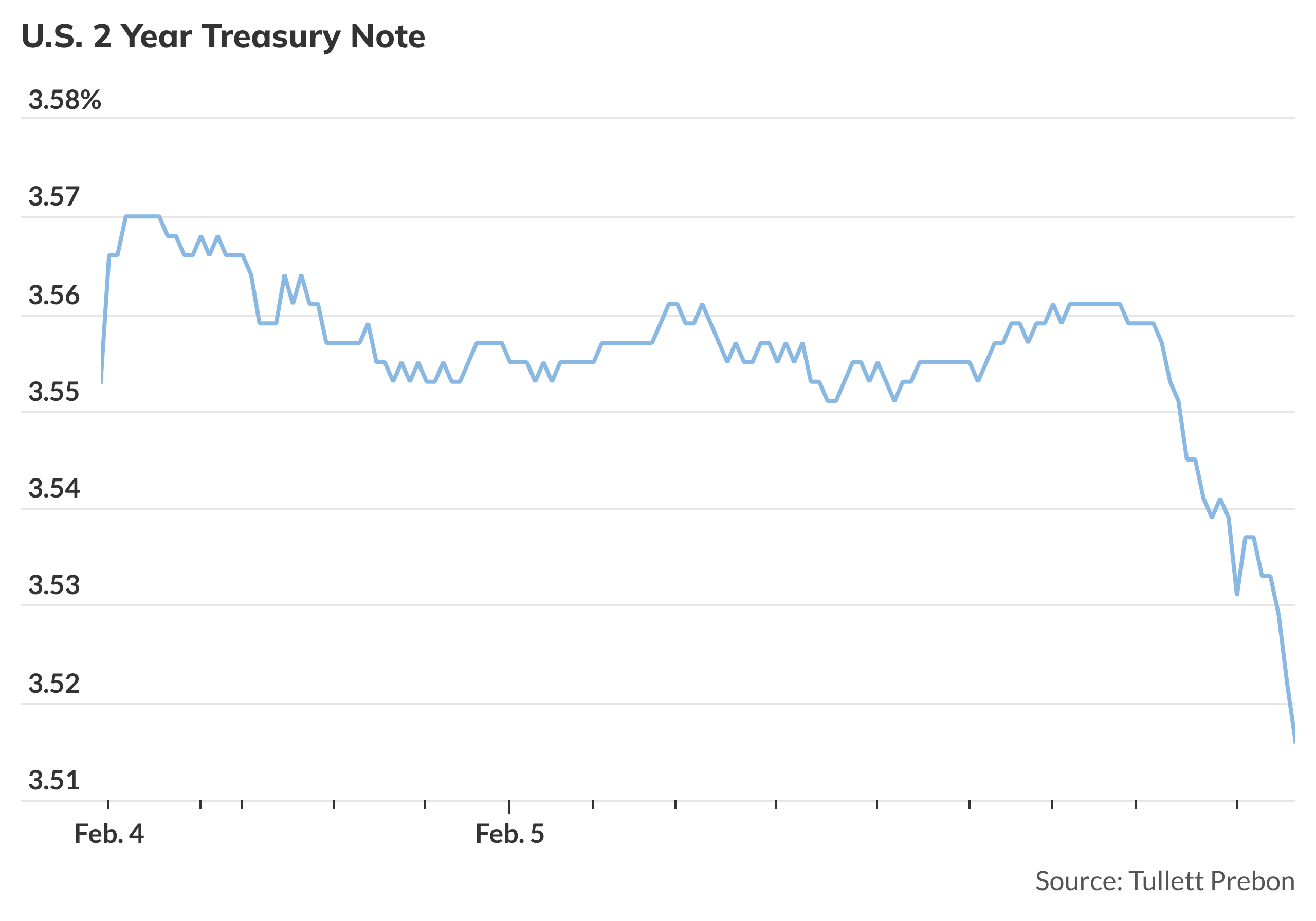
The weakening labor market directly compresses consumer spending and seller margins. The US economy added only 584,000 jobs in 2025 (averaging 50,000 monthly)—the weakest annual increase outside recessions since 2003. This represents a 71% decline from 2024's 2 million jobs. Rising jobless claims (231,000 weekly) indicate accelerating unemployment, reducing discretionary spending on non-essential categories (apparel, home décor, electronics). Sellers in these categories face 15-25% demand compression. Tariff uncertainty under the Trump administration compounds this, as sellers cannot confidently price inventory or commit to inventory purchases. The Federal Reserve's decision to maintain rates unchanged despite labor softening signals a cautious economic outlook, with potential rate cuts delayed until mid-2025 at earliest. This extends the period of high borrowing costs for sellers financing inventory through Amazon Lending or traditional credit lines.
AI-driven automation is accelerating workforce displacement across supply chain partners. January 2025 saw 7,624 AI-related layoffs (7% of total), with 54,836 AI-related cuts announced throughout 2025. Chemical manufacturers (including Dow Inc.) cited AI and automation implementation in 4,701 cuts. This signals rapid automation of warehouse operations, quality control, and logistics—areas where sellers depend on reliable third-party service. Sellers should anticipate: (1) higher automation costs passed through to FBA fees, (2) reduced human error but also reduced flexibility for special requests, (3) accelerated adoption of AI-powered pricing and inventory management tools as competitive necessity.
問題 8
How does UPS's 30,000-job cut directly impact Amazon FBA sellers?
UPS handles approximately 40% of Amazon's fulfillment network capacity. The 30,000-job elimination represents 15-20% of UPS's logistics workforce, directly reducing package sorting, delivery speed, and seasonal capacity. FBA sellers should expect: (1) potential 3-7 day delays during peak seasons (Q4 2025), (2) increased FBA fulfillment fees as Amazon compensates for reduced UPS capacity, (3) possible service level downgrades for non-Prime shipments. Sellers should monitor Amazon Seller Central for fee announcements and consider diversifying to alternative 3PL providers (Flexport, Shipbob) for 20-30% of inventory by Q2 2025.
Should sellers diversify away from Amazon FBA given supply chain risks?
UPS's 30,000-job cut and Amazon's 16,000-person restructuring create significant FBA risk. Sellers should implement a diversification strategy: (1) maintain 60-70% of inventory on Amazon FBA for reach and Prime eligibility, (2) allocate 20-30% to alternative 3PL providers (Flexport, Shipbob, Red Stag) for supply chain redundancy, (3) allocate 10-15% to Shopify or eBay for direct-to-consumer sales and platform diversification. This reduces dependency on any single logistics provider and protects against FBA service disruptions. Diversification costs 2-4% more in fulfillment fees but provides 40-50% risk reduction during supply chain crises.