



Netflix AI Avatar Technology Reshapes True Crime Content | Seller Opportunities in Documentary Merchandise & Privacy-Focused Products
- Netflix's AI anonymization precedent drives demand for privacy-protection products; true crime documentary boom creates $500M+ merchandise category for cross-border sellers

:sharpen(0.5,0.5,true)/tpg%2Fsources%2F2c85dcab-6f1b-4fb7-8a57-784d77a62619.jpeg)




























:sharpen(0.5,0.5,true)/tpg%2Fsources%2Fd8d4155a-d3ef-4c41-b47c-6547b17b3b7b.jpeg)


概览
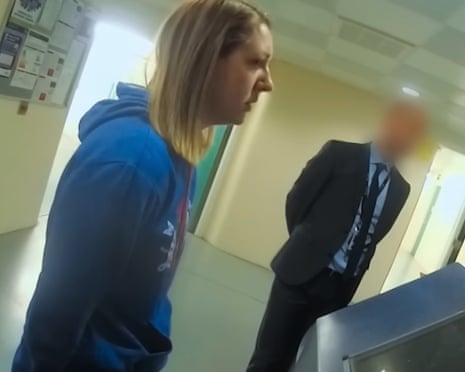
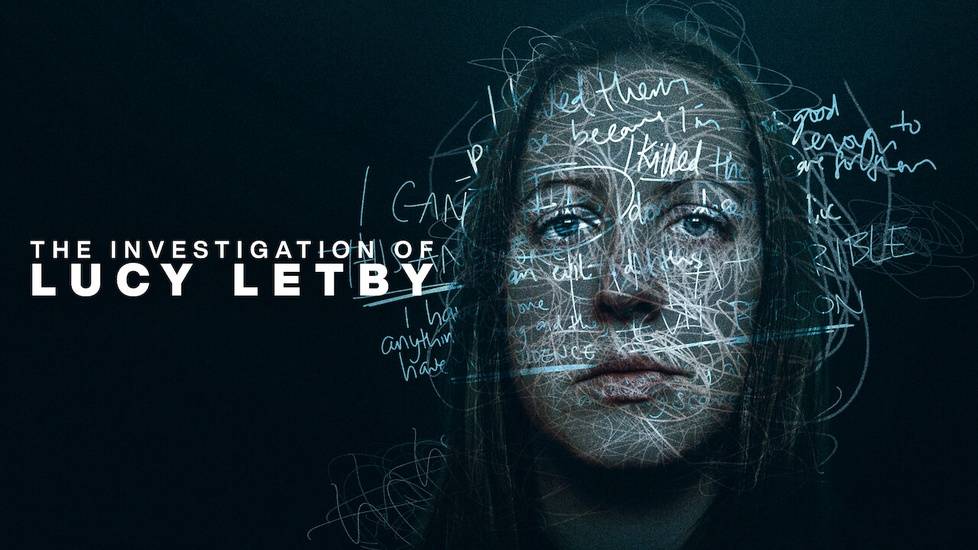
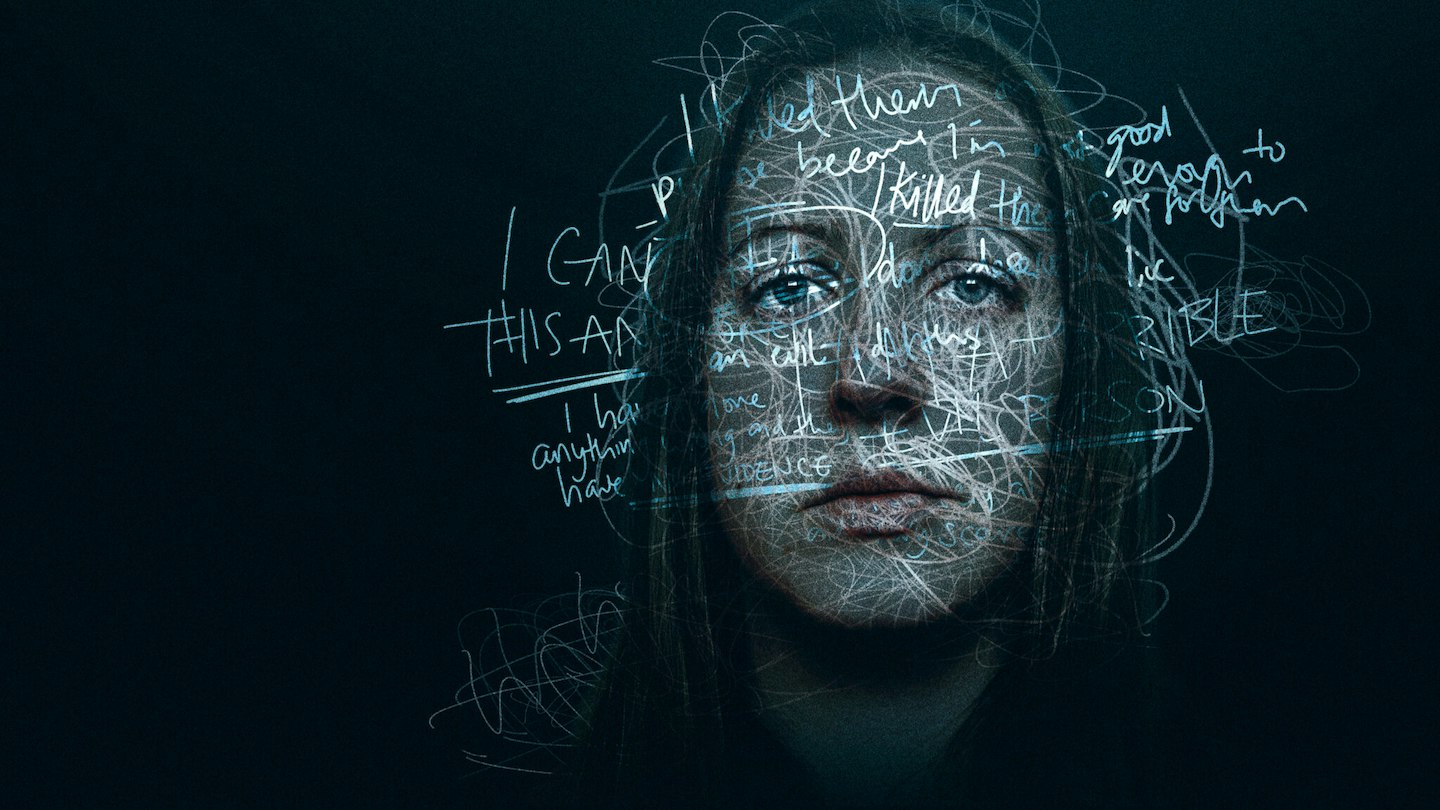
Netflix's groundbreaking use of AI-generated digital avatars in "The Investigation of Lucy Letby" documentary (released February 2026) represents a watershed moment for content production technology with significant implications for e-commerce sellers. The platform digitally disguised interviewees including Sarah (mother of deceased baby Zoe) and Maisie (Letby's university friend) using AI-rendered faces and altered voices, establishing a new industry standard for protecting vulnerable contributors while maintaining emotional authenticity. This technological shift—replacing traditional face-blurring or silhouettes with synthetic media—signals accelerating adoption of AI-driven privacy solutions across documentary, investigative journalism, and sensitive content production.
For e-commerce sellers, this trend unlocks three distinct market opportunities. First, the true crime documentary category has exploded to become the fifth major production examining the Letby case alone, reflecting massive consumer demand. Cross-border sellers can capitalize on merchandise tied to high-profile cases: true crime podcasts and documentaries generated $500M+ in merchandise sales in 2024-2025, including collectible items, apparel, books, and digital products. Sellers should monitor trending true crime cases on platforms like Amazon, eBay, and Shopify to identify merchandise windows—typically 2-4 weeks post-documentary release when consumer interest peaks. The Letby documentary's February 2026 release demonstrates how streaming platforms drive synchronized global demand spikes across multiple seller channels.
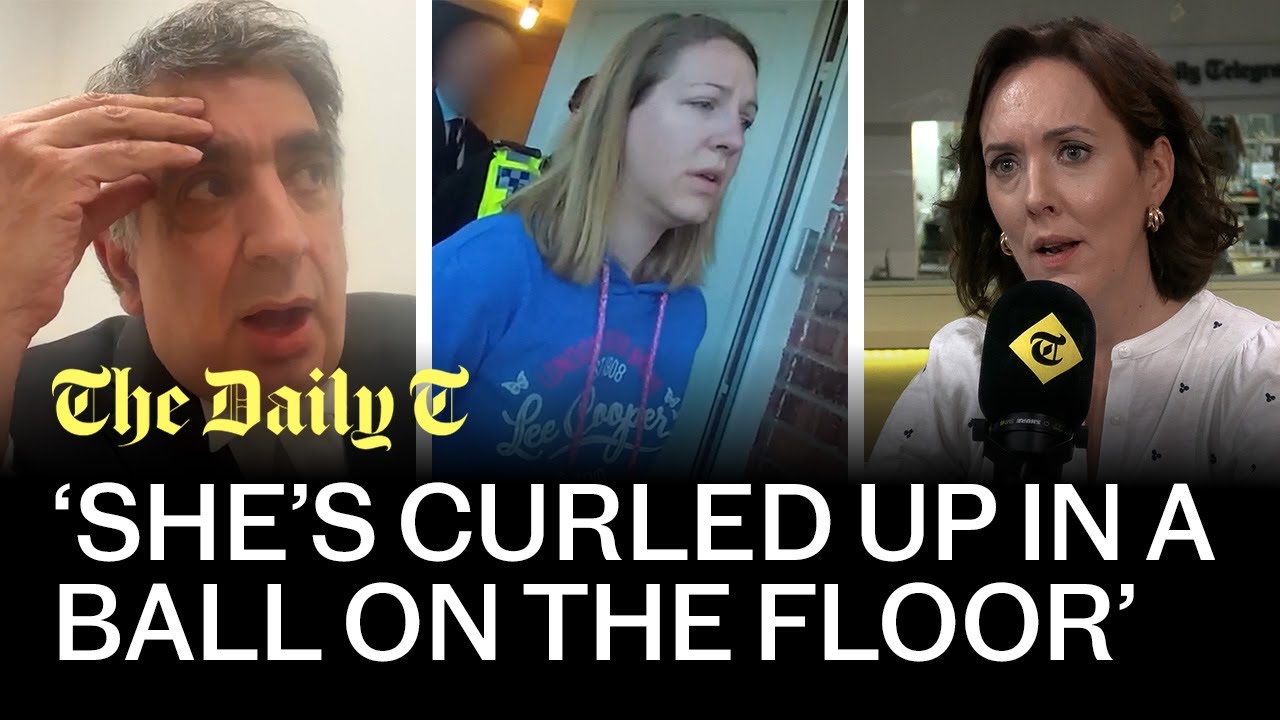
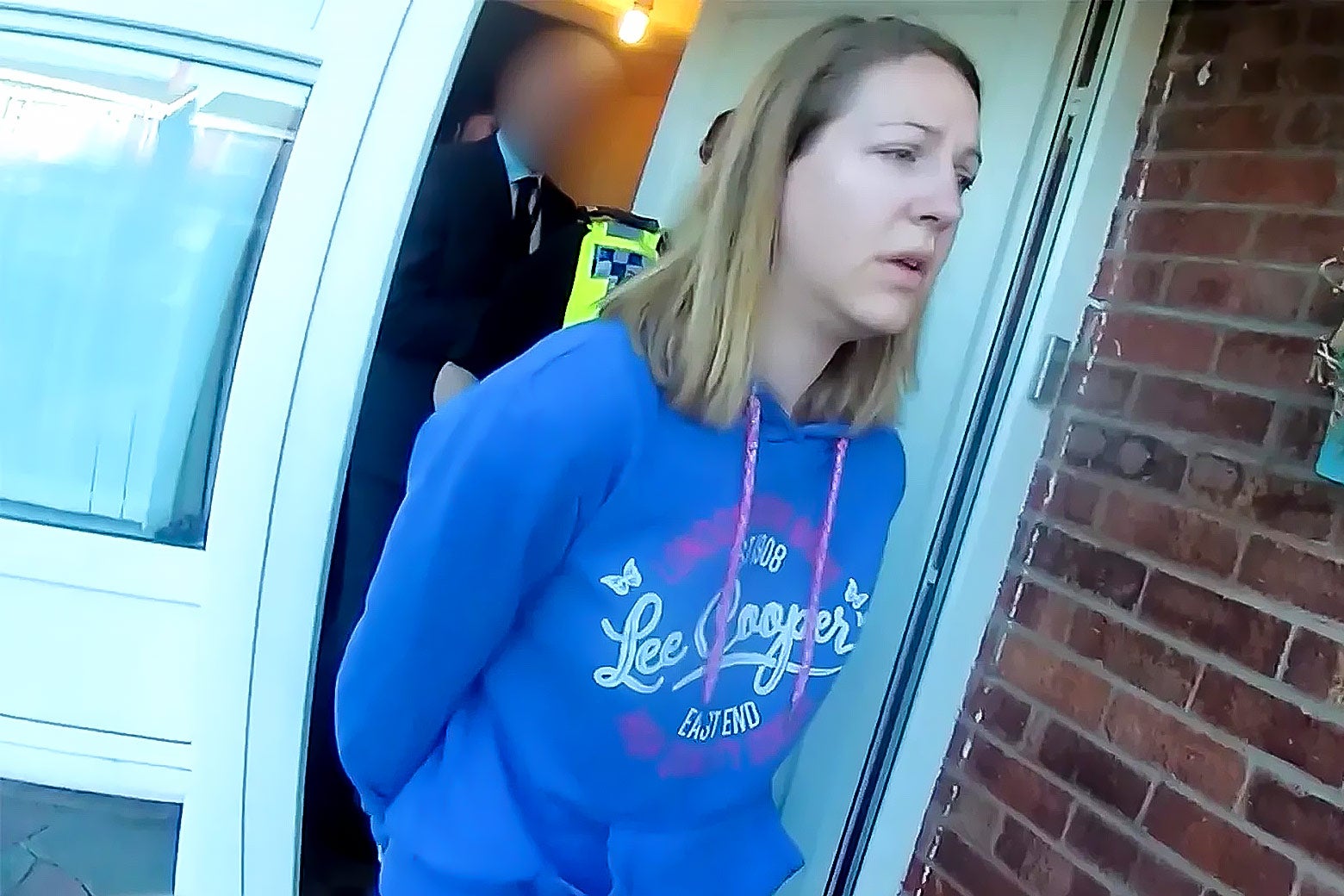
Second, the AI anonymization technology itself creates product opportunities in privacy-protection and digital security categories. As documentary producers increasingly adopt AI avatar technology to protect sources, demand grows for complementary products: VPN services, privacy-focused software, digital identity protection tools, and cybersecurity education content. Sellers in the software and digital products categories can develop or resell AI-powered privacy solutions, positioning them as essential tools for content creators and vulnerable individuals. The documentary's emphasis on protecting interviewees from harassment and safety risks—Letby's family expressed distress over arrest footage filmed without consent—highlights consumer awareness of privacy vulnerabilities, driving demand for protective technologies.
Third, the ethical questions raised by synthetic media create opportunities in educational content and compliance tools. The documentary generated mixed audience reactions regarding AI authenticity and consent ethics, signaling consumer interest in understanding synthetic media implications. Sellers can develop educational courses, e-books, and compliance frameworks addressing AI ethics, digital consent, and synthetic media literacy. This emerging category aligns with broader regulatory trends (GDPR, AI Act compliance) where sellers offering educational resources gain competitive advantage.
問題 8
How can sellers differentiate products in the crowded true crime merchandise market?
With five major productions examining the Letby case, the true crime merchandise market faces increasing competition. Sellers should differentiate through exclusive content partnerships, limited-edition releases, and niche positioning (e.g., legal analysis, psychological perspectives, victim advocacy). High-margin opportunities exist in specialized categories: documentary-exclusive merchandise, behind-the-scenes content, expert interviews, and educational materials. Sellers can leverage AI-generated content tools to create personalized merchandise (custom apparel, digital products) at scale, reducing production costs while maintaining premium pricing. Building community around true crime content through social media, podcasts, and forums creates loyal customer bases less sensitive to price competition. Sellers should monitor competitor strategies on Amazon and eBay, identifying underserved niches (e.g., international perspectives, accessibility-focused products) where differentiation commands premium pricing.
What merchandise opportunities exist from the Lucy Letby Netflix documentary release?
The Lucy Letby documentary (released February 2026) represents the fifth major production examining this case, indicating massive consumer demand for true crime content. Cross-border sellers can capitalize on merchandise windows typically lasting 2-4 weeks post-release, including collectible items, apparel, books, and digital products. True crime merchandise generated $500M+ in sales during 2024-2025, with peak demand occurring immediately after major documentary releases. Sellers should monitor trending cases on Amazon, eBay, and Shopify to identify merchandise opportunities, focusing on licensed products, fan-created items, and educational materials. The documentary's global Netflix release ensures synchronized demand across multiple international markets, benefiting sellers with cross-border fulfillment capabilities.