



Middle East Geopolitical Escalation | Cross-Border Sellers Face Supply Chain & Sanctions Risk
- Potential military conflict threatens oil prices, shipping routes, and Iran market access; sellers must monitor sanctions changes and diversify sourcing away from conflict zones




















)






概览
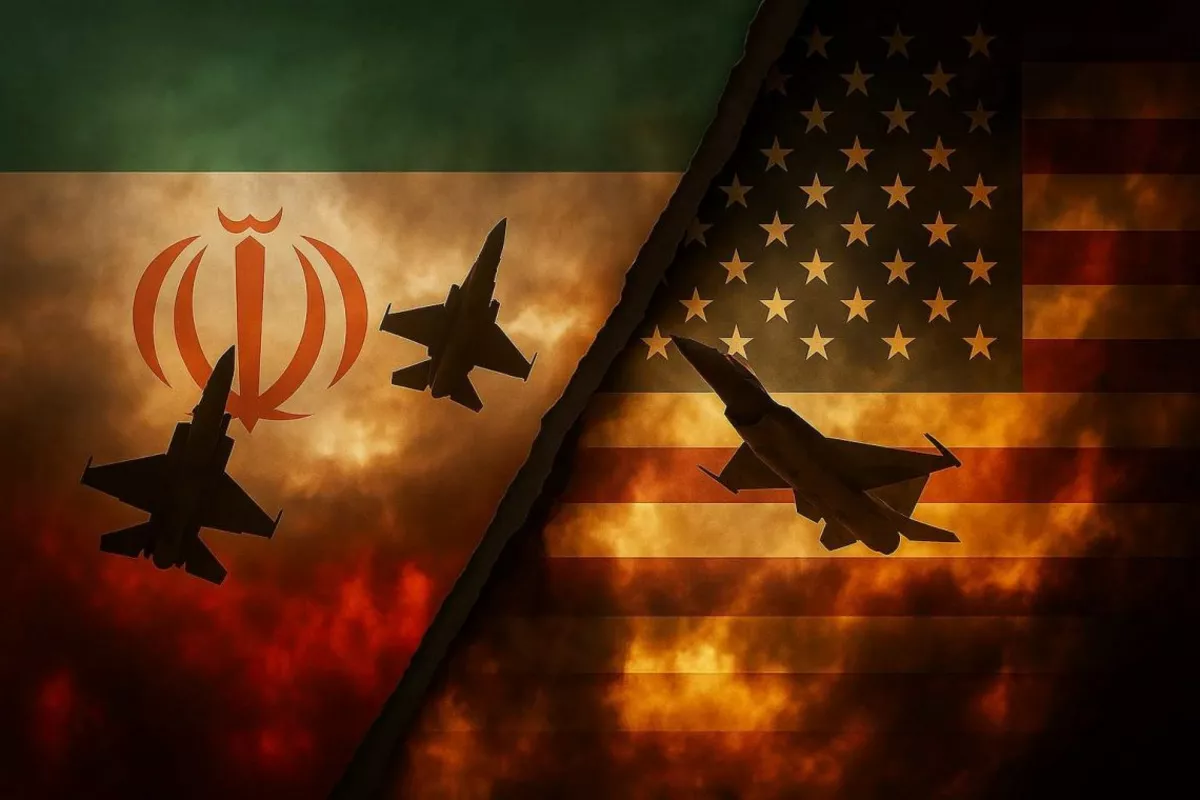
The escalating U.S.-Iran nuclear standoff, with diplomatic talks scheduled for Friday in Oman between U.S. Special Envoy Steve Witkoff and Iranian officials, creates significant supply chain and market access risks for cross-border e-commerce sellers. Arab allies have warned the White House of potential consequences including regional military escalation, Iranian retaliatory measures targeting oil exports that could trigger global economic crisis, and prolonged regional conflict similar to Afghanistan. A massive naval armada is positioned in the region, though operational readiness remains more than one week away. This geopolitical uncertainty directly impacts sellers through three critical mechanisms: oil price volatility affecting shipping costs, potential new or expanded sanctions disrupting Iran market access, and Strait of Hormuz shipping route disruptions that could delay inventory by 2-4 weeks.
Supply Chain Cost Impact: Global shipping rates are highly sensitive to Middle East tensions. During previous escalations (2019-2020), oil prices spiked 15-25%, increasing ocean freight costs by $800-1,200 per 40-foot container. For sellers shipping 500+ containers monthly, this translates to $400K-600K in additional annual logistics costs. Sellers relying on just-in-time inventory from Asia face particular risk—any Strait of Hormuz disruption forces rerouting around Africa, adding 10-14 days to transit times and requiring 20-30% higher safety stock levels.
Market Access & Sanctions Exposure: Iran represents a $15-20B annual e-commerce market with 85M+ internet users, but current U.S. sanctions (OFAC restrictions) prohibit direct sales to Iranian customers and Iranian suppliers. If negotiations fail and military strikes occur, expect expanded secondary sanctions targeting companies with Iran-adjacent supply chains. Sellers sourcing from UAE, Saudi Arabia, or other Gulf states face heightened compliance scrutiny. Conversely, if a nuclear deal emerges, Iran market access could open within 6-12 months, creating first-mover advantages for sellers prepared with localized product catalogs and payment infrastructure.
Competitive Positioning: Large sellers with diversified sourcing (Vietnam, India, Mexico) and established 3PL networks across multiple regions can absorb shipping delays and cost increases. Small-to-medium sellers (SMBs) with concentrated sourcing in China or single-region fulfillment face margin compression of 8-15% if shipping costs spike. Sellers in electronics, machinery, and industrial categories—which depend on Asian sourcing—face higher exposure than apparel/home goods sellers with more flexible supply chains.
問題 8
How should I prepare for potential Iran market opening if a nuclear deal is reached?
A successful nuclear deal could open Iran's $15-20B e-commerce market within 6-12 months, with 85M+ internet users and growing middle-class purchasing power. Early preparation includes: (1) researching Iran-compliant payment processors (Stripe, PayPal currently restricted; local alternatives like Shenase or Paysafe may emerge), (2) developing localized product catalogs in Farsi with culturally relevant categories (electronics, home goods, fashion), (3) establishing relationships with Iran-based logistics partners for last-mile delivery, and (4) monitoring OFAC license applications for Iran trade. First-movers in this market could capture 15-25% market share before competitors enter. However, maintain compliance monitoring—any deal could reverse, and violations carry $20K-$250K penalties.
What product categories face the highest supply chain risk from Middle East tensions?
Electronics, machinery, industrial equipment, and automotive parts face highest risk because they depend heavily on Asian sourcing routed through Middle East shipping corridors. These categories represent 35-40% of cross-border e-commerce volume. Apparel, home goods, and consumer packaged goods have more flexible supply chains with established sourcing in Vietnam, India, and Mexico, reducing Middle East exposure. If shipping costs spike 15-25%, electronics sellers face 8-12% margin compression (typical 20-25% margins), while apparel sellers with 40-50% margins absorb increases more easily. Sellers in high-risk categories should consider nearshoring or inventory pre-positioning in U.S. fulfillment centers.