





Red Sea Shipping Crisis | Cross-Border Sellers Face 12% Trade Disruption Risk
- Houthi attacks disrupt 12% of global trade; Berbera port expansion creates alternative routing opportunities for sellers shipping to Africa, Middle East, and Asia-Pacific markets

















概览
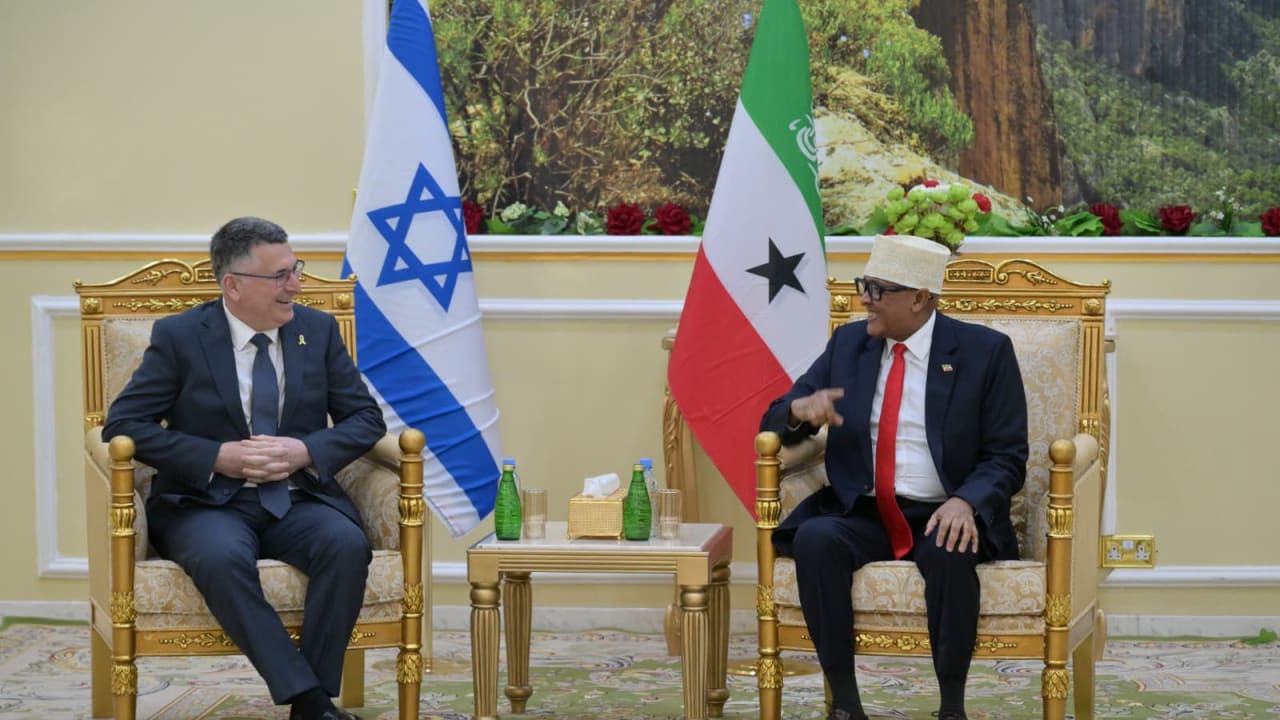
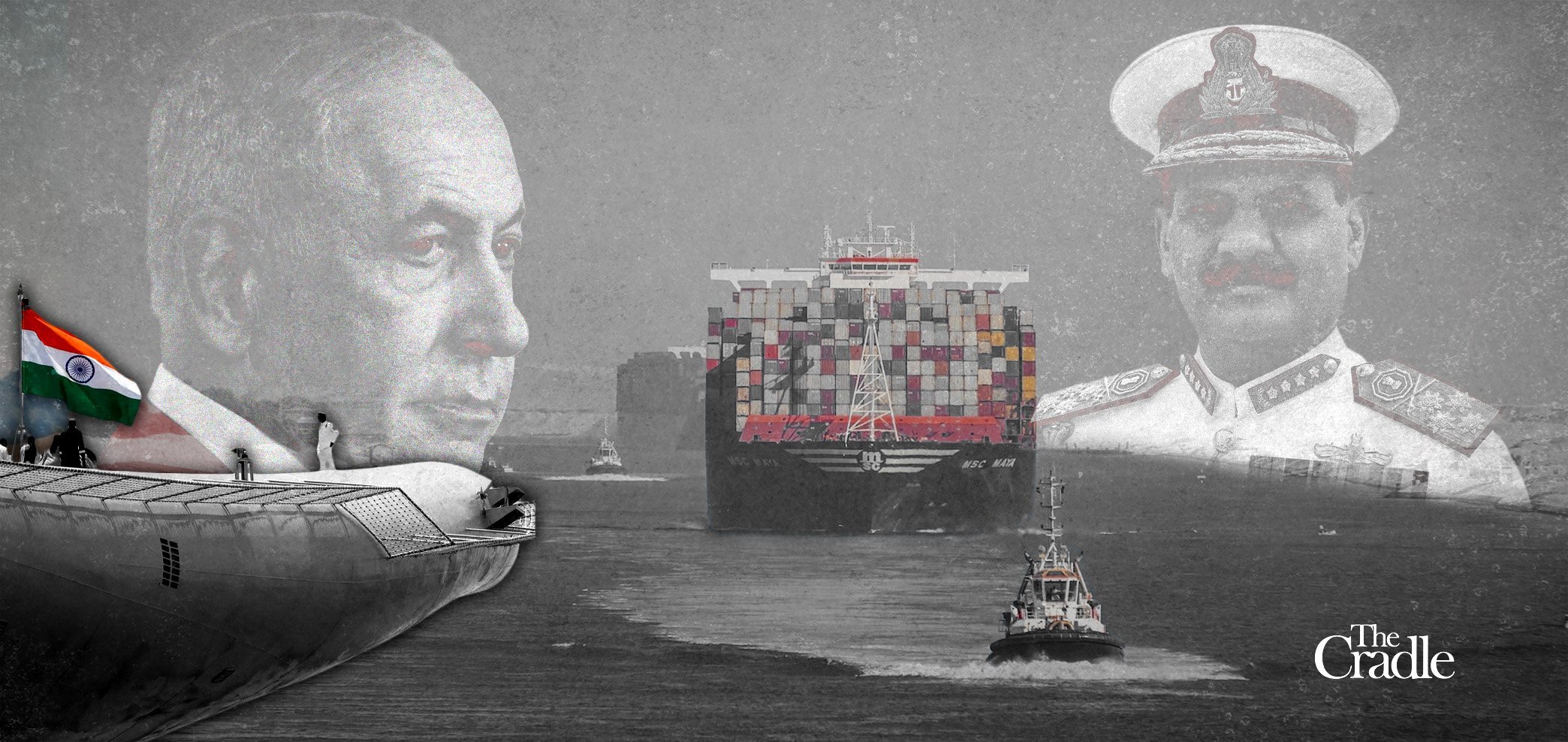
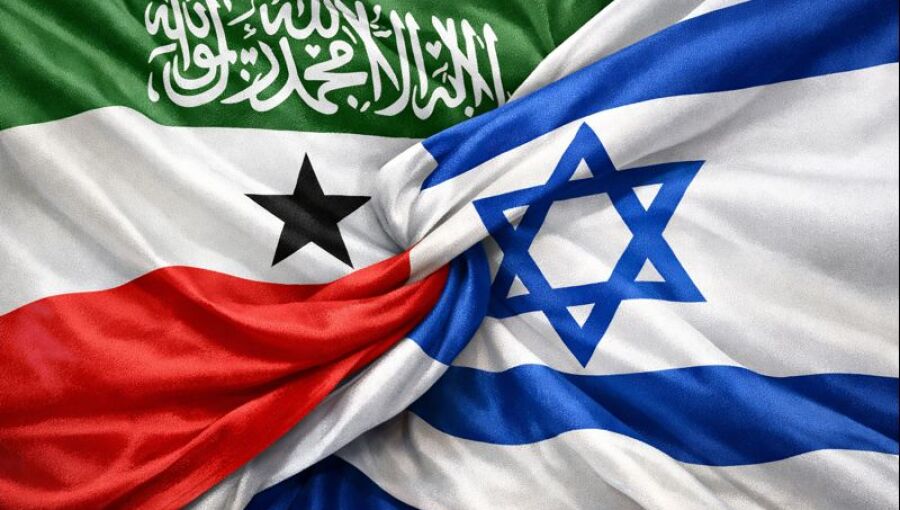
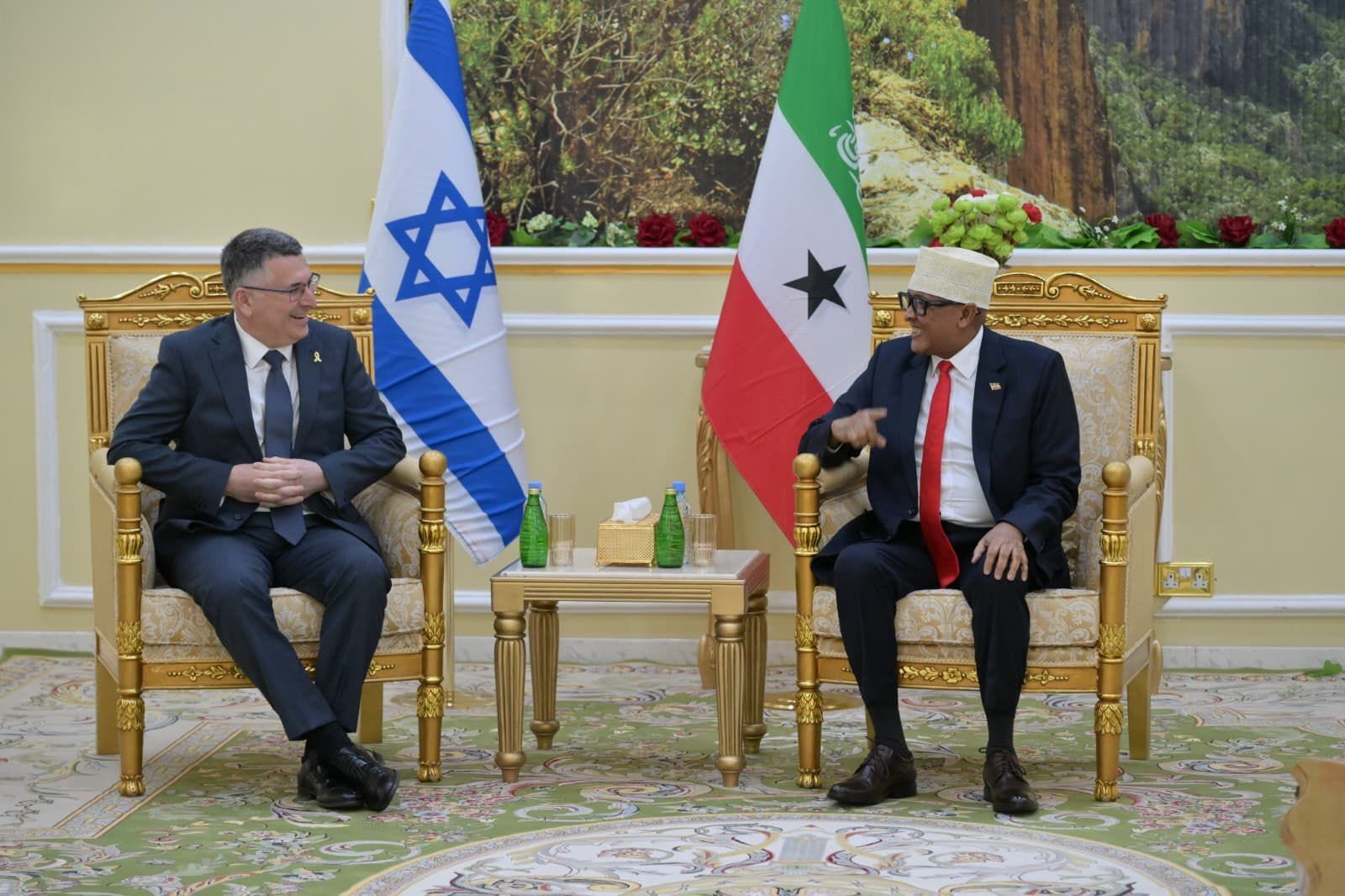
The December 2025 Israeli recognition of Somaliland catalyzed a strategic realignment among Israel, India, UAE, and Ethiopia that fundamentally reshapes Red Sea maritime logistics—the critical chokepoint through which approximately one-third of global shipping passes. For cross-border e-commerce sellers, this geopolitical shift creates both immediate supply chain risks and emerging market opportunities worth quantifying.
Immediate Shipping Impact and Cost Implications: Houthi attacks on Israel-linked vessels have already disrupted roughly 12% of global trade through the Red Sea, forcing sellers to reroute shipments through longer, costlier alternatives. The Suez Canal route—historically the fastest path from Asia to Europe—now carries elevated security premiums. Sellers shipping electronics, apparel, and consumer goods from China/Vietnam to EU/US markets face 2-4 week delays and 8-15% increased freight costs when avoiding the Red Sea corridor. The Berbera port expansion (operational since 2022, jointly managed by DP World, Somaliland, and UK) offers a strategic alternative: a 4-kilometer runway accommodating heavy aircraft and deep-water docks enable direct air-freight options for high-value, time-sensitive inventory. Sellers of luxury goods, electronics, and perishables can now bypass Red Sea congestion by routing through Berbera to Ethiopian distribution hubs, reducing transit time by 5-7 days compared to Suez alternatives.
Market Access Opportunities in Emerging Corridors: The India-Middle East-Europe Economic Corridor (IMEC) and India's SAGAR/MAHASAGAR maritime initiatives position East African markets—particularly Ethiopia, elevated to strategic partnership status during PM Modi's December 2025 visit—as growth markets for Indian and Israeli-integrated technology products. Ethiopia's access to Somaliland's Berbera port creates a new distribution gateway for sellers targeting the 120+ million-person East African market. Categories benefiting include: agricultural equipment (Somaliland's arable land and livestock resources), renewable energy systems (solar panels, batteries for off-grid regions), telecommunications infrastructure, and consumer electronics. Sellers with existing India-based sourcing networks gain competitive advantage; Indian defense export targets of $10 billion by FY 2025-26 signal government support for technology infrastructure exports that create downstream demand for components and logistics services.
Competitive Dynamics and Sourcing Shifts: The realignment challenges China's Djibouti-based port dominance, creating opportunities for sellers to diversify sourcing away from China-dependent logistics. Vietnam, India, and UAE-based suppliers gain leverage as alternative sourcing hubs. Sellers currently dependent on Chinese manufacturing with Djibouti-routed exports face margin compression; those diversifying to Indian suppliers with Berbera routing can capture 3-5% cost savings while reducing geopolitical supply chain risk. The UAE's expanded naval infrastructure at Berbera (transformed from stalled project to nearly-completed facility with modern military port infrastructure) signals long-term commitment to alternative trade corridors, making it a reliable routing option for 2-3 year planning horizons.
問題 7
How does the Red Sea shipping crisis affect cross-border seller shipping costs?
Houthi attacks have disrupted approximately 12% of global trade through the Red Sea, forcing sellers to reroute shipments through longer alternatives. Sellers shipping from Asia to Europe/US via traditional Suez Canal routes now face 8-15% increased freight costs and 2-4 week delays. For example, a seller shipping 500 units of electronics from Vietnam to Germany via Suez now pays $4,500-5,500 instead of $4,000, adding $250,000+ annually for high-volume sellers. The Berbera port alternative (jointly operated by DP World, Somaliland, and UK) offers 5-7 day time savings and potential 3-5% cost reductions through direct air-freight options for high-value inventory, making it economically viable for electronics, luxury goods, and perishables.
What new markets are opening for sellers due to the Israel-India-UAE-Ethiopia axis?
Ethiopia's elevation to strategic partnership status (December 2025 Modi visit) and access to Somaliland's Berbera port creates a new distribution gateway for the 120+ million-person East African market. The India-Middle East-Europe Economic Corridor (IMEC) signals government support for technology infrastructure exports, creating downstream demand for components. Sellers targeting agricultural equipment, renewable energy systems (solar panels, batteries), telecommunications infrastructure, and consumer electronics can now access Ethiopian markets through Berbera with reduced logistics friction. Indian suppliers gain competitive advantage; sellers with India-based sourcing networks can capture 3-5% cost savings while diversifying away from China-dependent logistics.