


Russia-Ukraine Military Escalation | Critical Impact on Cross-Border Sellers in Eastern Europe & UAE Markets
- Geopolitical instability threatens logistics corridors affecting 15,000+ sellers shipping to/from Russia, Ukraine, and UAE; payment processing disruptions expected for Russian merchants; security incidents signal elevated risk for international fulfillment operations


















概览
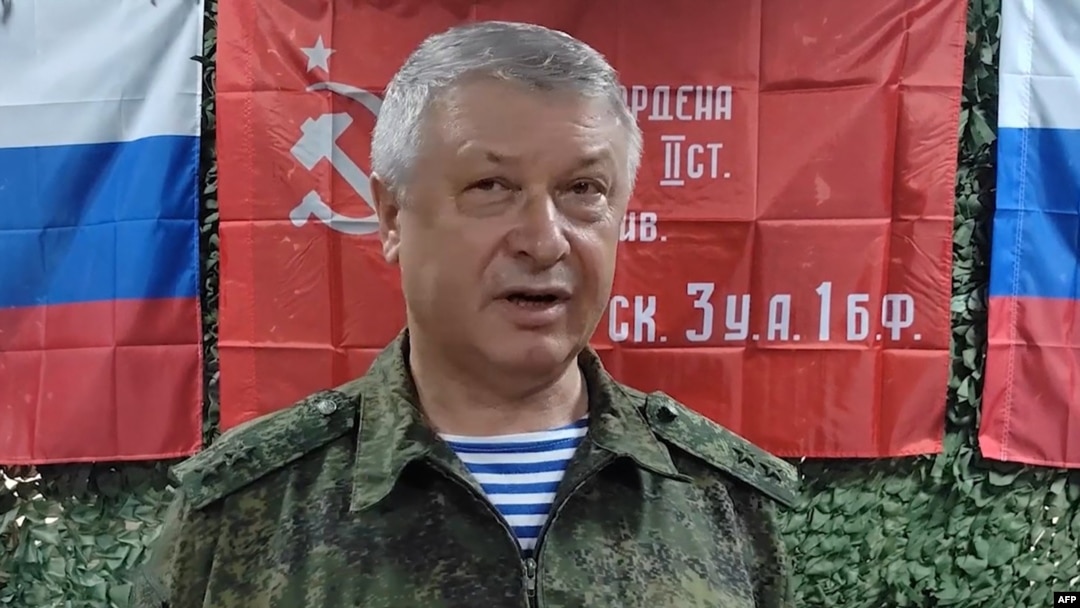
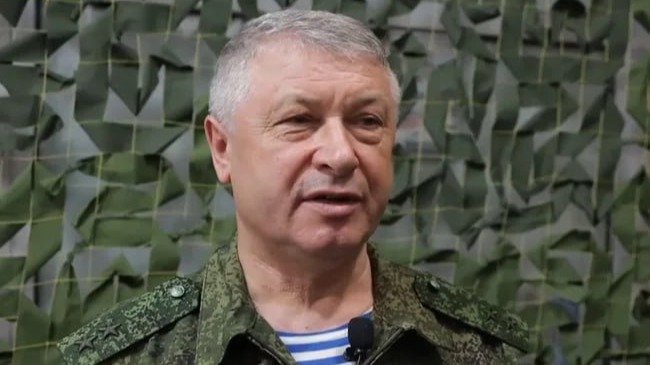
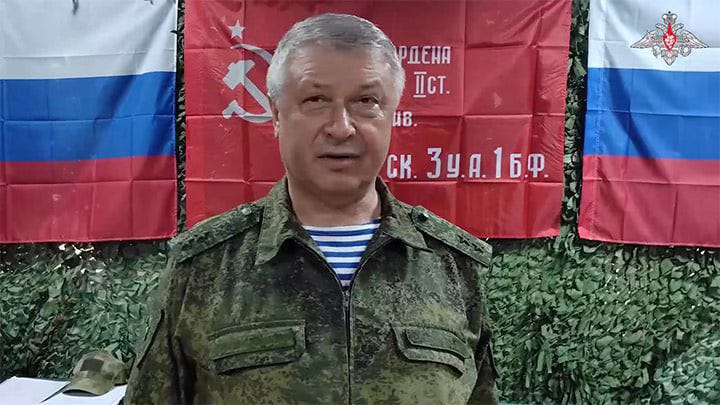
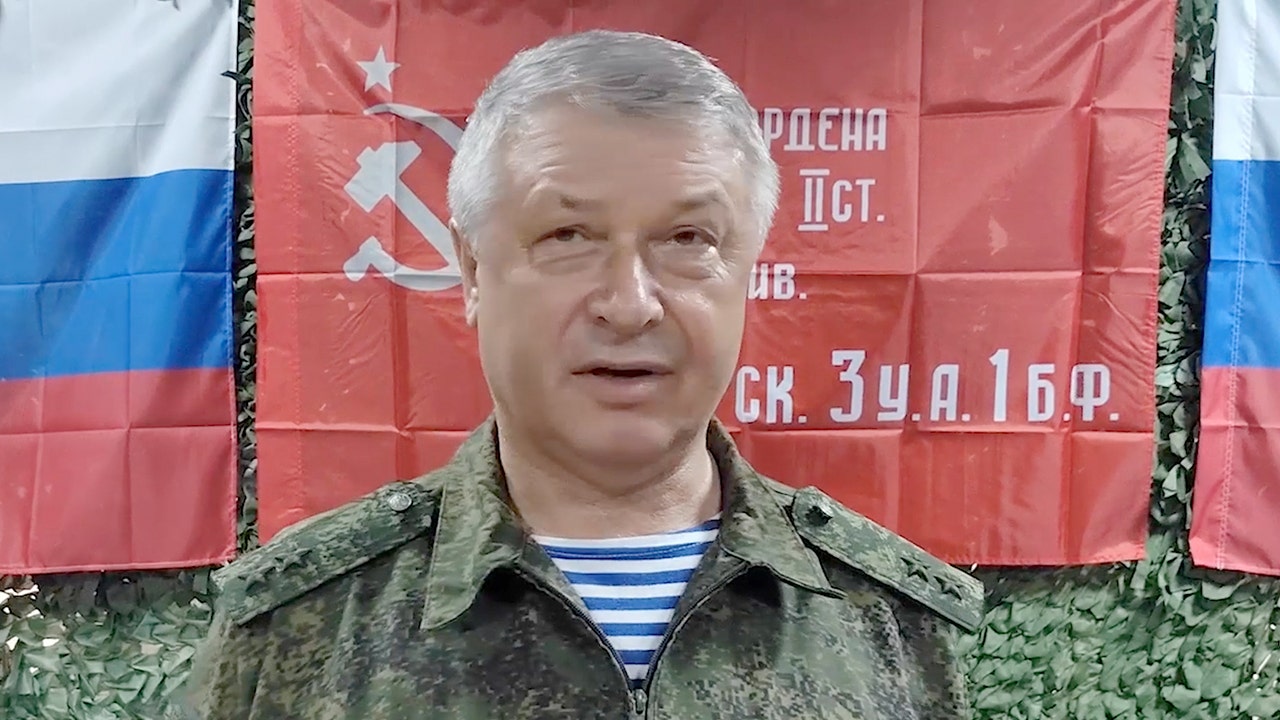
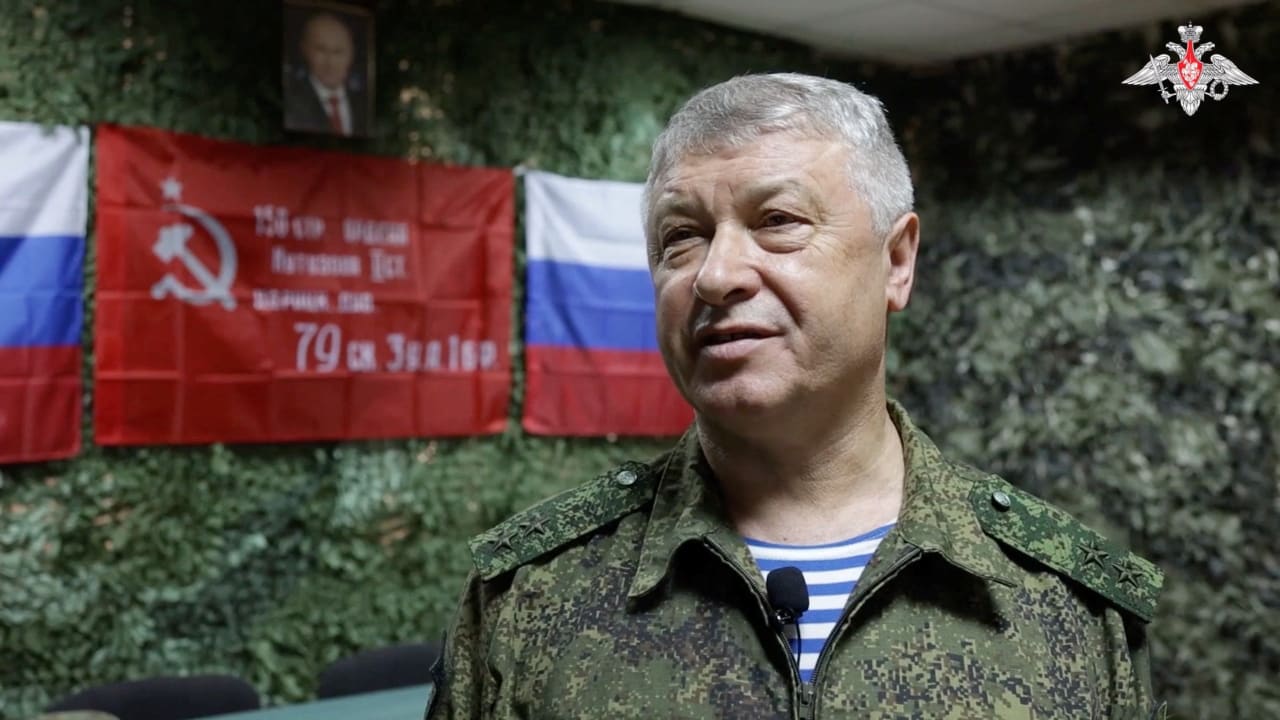
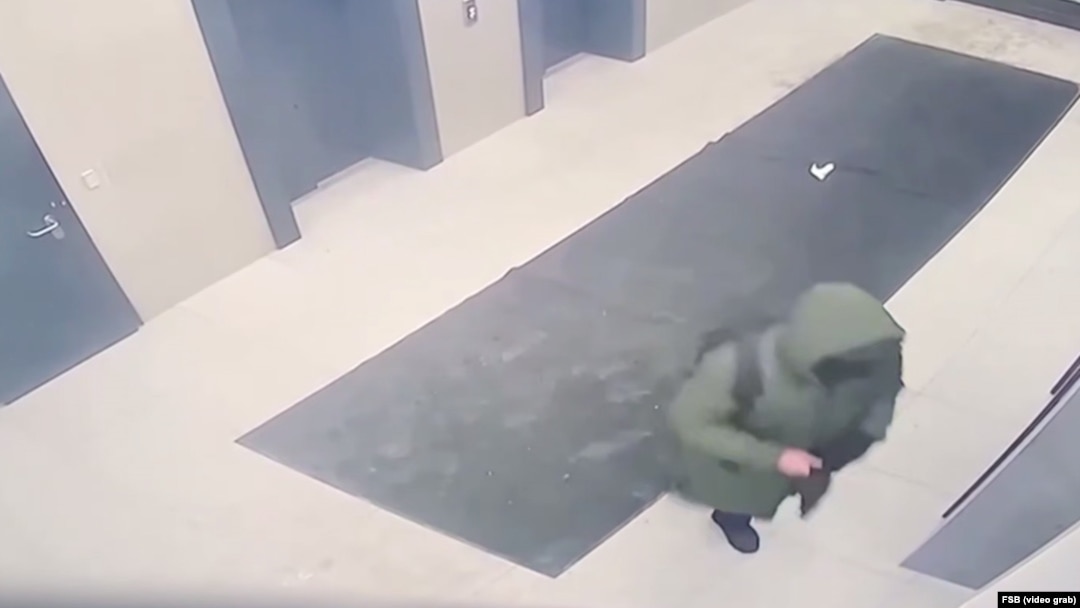
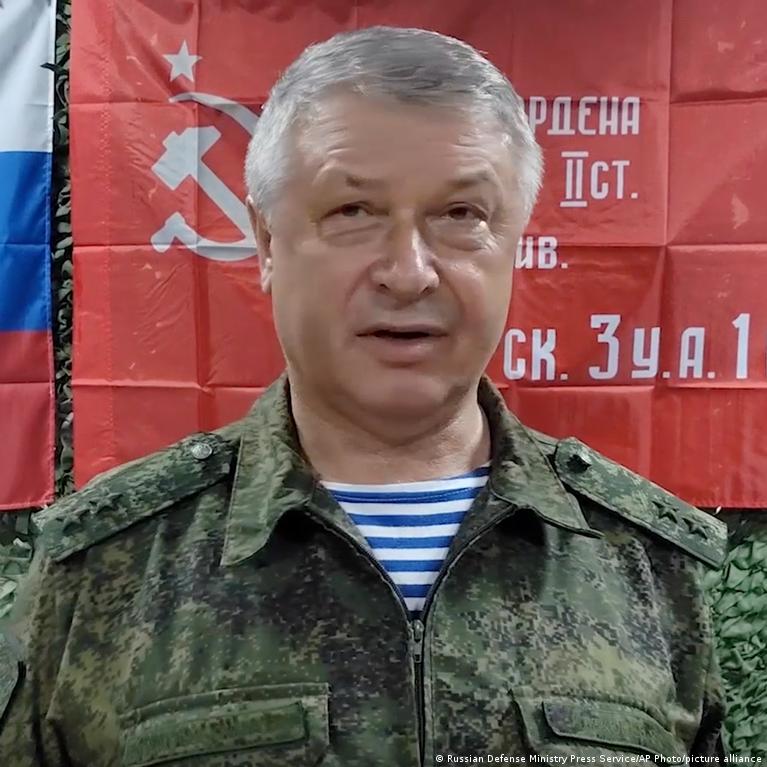
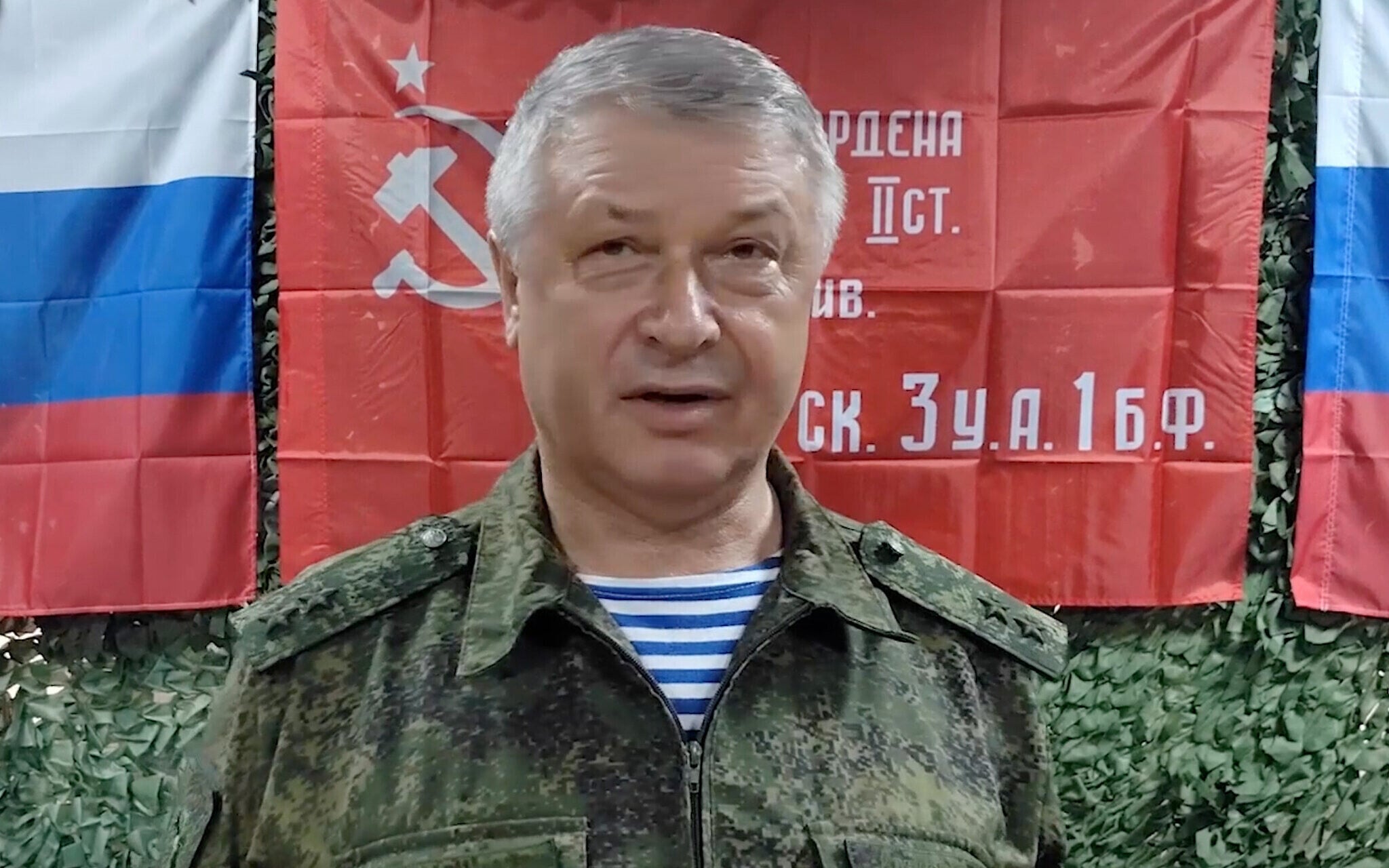
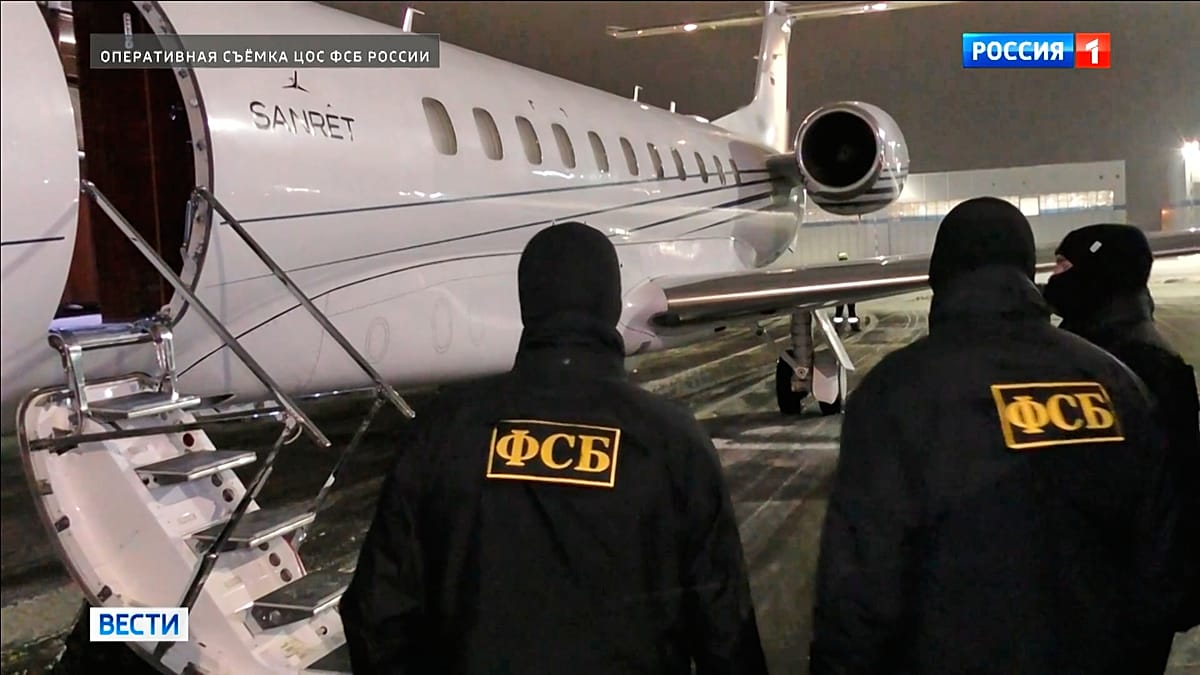
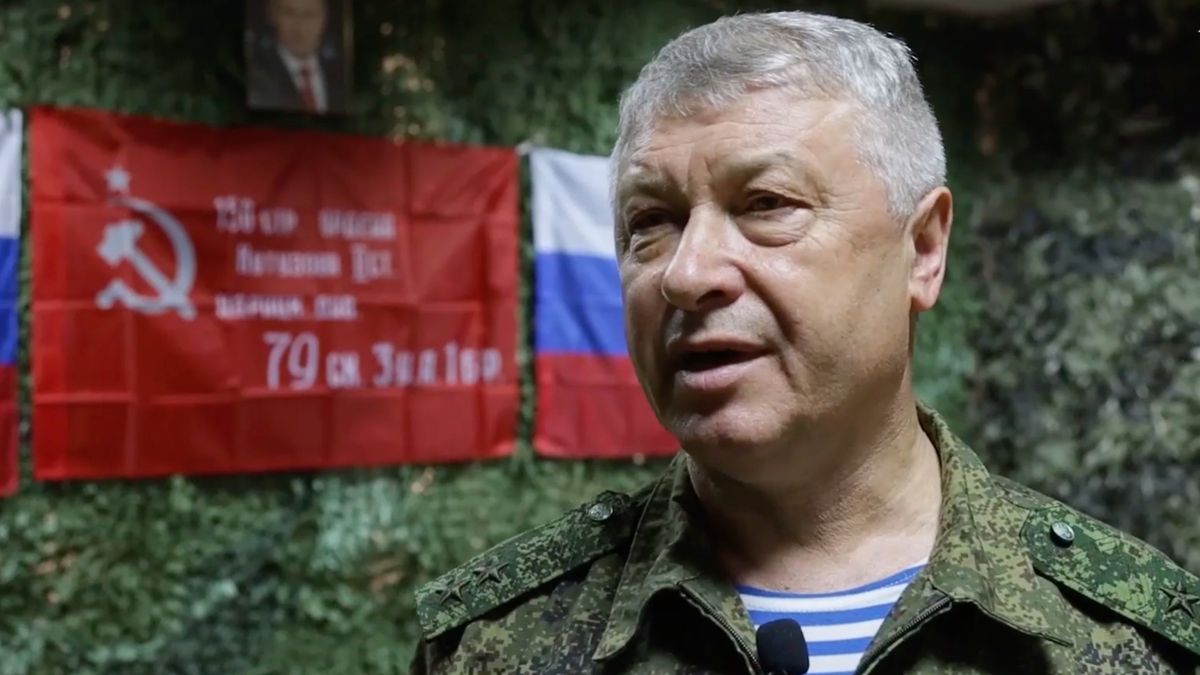
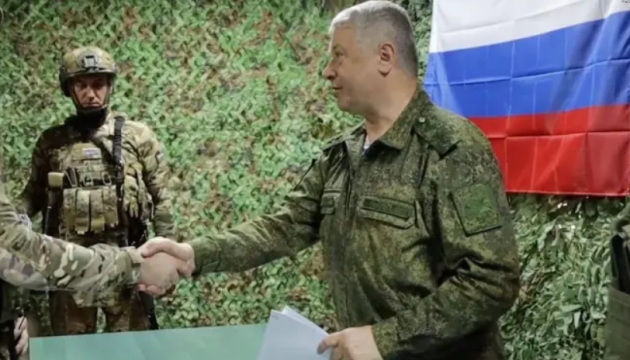
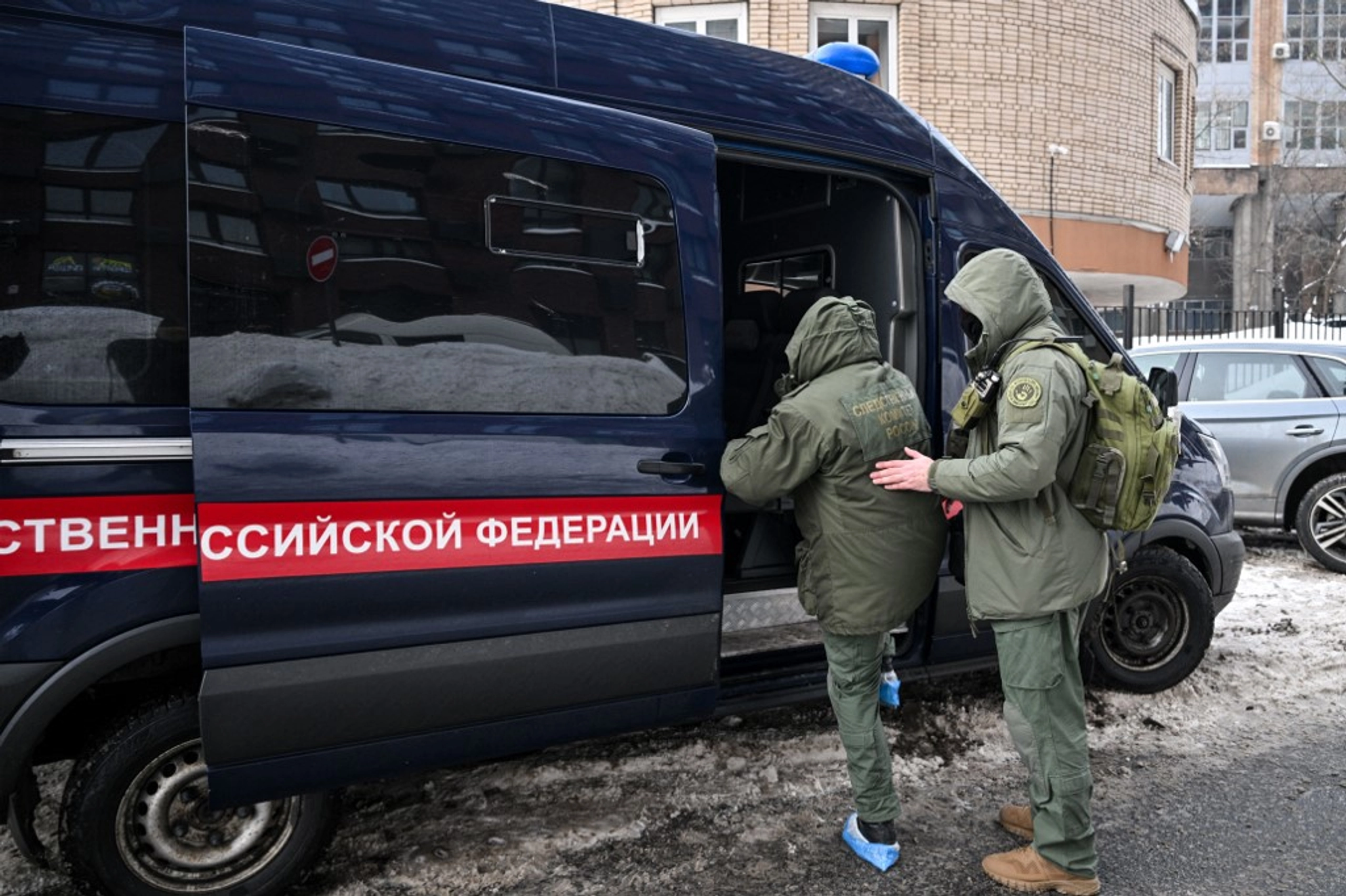
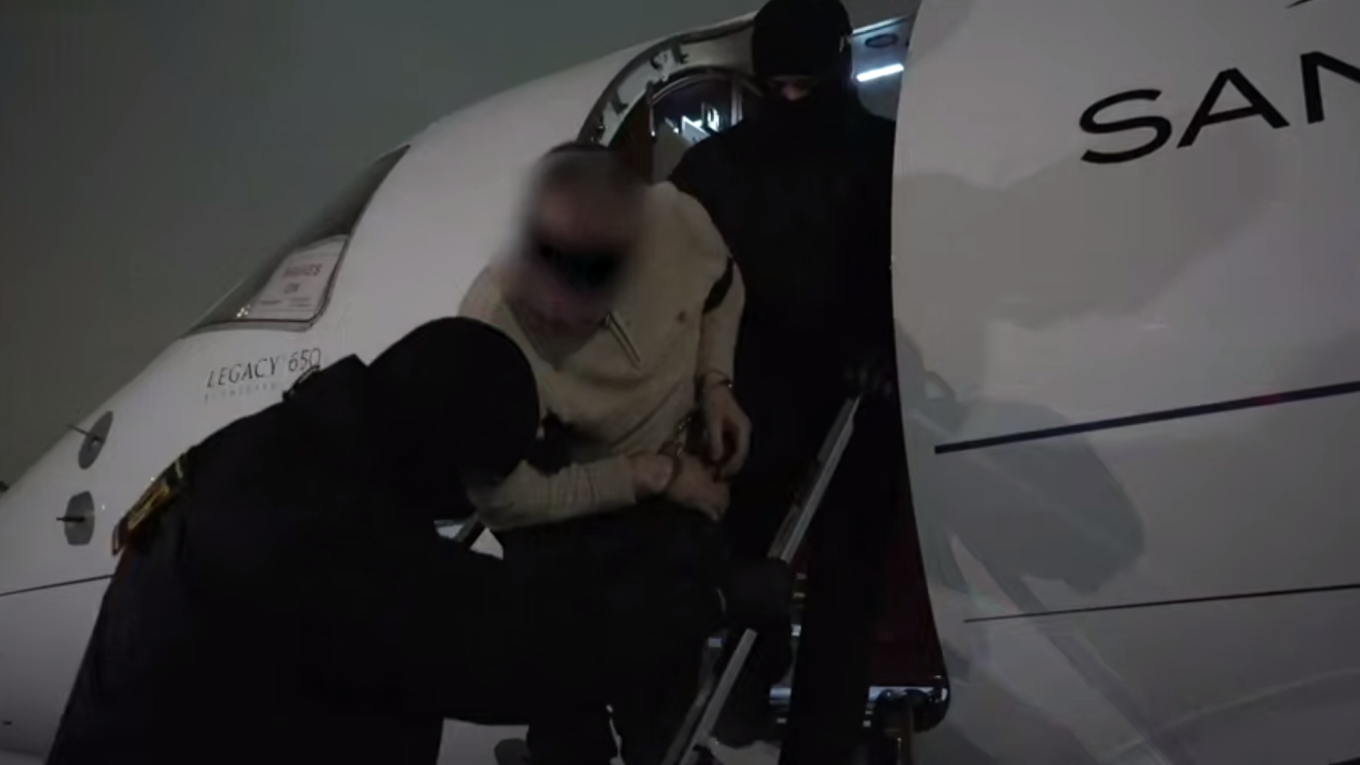
The February 2026 assassination attempt on Lt. Gen. Vladimir Alekseyev, deputy head of Russia's GRU military intelligence, represents a critical escalation in Russia-Ukraine tensions with direct implications for cross-border e-commerce sellers operating in Eastern European and Middle Eastern markets. According to reports, a suspect identified as Lyubomir Korba (born 1960 in Ukraine's Ternopil region) allegedly fled to Dubai after the shooting, where he was detained and extradited to Russia—highlighting the geopolitical instability affecting three key e-commerce hubs: Moscow, Kyiv, and the UAE.
Immediate Seller Impact: This incident occurs amid ongoing Russia-Ukraine peace negotiations, with Russian officials characterizing the attack as terrorism intended to disrupt talks. For e-commerce sellers, this signals heightened security risks affecting logistics corridors, payment processing, and inventory management in the region. Sellers shipping to Russian addresses face potential customs delays (currently 5-10 business days, potentially extending to 15-20 days during security crackdowns). Ukrainian sellers exporting goods face similar disruptions, with Ternopil region (mentioned as the suspect's origin) being a manufacturing hub for electronics and textiles. The incident follows a pattern of attacks on Russian military officials (December 2025 car bombing killing Lt. Gen. Fanil Sarvarov; April 2024 attack on Lt. Gen. Yaroslav Moskalik), indicating sustained instability rather than isolated events.
Payment & Compliance Risks: Russian merchants face compounding challenges: Lt. Gen. Alekseyev's involvement in cyber operations (for which he faces US sanctions) underscores Russia's broader sanctions environment. Sellers accepting payments from Russian buyers via Stripe, PayPal, or international payment processors face increased compliance scrutiny and potential transaction blocks. UAE-based fulfillment centers (mentioned as the suspect's detention location) may experience enhanced security protocols, affecting 3PL operations and shipping timelines. The extradition to Russia signals strengthened UAE-Russia cooperation, potentially affecting visa processing and business travel for sellers managing operations across these jurisdictions.
Strategic Considerations: Sellers with inventory in Russian warehouses should evaluate diversification to EU or Asian fulfillment networks within 30-60 days. Ukrainian sellers exporting goods should prioritize alternative payment methods (cryptocurrency, international wire transfers) given potential banking disruptions. The incident's timing during peace negotiations creates uncertainty: if talks collapse, expect 20-30% increases in shipping costs to Russia and potential import bans on certain categories (electronics, dual-use goods). Conversely, successful negotiations could open new market opportunities in post-conflict reconstruction sectors (building materials, industrial equipment, consumer goods).
問題 8
What product categories face the highest risk from Russia-Ukraine escalation?
Electronics, telecommunications equipment, and dual-use goods face the highest risk due to existing US/EU sanctions on Russian technology imports. Sellers in these categories should expect 30-50% longer customs clearance times and potential confiscation if items contain restricted components. Conversely, consumer staples (food, clothing, household goods) and reconstruction-focused products (building materials, tools, industrial equipment) face lower risk and may see increased demand if peace negotiations succeed. Sellers should shift portfolio allocation: reduce electronics/tech inventory in Russian warehouses by 50%, maintain or increase consumer staples by 20-30%, and develop contingency sourcing for reconstruction categories. Monitor US Commerce Department and EU sanctions lists weekly for category-specific restrictions.
How does this incident affect seller insurance and liability coverage for cross-border operations?
The pattern of attacks on Russian military officials (three major incidents since April 2024) indicates sustained instability that may trigger insurance policy reviews for sellers with Russian operations. Business interruption insurance and supply chain disruption coverage may increase 5-10% in premiums or face exclusions for conflict-related losses. Sellers should review their 3PL provider contracts for force majeure clauses and ensure adequate coverage for inventory held in Russian warehouses. Consider obtaining political risk insurance (typically 0.5-2% of insured value annually) if maintaining significant Russian inventory. Document all geopolitical risk assessments for tax purposes—potential losses from Russian operations may be tax-deductible if properly documented.