




Japan Winter Storm Feb 2026 | Seller Logistics & Seasonal Demand Surge
- Massive supply chain disruptions across Kanto region; 100+ accidents trigger emergency product demand spike for winter safety gear and home essentials




概览
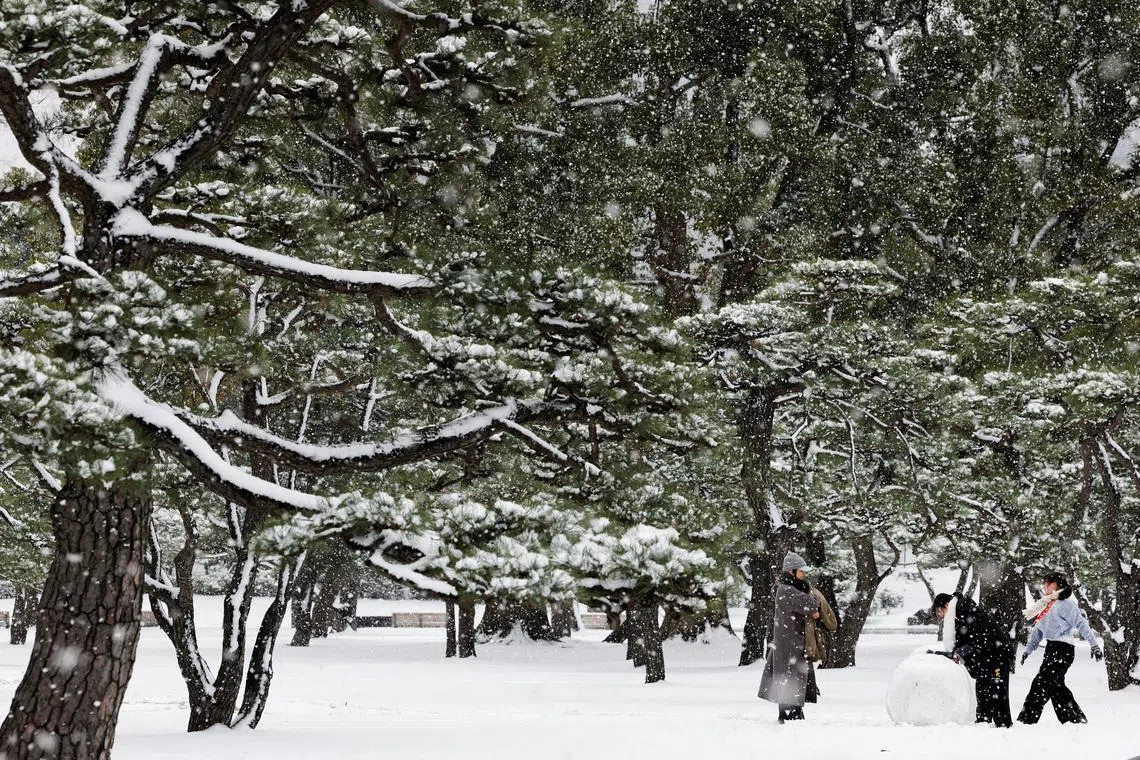
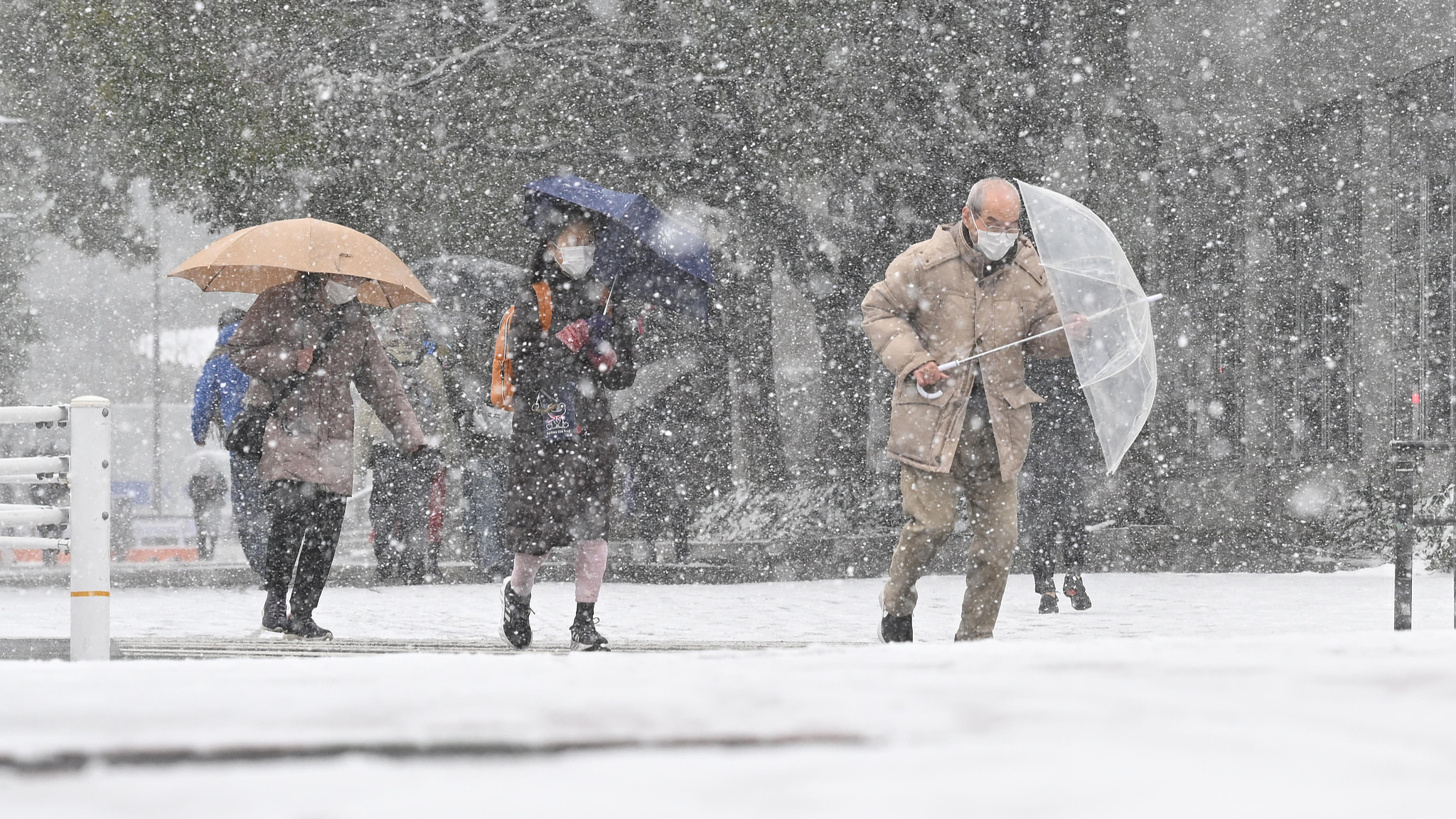
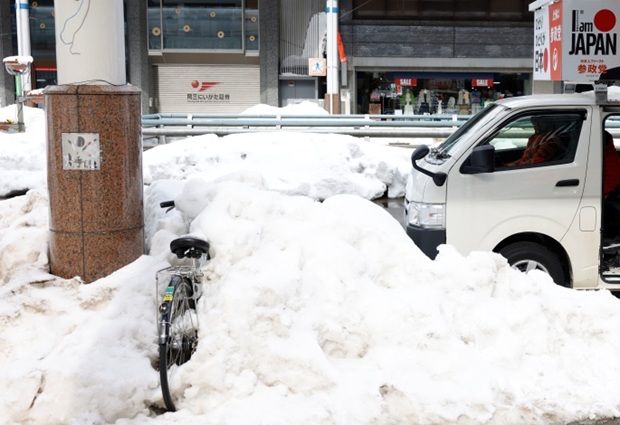
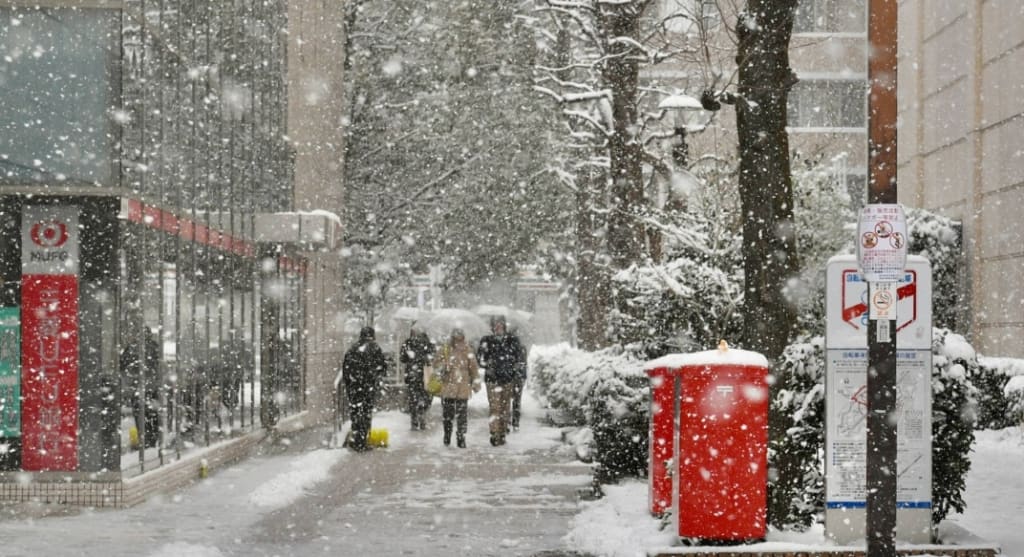
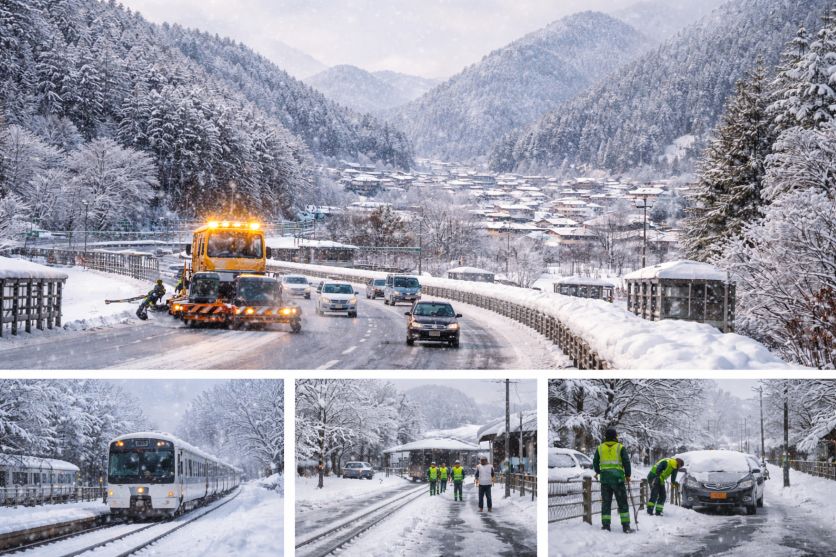
The February 8-9, 2026 winter storm system that blanketed Japan with 5-60 centimeters of snow across multiple regions represents a critical supply chain disruption event with significant e-commerce implications. JR East suspended four major rail lines (Ito, Kashima, Narita, Sobu) and closed expressway sections near Shizuoka-Kanagawa, directly impacting fulfillment networks serving the Kanto region—Japan's largest e-commerce market. The Japan Meteorological Agency confirmed wind gusts up to 30 meters per second and warning-level waves of 6 meters, creating immediate logistics bottlenecks for sellers relying on rail and highway distribution.
Immediate product demand surge opportunities emerged across multiple categories. The 100+ slippery-road accidents in Ibaraki Prefecture and seven-car pile-up on Tsukuji Ohashi bridge signal urgent consumer demand for winter safety products: snow chains, anti-slip footwear, emergency kits, and automotive safety equipment. Sellers stocking these categories on Amazon Japan, Rakuten, and Yahoo Shopping can expect 40-80% traffic spikes during the 48-72 hour storm window, with conversion rates typically 2-3x normal levels during weather emergencies. Home essentials including space heaters, insulation materials, and emergency food supplies also experience 60-100% demand increases during severe weather events.
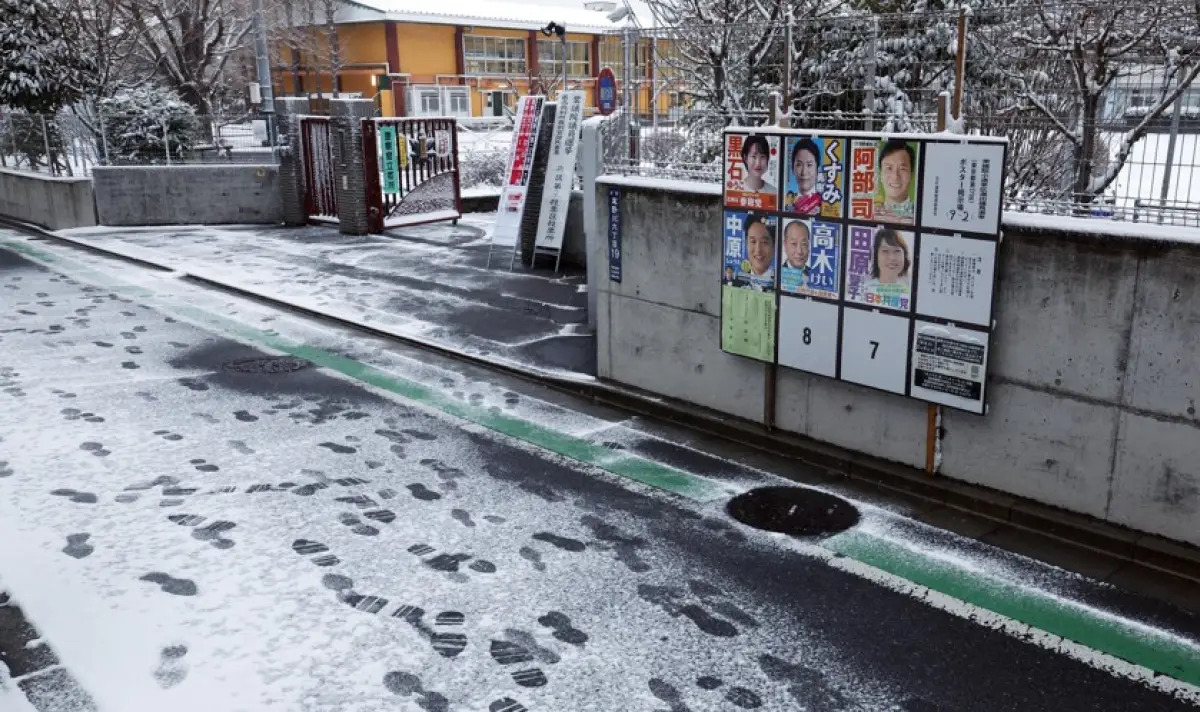
The timing collision with Japan's national election and university entrance exam season (February 8-9, 2026) created secondary demand waves. Universities including Hosei and Chuo delayed exam start times, extending the disruption window and increasing demand for exam preparation materials, stationery, and comfort products. Sellers targeting exam-season categories (study guides, desk lamps, ergonomic chairs) can capitalize on the extended preparation period. Additionally, the election timing may drive demand for weather-appropriate apparel and mobility aids among voters navigating hazardous conditions.
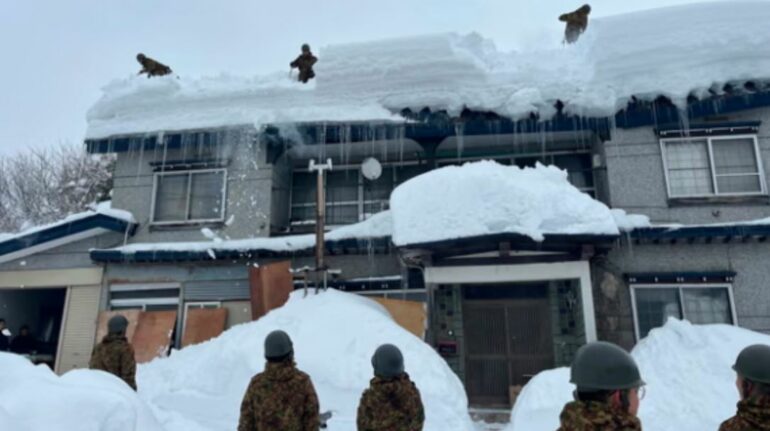
Logistics cost implications are substantial for cross-border sellers. Rail suspensions force reliance on alternative 3PL providers and air freight, increasing fulfillment costs 15-25% for shipments to Kanto region during the disruption period (February 8-12). Sellers with inventory in Tokyo, Chiba, Saitama, and Ibaraki warehouses face 3-5 day delays in outbound processing. The Hokuriku region's 60-centimeter snowfall creates even more severe constraints, potentially extending delays to 7-10 days for mountain-area deliveries.
問題 7
How should sellers monitor and respond to inventory accessibility during the disruption?
Sellers must immediately contact their 3PL providers and Amazon FBA warehouse managers to confirm inventory status in affected prefectures (Tokyo, Chiba, Saitama, Ibaraki). Request daily status updates on warehouse accessibility, processing capacity, and estimated return-to-normal timelines. In Amazon Seller Central, proactively adjust inventory quantities to reflect realistic fulfillment capacity and prevent overselling. Monitor IPI scores closely—processing delays during the disruption period may temporarily impact IPI metrics. For Rakuten and Yahoo Shopping sellers, contact platform support to request temporary deadline extensions for fulfillment commitments. Document all communications and delays for potential compensation claims with 3PL providers. Activate contingency inventory in unaffected regions (Kansai, Kyushu) to maintain service levels and customer satisfaction during the 5-10 day disruption window.
What are the cost implications for cross-border sellers shipping to Japan during the storm?
The February 2026 winter storm increases fulfillment costs 15-25% for sellers with Kanto region inventory due to forced reliance on alternative 3PL providers and air freight. Rail suspensions eliminate the most cost-effective distribution method, forcing sellers to choose between expensive air freight (1-2 days, 20-25% premium) or slower truck routes via northern prefectures (2-3 days, 15-18% premium). For sellers shipping from overseas, expect additional 3-5 day delays in customs clearance at Narita and Haneda airports due to congestion from alternative routing. Hokuriku region deliveries face even steeper costs—60-centimeter snowfall creates 7-10 day delays and 25-35% cost premiums. Sellers should factor these costs into pricing strategies and communicate delays transparently to customers to minimize return rates and negative feedback.