




Ukraine Conflict Escalation Disrupts Global Supply Chains | Cross-Border Sellers Face Logistics & Sourcing Risks
- February 2025 drone attacks on infrastructure threaten 3PL networks, manufacturing hubs, and payment processing in Eastern Europe affecting 15,000+ sellers




-81ccd0c5911e68a7a8d5f2fdf78e447c.png)









概览
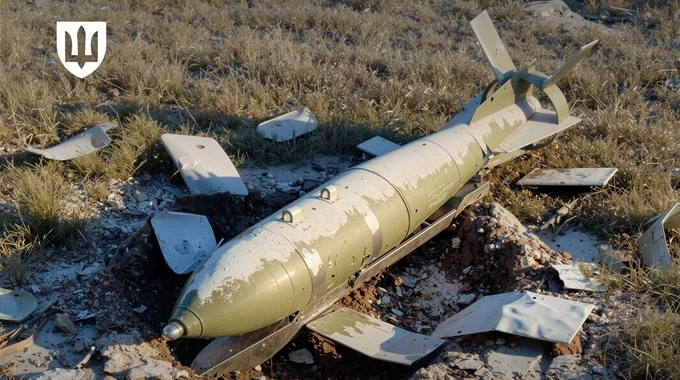
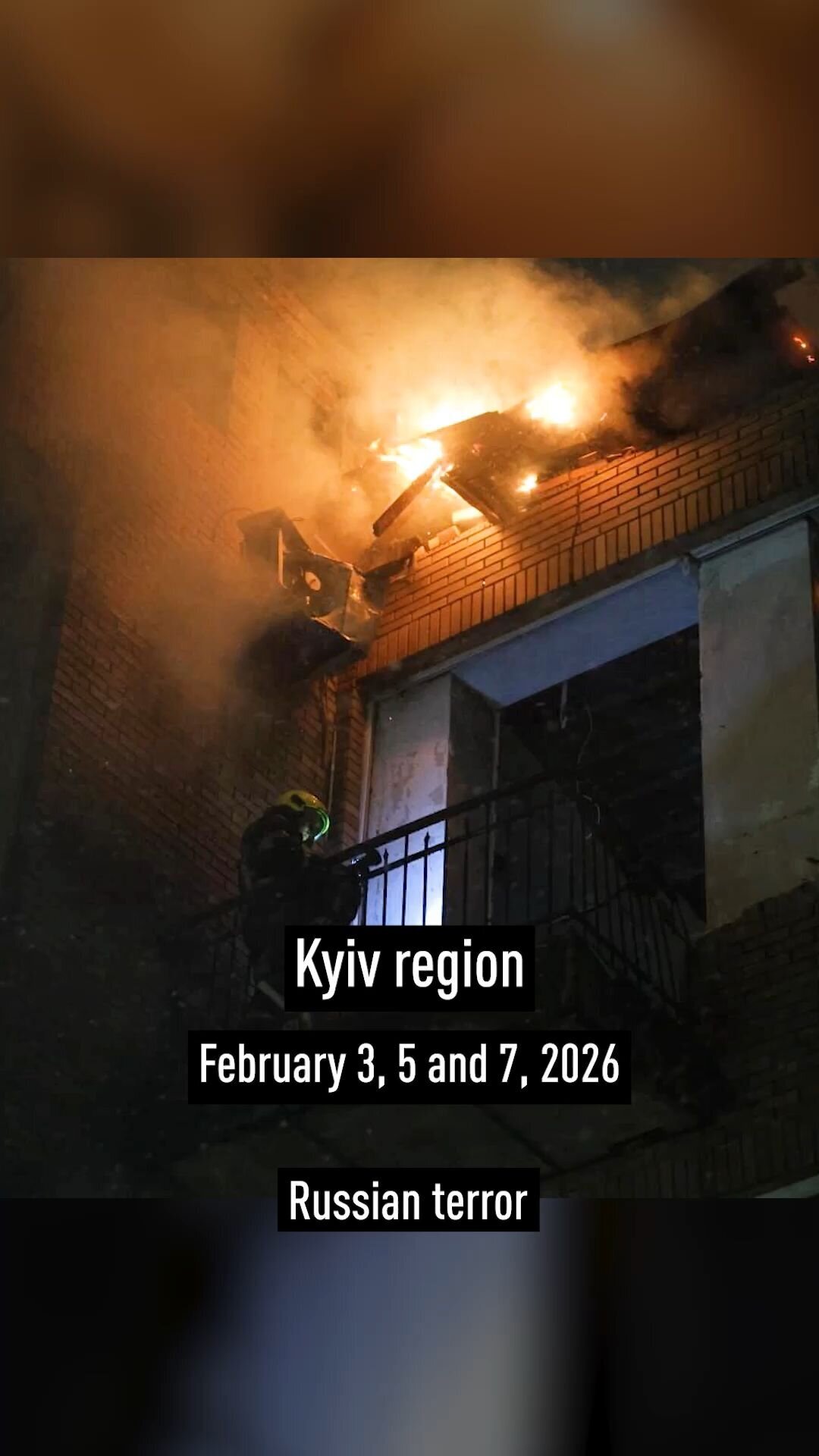
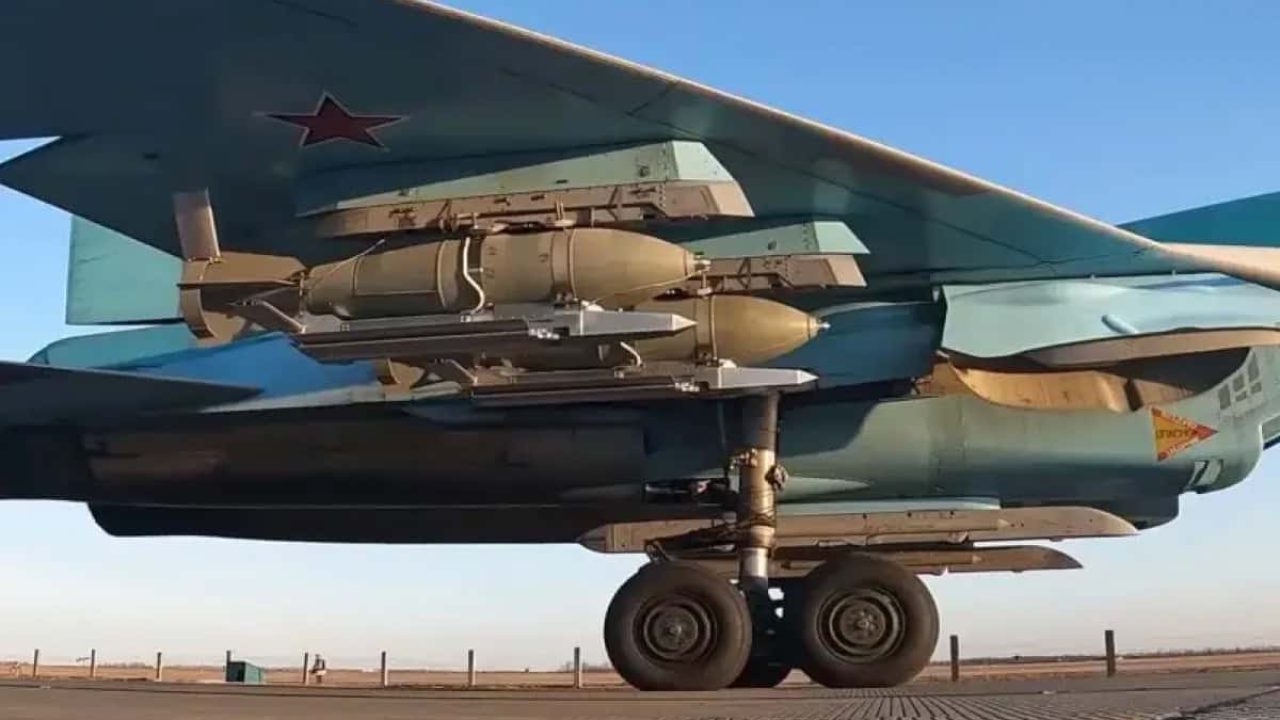
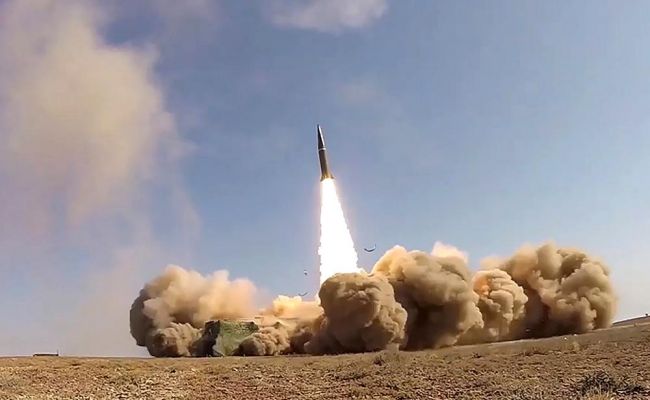
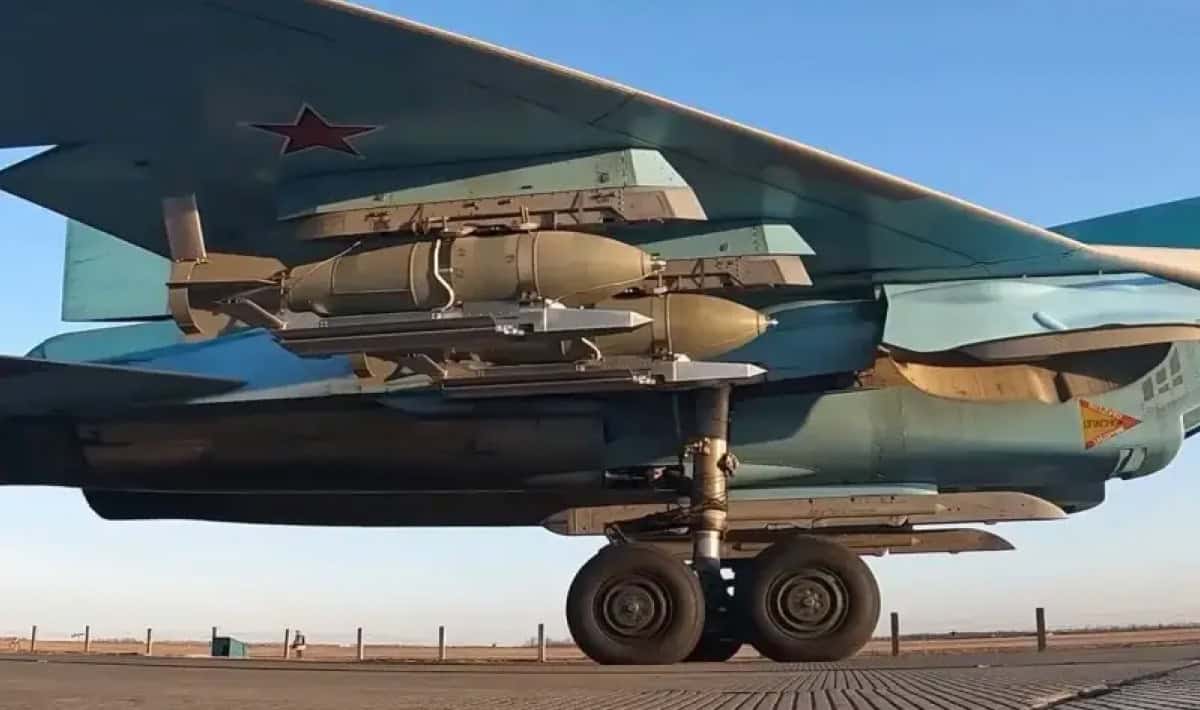
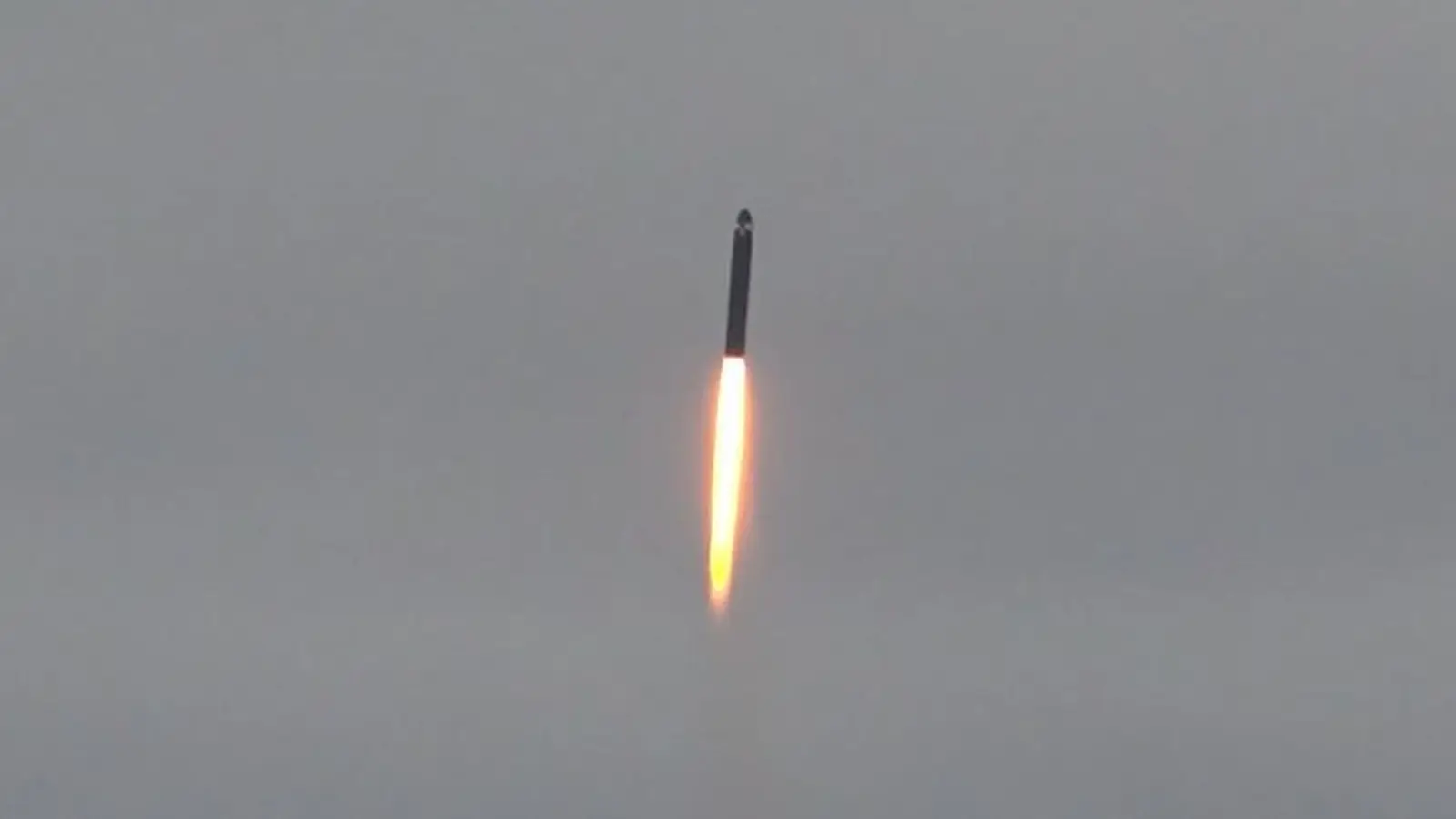
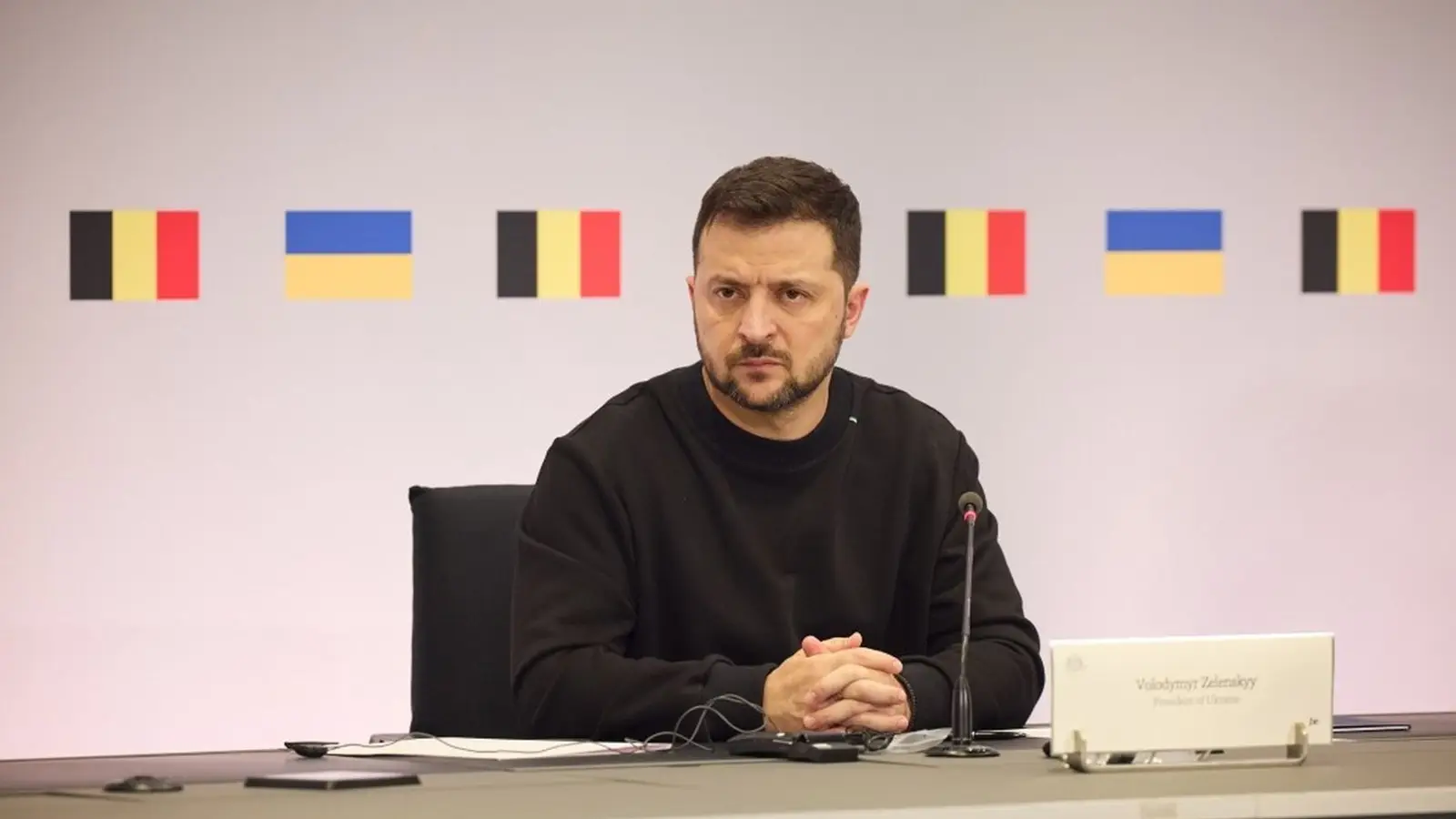
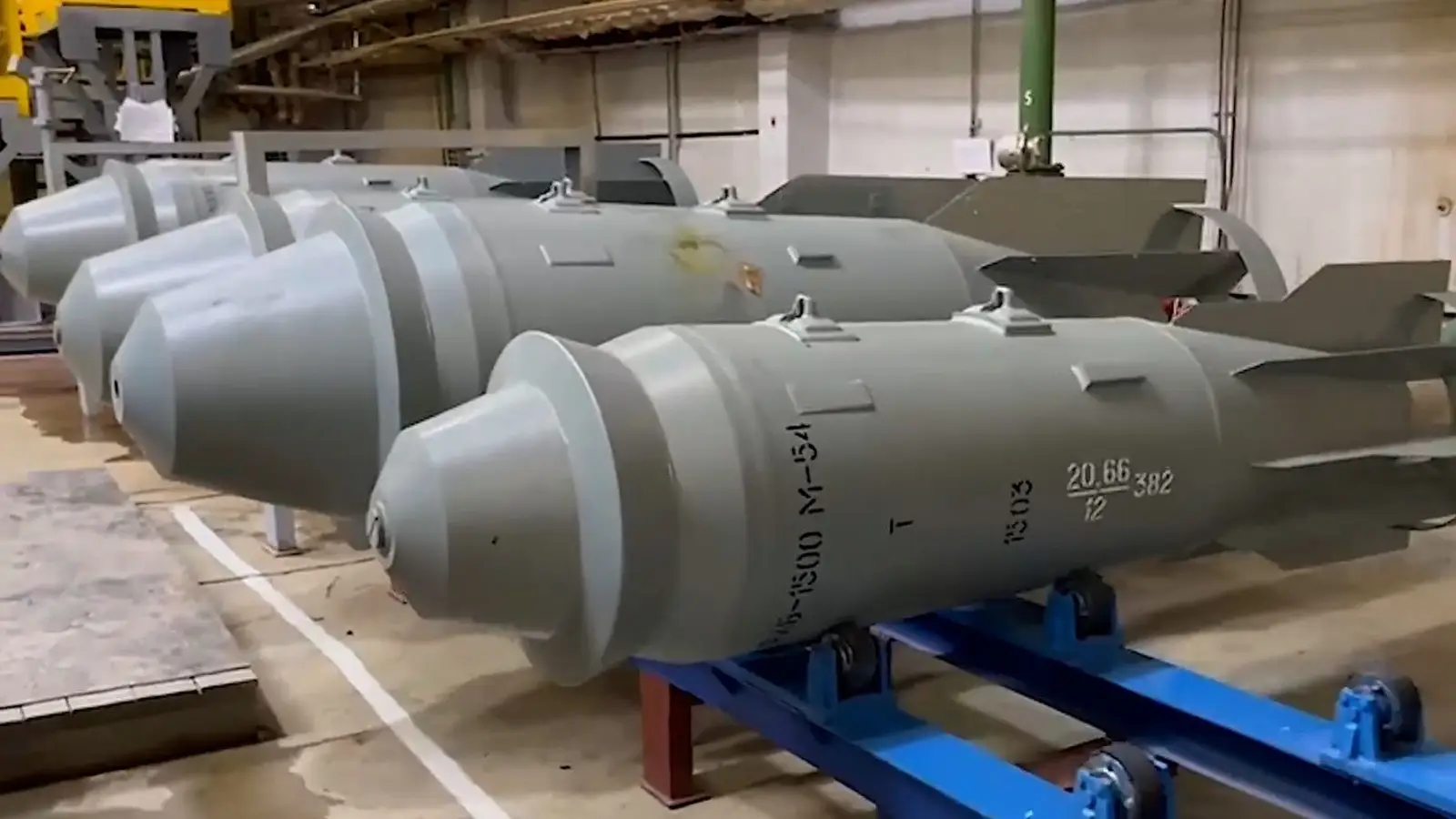
The intensifying Russia-Ukraine conflict in February 2025 presents critical supply chain and operational risks for cross-border e-commerce sellers, particularly those sourcing from or shipping through Eastern European logistics hubs. President Zelenskyy's announcement of 3,300+ munitions launched weekly—including 2,000 drones, 1,200 guided bombs, and 116 missiles—directly targets energy facilities, industrial infrastructure, and logistics networks that underpin regional commerce operations.
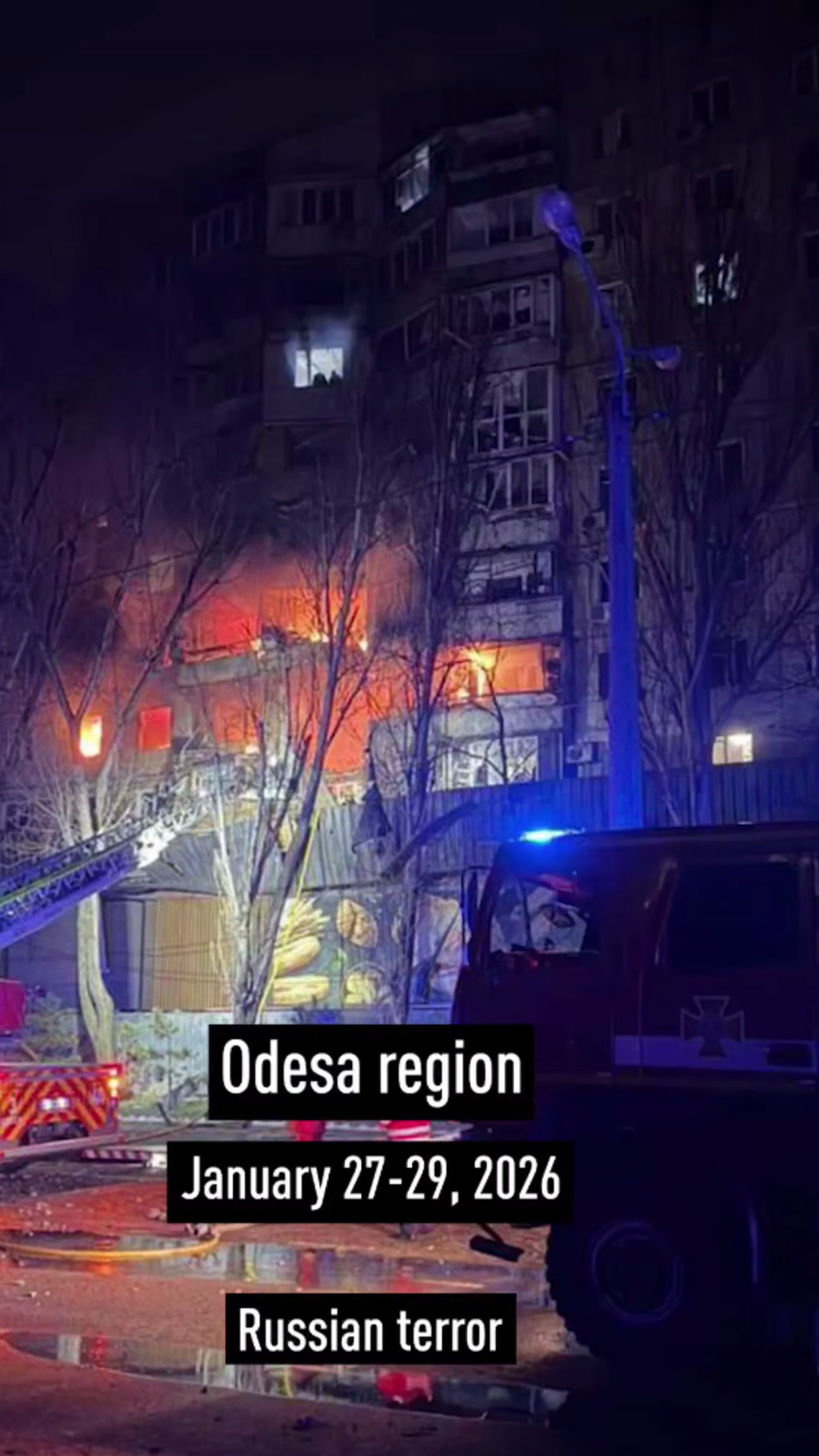
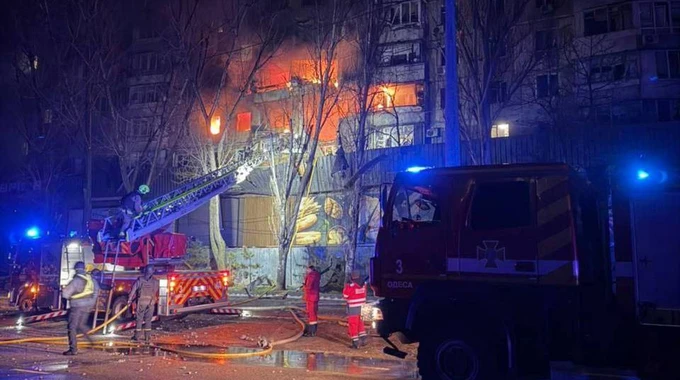
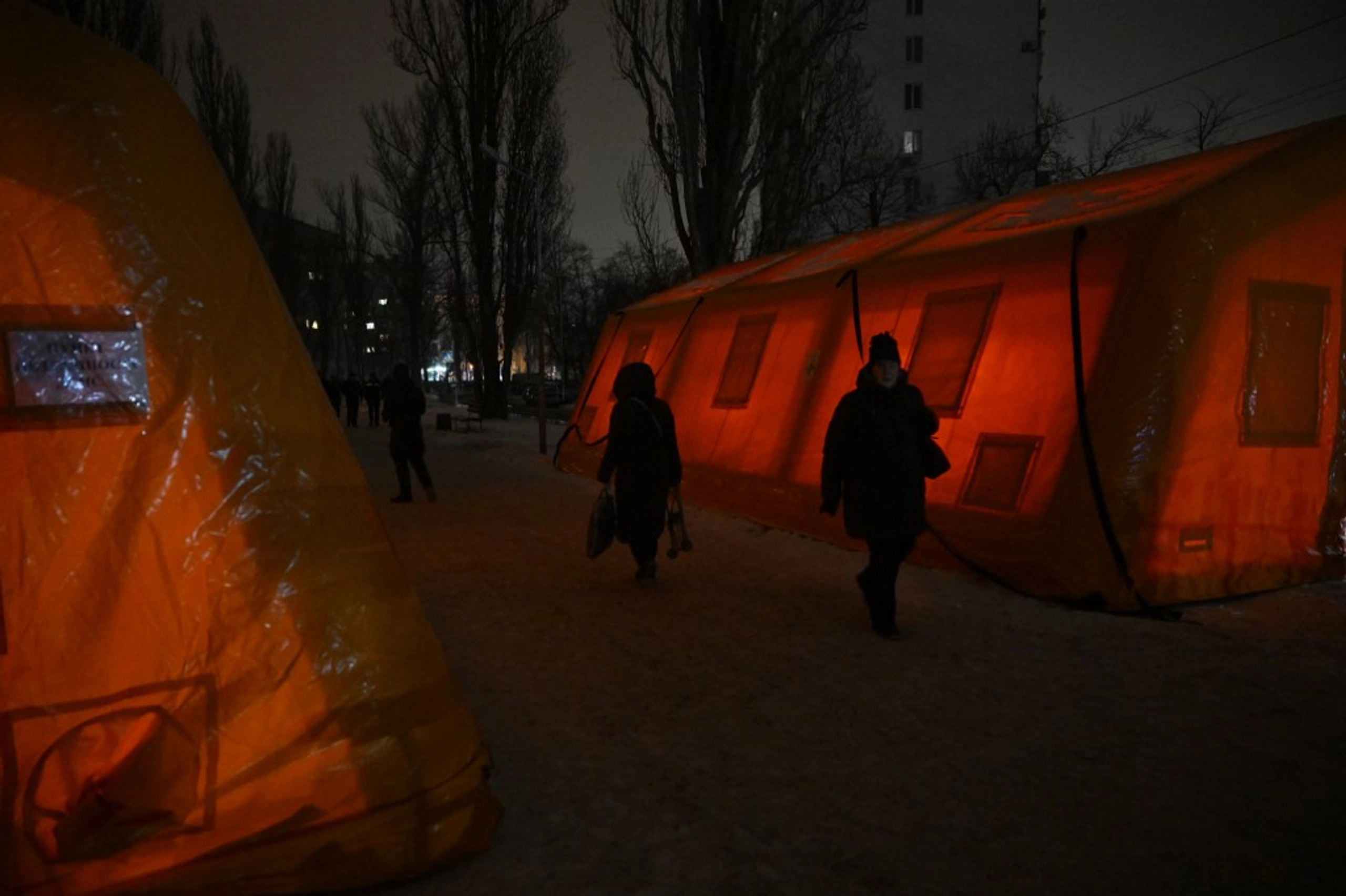
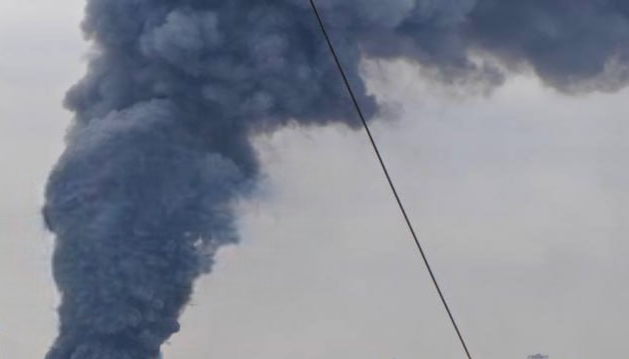
Supply Chain Vulnerability: The attacks on industrial facilities in Poltava, infrastructure in Odesa, and logistics hubs across Ukrainian territory create immediate fulfillment delays for sellers relying on 3PL providers operating in the region. Ukraine historically serves as a critical logistics corridor for European cross-border operations, with warehousing and fulfillment centers concentrated in major cities now under sustained aerial bombardment. Sellers shipping inventory through Ukrainian ports or utilizing local fulfillment networks face 2-4 week delays as energy infrastructure damage disrupts warehouse operations, cold chain logistics, and customs processing. The shift to 10-15 daily airstrikes (up from previous levels) indicates sustained operational disruption rather than isolated incidents.
Sourcing & Manufacturing Impact: Beyond logistics, the conflict threatens manufacturing capacity in Eastern Europe. Industrial facilities in Poltava and surrounding regions produce components for electronics, textiles, and machinery categories popular in cross-border e-commerce. Zelenskyy's February 8 sanctions targeting companies supplying Russian weapons production signal broader supply chain disruptions—foreign suppliers face regulatory pressure and reputational risk when operating in conflict zones. Sellers sourcing components from Ukrainian or Russian manufacturers must immediately diversify suppliers to Vietnam, India, or Southeast Asian alternatives, adding 15-25% to procurement costs and extending lead times by 4-8 weeks.
Payment & Currency Risk: The ongoing attacks on energy infrastructure create banking system vulnerabilities. Ukrainian payment processors and fintech platforms operating in conflict zones face operational disruptions, affecting sellers receiving payments from Eastern European customers or using regional payment gateways. Currency volatility in the Ukrainian hryvnia (historically 8-12% swings during conflict escalations) impacts pricing strategies for sellers with regional exposure. Additionally, international sanctions on Russian companies and foreign entities supporting weapons production create compliance risks—sellers must audit supply chains to ensure no indirect involvement with sanctioned entities, particularly in electronics and dual-use technology categories.
問題 8
How does the Ukraine conflict impact payment processing for cross-border sellers?
Ukrainian payment processors and fintech platforms face operational disruptions from energy infrastructure attacks, affecting sellers receiving payments from Eastern European customers or using regional payment gateways. The Ukrainian hryvnia experiences 8-12% currency volatility during conflict escalations, impacting pricing strategies and profit margins for sellers with regional exposure. Additionally, banking system vulnerabilities create settlement delays of 3-7 days for transactions processed through Ukrainian financial institutions. Sellers should diversify payment processors to Western European or US-based alternatives, implement dynamic pricing to hedge currency risk, and monitor hryvnia exchange rates daily to adjust regional pricing strategies. Consider reducing exposure to Ukrainian customer bases by 20-30% until infrastructure stabilizes.
What compliance risks do sellers face from international sanctions on Russian suppliers?
Zelenskyy's February 8 sanctions targeting companies supplying Russian weapons production create regulatory exposure for sellers with indirect supply chain connections to sanctioned entities. The US, EU, and UK maintain overlapping sanctions lists affecting electronics, dual-use technology, and manufacturing sectors—sellers sourcing from or through Russian intermediaries face penalties ranging from $250,000 to $2M+ per violation. Conduct immediate sanctions screening of all suppliers using OFAC (US), EU sanctions databases, and UK FCDO lists. Document compliance certifications and maintain audit trails for all sourcing decisions. Sellers in electronics, machinery, and industrial categories should prioritize supplier diversification away from Russian and Belarusian sources by March 2025 to eliminate compliance risk.