




UK-GCC Free Trade Deal 97.5% Complete | £16.6B Market Opportunity for Cross-Border Sellers
- Imminent UK-Saudi trade agreement signals tariff reduction and market access expansion for 50K+ British e-commerce sellers shipping to Gulf region









概览
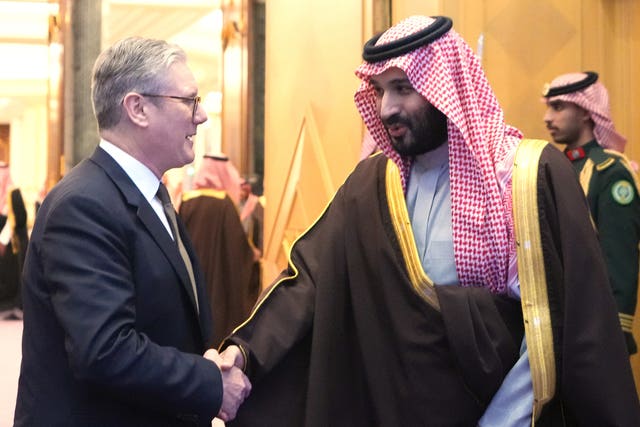
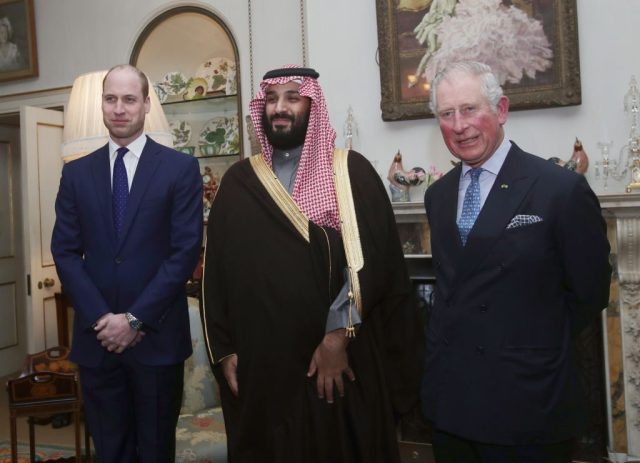
Prince William's diplomatic visit to Saudi Arabia marks a critical inflection point for cross-border e-commerce sellers operating between the UK and Gulf Cooperation Council (GCC) nations. The British government has advanced free trade agreement negotiations with the GCC—comprising Bahrain, Kuwait, Oman, Qatar, Saudi Arabia, and the UAE—to approximately 97.5% completion, as confirmed by Business and Trade Minister Chris Bryant in October. This imminent trade deal carries substantial implications for e-commerce logistics, tariff structures, and market access across a region representing £16.6 billion in current UK-Saudi bilateral trade (3% year-over-year growth).
For cross-border sellers, the FTA completion signals three critical opportunities: First, tariff reduction on consumer goods categories including electronics, apparel, home goods, and beauty products will lower landed costs by an estimated 5-15%, directly improving margins for sellers shipping from UK warehouses to Saudi Arabia and other GCC markets. Second, regulatory harmonization discussions—part of the broader Vision 2030 economic diversification initiative—suggest potential alignment of product standards, labeling requirements, and customs procedures, reducing compliance complexity and processing delays currently averaging 7-14 days at Gulf ports. Third, the diplomatic emphasis on investment ties and commercial partnerships indicates potential expansion of logistics infrastructure, including new free trade zones and e-commerce fulfillment hubs in Saudi Arabia and the UAE, creating opportunities for UK sellers to establish regional distribution networks.
The operational impact extends across seller segments: Small sellers (£100K-500K annual revenue) shipping 50-200 units monthly to Saudi Arabia could see 8-12% cost reductions per shipment once tariffs normalize; mid-market sellers (£500K-2M revenue) operating 3PL networks in the region may benefit from streamlined customs clearance reducing fulfillment times by 3-5 days; enterprise sellers with established Gulf operations could leverage improved trade frameworks to expand product categories and increase inventory velocity. The World Defense Show in Riyadh (where Prince William's visit occurred) and Vision 2030's emphasis on tourism and technology sectors signal emerging demand for British luxury goods, sporting equipment, tech accessories, and educational products—categories where UK sellers maintain competitive advantages.
Risk mitigation requires immediate action: While the FTA remains unsigned, sellers should monitor official announcements from the UK Department for Business and Trade and prepare tariff classification documentation for affected product categories. The 2034 FIFA World Cup hosting in Saudi Arabia creates a 9-year window for merchandise opportunities in sports collectibles, apparel, and fan merchandise—categories historically generating 40-60% sales spikes during major sporting events. Sellers should begin building inventory and marketing strategies now to capture early-mover advantages as Saudi Arabia's consumer spending accelerates under Vision 2030.
問題 8
Should I establish a regional distribution center in Saudi Arabia or the UAE?
The FTA completion and Vision 2030 investment emphasis suggest favorable conditions for regional logistics expansion, particularly in the UAE (which hosts established e-commerce infrastructure) and Saudi Arabia (where new free trade zones are developing). Mid-market sellers (£500K-2M revenue) operating 200+ monthly shipments could benefit from 3PL networks reducing fulfillment times by 3-5 days and lowering per-unit logistics costs by 8-12%. However, wait for official FTA tariff schedules and customs procedure updates before committing capital; these typically arrive 30-60 days post-signature. Consider pilot programs with existing 3PL providers in Dubai or Riyadh first.
How long will customs clearance take once the UK-GCC trade deal is finalized?
Current customs processing at Gulf ports averages 7-14 days; regulatory harmonization discussions suggest potential reductions of 3-5 days post-FTA. The diplomatic emphasis on investment ties and commercial partnerships indicates potential expansion of free trade zones and e-commerce fulfillment hubs in Saudi Arabia and the UAE. Sellers should expect improved processing times within 6-12 months of FTA signature as customs procedures align. Until then, maintain current 10-12 day processing buffers in your supply chain planning and monitor official announcements from UK and GCC customs authorities.