
AI Search Visibility Revolution | Sellers Must Optimize for Generative Engines
- oakpool.ai launches sentiment analysis dashboard February 2026; sellers now need AI optimization beyond traditional SEO to control brand narrative in AI-generated product answers
概览
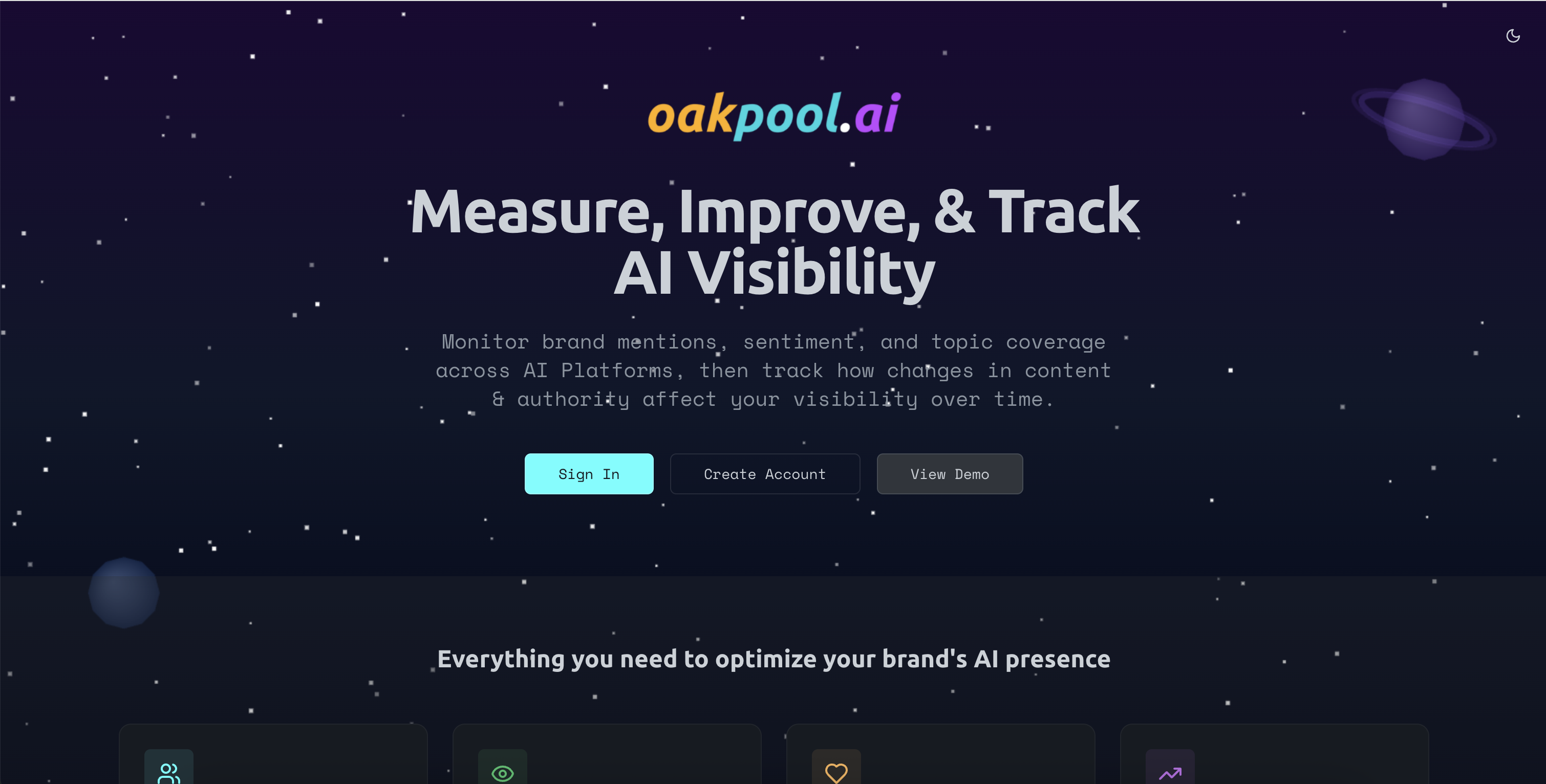
The marketing landscape fundamentally shifted on February 8, 2026, when oakpool.ai launched its AI Sentiment Analysis Engine and Client Visibility Dashboard, introducing the first comprehensive measurement tool for how generative AI systems characterize brands during product discovery. This represents a critical inflection point for e-commerce sellers: as AI answer engines increasingly replace traditional search results for product research, brands must now actively manage how language models describe and position them in response to customer queries.
The operational shift is immediate and substantial. The oakpool.ai platform analyzes tone, confidence, and narrative framing across leading language models, converting AI-generated brand mentions into structured sentiment signals. The Client Dashboard provides unified performance tracking across AI search platforms, monitoring visibility across prompt sets, sentiment trends, model-level response patterns, and competitive positioning. For sellers, this creates a new optimization requirement beyond traditional SEO: understanding and influencing how AI systems frame product narratives. The platform's "human-in-the-loop AI" philosophy combines AI analysis, workflow automation, and human expertise—indicating this is not a self-service tool but requires professional implementation and ongoing management, likely representing $5,000-15,000+ monthly investment for serious brands.
The competitive implications are severe. Sellers who fail to optimize for AI search visibility risk negative narrative framing in AI-generated answers—the primary discovery channel for product research. The sentiment analysis capability allows sellers to detect narrative risks (competitor positioning, negative product characterizations), benchmark positioning against competitors, and measure perception changes across AI-generated answers in real-time. This creates a new marketing cost structure: brands must now budget for both traditional SEO (Google, Amazon search) AND AI search optimization (ChatGPT, Claude, Perplexity, Google's AI Overviews). The service combines software tools with specialist delivery, requiring brands to understand entity signals, technical markup, citation development, and content optimization specifically for AI model training and response generation.
For e-commerce sellers, the immediate impact is clear: product categories with high AI search volume (electronics, home goods, health/beauty, fashion) will see the fastest adoption of AI optimization services. Sellers in competitive categories must now monitor how AI systems describe their products, detect when AI models generate negative or inaccurate brand narratives, and implement optimization strategies to influence AI-generated positioning. This represents a fundamental shift from optimizing for algorithm visibility (Amazon A9, Google Shopping) to optimizing for AI model comprehension and favorable narrative generation.
問題 8
How does AI search optimization differ from traditional SEO for e-commerce sellers?
Traditional SEO optimizes for algorithm visibility on Google, Amazon, and eBay search results through keywords, backlinks, and on-page factors. AI search optimization requires sellers to understand how language models interpret and describe products, focusing on entity signals, structured data, citation development, and narrative framing. oakpool.ai's platform monitors visibility across prompt sets and model-level response patterns—meaning sellers must optimize for how different AI systems (GPT-4, Claude, Gemini) generate answers to product queries. This creates dual optimization requirements: sellers must maintain traditional search rankings while simultaneously managing AI-generated brand narratives, effectively doubling marketing complexity.
What is AI sentiment analysis and why do e-commerce sellers need it now?
AI sentiment analysis measures how generative language models characterize and describe brands in AI-generated product answers. As AI answer engines (ChatGPT, Claude, Perplexity, Google AI Overviews) become primary discovery channels for product research, sellers must monitor and optimize how these systems frame their products. oakpool.ai's February 2026 launch addresses this critical gap by providing real-time sentiment tracking across multiple AI platforms, allowing sellers to detect negative narratives, benchmark competitive positioning, and measure perception changes. For sellers in competitive categories (electronics, home goods, fashion), this represents a new $5,000-15,000+ monthly marketing cost to maintain favorable AI-generated brand positioning.