




Nexstar-Tegna Merger Approval Signals Permissive Antitrust Era | Seller Implications
- FCC-backed consolidation of 265 TV stations across 44 states reshapes advertising markets for regional e-commerce sellers; regulatory shift favors platform mergers affecting marketplace competition dynamics
















概览
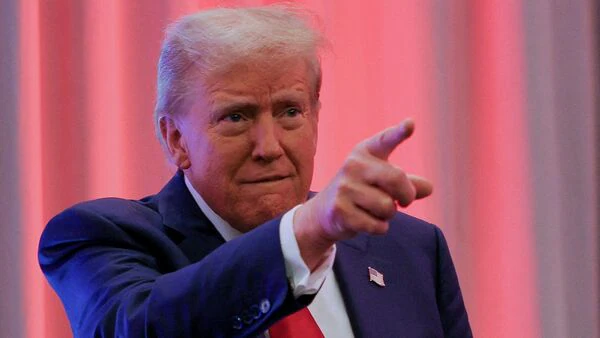
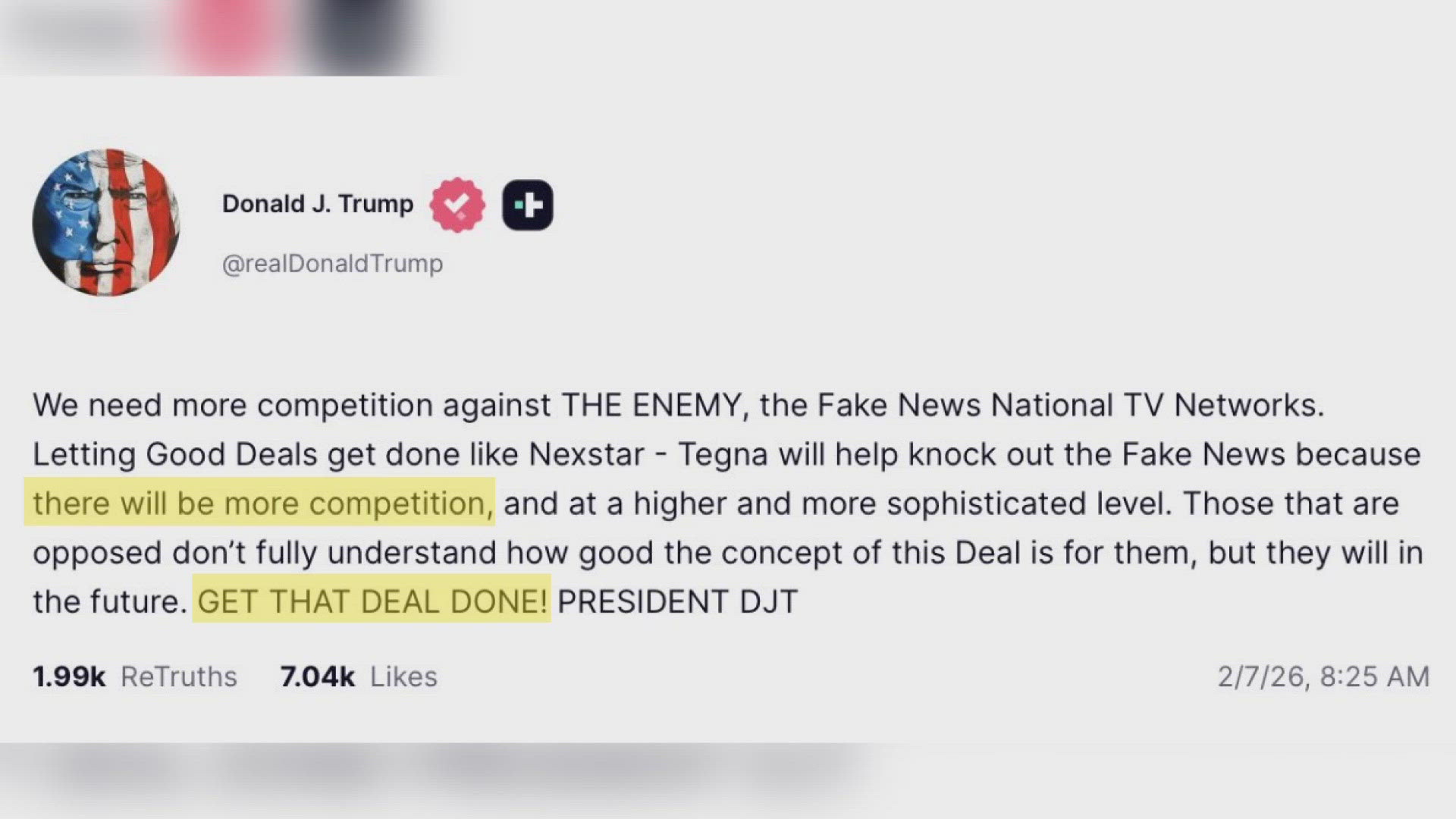
The Nexstar-Tegna merger represents a watershed moment in U.S. regulatory philosophy toward corporate consolidation, with direct implications for e-commerce platform consolidation and advertising market accessibility. Announced in August 2024, the definitive merger agreement creates a broadcasting powerhouse controlling 80% of U.S. TV households through 265 local TV stations across 44 states and Washington D.C., commanding 132 of the nation's 210 television Designated Market Areas (DMAs). President Trump's February 2026 endorsement—reversing his autumn 2025 skepticism—combined with FCC Chairman Brendan Carr's explicit support ("Let's get it done") signals regulatory bodies are becoming increasingly permissive toward strategic consolidations that enhance competition rather than restrict it.
For e-commerce sellers, this regulatory shift carries three critical implications. First, advertising market consolidation directly impacts seller acquisition costs. The merged entity's control of 80% of U.S. TV household reach creates a consolidated media buyer with unprecedented negotiating power. Regional e-commerce sellers targeting specific DMAs through local television advertising will face consolidated rate structures rather than fragmented pricing. Sellers currently leveraging local TV campaigns in the 44-state footprint should expect 5-15% rate increases as Nexstar consolidates inventory and standardizes pricing across markets. Second, the regulatory environment now favors platform consolidation, suggesting Amazon, eBay, and Shopify merger activities will face reduced antitrust scrutiny. This creates both opportunity and risk: consolidation may reduce seller choice among platforms while potentially enabling larger platforms to invest in seller tools and logistics infrastructure. Third, the shift in antitrust philosophy from blocking consolidations to approving them based on "competition at scale" arguments establishes a precedent for e-commerce platform mergers. Sellers should anticipate increased M&A activity among marketplace operators, fulfillment networks, and advertising platforms throughout 2026-2027.
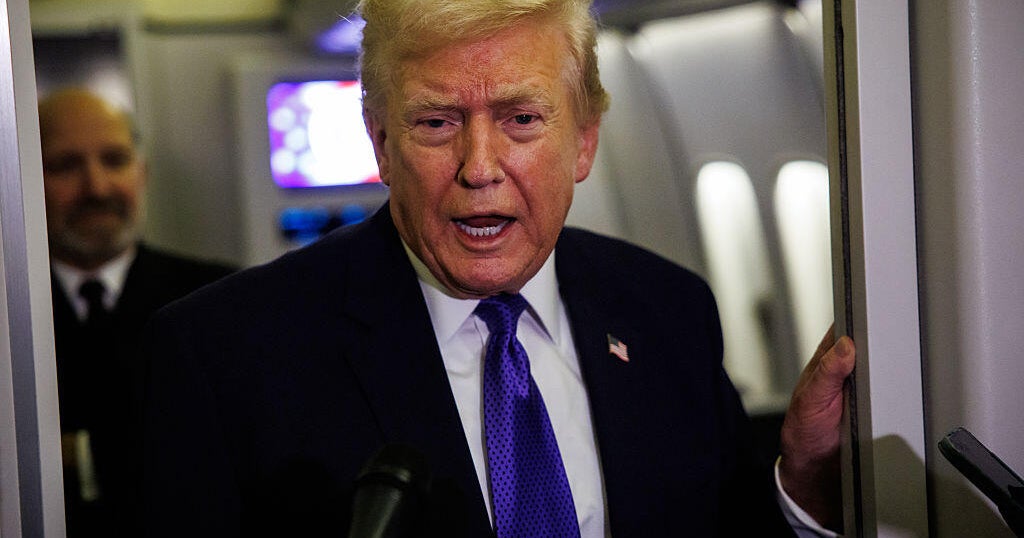
The timing and political alignment matter significantly. Trump's reversal from skepticism to endorsement, coupled with FCC Chair Carr's enthusiastic support, demonstrates how political leadership changes rapidly alter regulatory environments affecting digital business ecosystems. Nexstar CEO Perry Sook's November statement emphasizing that consolidation provides "necessary scale for local journalism to survive amid Big Tech and legacy media dominance" mirrors arguments that will likely justify future e-commerce platform consolidations. The regulatory precedent established here—that consolidation creates competitive advantages benefiting consumers through improved service quality—will be cited in future marketplace merger reviews. For sellers, this indicates a 12-18 month window where platform consolidation activity will accelerate, potentially reshaping competitive dynamics across Amazon, eBay, Shopify, and emerging marketplaces.
問題 8
How does the shift in antitrust philosophy affect cross-border e-commerce sellers?
The regulatory shift toward approving consolidations based on 'scale advantages' will accelerate platform consolidation, potentially reducing cross-border seller options. Consolidation typically leads to standardized fee structures, reduced seller support, and increased compliance requirements. Cross-border sellers should expect 2-3 major marketplace consolidations in 2026-2027, with post-consolidation fee increases of 5-10% within 12 months. Sellers should diversify across multiple platforms immediately: maintain presence on Amazon, eBay, Shopify, and Walmart Marketplace. Monitor platform announcements for acquisition activity and prepare contingency plans for fee increases. The regulatory environment now favors large platforms, making early diversification critical for sellers dependent on single platforms.
What regulatory precedent does the Nexstar-Tegna approval set for marketplace consolidation?
The FCC approval establishes that consolidations creating 'scale advantages' and 'improved service quality' will be approved despite reducing market participants. This precedent will be cited in future Amazon, eBay, and Shopify merger reviews. The approval suggests antitrust enforcement has shifted from blocking consolidations to approving them based on competitive benefits arguments. Sellers should expect 3-5 major marketplace consolidations in 2026-2027. This creates regulatory risk: post-consolidation fee increases are likely, and seller choice decreases. Sellers should diversify across multiple platforms (Amazon, eBay, Shopify, Walmart Marketplace) before consolidation reduces options. Monitor FTC and DOJ merger announcements for early warning of platform consolidation activity.