
Memory Crisis 2026 | Strategic Sourcing Shift for Electronics Sellers
- 150% memory price surge creates $100-300/unit cost pressure; long-term contracts now critical for competitive positioning
概览
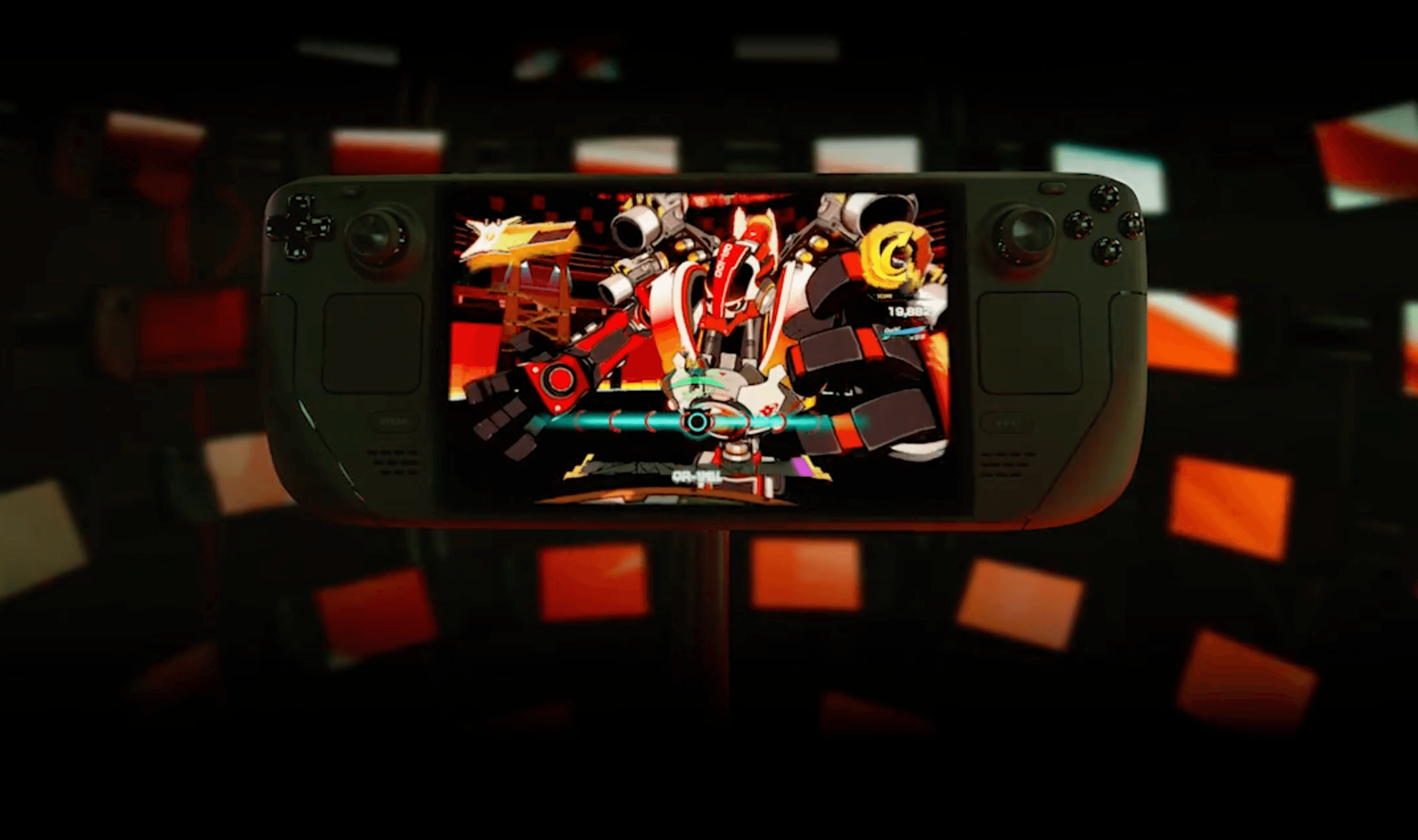
The 2026 "RAMpocalypse" represents a critical supply chain inflection point for electronics sellers, with DDR5 memory prices surging 150% since 2023 ($50→$200 per kit) and Q1 2026 alone seeing 90% quarterly increases. This shortage fundamentally reshapes procurement strategy for any seller sourcing PC components, gaming hardware, or memory-dependent electronics. The core logistics opportunity lies in understanding Valve's long-term procurement advantage: the company locked in 2023 pricing through supplier contracts, enabling Steam Deck to maintain $549 pricing while competitors (ASUS ROG Ally 7 at $649, Lenovo Legion Go S at $649) face margin compression. For cross-border sellers, this signals an urgent need to shift sourcing strategies.
Immediate inventory implications: Sellers currently holding DDR5 RAM, gaming laptops, or PC components face 2-3x cost increases on replacement stock. Data center demand is consuming available memory supply, creating a two-tier market: (1) legacy stock at 2023-2024 pricing (increasingly scarce), and (2) new inventory at inflated 2026 rates. Sellers should immediately audit warehouse inventory of memory-dependent products—gaming laptops, pre-built PCs, high-end tablets with LPDDR5x—and consider liquidating slower-moving SKUs before Q2 2026 to avoid holding costs on depreciating inventory. Conversely, stock-up opportunities exist for all-in-one devices (Steam Deck OLED, Nintendo Switch, iPad) that lock in component costs through manufacturer contracts, as these maintain price stability while custom PC builds face margin erosion.
Sourcing geography shifts dramatically: Sellers should evaluate shifting PC component sourcing from standard ODM channels to manufacturers with long-term memory contracts (Valve's model). For gaming handhelds and integrated devices, prioritize suppliers in Taiwan and South Korea (TSMC, Samsung) who maintain strategic memory reserves. Avoid sourcing custom PC builds or memory-heavy laptops from emerging suppliers lacking contract protections. Warehouse positioning strategy: Concentrate inventory of memory-dependent products in US fulfillment centers (FBA or 3PL) through Q2 2026, as shipping costs for heavy PC components ($15-25/kg via ocean freight) combined with volatile landed costs make domestic positioning critical. For sellers in EU/Asia Pacific, consider dropshipping models for PC components rather than holding inventory, reducing exposure to price volatility. Memory manufacturers anticipate gradual stabilization through H2 2026, suggesting a 6-month window for strategic repositioning before market normalization.
問題 8
What is the optimal warehouse strategy for electronics sellers during the memory crisis?
Concentrate memory-dependent inventory in US fulfillment centers (Amazon FBA or 3PL) through Q2 2026, as ocean freight costs ($15-25/kg for PC components) combined with volatile landed costs make domestic positioning critical for margin protection. For EU and Asia Pacific sellers, consider dropshipping models for PC components rather than holding inventory, reducing exposure to price volatility and storage fees. Integrated gaming devices (Steam Deck, Switch) should be positioned in regional fulfillment centers (US, EU, Asia) to capture demand from consumers avoiding PC component costs. Memory manufacturers anticipate gradual stabilization through H2 2026, suggesting a 6-month repositioning window. Evaluate 3PL providers offering flexible storage terms to avoid long-term commitments on volatile inventory.
Should sellers stock up on gaming handhelds or liquidate PC component inventory?
Pursue a dual strategy: liquidate PC component inventory (DDR5 RAM, gaming laptops, custom PC builds) through Q1-Q2 2026 to avoid holding costs on inflated-price stock, while strategically stocking integrated gaming devices (Steam Deck OLED, Nintendo Switch, iPad) that lock in component costs through manufacturer contracts. Gaming handhelds maintain price stability because manufacturers absorb memory costs through long-term agreements, making them lower-risk inventory. For PC components, the cost structure is inverted—new stock costs 2-3x more than legacy inventory, creating a liquidation window. Recommend auditing inventory by January 15, 2026, categorizing by memory dependency, and executing clearance campaigns for high-memory products before Q2.