




Ukraine Sanctions Disrupt Global Supply Chains | Critical Compliance Risk for Cross-Border Sellers
- February 8-9 decrees target 62+ entities across Russia, China, UAE; immediate enforcement creates sanctions screening obligations for all international sellers trading with Eastern Europe





























概览
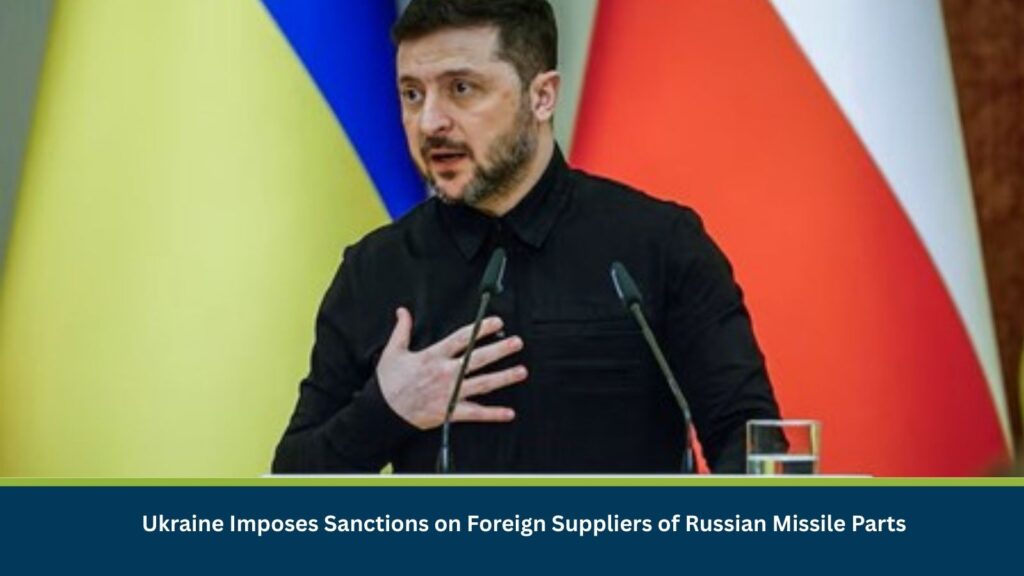
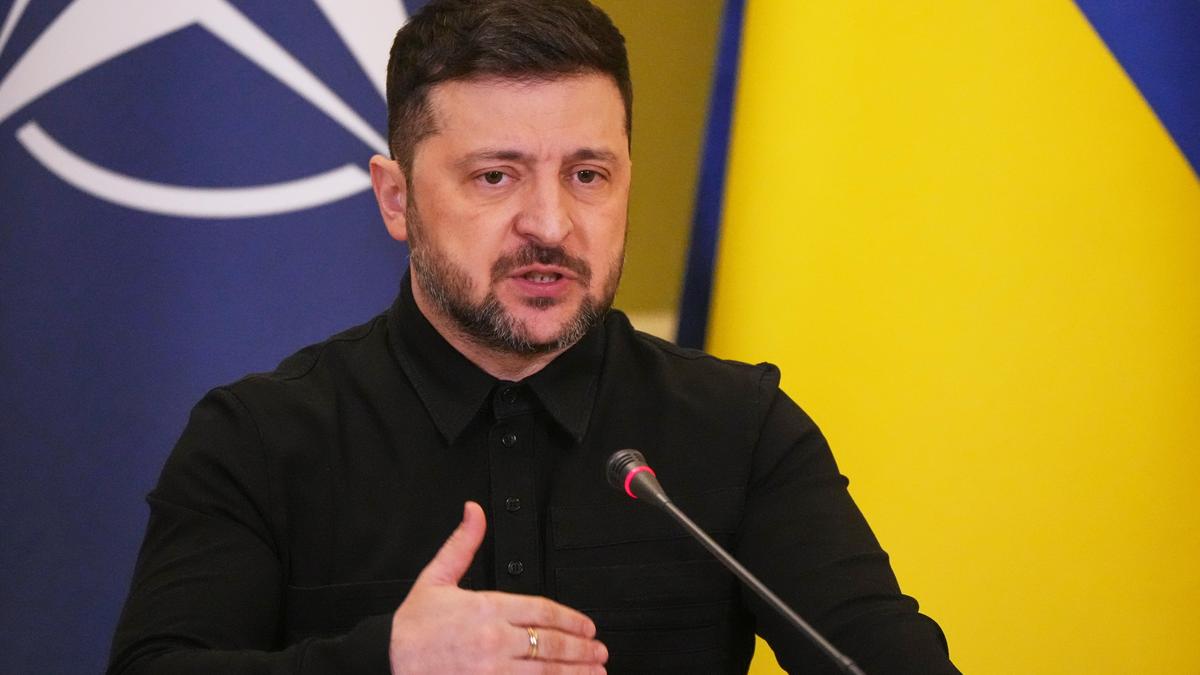
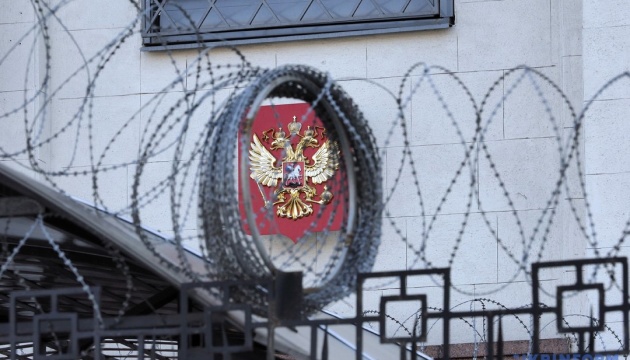
Ukraine's escalating sanctions enforcement (February 8-9, 2026) creates immediate compliance obligations for cross-border sellers worldwide. President Zelensky signed two executive decrees targeting 62 legal entities and 66+ individuals involved in Russian weapons production and sanctions evasion. The first decree sanctioned 27 companies supplying critical components for missile/drone manufacturing; the second targeted 35 entities in financial infrastructure including payment operators and cryptocurrency exchanges. Critically, sanctions span Russia, Hong Kong, Kyrgyzstan, United Arab Emirates, and Panama—jurisdictions where many e-commerce suppliers source components and payment processing.
For international sellers, this represents a watershed moment in supply chain compliance. The news explicitly states that "producing this weaponry would be impossible without critical foreign components," indicating Ukraine and EU partners (via the expected 20th sanctions package) will intensify scrutiny of component suppliers. Sellers sourcing electronics, semiconductors, dual-use technology, or industrial components from China, Hong Kong, or former Soviet states now face heightened due diligence requirements. The targeting of the A7 cryptocurrency network and payment operators signals that Ukraine is closing financial loopholes—meaning sellers using unregulated payment channels or crypto-based transactions face elevated compliance risk.
The operational impact extends beyond direct sanctions to supply chain transparency requirements. News 3 emphasizes that "companies conducting business with Russian or Chinese entities must verify that their partners are not subject to Ukrainian sanctions," with "immediate enforcement" meaning "businesses cannot rely on grace periods for adjustment." This creates a cascading compliance obligation: sellers must audit their supplier networks, verify sanctioned entity lists (OFAC, EU, Ukrainian government databases), and implement screening procedures. For sellers in electronics, components, industrial equipment, and technology categories—which represent $2.1T+ in annual cross-border trade—this means implementing or upgrading sanctions screening software (typically $5,000-50,000 annually depending on supplier base size).
The competitive advantage shifts toward sellers with robust compliance infrastructure. Large sellers (Amazon FBA, Alibaba, eBay) with dedicated compliance teams can absorb screening costs; small/medium sellers (SMEs) sourcing from China or Eastern Europe face disproportionate burden. The news indicates that Chinese companies are "significant reliance" for Russian military manufacturing, suggesting that Chinese component suppliers face increased scrutiny. Sellers using Chinese suppliers for electronics, semiconductors, or dual-use technology must now implement enhanced due diligence—adding 2-4 weeks to supplier onboarding timelines and potentially 15-25% to compliance costs per supplier relationship.
問題 8
How does the targeting of cryptocurrency payment networks affect seller payment processing?
Ukraine's sanctions on the A7 cryptocurrency network and payment operators (News 1) signal that unregulated payment channels face increased enforcement risk. Sellers using cryptocurrency or unregulated payment processors for transactions with Russian, Chinese, or Eastern European entities are now exposed to sanctions violations. Major payment processors (Stripe, PayPal, Square) have already tightened compliance; sellers should migrate to regulated payment channels and avoid crypto-based transactions for cross-border commerce. The news indicates that payment operators facilitating sanctions evasion face asset freezes and business restrictions, meaning sellers relying on these channels risk payment processing disruptions. Compliance timeline: migrate payment infrastructure within 60 days.
What are the immediate compliance obligations for sellers sourcing from China or Eastern Europe?
Sellers must implement sanctions screening for all suppliers and business partners against OFAC, EU, and Ukrainian government sanctions lists within 30 days. The February 8-9 decrees target 62+ entities across Russia, Hong Kong, Kyrgyzstan, UAE, and Panama—jurisdictions where many component suppliers operate. Failure to screen suppliers can result in civil penalties of $20,000-$250,000+ per violation under IEEPA (International Emergency Economic Powers Act). Sellers should use compliance software (Refinitiv World-Check, Dun & Bradstreet Compliance, or similar platforms) to automate screening and maintain audit trails. For SMEs, this typically costs $5,000-15,000 annually for basic screening infrastructure.