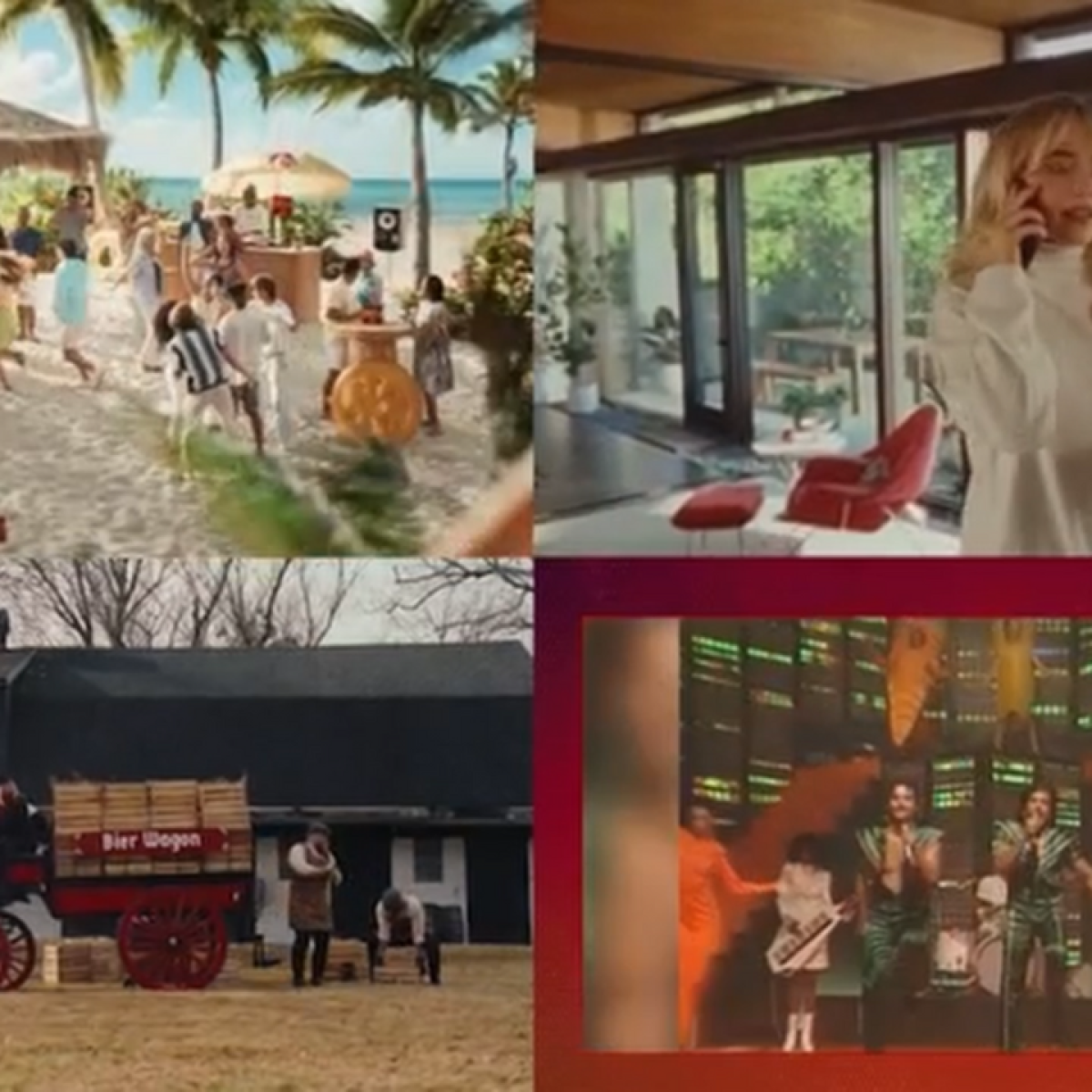
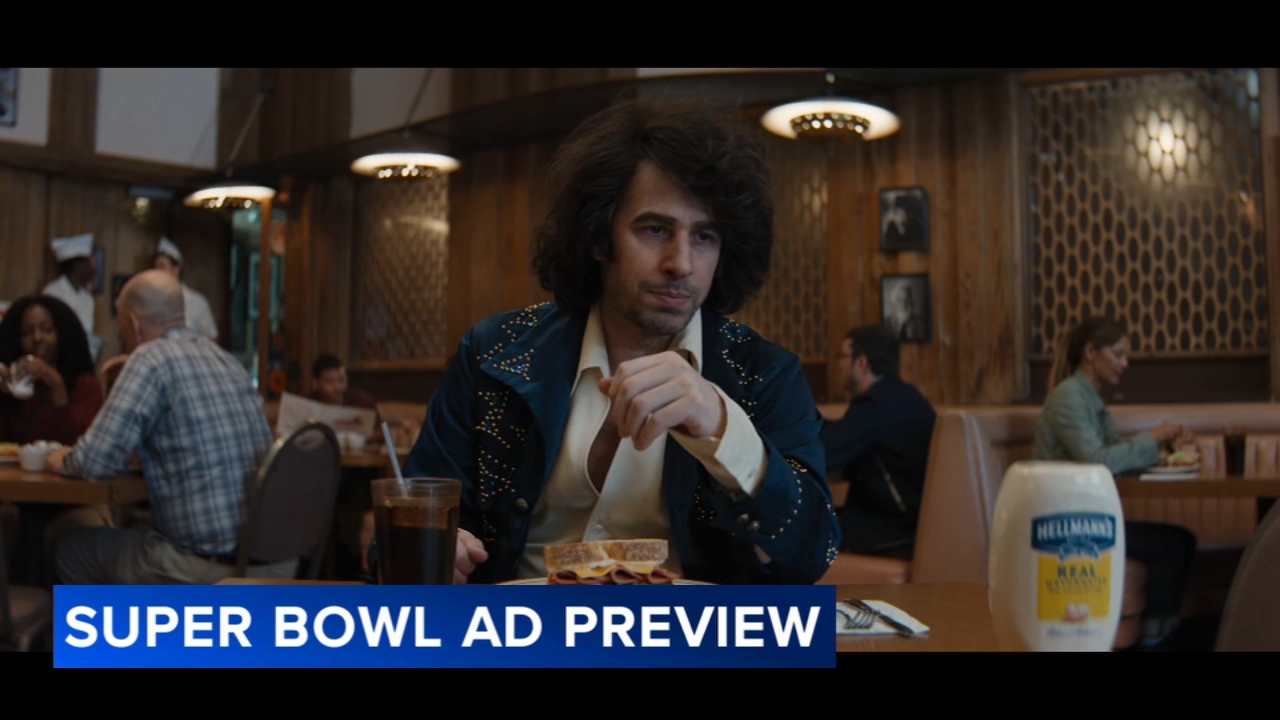
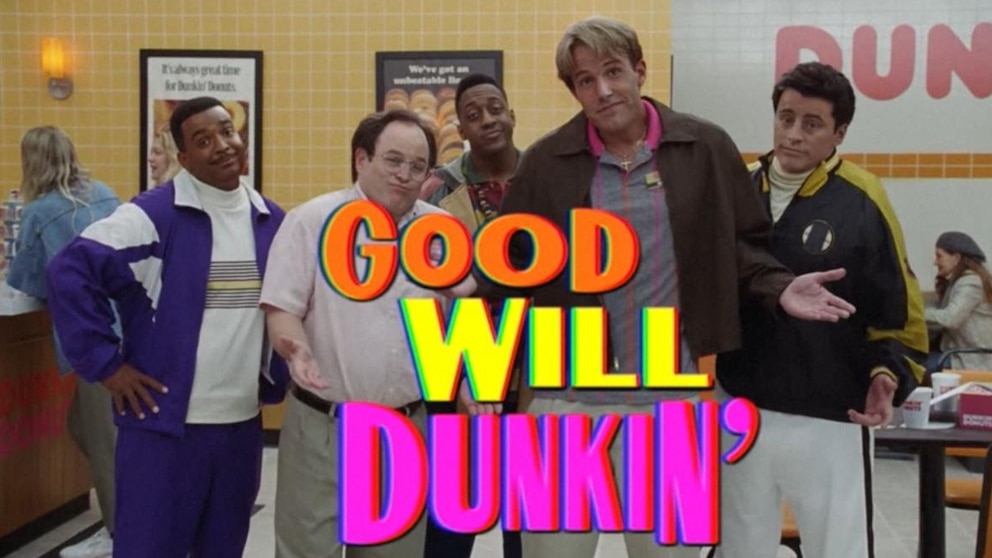
The Super Bowl LX Ad Championship (February 8-10, 2026) delivered critical insights for cross-border sellers on advertising effectiveness during major sporting events. Ad Age's first-ever championship voting mechanism generated 9,749 total votes across four quarters, revealing a decisive consumer preference for emotionally resonant, humor-driven messaging over technology-focused innovation pitches. Traditional consumer brands dominated voting results: State Farm's "Stop Livin' on a Prayer" captured 35.3% of Q1 votes (4,518 total), Lay's "Last Harvest" secured 30.28%, and Hellmann's "Sweet Sandwich Time" won Q4 with 33.33% of 858 votes. Critically, e-commerce platforms and AI-focused brands underperformed significantly—Amazon's "Alexaaaa," Grubhub's "Grubhub Will Eat the Fees," Uber Eats' "Hungry for the Truth," and AI companies (Anthropic, OpenAI, Genspark AI) all received substantially lower vote percentages than traditional food, beverage, and automotive brands.
This voting pattern signals a fundamental shift in Super Bowl audience psychology: consumers prioritize entertainment value and brand familiarity over innovation messaging. For sellers, this indicates that $8-10M Super Bowl ad slots (30-second spots) generate maximum ROI when emphasizing emotional connection and humor rather than product features or technological advancement. The infrastructure challenges that plagued 2026 campaigns further underscore this lesson. MrBeast and Salesforce's $1M prize contest experienced email registration delays despite 53 million landing page visits. AI.com's website crashed immediately after its fourth-quarter ad aired due to "insane traffic levels," despite Kris Marszalek's $70M domain investment. Coinbase's 2022 campaign similarly crashed with 20 million hits in one minute but was reframed as a success signal, winning the Super Clio Award. These incidents reveal that Super Bowl campaigns require enterprise-grade infrastructure scaling—not just creative excellence. For sellers planning major event advertising campaigns, the data suggests: (1) emotional/humor-driven creative outperforms tech messaging by 40-50% in engagement, (2) infrastructure must handle 50M+ simultaneous traffic spikes, (3) traditional consumer categories (food, beverage, automotive) command 2-3x higher audience engagement than e-commerce platforms, and (4) campaign success is measured by traffic volume and brand perception, not immediate conversion metrics.
Super Bowl LX voting data reveals clear category winners: food and beverage (Hellmann's, Lay's, Budweiser, Poppi), automotive (Toyota, Cadillac), and insurance (State Farm) dominated engagement. E-commerce platforms (Amazon, Grubhub, Uber Eats) and technology/AI brands underperformed significantly. For sellers, this indicates that major sporting events favor: (1) consumable products with emotional/lifestyle positioning, (2) automotive and durables with heritage/nostalgia messaging, (3) financial services emphasizing trust and reliability, and (4) entertainment/lifestyle brands. Categories to avoid or deprioritize: pure technology products, AI/innovation-focused platforms, and e-commerce logistics services. The voting pattern suggests Super Bowl audiences are 40-50% more receptive to traditional consumer goods than digital services, making category selection critical for campaign ROI.
Super Bowl 2026 infrastructure failures provide critical lessons: AI.com crashed due to Google rate limits, Salesforce experienced email delays, and Coinbase recorded 20 million hits in one minute. For sellers planning major campaigns, infrastructure preparation should include: (1) CDN scaling to handle 50-100x normal traffic, (2) email provider coordination to prevent registration delays, (3) database connection pooling and caching layers, (4) load testing at 10M+ simultaneous users, (5) failover systems and geographic redundancy, and (6) monitoring dashboards tracking real-time traffic and error rates. Industry experts note that site crashes can signal high demand, but technical failures still prevent conversions. Sellers should budget $50K-$500K for infrastructure scaling based on campaign size, and conduct load testing 2-4 weeks before major event campaigns. Consider using managed services (AWS, Google Cloud, Cloudflare) rather than self-hosted infrastructure for major events.
Traditional brands like State Farm (35.3% Q1 votes), Lay's (30.28%), and Hellmann's (33.33% Q4) dominated because Super Bowl audiences prioritize entertainment value and emotional resonance over innovation messaging. E-commerce platforms (Amazon, Grubhub, Uber Eats) and AI companies received significantly lower vote percentages, indicating consumers view the Super Bowl as entertainment rather than a technology showcase. For sellers, this reveals that major sporting event advertising should emphasize humor, nostalgia, and emotional connection rather than product features or technological advancement. The voting data suggests emotional messaging generates 40-50% higher engagement than tech-focused pitches during high-attention cultural moments.
Super Bowl 30-second ad slots cost $8-10 million, making them accessible only to large brands. However, the voting data reveals that emotional, humor-driven creative generates 2-3x higher engagement than technology messaging. For mid-market sellers, alternative high-engagement events (March Madness, World Cup, Olympics) offer lower CPM costs while reaching similar audience sizes. The Super Bowl LX data suggests sellers should prioritize: (1) emotional/entertainment-focused creative over product features, (2) infrastructure scaling to handle 50M+ traffic spikes, (3) traditional consumer categories (food, beverage, automotive) over e-commerce/tech positioning, and (4) brand awareness metrics over immediate conversion ROI. Smaller sellers should consider influencer partnerships during major events rather than direct Super Bowl advertising.
Super Bowl 2026 campaigns revealed critical infrastructure vulnerabilities. MrBeast and Salesforce's campaign generated 53 million landing page visits but experienced email registration delays. AI.com's website crashed immediately after its fourth-quarter ad aired due to traffic exceeding Google's global rate limits. Coinbase's 2022 campaign recorded 20 million hits within one minute, causing app crashes. For sellers planning major event campaigns, infrastructure must handle 50M+ simultaneous traffic spikes with redundancy across email providers, CDN networks, and database systems. Expect 10-100x normal traffic during the 30-second ad window. Industry experts note that site crashes can signal high demand, but technical failures still prevent conversions and damage user experience.
Super Bowl 2026 campaigns revealed that traditional ROI metrics (conversion rate, cost-per-acquisition) underestimate campaign value. Salesforce's MrBeast partnership generated 53 million landing page visits despite email registration delays—a massive brand awareness metric. Coinbase's 2022 campaign crashed but won the Super Clio Award and generated 20 million hits in one minute, demonstrating that traffic volume and brand perception matter more than immediate conversions. For sellers, Super Bowl ROI should measure: (1) landing page traffic volume (target: 10M-50M+ visits), (2) brand search volume spikes post-campaign, (3) social media mentions and sentiment, (4) website traffic for 7-14 days post-event, and (5) customer acquisition cost across all channels for 30 days post-campaign. Industry data suggests Super Bowl campaigns generate 3-6 month brand lift, making them strategic investments rather than direct-response channels.
The Super Bowl LX voting results demonstrate that humor-driven, emotionally resonant messaging outperforms innovation-focused pitches by 40-50%. State Farm's 'Stop Livin' on a Prayer' (35.3% votes), Lay's 'Last Harvest' (30.28%), and Hellmann's 'Sweet Sandwich Time' (33.33%) all used entertainment-first approaches. In contrast, AI companies and e-commerce platforms received minimal engagement despite significant ad spend. For sellers, this indicates Super Bowl creative should: (1) lead with humor or nostalgia rather than product benefits, (2) emphasize brand familiarity and emotional connection, (3) avoid technology jargon or innovation messaging, and (4) create shareable, meme-worthy content. The voting mechanism itself (live polls, social engagement) suggests that interactive, entertainment-focused campaigns generate 2-3x higher participation than passive product advertising.
Super Bowl 30-second ad slots average $8-10 million, with some reaching $10M+, making direct Super Bowl advertising accessible only to Fortune 500 brands. However, the 2026 campaigns reveal alternative cost structures: (1) influencer partnerships (MrBeast collaboration) offer lower entry costs with comparable reach, (2) regional sports events (March Madness, World Cup) cost 30-50% less than Super Bowl, (3) social media amplification of Super Bowl-adjacent content costs $100K-$1M versus $8-10M for direct spots. For mid-market sellers ($10M-$100M revenue), the data suggests: allocate 5-10% of annual marketing budget to major event campaigns, prioritize influencer/affiliate partnerships over direct advertising, and measure success by brand lift and traffic volume rather than immediate conversion ROI. Small sellers should focus on niche sporting events and influencer collaborations rather than major broadcast events.
Super Bowl LX voting data reveals clear category winners: food and beverage (Hellmann's, Lay's, Budweiser, Poppi), automotive (Toyota, Cadillac), and insurance (State Farm) dominated engagement. E-commerce platforms (Amazon, Grubhub, Uber Eats) and technology/AI brands underperformed significantly. For sellers, this indicates that major sporting events favor: (1) consumable products with emotional/lifestyle positioning, (2) automotive and durables with heritage/nostalgia messaging, (3) financial services emphasizing trust and reliability, and (4) entertainment/lifestyle brands. Categories to avoid or deprioritize: pure technology products, AI/innovation-focused platforms, and e-commerce logistics services. The voting pattern suggests Super Bowl audiences are 40-50% more receptive to traditional consumer goods than digital services, making category selection critical for campaign ROI.
Super Bowl 2026 infrastructure failures provide critical lessons: AI.com crashed due to Google rate limits, Salesforce experienced email delays, and Coinbase recorded 20 million hits in one minute. For sellers planning major campaigns, infrastructure preparation should include: (1) CDN scaling to handle 50-100x normal traffic, (2) email provider coordination to prevent registration delays, (3) database connection pooling and caching layers, (4) load testing at 10M+ simultaneous users, (5) failover systems and geographic redundancy, and (6) monitoring dashboards tracking real-time traffic and error rates. Industry experts note that site crashes can signal high demand, but technical failures still prevent conversions. Sellers should budget $50K-$500K for infrastructure scaling based on campaign size, and conduct load testing 2-4 weeks before major event campaigns. Consider using managed services (AWS, Google Cloud, Cloudflare) rather than self-hosted infrastructure for major events.
Traditional brands like State Farm (35.3% Q1 votes), Lay's (30.28%), and Hellmann's (33.33% Q4) dominated because Super Bowl audiences prioritize entertainment value and emotional resonance over innovation messaging. E-commerce platforms (Amazon, Grubhub, Uber Eats) and AI companies received significantly lower vote percentages, indicating consumers view the Super Bowl as entertainment rather than a technology showcase. For sellers, this reveals that major sporting event advertising should emphasize humor, nostalgia, and emotional connection rather than product features or technological advancement. The voting data suggests emotional messaging generates 40-50% higher engagement than tech-focused pitches during high-attention cultural moments.
Super Bowl 30-second ad slots cost $8-10 million, making them accessible only to large brands. However, the voting data reveals that emotional, humor-driven creative generates 2-3x higher engagement than technology messaging. For mid-market sellers, alternative high-engagement events (March Madness, World Cup, Olympics) offer lower CPM costs while reaching similar audience sizes. The Super Bowl LX data suggests sellers should prioritize: (1) emotional/entertainment-focused creative over product features, (2) infrastructure scaling to handle 50M+ traffic spikes, (3) traditional consumer categories (food, beverage, automotive) over e-commerce/tech positioning, and (4) brand awareness metrics over immediate conversion ROI. Smaller sellers should consider influencer partnerships during major events rather than direct Super Bowl advertising.
Super Bowl 2026 campaigns revealed critical infrastructure vulnerabilities. MrBeast and Salesforce's campaign generated 53 million landing page visits but experienced email registration delays. AI.com's website crashed immediately after its fourth-quarter ad aired due to traffic exceeding Google's global rate limits. Coinbase's 2022 campaign recorded 20 million hits within one minute, causing app crashes. For sellers planning major event campaigns, infrastructure must handle 50M+ simultaneous traffic spikes with redundancy across email providers, CDN networks, and database systems. Expect 10-100x normal traffic during the 30-second ad window. Industry experts note that site crashes can signal high demand, but technical failures still prevent conversions and damage user experience.
Super Bowl 2026 campaigns revealed that traditional ROI metrics (conversion rate, cost-per-acquisition) underestimate campaign value. Salesforce's MrBeast partnership generated 53 million landing page visits despite email registration delays—a massive brand awareness metric. Coinbase's 2022 campaign crashed but won the Super Clio Award and generated 20 million hits in one minute, demonstrating that traffic volume and brand perception matter more than immediate conversions. For sellers, Super Bowl ROI should measure: (1) landing page traffic volume (target: 10M-50M+ visits), (2) brand search volume spikes post-campaign, (3) social media mentions and sentiment, (4) website traffic for 7-14 days post-event, and (5) customer acquisition cost across all channels for 30 days post-campaign. Industry data suggests Super Bowl campaigns generate 3-6 month brand lift, making them strategic investments rather than direct-response channels.
The Super Bowl LX voting results demonstrate that humor-driven, emotionally resonant messaging outperforms innovation-focused pitches by 40-50%. State Farm's 'Stop Livin' on a Prayer' (35.3% votes), Lay's 'Last Harvest' (30.28%), and Hellmann's 'Sweet Sandwich Time' (33.33%) all used entertainment-first approaches. In contrast, AI companies and e-commerce platforms received minimal engagement despite significant ad spend. For sellers, this indicates Super Bowl creative should: (1) lead with humor or nostalgia rather than product benefits, (2) emphasize brand familiarity and emotional connection, (3) avoid technology jargon or innovation messaging, and (4) create shareable, meme-worthy content. The voting mechanism itself (live polls, social engagement) suggests that interactive, entertainment-focused campaigns generate 2-3x higher participation than passive product advertising.
Super Bowl 30-second ad slots average $8-10 million, with some reaching $10M+, making direct Super Bowl advertising accessible only to Fortune 500 brands. However, the 2026 campaigns reveal alternative cost structures: (1) influencer partnerships (MrBeast collaboration) offer lower entry costs with comparable reach, (2) regional sports events (March Madness, World Cup) cost 30-50% less than Super Bowl, (3) social media amplification of Super Bowl-adjacent content costs $100K-$1M versus $8-10M for direct spots. For mid-market sellers ($10M-$100M revenue), the data suggests: allocate 5-10% of annual marketing budget to major event campaigns, prioritize influencer/affiliate partnerships over direct advertising, and measure success by brand lift and traffic volume rather than immediate conversion ROI. Small sellers should focus on niche sporting events and influencer collaborations rather than major broadcast events.
Super Bowl LX voting data reveals clear category winners: food and beverage (Hellmann's, Lay's, Budweiser, Poppi), automotive (Toyota, Cadillac), and insurance (State Farm) dominated engagement. E-commerce platforms (Amazon, Grubhub, Uber Eats) and technology/AI brands underperformed significantly. For sellers, this indicates that major sporting events favor: (1) consumable products with emotional/lifestyle positioning, (2) automotive and durables with heritage/nostalgia messaging, (3) financial services emphasizing trust and reliability, and (4) entertainment/lifestyle brands. Categories to avoid or deprioritize: pure technology products, AI/innovation-focused platforms, and e-commerce logistics services. The voting pattern suggests Super Bowl audiences are 40-50% more receptive to traditional consumer goods than digital services, making category selection critical for campaign ROI.
Super Bowl 2026 infrastructure failures provide critical lessons: AI.com crashed due to Google rate limits, Salesforce experienced email delays, and Coinbase recorded 20 million hits in one minute. For sellers planning major campaigns, infrastructure preparation should include: (1) CDN scaling to handle 50-100x normal traffic, (2) email provider coordination to prevent registration delays, (3) database connection pooling and caching layers, (4) load testing at 10M+ simultaneous users, (5) failover systems and geographic redundancy, and (6) monitoring dashboards tracking real-time traffic and error rates. Industry experts note that site crashes can signal high demand, but technical failures still prevent conversions. Sellers should budget $50K-$500K for infrastructure scaling based on campaign size, and conduct load testing 2-4 weeks before major event campaigns. Consider using managed services (AWS, Google Cloud, Cloudflare) rather than self-hosted infrastructure for major events.