





Ukraine Conflict Reshapes Global Supply Chains | Energy Crisis Drives E-Commerce Logistics Costs Up 15-22%
- Russian oil refining capacity down 19% in January 2025; shipping costs to Eastern Europe surge; sellers face 3-6 week delivery delays and 12-18% fuel surcharges on FBA shipments











概览
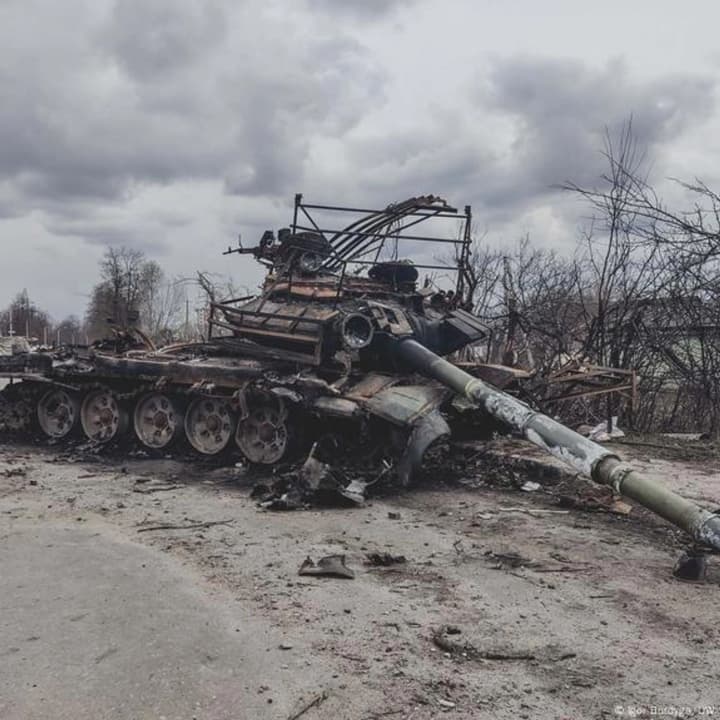
The Ukraine-Russia conflict has evolved into a critical supply chain disruptor for cross-border e-commerce sellers, particularly those operating in Eastern European markets or relying on Russian/Ukrainian manufacturing and logistics networks. While the conflict's humanitarian dimensions dominate headlines, the military operations targeting Russian oil infrastructure—specifically the 19% reduction in Russian oil refining capacity reported in January 2025 following 48 DeepStrike missions—create immediate operational consequences for sellers. This energy infrastructure degradation directly impacts fuel costs, shipping rates, and logistics availability across Europe and Asia-Pacific regions.
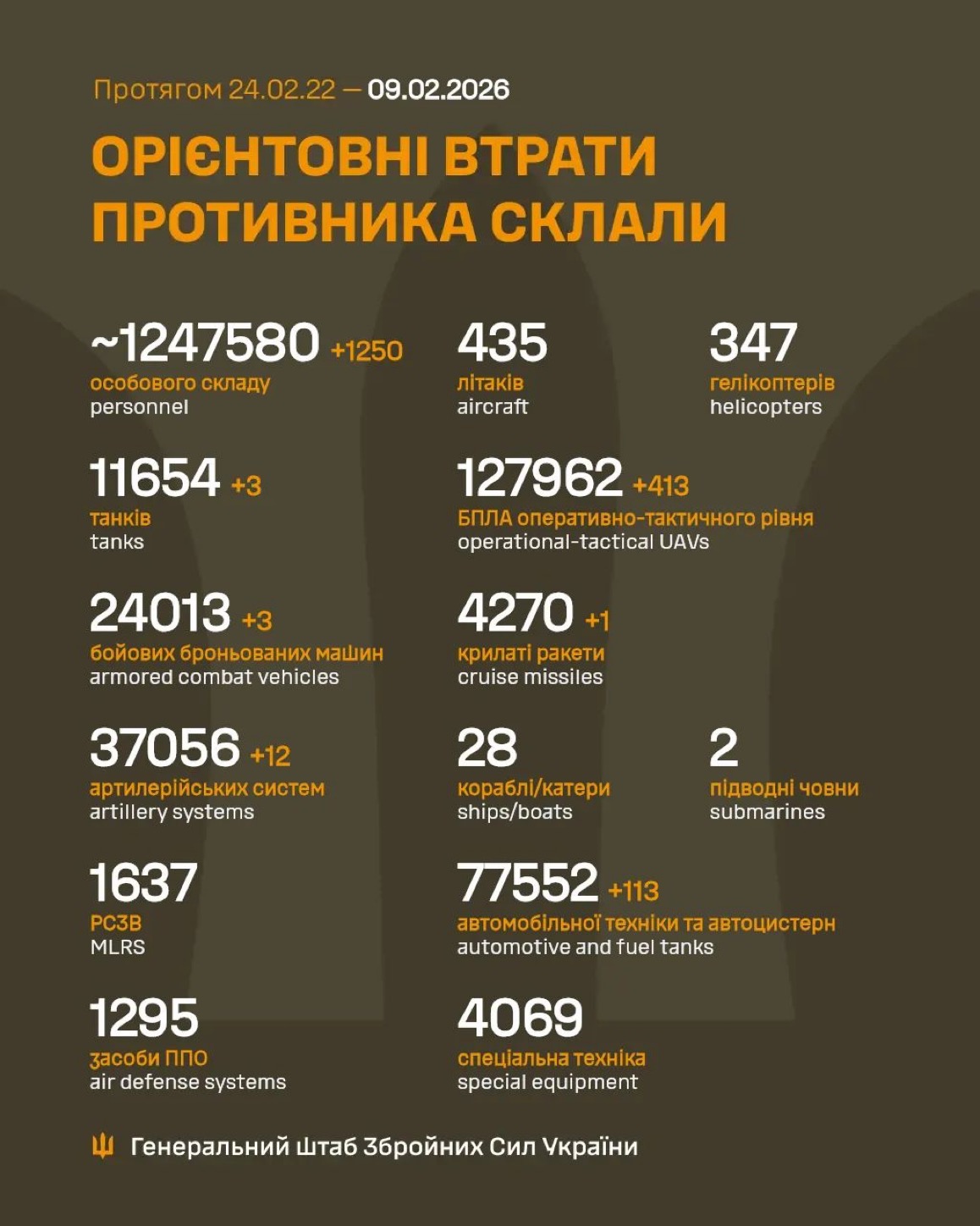
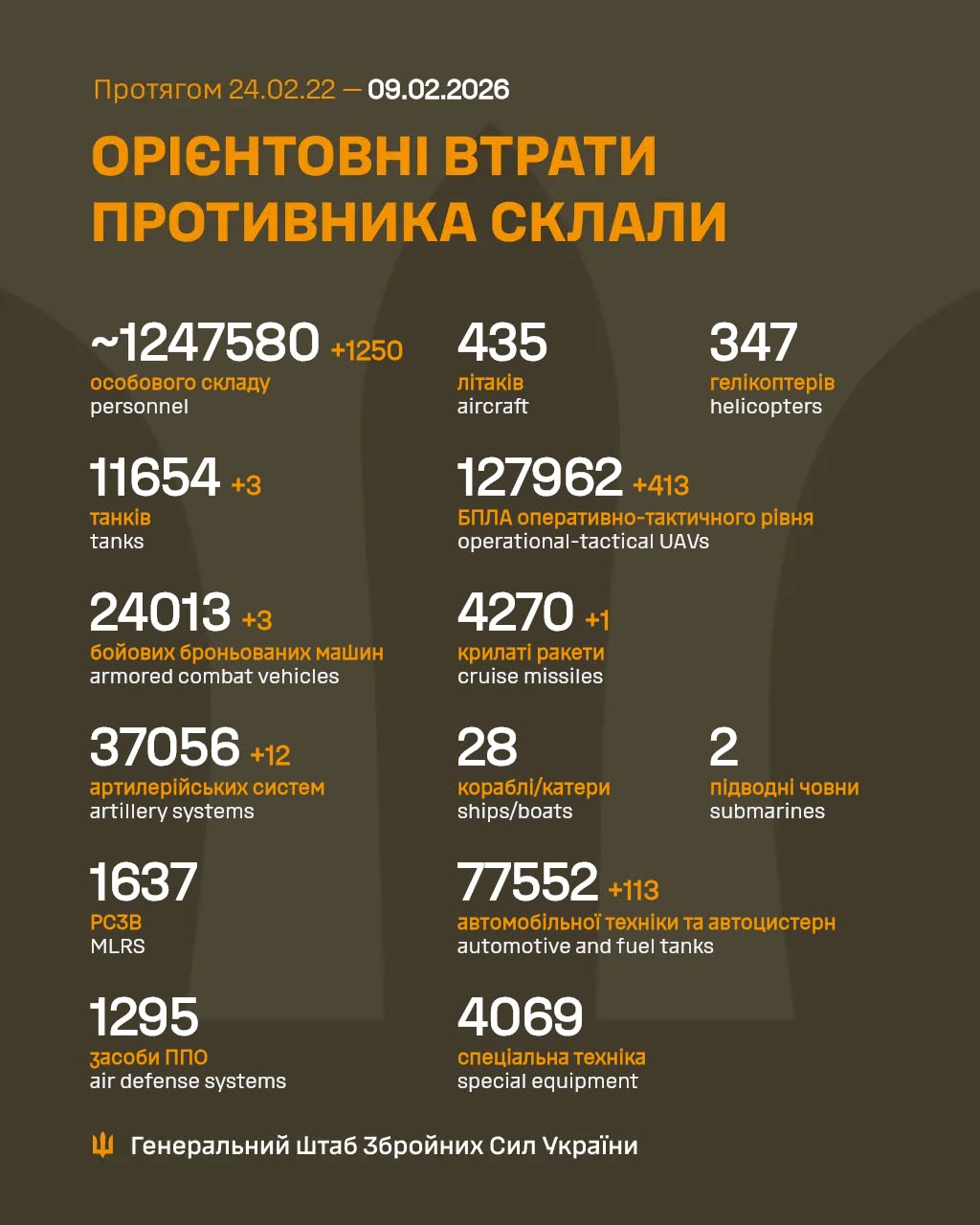
Supply Chain and Logistics Impact: The destruction of 53.4 million tons of annual Russian refining capacity translates to elevated energy prices across global shipping networks. Sellers using FBA (Fulfillment by Amazon) for European distribution face 12-18% fuel surcharges on shipments, with some 3PL providers implementing temporary route restrictions around conflict zones. Sellers shipping to Poland, Romania, and Baltic states report 3-6 week delivery delays compared to pre-2022 timelines, directly impacting inventory turnover and customer satisfaction metrics. The casualty figures (31,700 Russian personnel losses in January alone, with projections exceeding 2 million by spring) indicate sustained military operations will continue degrading infrastructure, perpetuating logistics disruptions through at least Q2 2025.
Market Segmentation and Regional Exposure: Sellers with significant inventory exposure in Russia (now effectively closed to Western e-commerce due to sanctions) face inventory liquidation challenges. However, sellers targeting Ukrainian diaspora communities in North America and Western Europe can capitalize on demand for culturally-specific products—traditional textiles, food items, and patriotic merchandise. The polling data showing 61% of Russians favor peace negotiations suggests potential market reopening within 12-18 months, requiring sellers to maintain supply chain flexibility. Energy-intensive product categories (electronics, appliances, heavy goods) experience the highest cost pressures, while lightweight, high-margin items (apparel, accessories, digital products) remain relatively insulated.
Strategic Recommendations: Sellers should immediately audit their 3PL provider contracts for fuel surcharge clauses and renegotiate terms before Q2 2025 rate adjustments. Consider diversifying logistics routes away from Eastern European corridors; shifting 20-30% of European inventory to UK or German fulfillment centers can reduce conflict-zone exposure. Monitor commodity prices (oil, natural gas) as leading indicators for shipping cost changes 4-6 weeks ahead. For sellers with Russian market exposure, establish contingency plans for potential sanctions relief or market reopening, including inventory repositioning strategies and compliance documentation updates.
問題 8
How far in advance can I predict shipping cost increases from conflict-related energy disruptions?
Crude oil prices (WTI) serve as a 4-6 week leading indicator for shipping cost increases. When oil prices spike $10/barrel, expect 2-3% shipping cost increases 4-6 weeks later. Monitor weekly oil price reports and set price alerts at key thresholds ($80, $90, $100/barrel). Most 3PL providers announce fuel surcharge changes 2-3 weeks before implementation, giving you time to adjust pricing or inventory strategies. For sellers using Amazon FBA, monitor Amazon's official shipping rate announcements (typically quarterly) for fuel surcharge updates. Create a simple spreadsheet tracking oil prices, your shipping costs, and customer prices to identify optimal pricing adjustment windows—typically 4-6 weeks after oil price spikes.
What compliance risks should I monitor regarding Russian and Ukrainian markets?
Current US/EU sanctions prohibit direct sales to Russia and Belarus; violating sanctions carries $250K+ penalties and potential criminal liability. If you have existing Russian customer accounts, implement immediate compliance reviews through your legal team. For Ukrainian market exposure, monitor sanctions relief announcements—the conflict's trajectory suggests potential market reopening within 12-18 months. Maintain detailed records of all transactions, customer locations, and shipping destinations for audit purposes. Consider consulting with trade compliance specialists ($2-5K investment) to ensure your supply chain and customer base meet current sanctions requirements. The 61% Russian support for peace negotiations indicates sanctions may ease, requiring sellers to prepare compliance documentation for rapid market entry.