

Ukraine Energy Crisis Disrupts Cross-Border Logistics | Seller Supply Chain Risk Alert
- February 2026 infrastructure attacks create 1.5-2 hour daily power windows, forcing sellers to reroute shipments from Eastern Europe and reassess 3PL partnerships in conflict zones



















概览
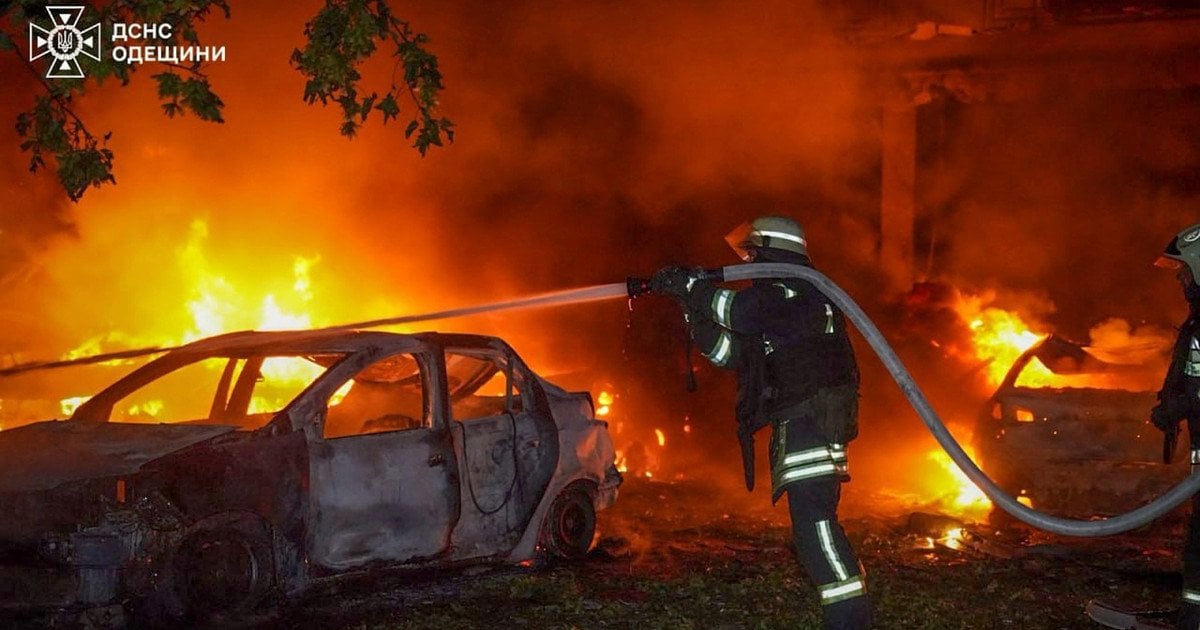
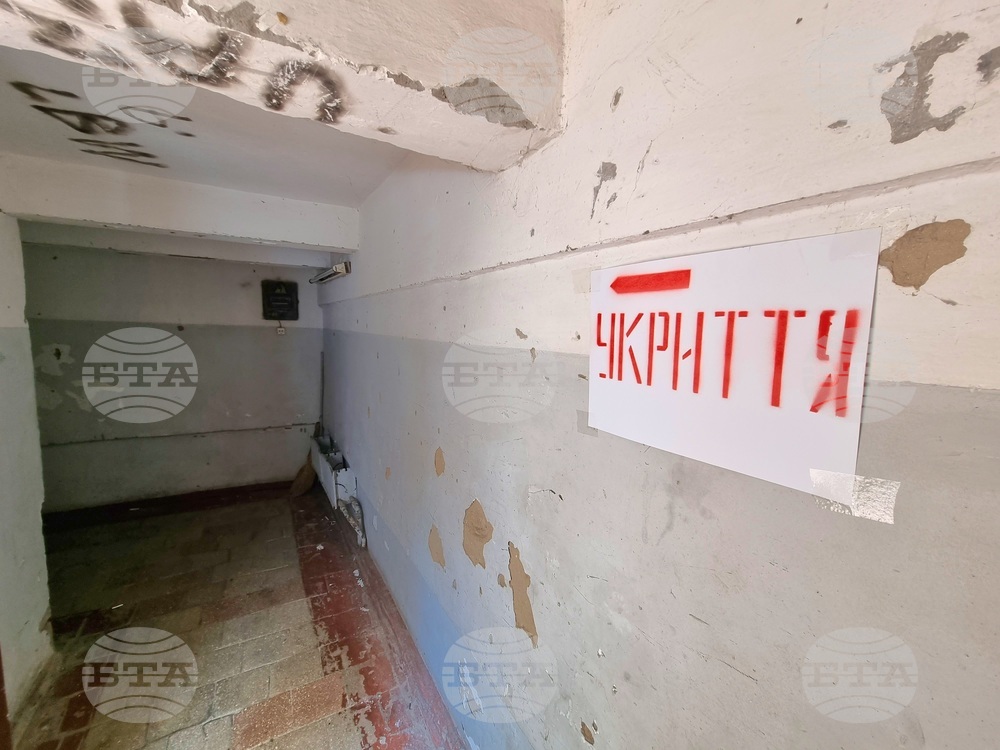
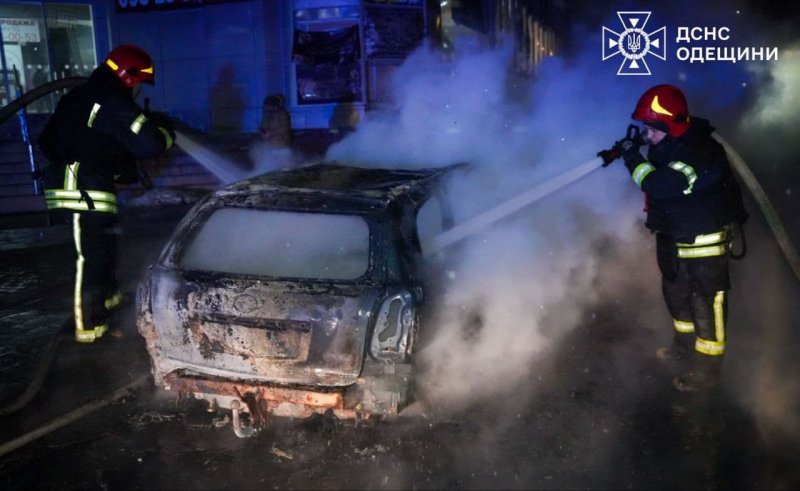
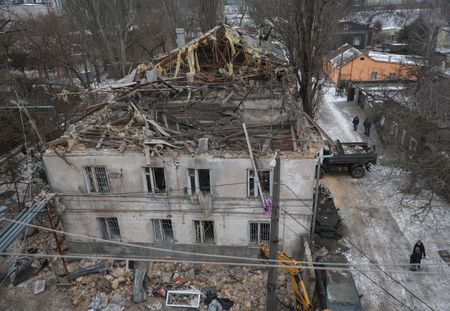
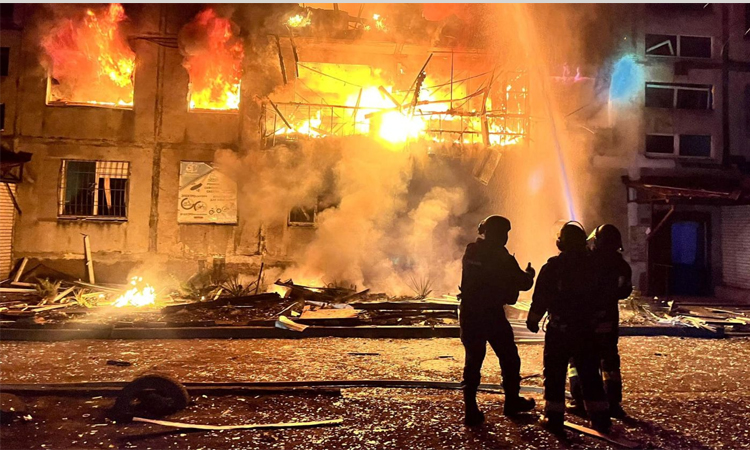
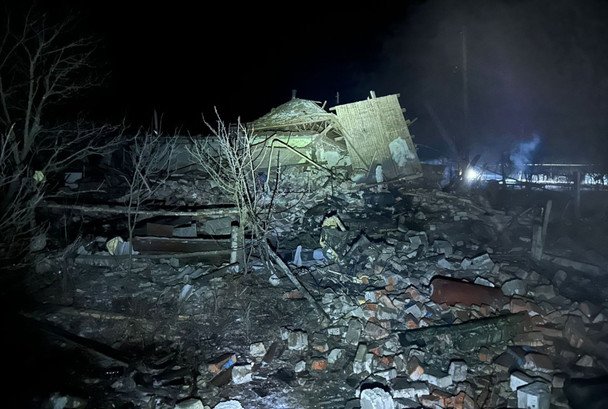
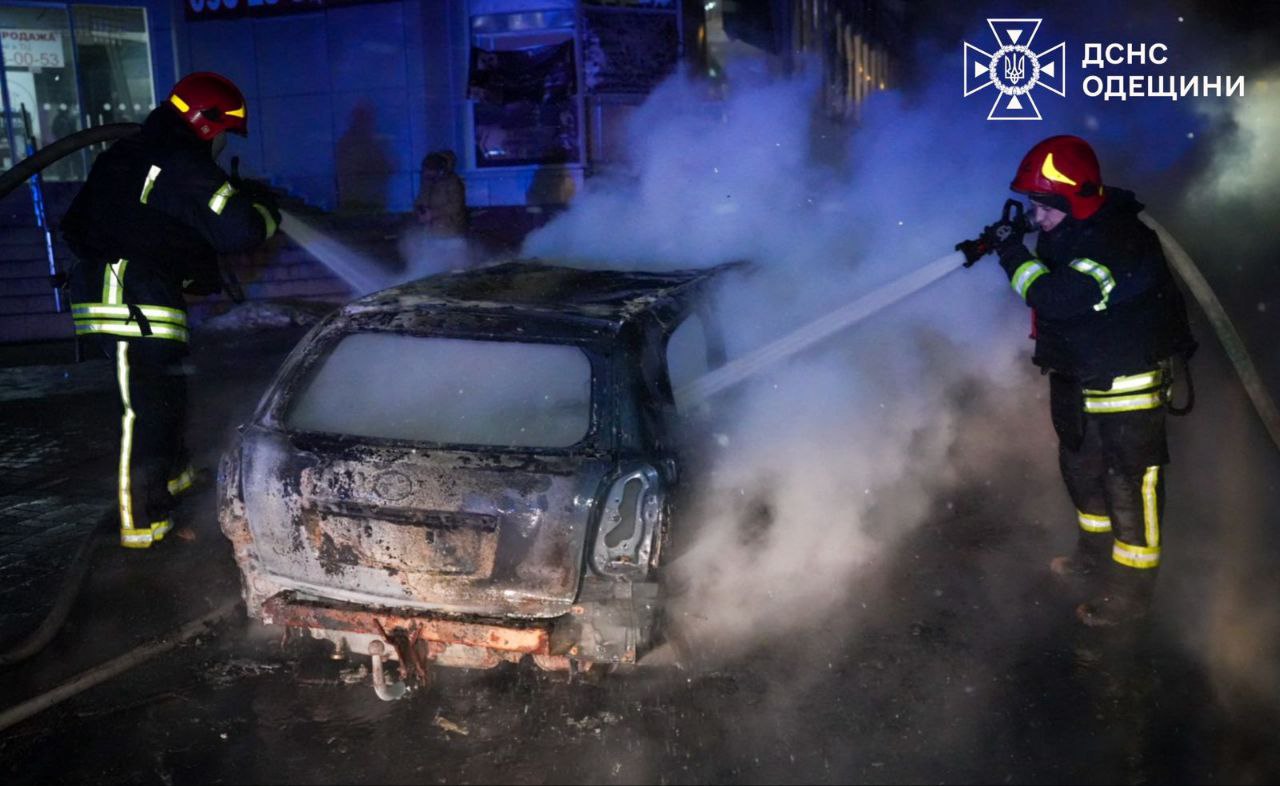
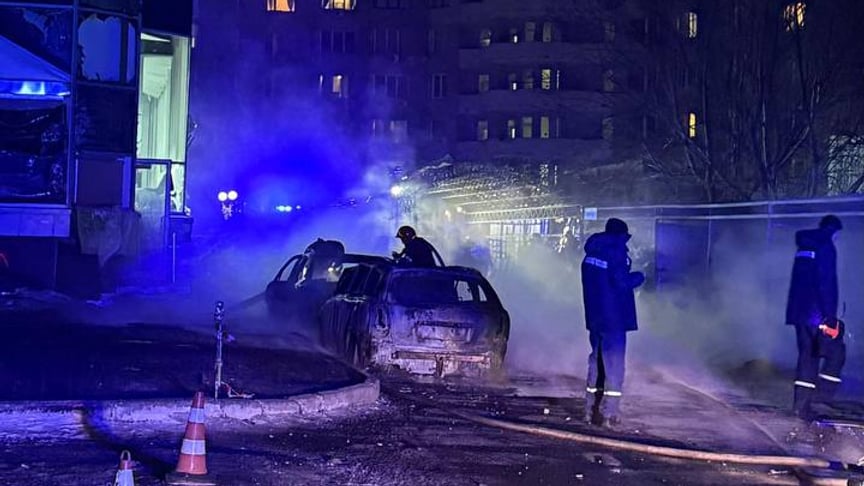
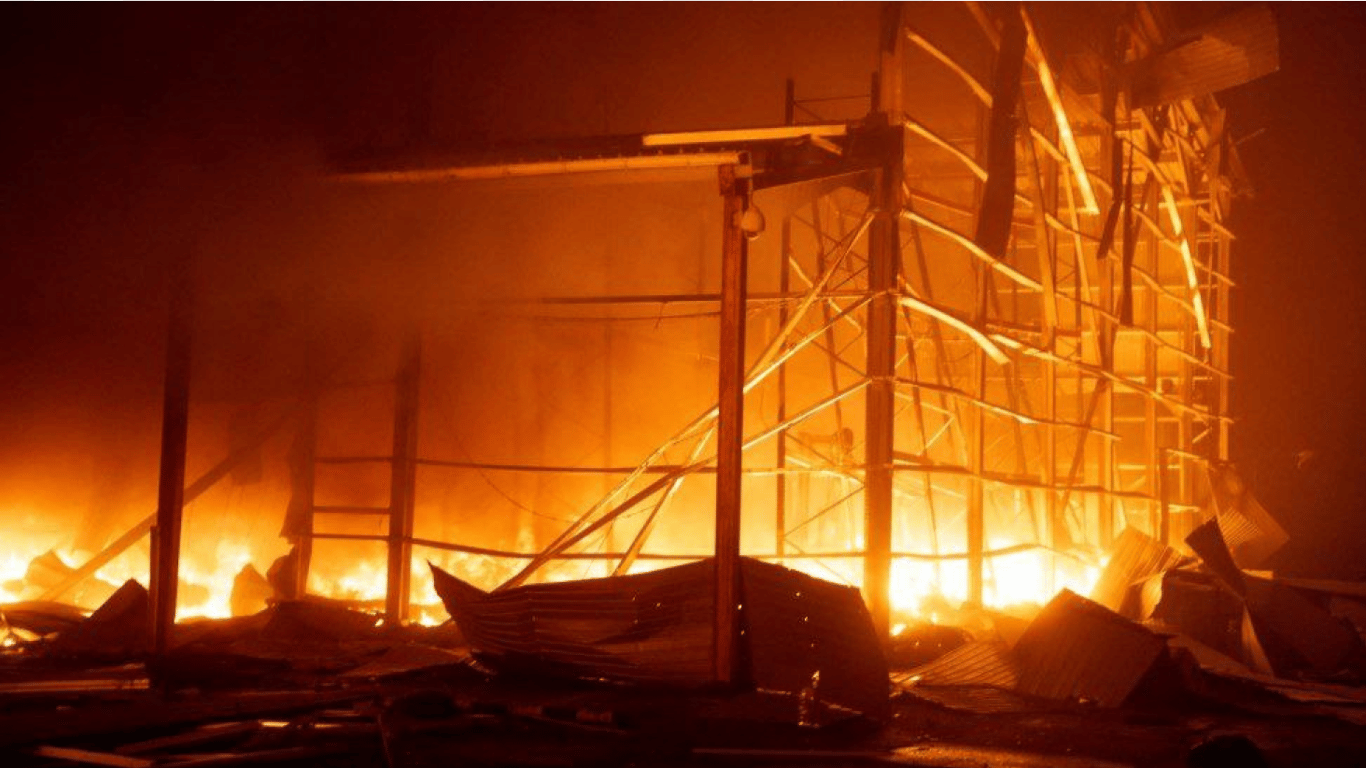
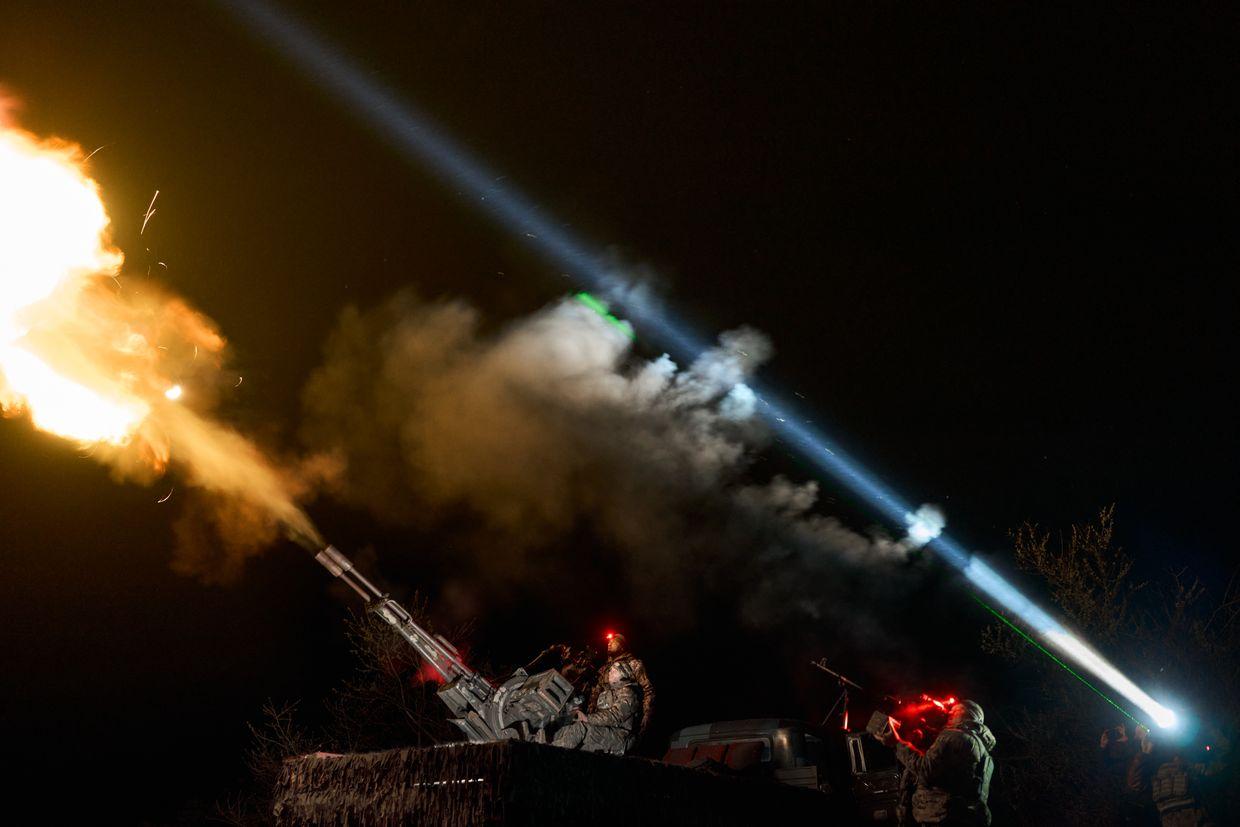
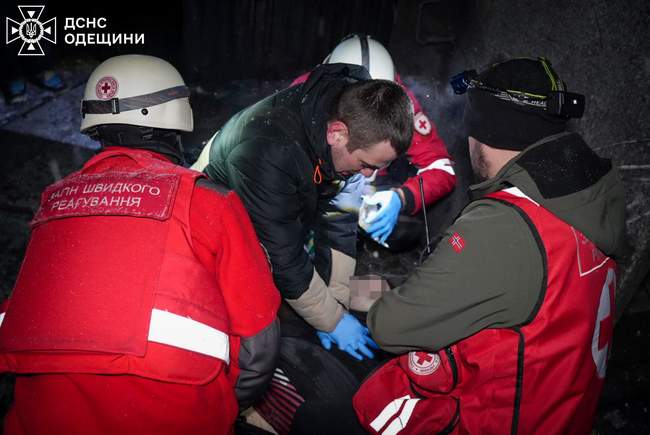
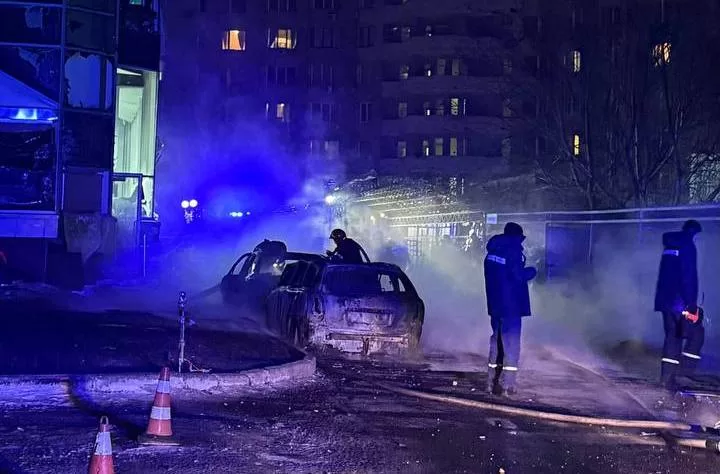
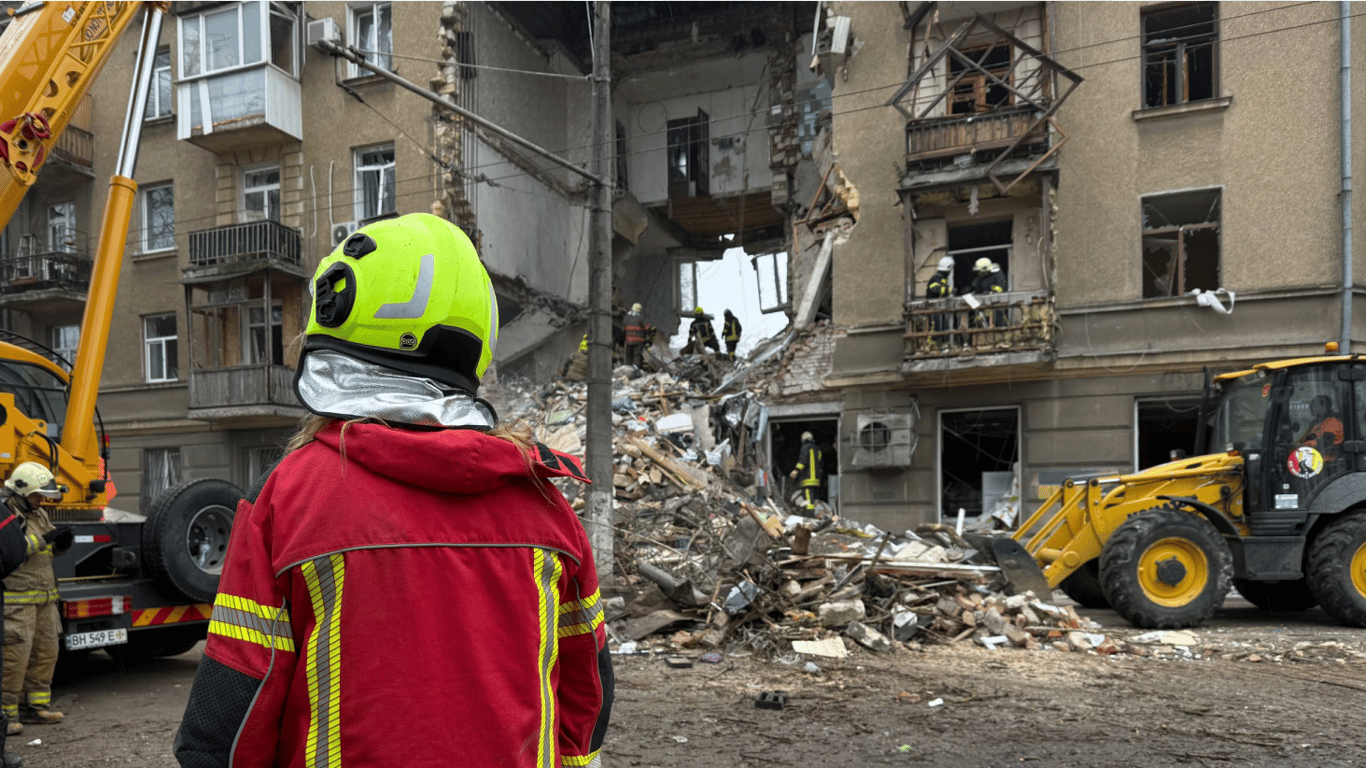
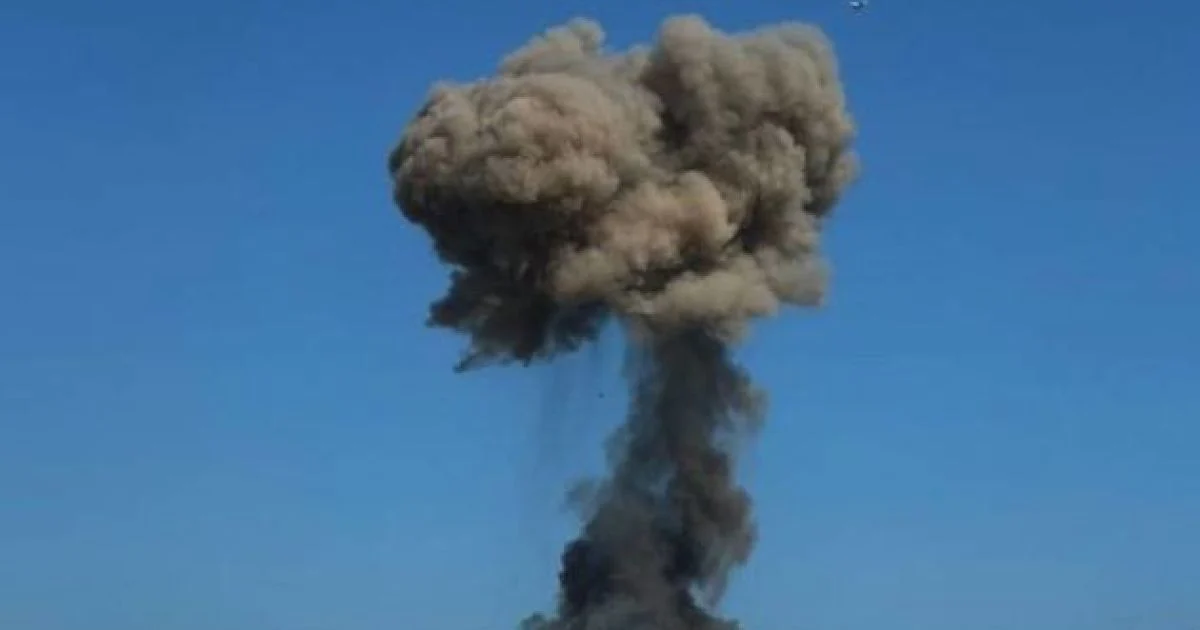
The February 8-9, 2026 Russian military campaign against Ukrainian infrastructure represents a critical supply chain disruption event for cross-border e-commerce sellers operating in or shipping through Eastern Europe. The Kyiv Independent documented coordinated strikes on Odesa's residential infrastructure and gas pipelines, with Ukrainian air defenses intercepting 116 of 149 drones launched overnight. More significantly for sellers, the attacks severely damaged Ukraine's national power grid, forcing Kyiv residents to operate with only 1.5-2 hours of electricity daily for extended periods. Temperatures dropping to minus 19 degrees Celsius further strained the energy system, with nuclear power plants partially disconnected from the grid following a February 7 mass attack.
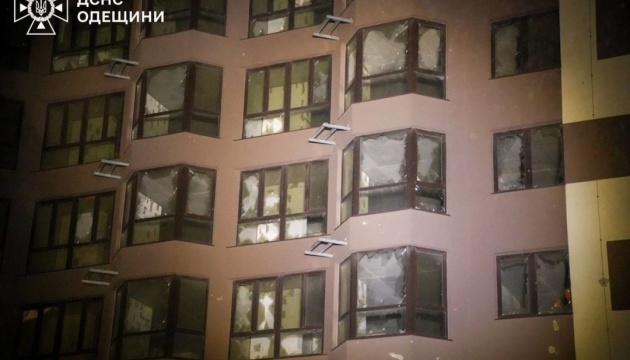
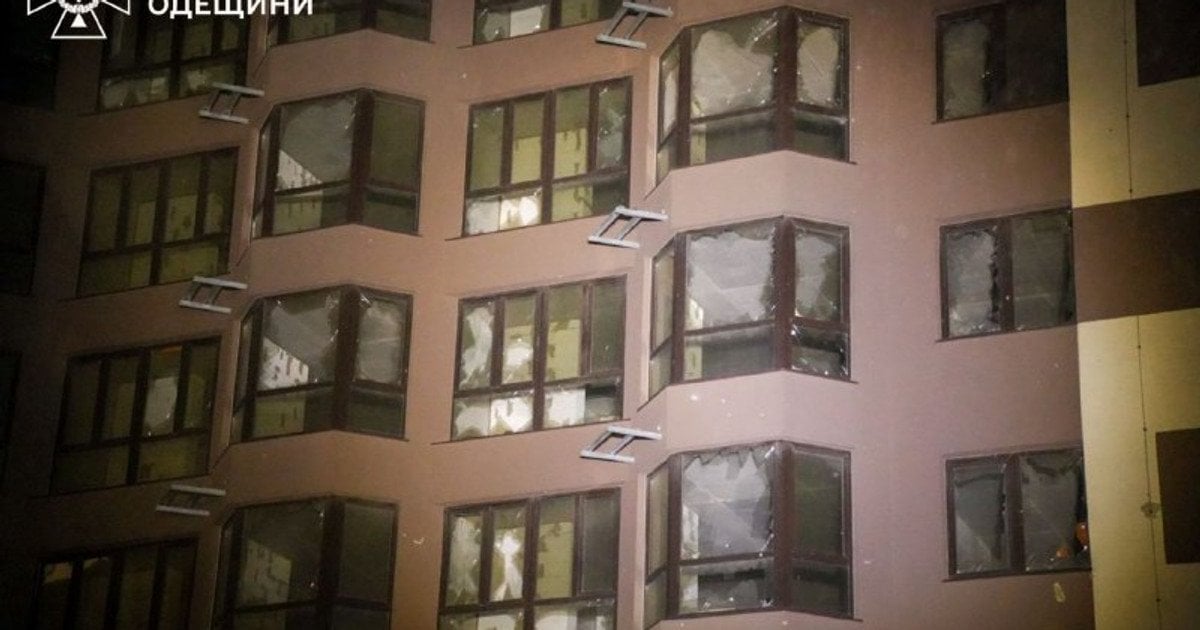
For cross-border sellers, this creates immediate operational challenges: Ukrainian 3PL providers, fulfillment centers, and logistics hubs operating in Odesa and Kyiv face severe power constraints that directly impact order processing, inventory management, and shipping operations. Sellers relying on Ukraine-based warehousing for European distribution face potential 3-5 day processing delays due to limited operational windows. The State Emergency Service confirmed 21 apartments damaged in the Prymorskyi district strike, indicating infrastructure damage extends beyond energy systems to physical logistics facilities.
Supply chain implications span multiple seller segments: Sellers sourcing manufacturing from Ukraine (textiles, electronics components, industrial goods) face production shutdowns during extended blackouts. Those using Ukraine as a transshipment hub for EU distribution must identify alternative 3PL providers in Poland, Romania, or Hungary—typically adding 15-25% to logistics costs. The 150,000 Bulgarian residents in the Odesa region (50,000-60,000 in the city) represent a significant diaspora consumer base, but their purchasing power is constrained by energy rationing and economic uncertainty.
Immediate seller actions: Audit current 3PL partnerships in Ukraine and establish backup fulfillment arrangements in neighboring EU countries within 14 days. Review inventory positions in Ukrainian warehouses and consider temporary reallocation to Western European hubs. Monitor energy restoration timelines through Ukrainian government sources and adjust shipping schedules accordingly. Sellers should expect 20-30% cost increases for alternative routing and implement surcharges on Ukrainian shipments to offset logistics inflation. Long-term, diversify sourcing away from Ukraine-dependent supply chains and evaluate alternative manufacturing regions in Central Europe or Southeast Asia.
問題 8
How long is Ukraine's energy infrastructure expected to remain damaged?
Based on February 2026 attack severity (nuclear plants partially disconnected, widespread grid damage), Ukrainian energy infrastructure restoration typically requires 2-4 months for partial recovery and 6-12 months for full capacity restoration. The State Emergency Service confirmed 21 apartments damaged in Prymorskyi district, indicating infrastructure damage extends beyond energy systems. Sellers should plan contingency logistics arrangements through at least June 2026 and monitor Ukrainian government infrastructure recovery announcements monthly. Establish 90-day minimum alternative fulfillment arrangements with backup 3PL providers. Consider this a medium-term supply chain disruption requiring sustained operational adjustments rather than a short-term crisis.
What compliance and customs procedures change when rerouting shipments through alternative EU countries?
Rerouting from Ukraine to Poland, Romania, or Hungary requires updated customs documentation and potential VAT registration adjustments in new transshipment countries. Sellers must file revised Intrastat declarations with EU customs authorities and update carrier manifests to reflect new routing. Processing times increase 2-3 days due to additional customs checkpoints. Consult with customs brokers in destination countries (typically $150-300 per shipment) to ensure compliance with EU regulations. Update shipping carrier agreements and obtain new certificates of origin if goods originate from Ukraine. Maintain detailed documentation of rerouting decisions for audit purposes and potential insurance claims related to supply chain disruption.