



UK Government Instability Threatens Trade Policy Clarity | Cross-Border Sellers Face Regulatory Uncertainty
- Political crisis creates 6-12 month window of regulatory unpredictability affecting 50,000+ UK-based cross-border sellers and EU-UK trade compliance frameworks










































概览
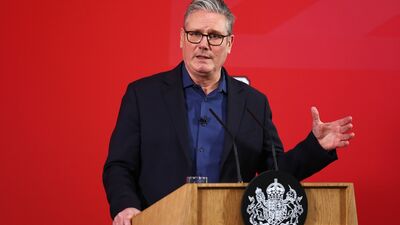
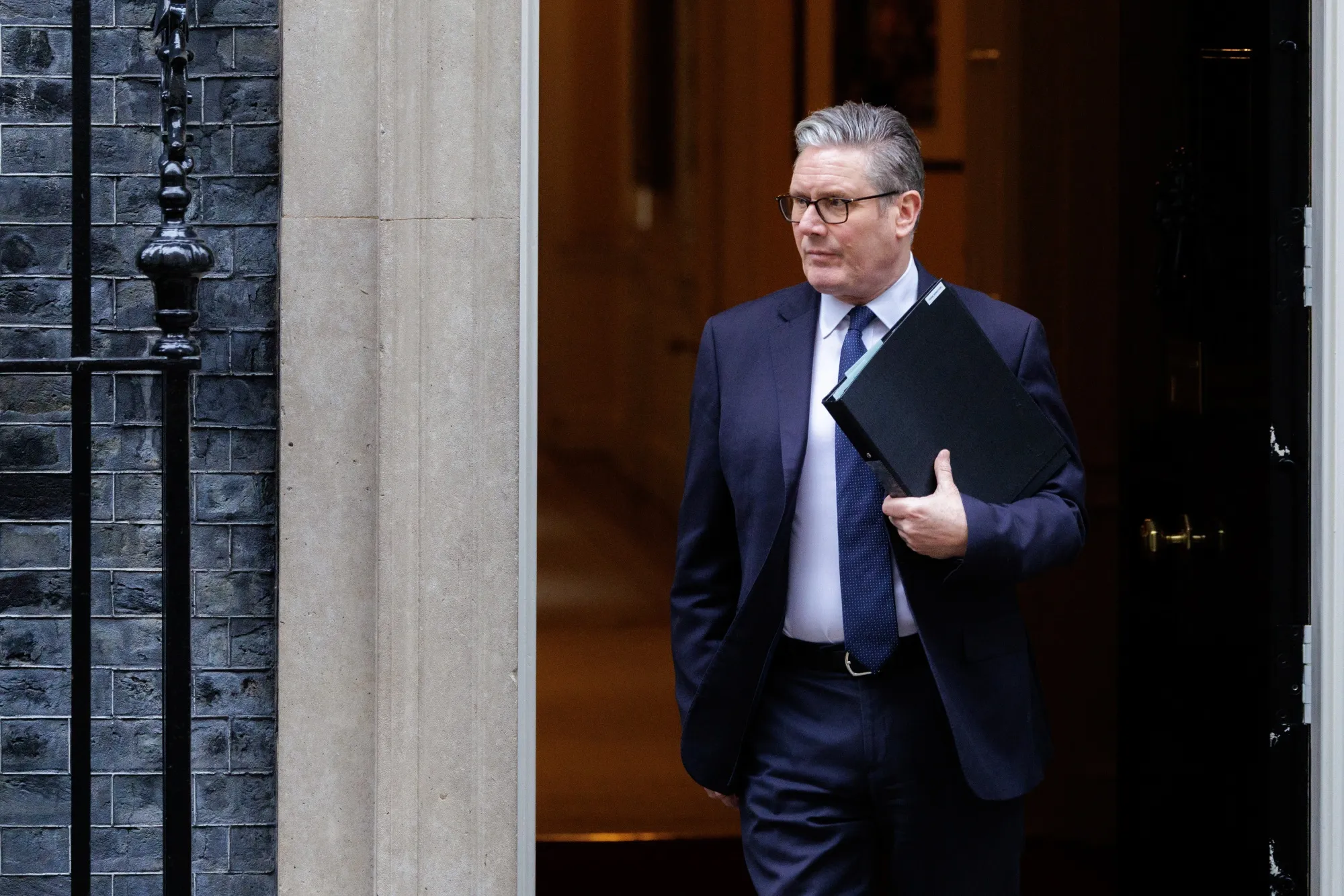
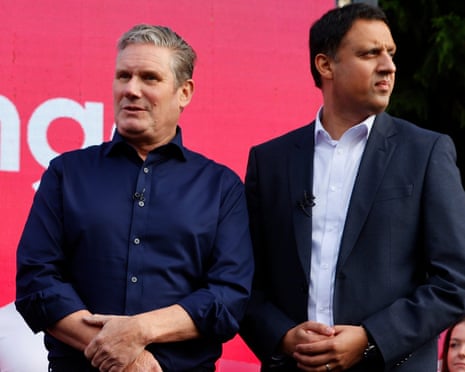
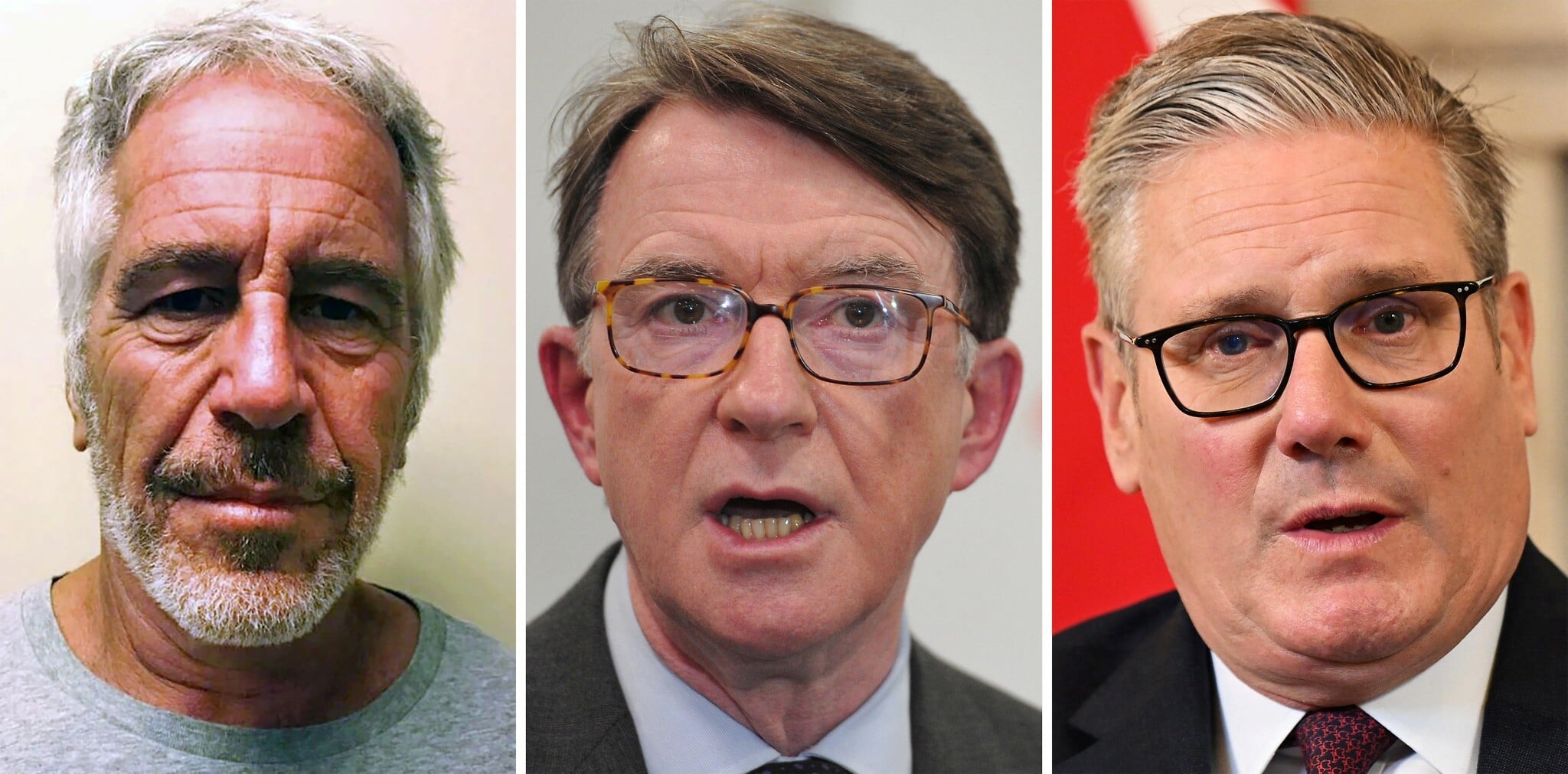
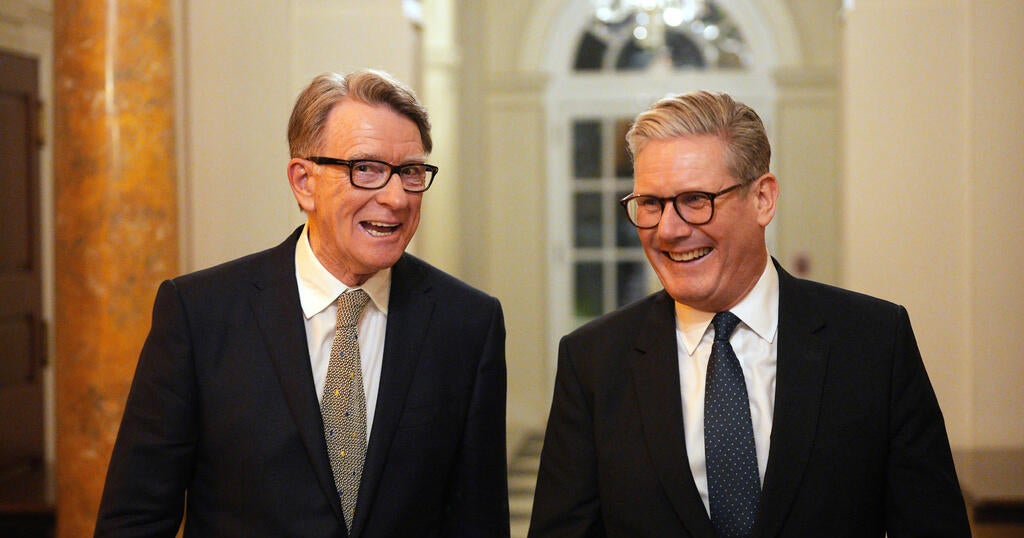
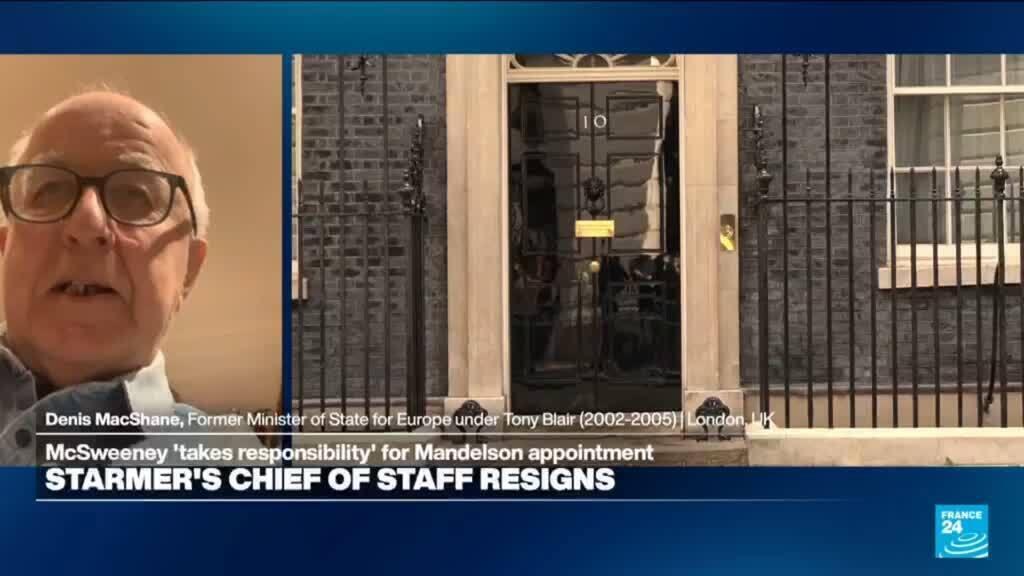
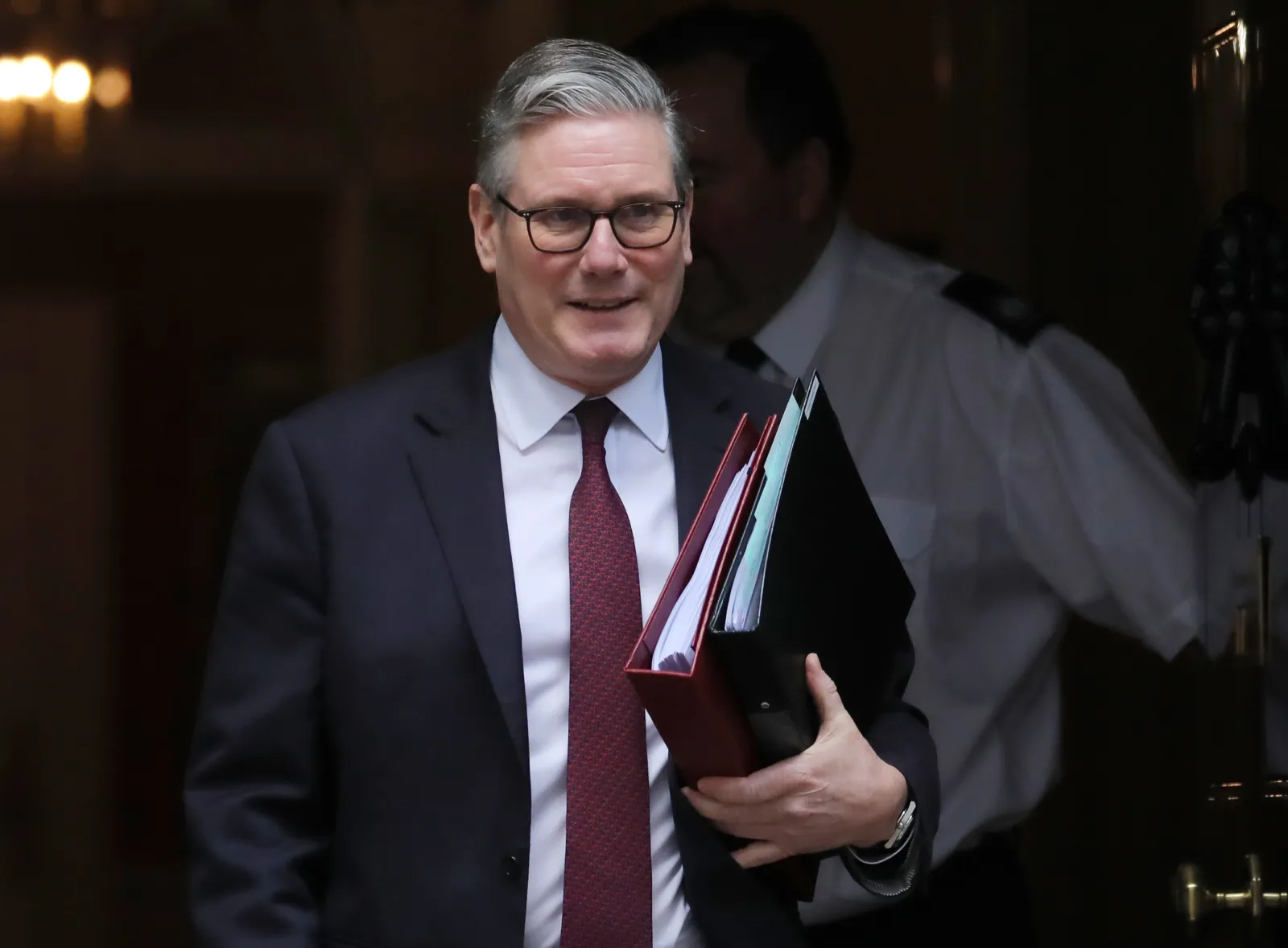
UK Prime Minister Keir Starmer faces unprecedented political instability following the February 9, 2026 resignations of Chief of Staff Morgan McSweeney and Communications Director Tim Allan, creating a critical governance vacuum that directly impacts cross-border e-commerce regulatory predictability. The simultaneous departures of two senior advisors within 24 hours—McSweeney after 6 years as Starmer's closest political strategist, and Allan after only 5 months in his role—signal systemic dysfunction in government operations. This represents the third and fourth personnel changes in these positions within 12 months, indicating structural instability that extends beyond individual resignations.
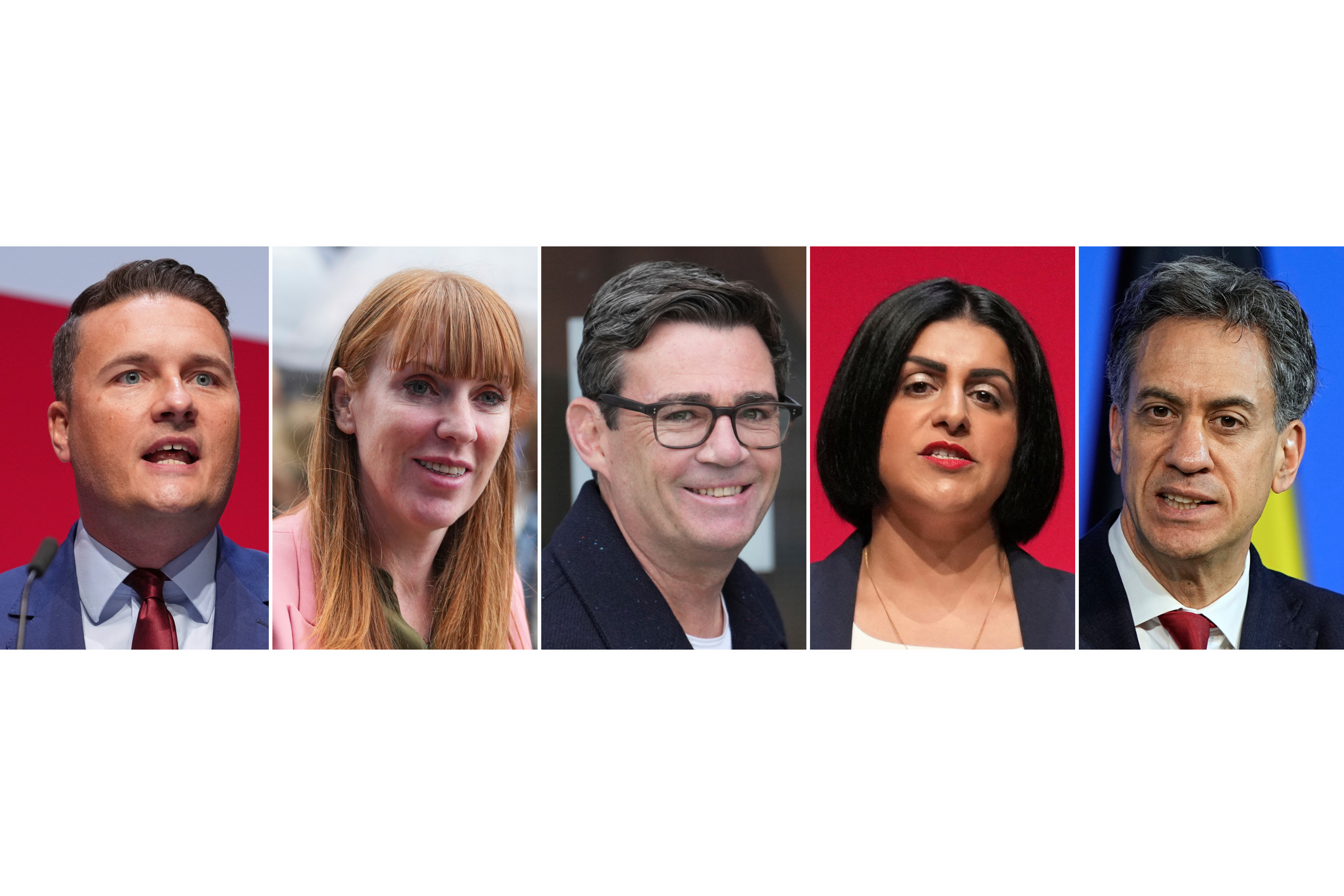
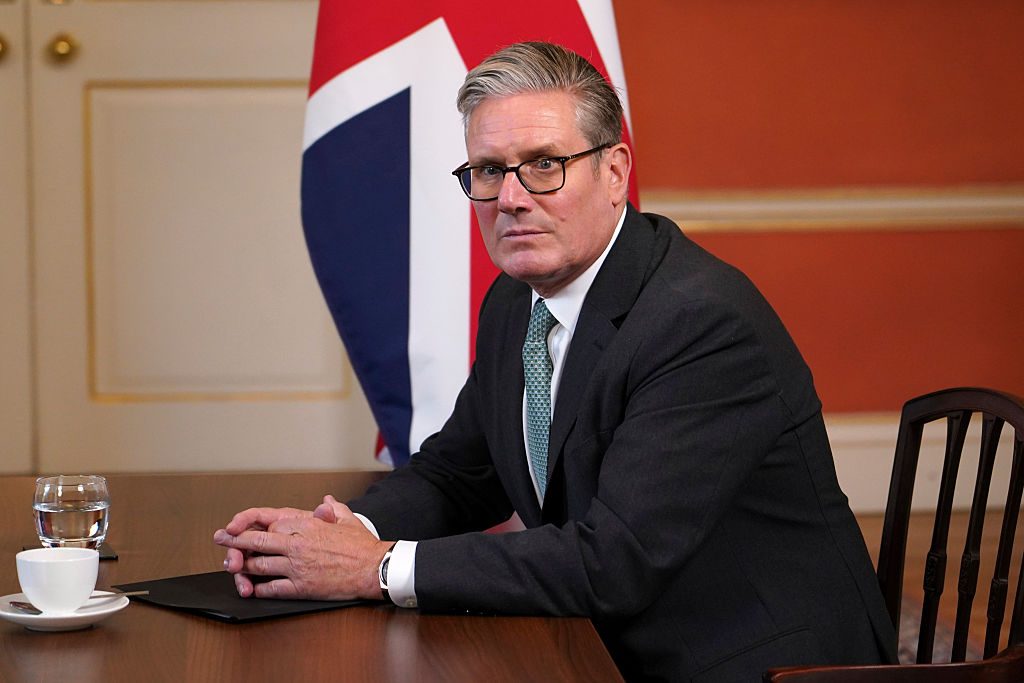
For cross-border e-commerce sellers, this political crisis creates a 6-12 month window of regulatory uncertainty affecting post-Brexit trade policy implementation. The news reports that McSweeney's departure removes Starmer's "political brain" and most trusted adviser during a period when government stability directly influences business confidence and regulatory predictability for international e-commerce operators. With Starmer's authority significantly weakened—described as a "Mexican standoff situation" with no consensus on succession—the government faces multiple electoral tests including a by-election in two weeks and devolved elections in Scotland and Wales within months. Poor results could prove fatal to his premiership, potentially triggering a leadership change that would reset trade policy priorities. UK-based sellers shipping to EU markets face particular risk: ongoing negotiations around post-Brexit trade agreements, VAT compliance frameworks, and customs procedures could stall or shift direction if government leadership changes. The Guardian's analysis predicts challenging months ahead with mandated publication of over 100,000 government communications that could expose political machinations to an already frustrated public, further destabilizing policy continuity.
Immediate operational impact for sellers: regulatory guidance delays, VAT compliance uncertainty, and potential policy reversals. The government's inability to focus on stated priorities—addressing the cost-of-living crisis and boosting the British economy—means trade policy development takes secondary priority. Sellers relying on government clarification on post-Brexit tariff classifications, VAT registration thresholds, or customs documentation standards face extended delays. Financial markets reflected investor concerns about potential leadership changes, with UK 10-year government bond yields rising 0.07 percentage points to 4.58%, indicating broader economic uncertainty. For sellers with significant UK inventory or EU-UK logistics operations, this political volatility creates planning challenges: potential policy reversals could affect tariff costs, compliance requirements, or market access terms. The appointment of Jill Cuthbertson and Vidhya Alakeson as joint acting chiefs of staff signals potential cultural changes at Number 10, but their lack of established relationships with business stakeholders means rebuilding government-commerce dialogue will require additional time. Sellers should monitor upcoming by-election results and May local elections as leading indicators of government stability—poor Labour performance could accelerate leadership change and policy uncertainty.
問題 8
How does UK government instability affect cross-border sellers' regulatory compliance?
Government instability creates delays in regulatory guidance and policy clarification that sellers depend on for VAT compliance, tariff classification, and customs procedures. With McSweeney's departure removing Starmer's chief strategist and multiple leadership changes within 12 months, policy continuity becomes uncertain. Sellers should expect 6-12 month delays in new trade policy implementation and should maintain flexible compliance frameworks that can adapt to potential policy reversals. Monitor government announcements closely and consider consulting trade compliance specialists for guidance during this period of uncertainty.
What is the timeline for potential UK leadership change and how does it affect trade policy?
The news reports that Starmer faces critical electoral tests—a by-election in two weeks plus devolved elections in Scotland and Wales within months. Poor results could prove fatal to his premiership, potentially triggering leadership change within 3-6 months. If leadership changes, new trade policy priorities could shift significantly. Sellers should prepare contingency plans for potential tariff changes, VAT framework modifications, or customs procedure updates. The current 'Mexican standoff situation' with no consensus on succession means policy direction remains fluid and unpredictable.