


Toyota Highlander EV 2027 | $55K Three-Row Electric SUV Unlocks Massive Aftermarket Opportunity
- Toyota's first three-row EV targets $55,000 price point, creating $2B+ aftermarket accessories market for cross-border sellers in charging, protection, and customization products










概览
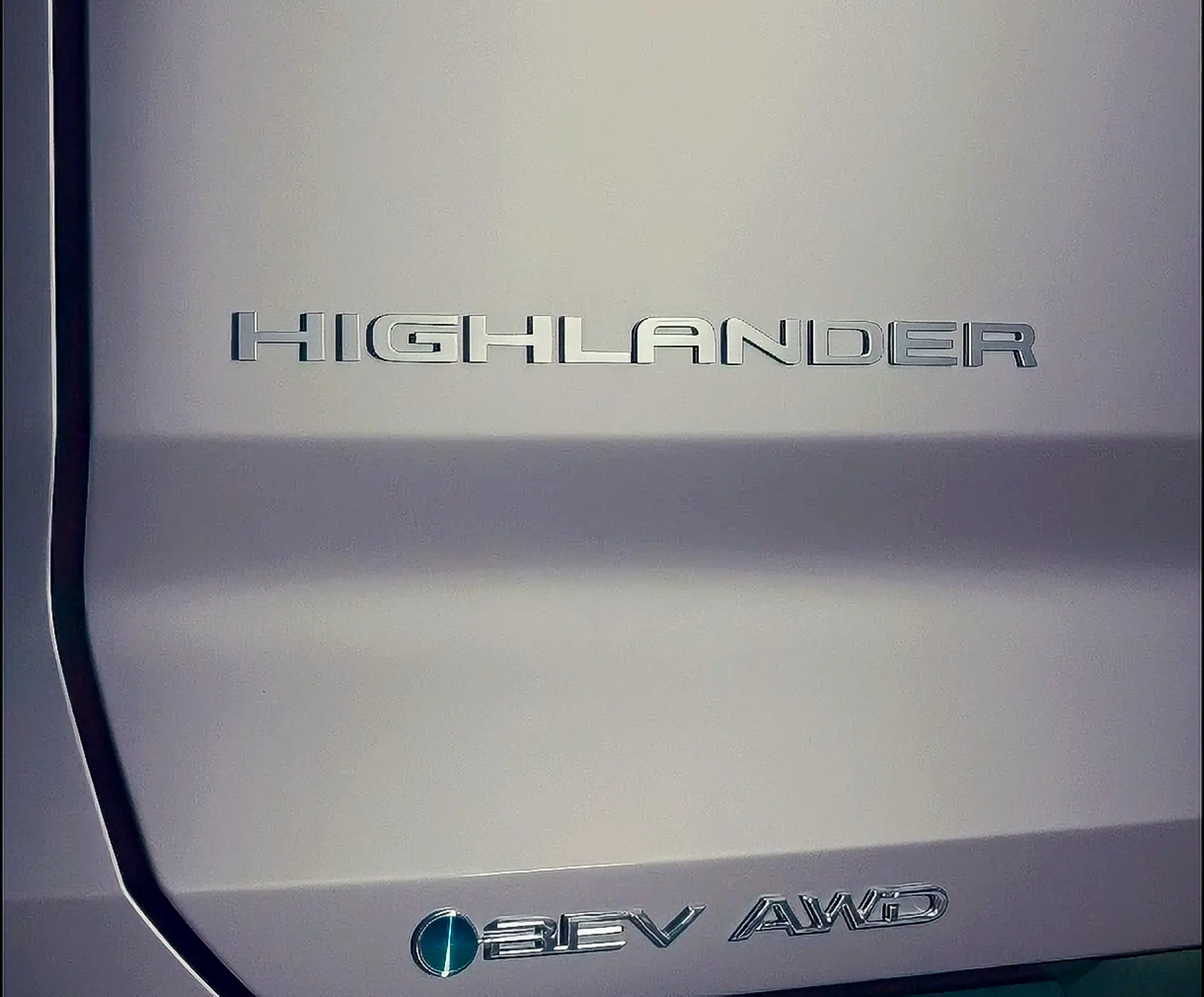
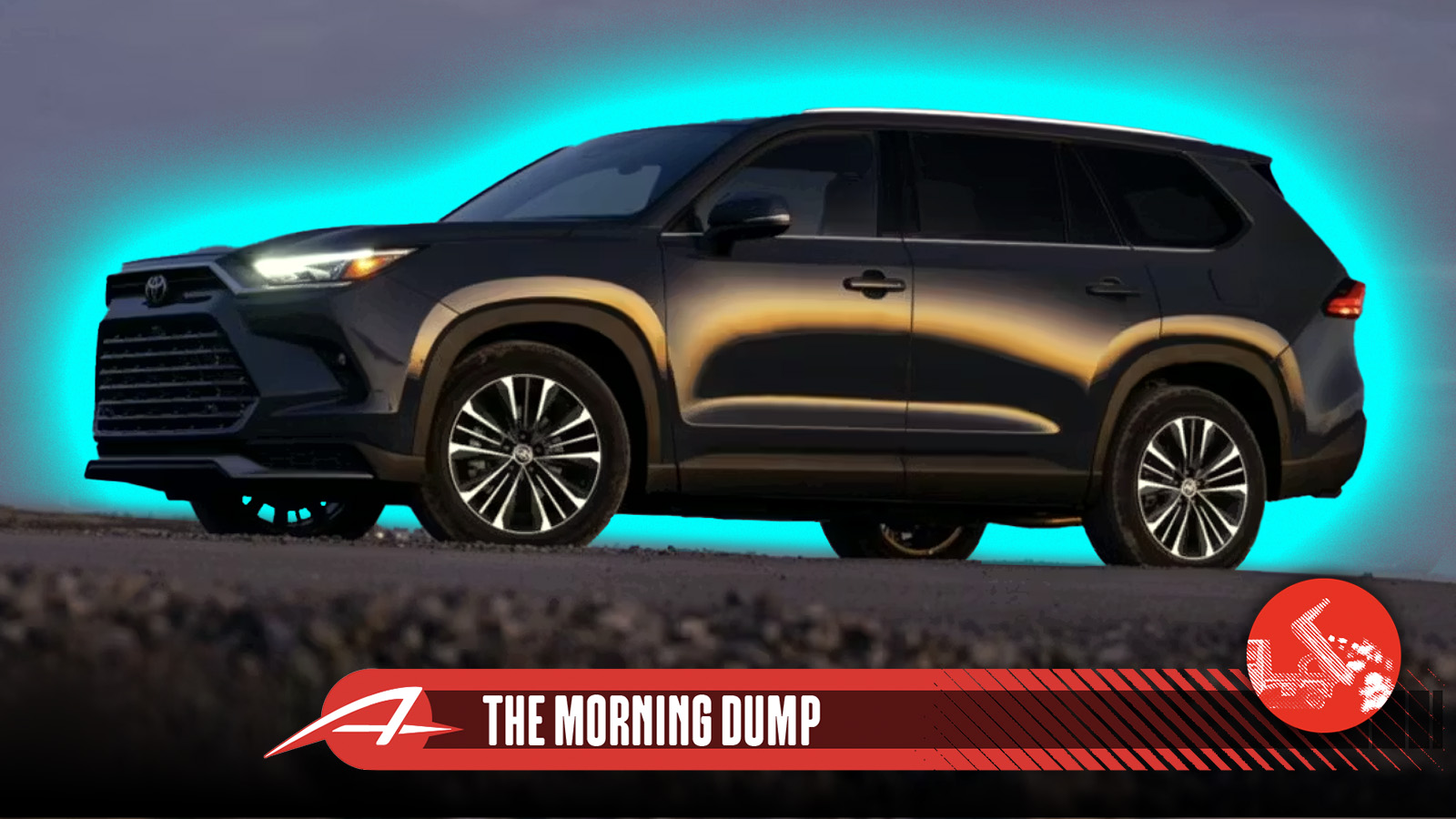
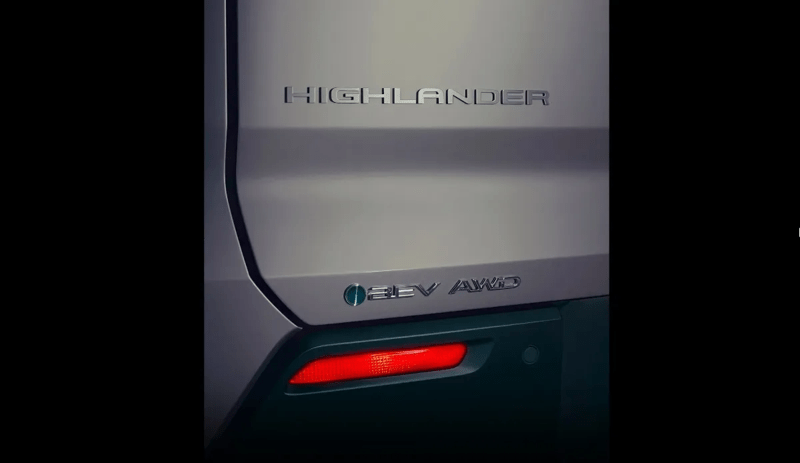
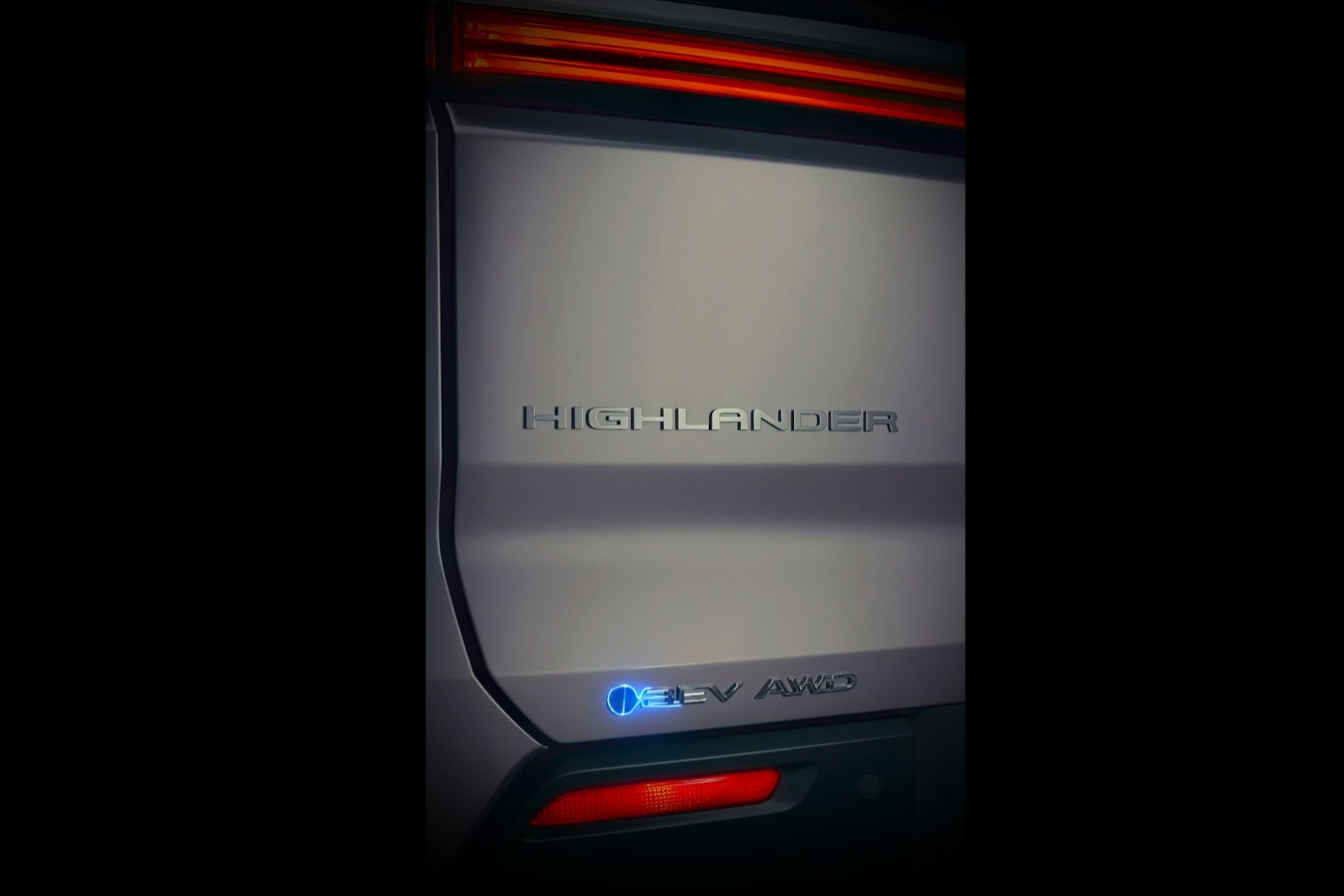
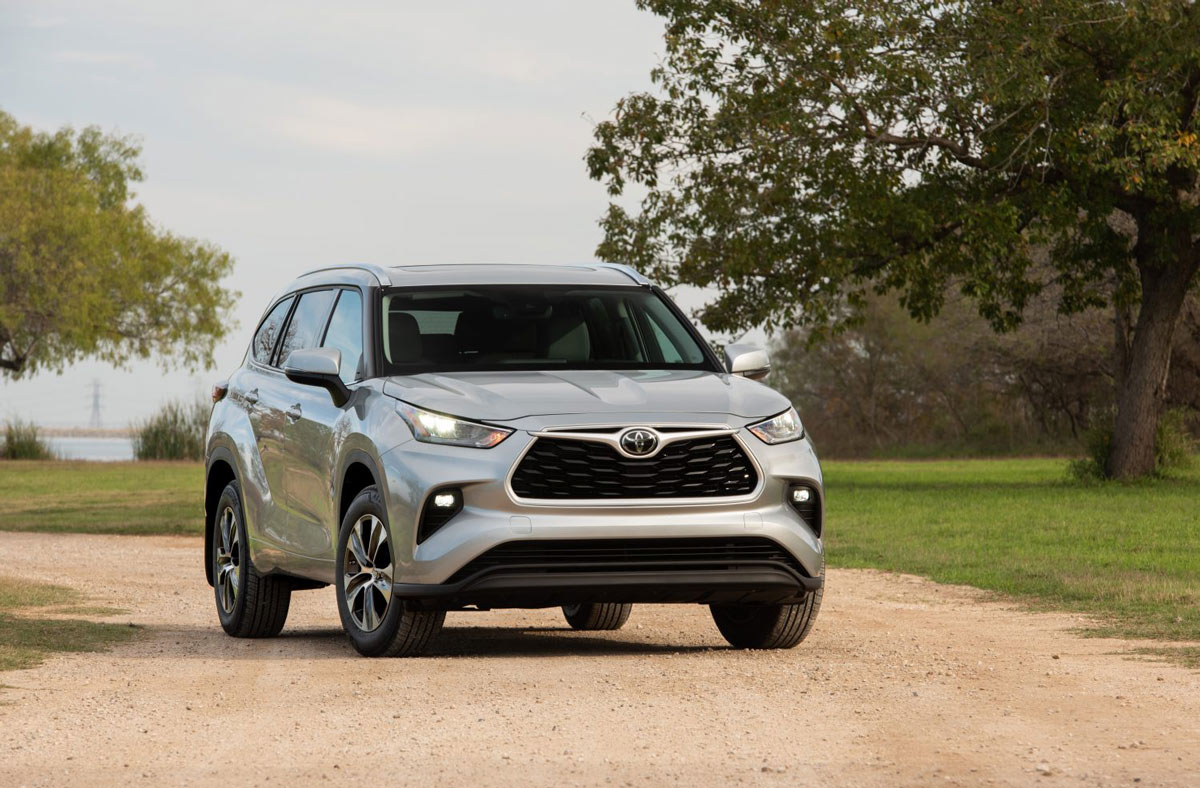
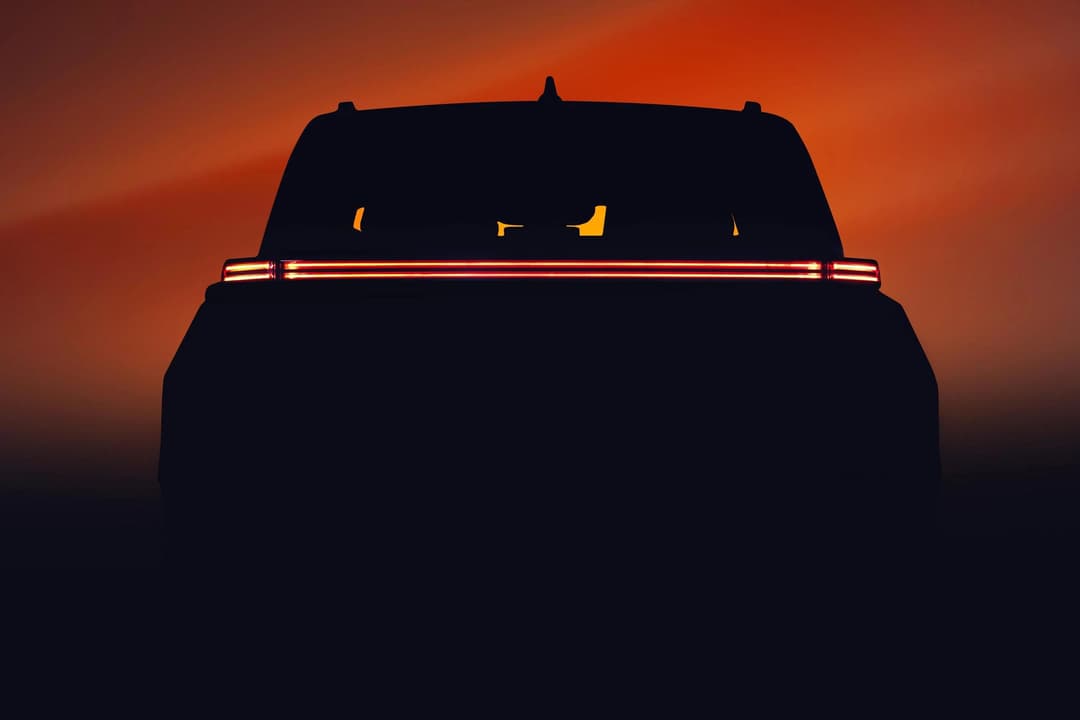
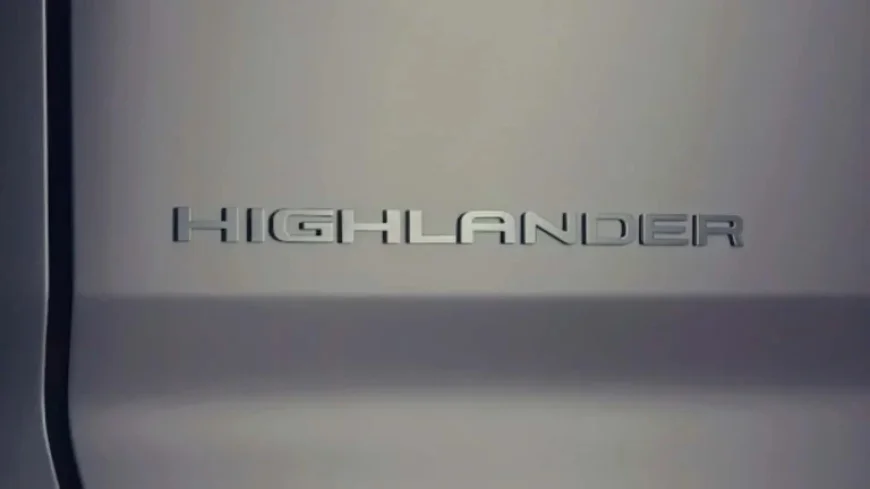
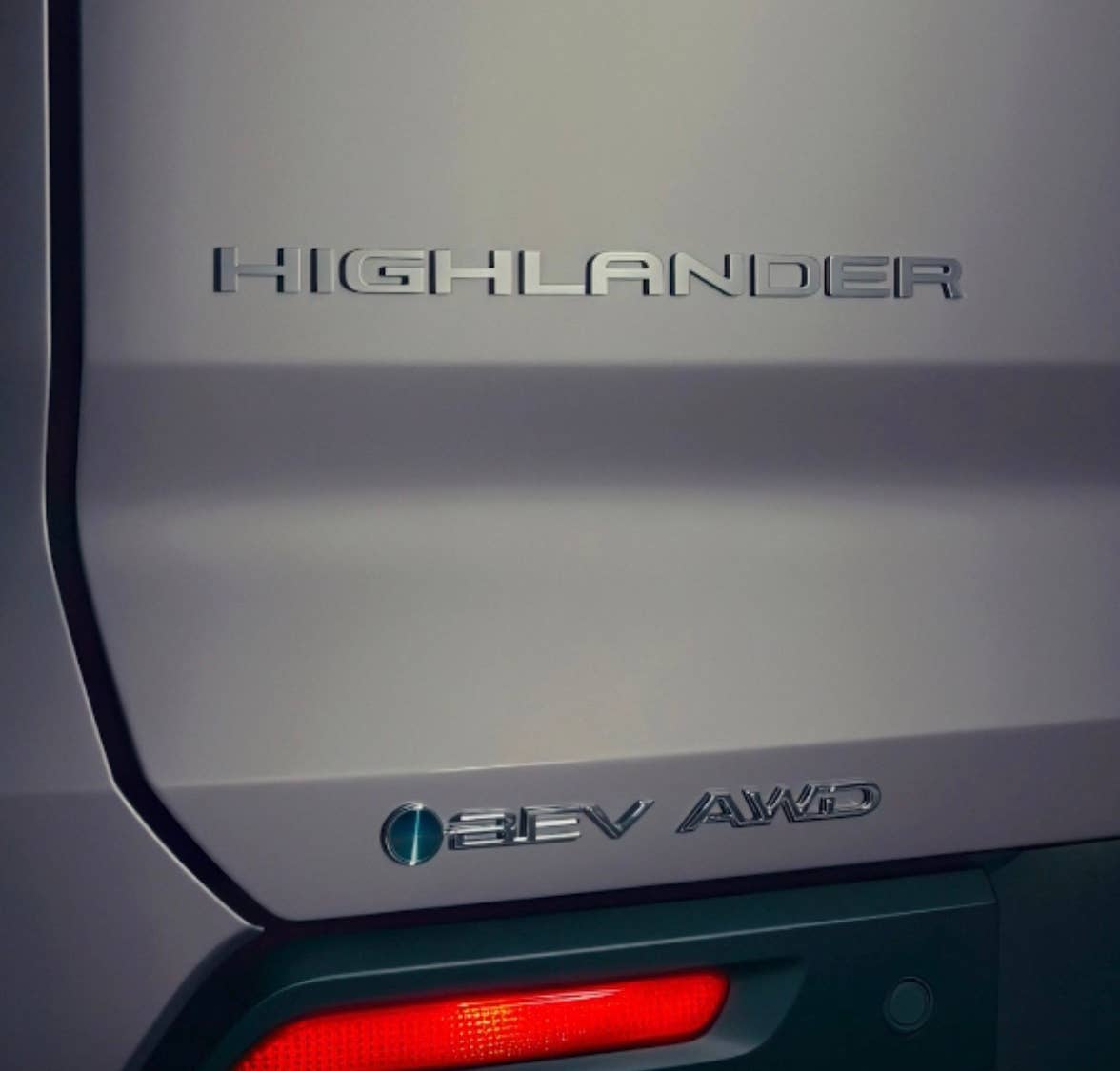
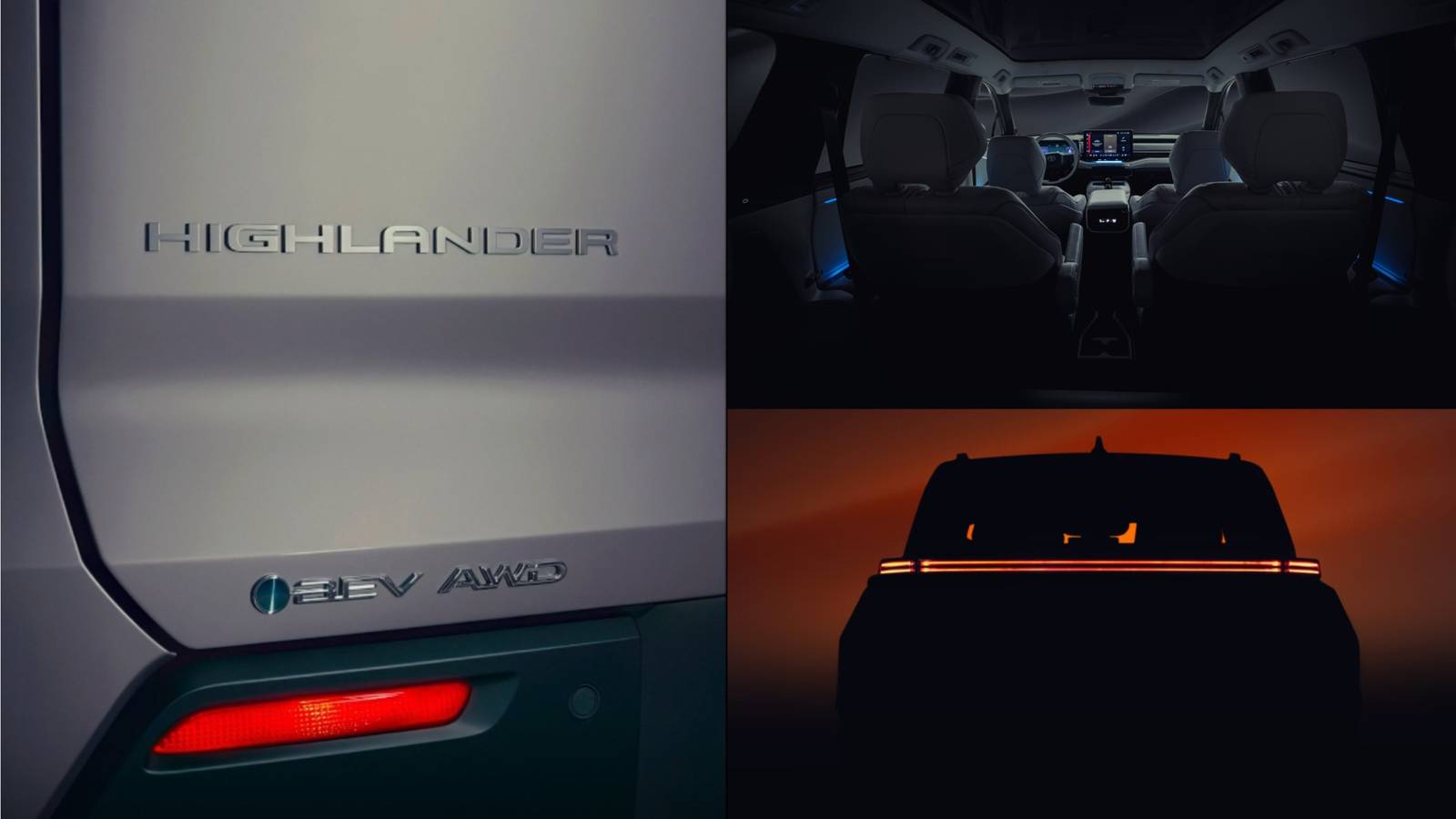
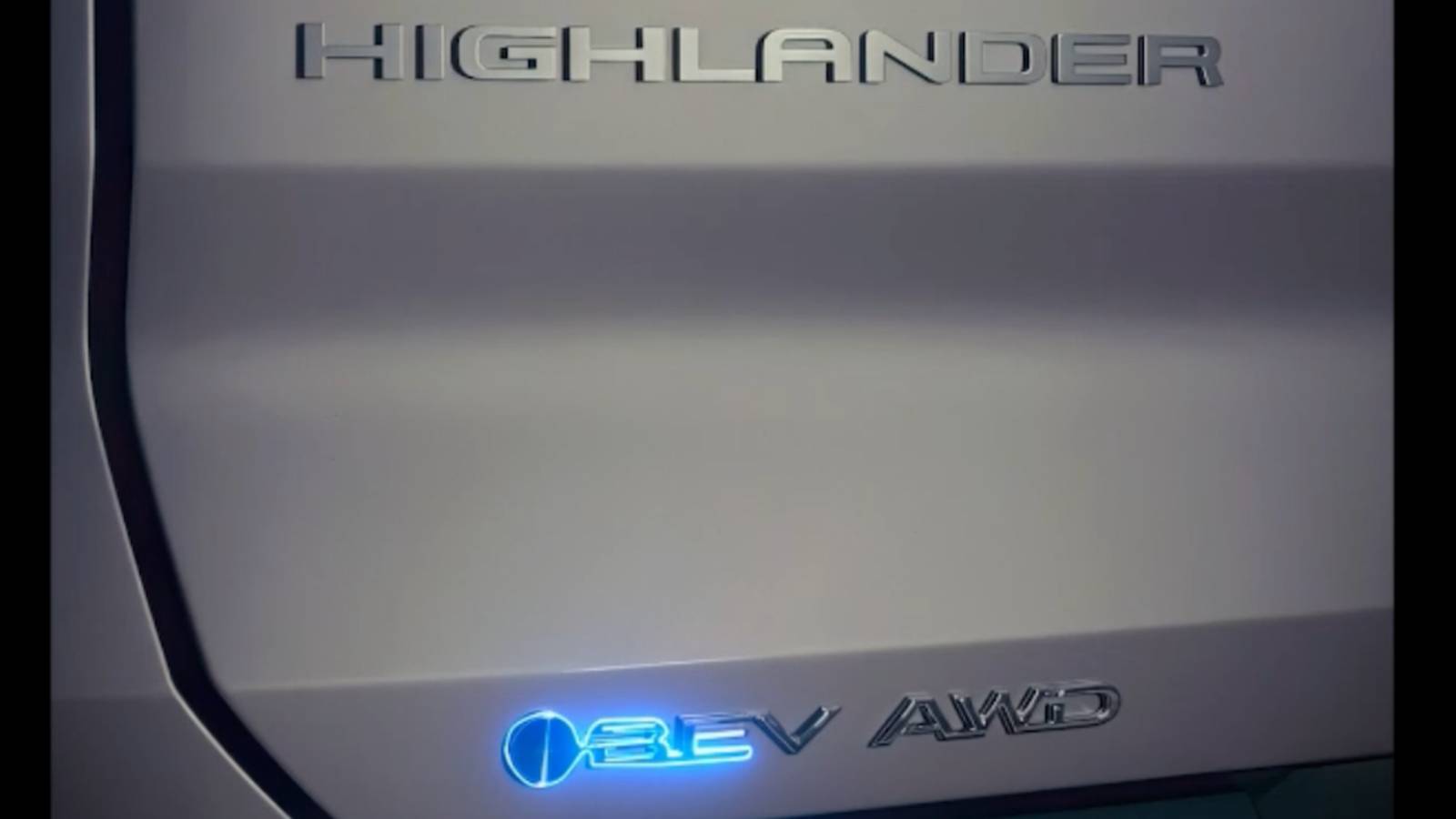
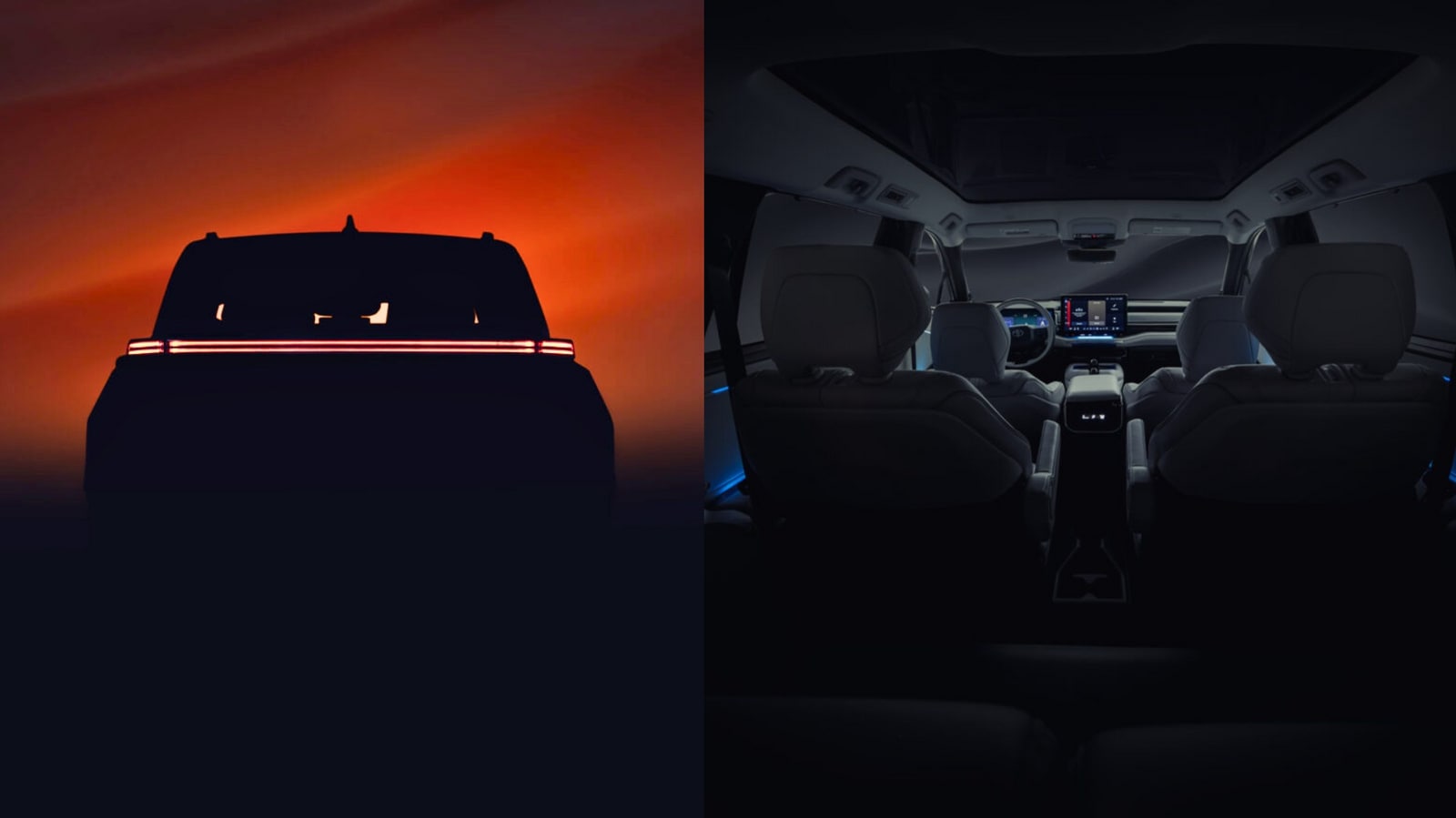
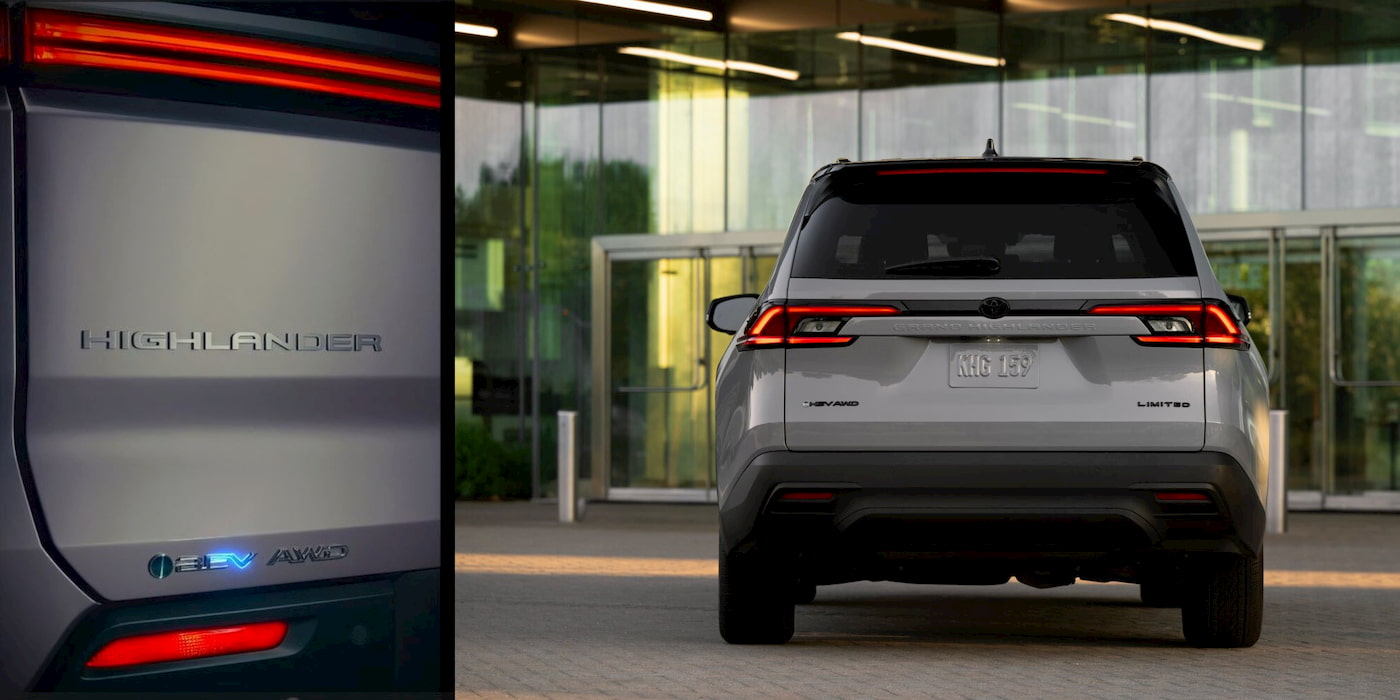
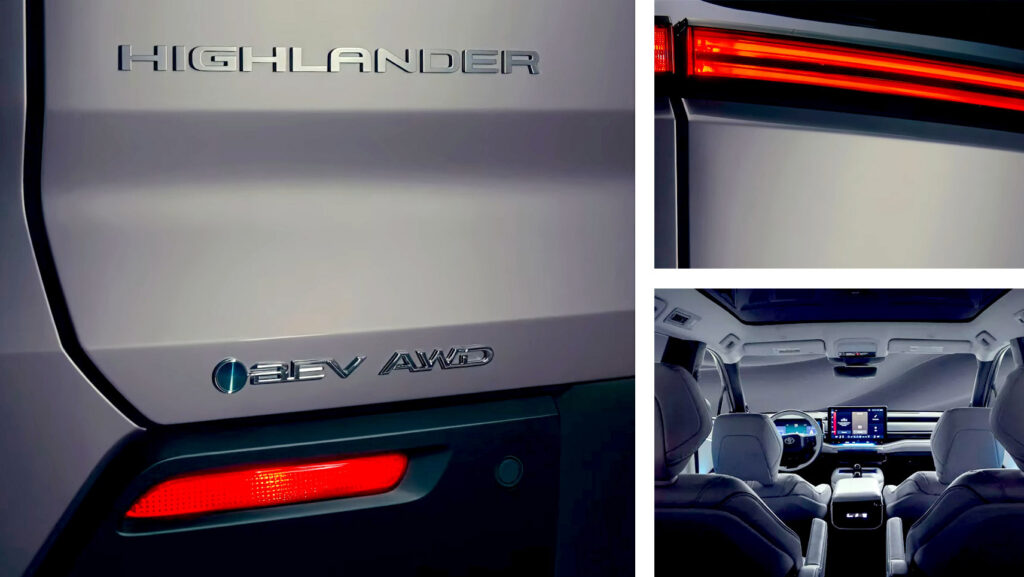
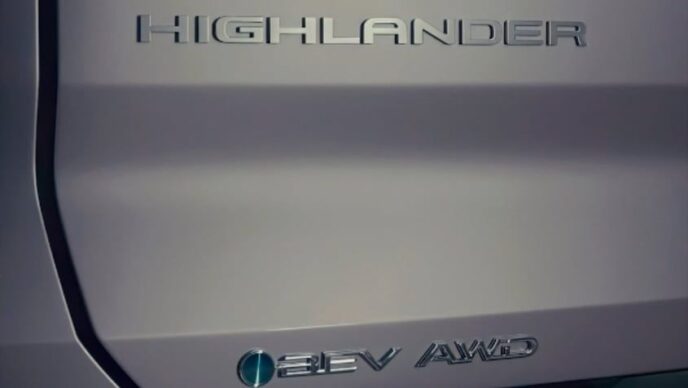
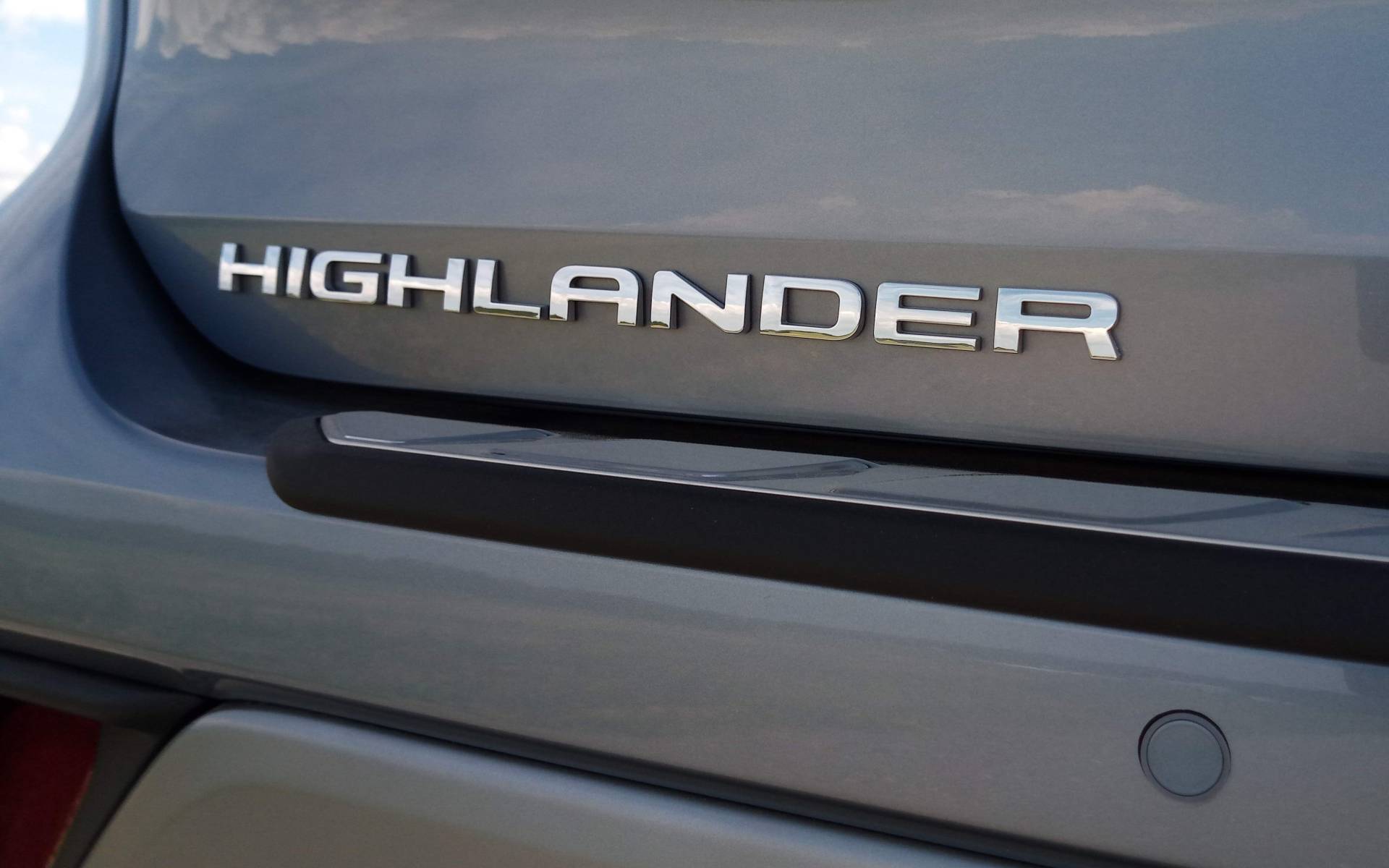
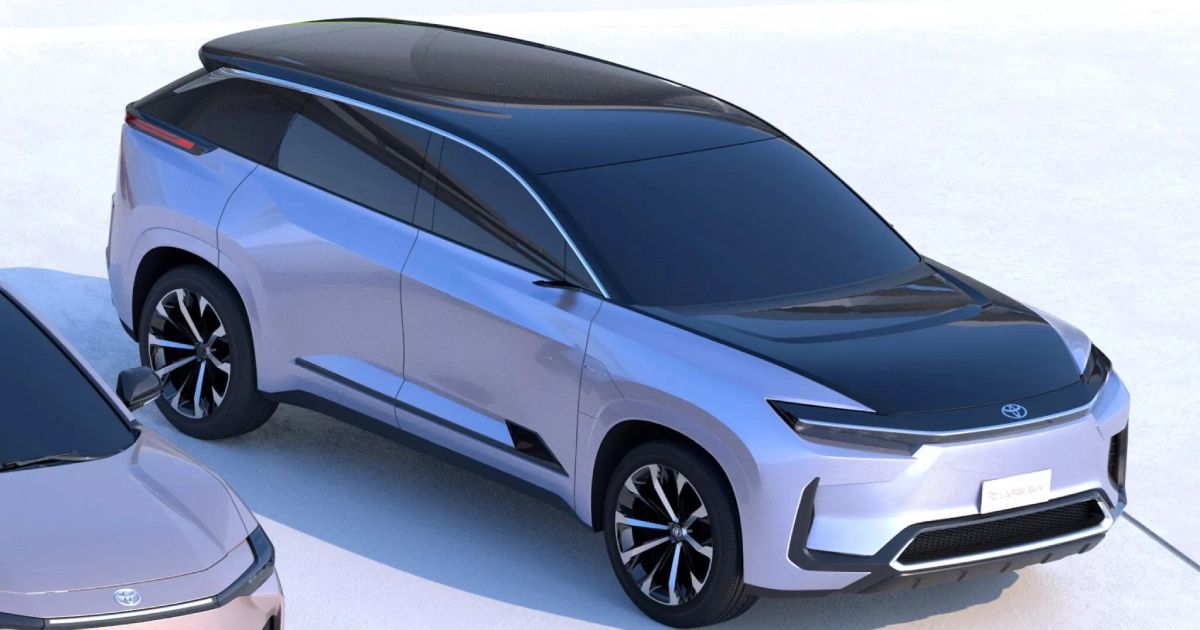
Toyota's February 2026 announcement of the 2027 Highlander EV represents a watershed moment for the automotive aftermarket and e-commerce sellers targeting the rapidly expanding electric vehicle segment. The teaser video released February 9, 2026, confirmed the Highlander nameplate will transition to a fully electric, all-wheel-drive three-row SUV—Toyota's first entry into the premium three-row EV market currently dominated by Hyundai Ioniq 9 and Kia EV9. With expected pricing around $55,000 and an official reveal scheduled for February 10, 2026, this launch signals accelerating mainstream EV adoption and creates immediate product opportunities for cross-border e-commerce sellers.
The market opportunity is substantial and multi-layered. The automotive industry has identified three-row electric SUVs as an underserved segment, with limited EV options available for families requiring third-row seating. Toyota's decision to electrify the Highlander rather than the Grand Highlander reflects strategic market positioning—the regular Highlander will go fully electric while the Grand Highlander continues offering gasoline, mild hybrid, and plug-in hybrid options. This differentiation strategy indicates Toyota expects significant demand for the premium EV variant. The Highlander EV will join Toyota's expanding US EV lineup alongside the redesigned 2026 bZ (which achieved best-selling EV status last month, outselling Hyundai IONIQ 5 and Ford Mustang Mach-E), C-HR, and bZ Woodland models, demonstrating Toyota's confidence in EV market penetration.
For e-commerce sellers, the immediate opportunity centers on EV-specific accessories and charging infrastructure products. The news explicitly identifies growing demand for charging cables, adapters, protective covers, smart charging solutions, and Highlander-specific aftermarket components. Sellers targeting automotive enthusiasts and EV owners should anticipate increased search volume for Highlander accessories beginning immediately after the February 10 reveal. The shift toward electric powertrains creates demand across multiple product categories: interior protection (seat covers, floor mats designed for EV interiors), exterior accessories (weatherproof covers, charging port protectors), charging solutions (home charging equipment, portable chargers, cable organizers), and tech accessories (dashboard cameras, smart displays compatible with EV infotainment systems). The bZ Woodland's $45,300 starting price and expected Highlander EV pricing around $55,000 indicate this vehicle targets affluent consumers willing to invest in premium accessories—a high-margin seller segment.
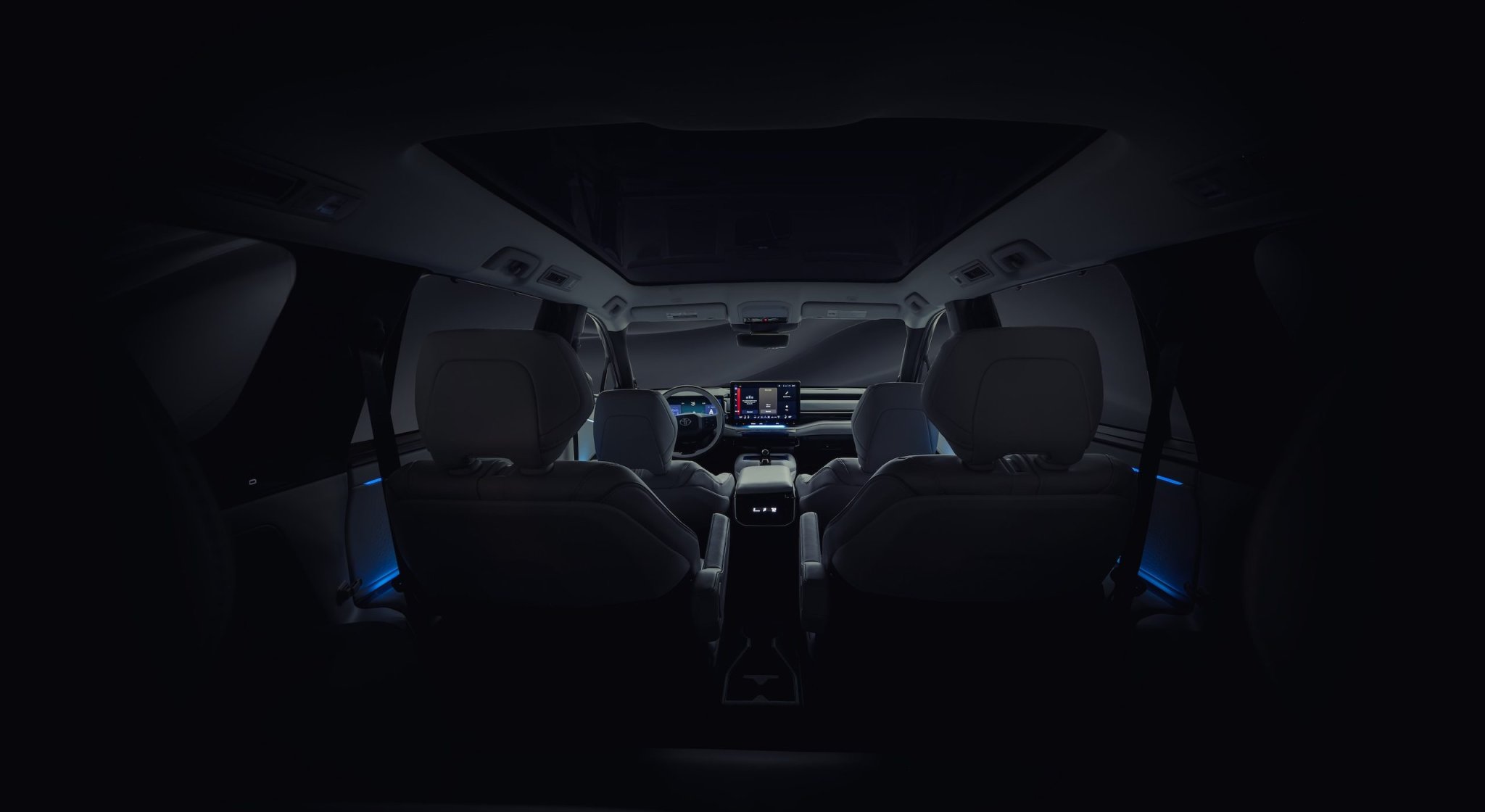
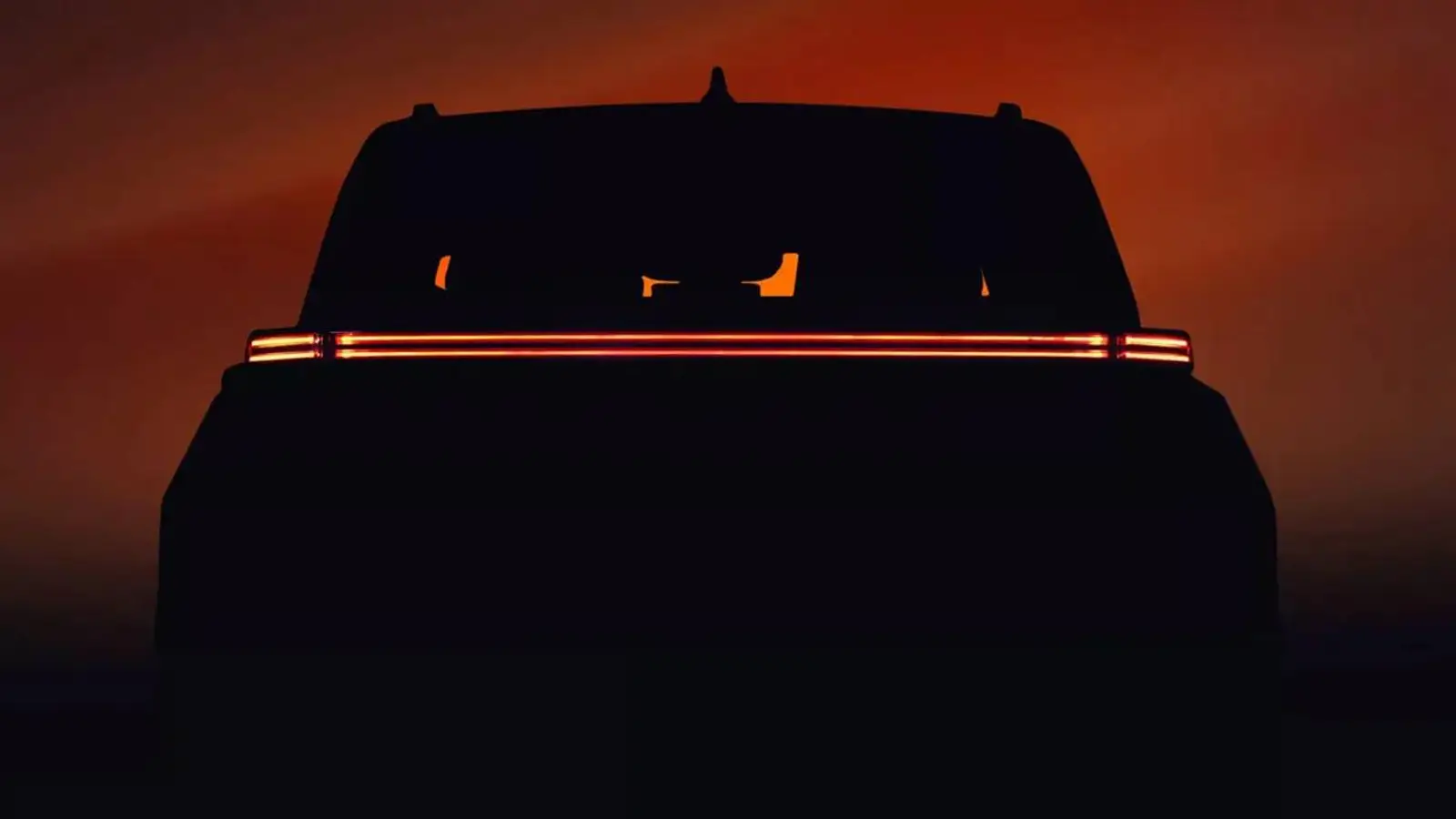
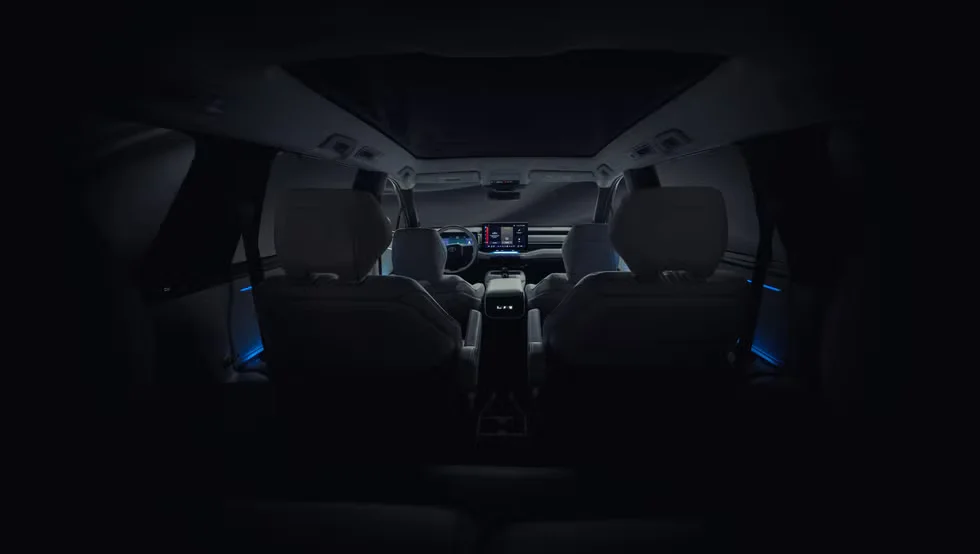
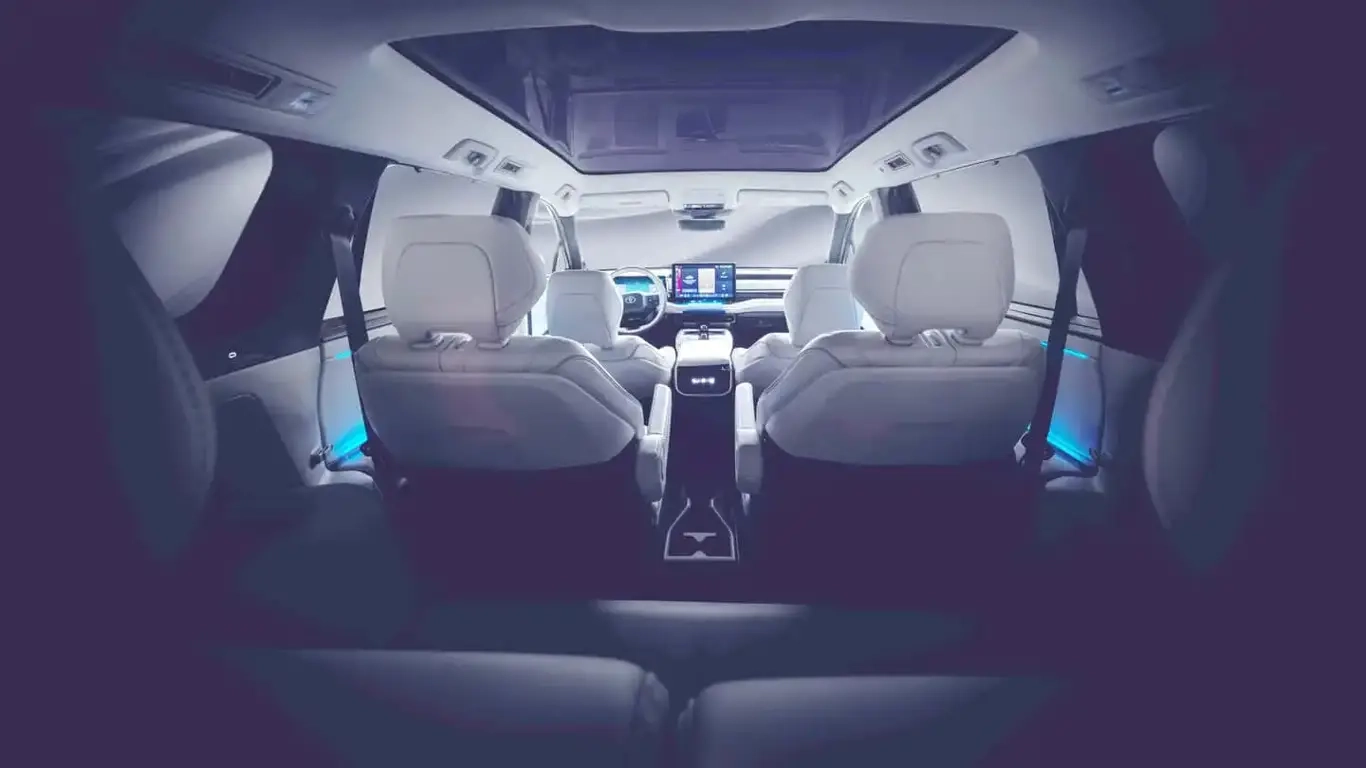
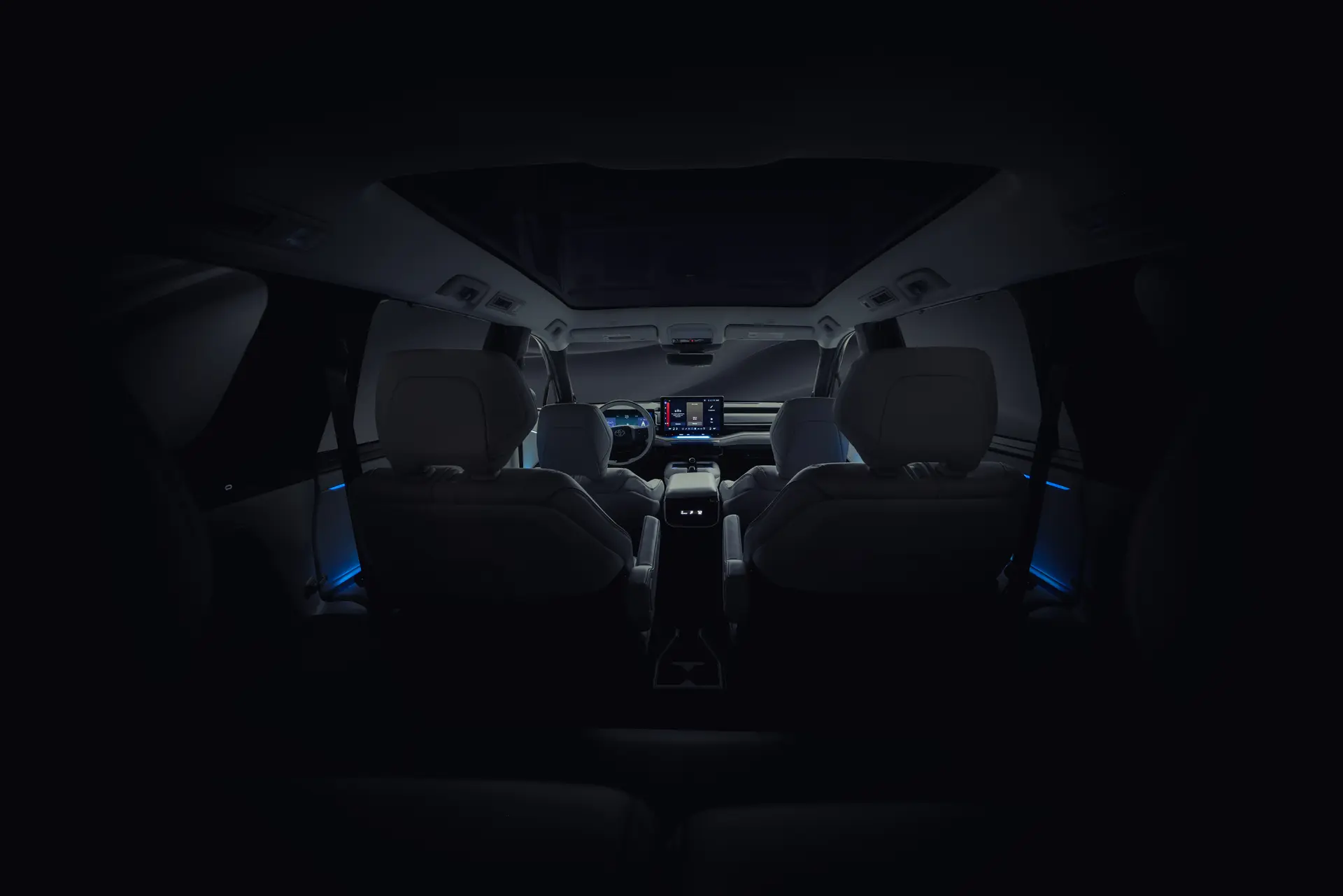
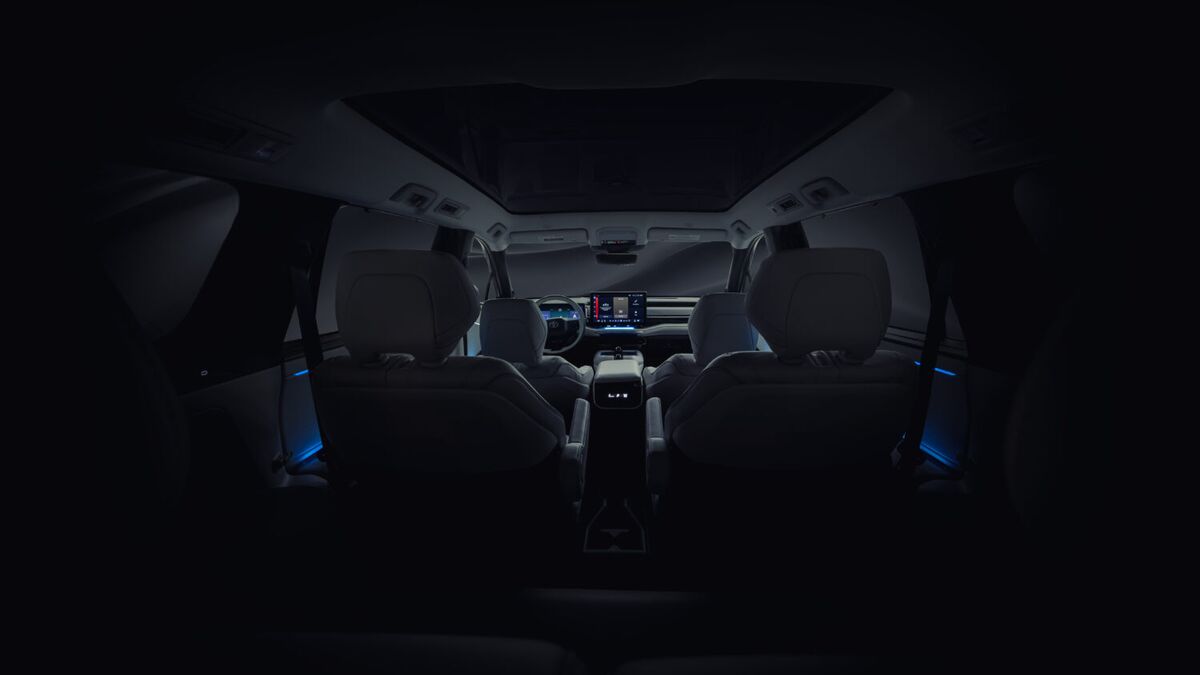
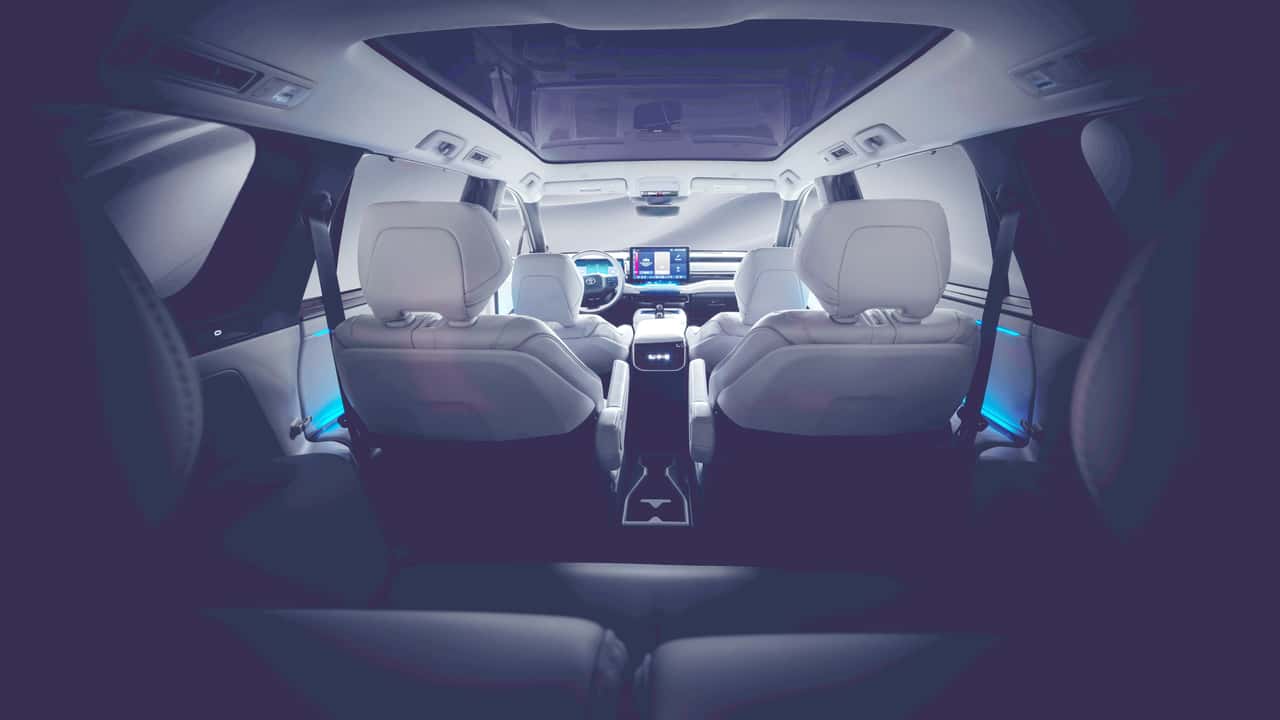
Strategic positioning requires immediate action. Cross-border sellers should begin sourcing EV-compatible products and updating product categorization on Amazon, eBay, and Shopify to capture search traffic from the February 10 reveal onward. The teaser video's emphasis on modern design language and blue ambient lighting suggests buyers will seek customization products matching the vehicle's aesthetic. Competitors including Jaguar Land Rover are preparing their own electric three-row offerings (electric Range Rover, new Freelander-branded SUV lineup), indicating intensifying competition in this segment. Sellers who establish early market presence with comprehensive Highlander EV accessory catalogs will capture first-mover advantage as the vehicle reaches dealerships in 2027. The promotional strategy Toyota is currently employing—offering significant inventory discounts on 2026 bZ and C-HR models to clear stock—indicates the company's confidence in upcoming EV demand and commitment to transitioning its portfolio toward electrification, validating the long-term market opportunity for EV-focused sellers.
問題 7
What is the 2027 Toyota Highlander EV and when will it be available?
The 2027 Toyota Highlander EV is Toyota's first three-row electric SUV, officially confirmed via teaser video on February 9, 2026, with full reveal scheduled for February 10, 2026 at 9:30 p.m. EST. The vehicle will feature all-wheel drive with dual motors (approximately 375 horsepower), a spacious three-row cabin with seating for at least six passengers, and modern digital displays with blue ambient lighting. Expected pricing is around $55,000, positioning it to compete directly with the Hyundai Ioniq 9 and Kia EV9 in the premium three-row EV segment. The Highlander EV will be available in 2027, marking a significant shift from the current gas-powered Highlander lineup.
When should sellers begin sourcing Highlander EV products?
Sellers should begin sourcing EV-compatible products immediately following the February 10, 2026 reveal, as search volume for Highlander EV accessories will spike once full specifications and pricing are announced. The vehicle reaches dealerships in 2027, providing a 12-month window to establish product listings, optimize Amazon/eBay categories, and build inventory before peak demand. Updating product categorization on e-commerce platforms to accommodate EV-specific accessories (charging cables, adapters, protective covers, smart charging solutions) should be prioritized within 30 days of the reveal. Early movers will capture organic search traffic and establish brand authority in the Highlander EV accessory category before competitors recognize the opportunity.