





Live Nation Antitrust Settlement Signals Weaker Platform Enforcement | Seller Compliance Risk
- Trump DOJ settlement negotiations sideline antitrust enforcement; 70% ticketing monopoly faces 40 state lawsuits; establishes precedent for e-commerce platform accountability and fee structures


概览
The Live Nation-Ticketmaster antitrust case represents a critical inflection point for how U.S. regulators will address dominant digital platform monopolies—directly impacting e-commerce sellers operating on consolidated marketplaces. Live Nation controls an estimated 70% of the event ticketing market, and the DOJ lawsuit filed in May 2024 by federal and 30 state attorneys general alleges the company unlawfully maintains dominance, artificially inflates concert ticket prices, and engages in anti-competitive practices. However, settlement negotiations occurring outside the DOJ's antitrust division—reportedly excluding Gail Slater, the antitrust chief advocating for trial—signal a potential shift toward business-friendly accommodation under the Trump administration.
Platform Monopoly Precedent for E-Commerce Sellers: The case directly establishes how regulators evaluate dominant platform positions. A settlement preserving Live Nation-Ticketmaster's integrated structure would signal regulatory tolerance for platform consolidation, potentially emboldening Amazon, eBay, and other marketplace giants to resist breakup demands. Conversely, a trial victory forcing structural separation would create new competitive opportunities for alternative ticketing platforms and third-party sellers. The March 2026 trial date represents the decision point; settlement discussions involving former Trump campaign manager Kellyanne Conway and Trump ally Mike Davis suggest political pressure toward accommodation rather than enforcement.
Multi-Jurisdictional Compliance Fragmentation: Critically, 40 states maintain independent antitrust lawsuits against Live Nation, and the FTC pursues a separate lawsuit alleging cooperation with scalpers to inflate resale prices. This regulatory fragmentation mirrors challenges e-commerce sellers face across state-level sales tax, data privacy, and consumer protection regimes. Even a federal settlement would not resolve state-level enforcement, creating ongoing compliance obligations and fee exposure. The pattern reflects broader Trump DOJ dynamics: HPE-Juniper's $14 billion merger and real estate brokerage consolidations were approved by overruling Slater's team, indicating systematic deprioritization of antitrust enforcement.
Seller Implications and Fee Structure Risk: For ticketing platform sellers, entertainment merchandise vendors, and live event service providers, this case determines whether platform fee structures face regulatory scrutiny. Live Nation's integrated ticketing-promotion model allows fee stacking (service fees, facility charges, resale markups) that suppress consumer demand and artist compensation. A settlement preserving this structure would validate similar fee models on Amazon (referral fees, FBA charges, advertising costs), while breakup would force fee transparency and competitive pricing. Sellers should monitor the March 2026 trial outcome as it establishes precedent for whether dominant platforms can maintain integrated fee structures or must unbundle services.
問題 8
How does the Taylor Swift Eras Tour ticket debacle connect to this antitrust case?
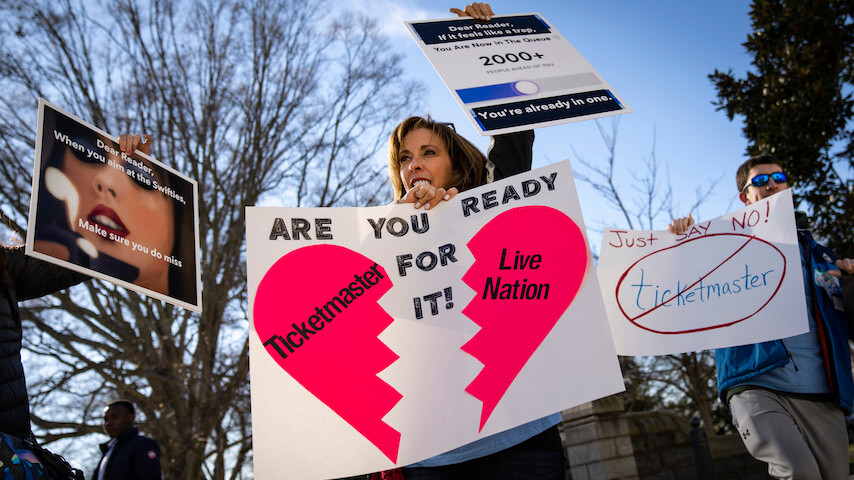
The 2022 Taylor Swift Eras Tour ticket sales debacle intensified political and consumer scrutiny of Live Nation's market power. Ticketmaster's platform failures resulted in hours-long online queues, excessive pricing complaints, and widespread customer service issues. This incident reignited regulatory focus on the company's dominance and its impact on ticket accessibility and pricing. For e-commerce sellers, this demonstrates how consumer-facing platform failures can trigger antitrust enforcement. The incident shows that dominant platforms face regulatory vulnerability when service failures harm consumers at scale. Sellers operating on consolidated marketplaces should recognize that similar platform failures (inventory management, pricing transparency, seller communication) could trigger regulatory scrutiny and enforcement actions.
What are the specific antitrust allegations against Live Nation in the DOJ lawsuit?
The DOJ lawsuit, filed in May 2024 by federal and 30 state attorneys general, alleges that Live Nation unlawfully maintains dominance in live entertainment ticketing, artificially inflates concert ticket prices, and engages in anti-competitive practices harming both artists and consumers. The FTC separately alleges that Live Nation cooperates with scalpers to raise resale prices. These allegations directly parallel concerns about e-commerce platform practices: dominance maintenance, price inflation through fee structures, and anti-competitive seller treatment. The lawsuit challenges Live Nation's 2010 acquisition of Ticketmaster, which consolidated ticketing and promotion services. For e-commerce sellers, these allegations establish the regulatory framework for evaluating platform consolidation and fee structures.